













- Bozeman Is the Busiest Airport in Montana
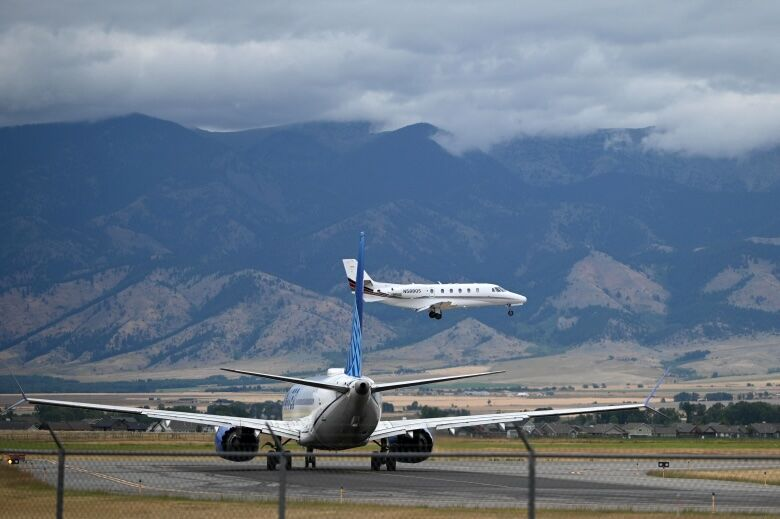
Bozeman Yellowstone International Airport (BZN) is the state’s busiest airport and a major gateway to Yellowstone National Park, driven largely by tourism and outdoor travel. - Multiple Commercial Airports Support Statewide Connectivity
Airports like Billings Logan International Airport, Glacier Park International Airport, and Missoula Montana Airport provide vital connections for business, government, and seasonal tourism across Montana. - Airports Are Essential Due to Montana’s Size & Terrain
Because of long driving distances, rural communities, and harsh winters, Montana’s airports play a crucial role in tourism, medical transport, cargo operations, and emergency services.
Airports in Montana
Montana is one of the largest states in the USA by land area, known for its mountains, national parks, and wide-open landscapes. Because of long driving distances and challenging terrain, air travel plays a vital role in Montana. The state has a strong network of commercial, regional, and general aviation airports that connect communities, tourists, and businesses.
This guide covers the major airports in Montana, regional airports, and why they are important for travel and economic growth.
How Many Airports Are in Montana?
Montana has:
- 7 commercial service airports
- Dozens of regional and municipal airports
- More than 100 public-use airports including general aviation airfields
These airports support tourism, emergency services, agriculture, and local connectivity.
Major Commercial Airports in Montana
Bozeman Yellowstone International Airport (BZN)
Location: Bozeman
Bozeman Yellowstone International Airport is the busiest airport in Montana.
Key Highlights
- Primary gateway to Yellowstone National Park
- Strong domestic flight connectivity
- Popular with tourists and outdoor travelers
- One of the fastest-growing airports in the region
BZN has seen rapid growth due to Montana’s rising tourism popularity.
Billings Logan International Airport (BIL)
Location: Billings
Billings Logan International Airport is one of the largest and most important airports in Montana.
Key Highlights
- Serves eastern Montana
- Handles business and leisure travel
- Important regional hub
- Supports cargo and medical flights
Missoula Montana Airport (MSO)
Location: Missoula
Missoula Montana Airport plays a key role in western Montana.
Key Highlights
- Serves Missoula and nearby communities
- Important for university and business travel
- Popular for outdoor recreation access
Great Falls International Airport (GTF)
Location: Great Falls
- Serves north-central Montana
- Important for military and civilian travel
- Offers domestic and limited international charter services
- Supports agriculture and trade
Glacier Park International Airport (FCA)
Location: Kalispell
- Main gateway to Glacier National Park
- Seasonal passenger demand
- Strong tourism-driven traffic
- Expanding terminal infrastructure
Helena Regional Airport (HLN)
Location: Helena
- Serves Montana’s capital city
- Focus on government and business travel
- Connects to major US hubs
Bert Mooney Airport (BTM)
Location: Butte
- Serves southwestern Montana
- Regional commercial service
- Important for local communities
Regional and Municipal Airports in Montana
Montana has many regional airports that support smaller towns and rural areas.
Examples Include:
- Havre City–County Airport
- Lewistown Municipal Airport
- Sidney–Richland Municipal Airport
- Dillon Airport
- Miles City Airport
These airports improve access to healthcare, education, and commerce.
General Aviation Airports in Montana
Montana has a strong general aviation network used for:
- Private and business aircraft
- Flight training
- Emergency medical services
- Wildfire response and firefighting
- Agricultural operations
General aviation airports are especially important due to Montana’s rural geography.
Airports Serving National Parks and Tourism
Tourism is a major driver of air travel in Montana.
| Destination | Nearest Airport |
| Yellowstone National Park | BZN |
| Glacier National Park | FCA |
| Big Sky Resort | BZN |
| Flathead Lake | FCA |
| Lewis and Clark Caverns | HLN |
These airports help millions of visitors reach Montana’s natural attractions.
Airlines Operating in Montana
Major airlines serving Montana include:
- Delta Air Lines
- United Airlines
- American Airlines
- Alaska Airlines
- Southwest Airlines
Flights mainly connect Montana cities to major hubs like Denver, Salt Lake City, Seattle, Minneapolis, and Dallas.
Why Airports Are Important in Montana
Airports in Montana are essential because:
- The state is geographically large
- Many areas are remote
- Tourism is a major economic sector
- Emergency and medical flights are critical
- Air travel saves significant time compared to road travel
Airports support both daily life and economic growth across the state.
Cargo and Medical Aviation in Montana
Although passenger traffic is moderate, Montana airports play a big role in:
- Air medical services
- Cargo transport
- Agricultural supply delivery
- Wildfire emergency operations
Airports like Billings and Great Falls are key for these services.
Challenges Faced by Montana Airports
Some challenges include:
- Seasonal travel demand
- Harsh winter weather
- Limited airline competition
- Infrastructure funding for smaller airports
Despite this, Montana airports continue to expand and modernize.
Future Development of Airports in Montana
Montana airports are investing in:
- Terminal expansions
- Runway improvements
- Sustainability initiatives
- Improved passenger facilities
Airports like Bozeman and Kalispell are seeing major growth plans.
Conclusion
Airports in Montana are a lifeline for travel, tourism, and essential services. From busy hubs like Bozeman Yellowstone International Airport to small regional airfields serving rural communities, the state’s aviation network keeps Montana connected to the rest of the country.
As tourism and population continue to grow, Montana’s airports will remain critical to the state’s future.

Ajeet Yadav is an aviation enthusiast covering airline news, airports, aircraft, and industry developments through well-researched and reliable reporting.