






Aerospace business of Godrej Enterprises Group: Scaling India’s Aviation Ambitions

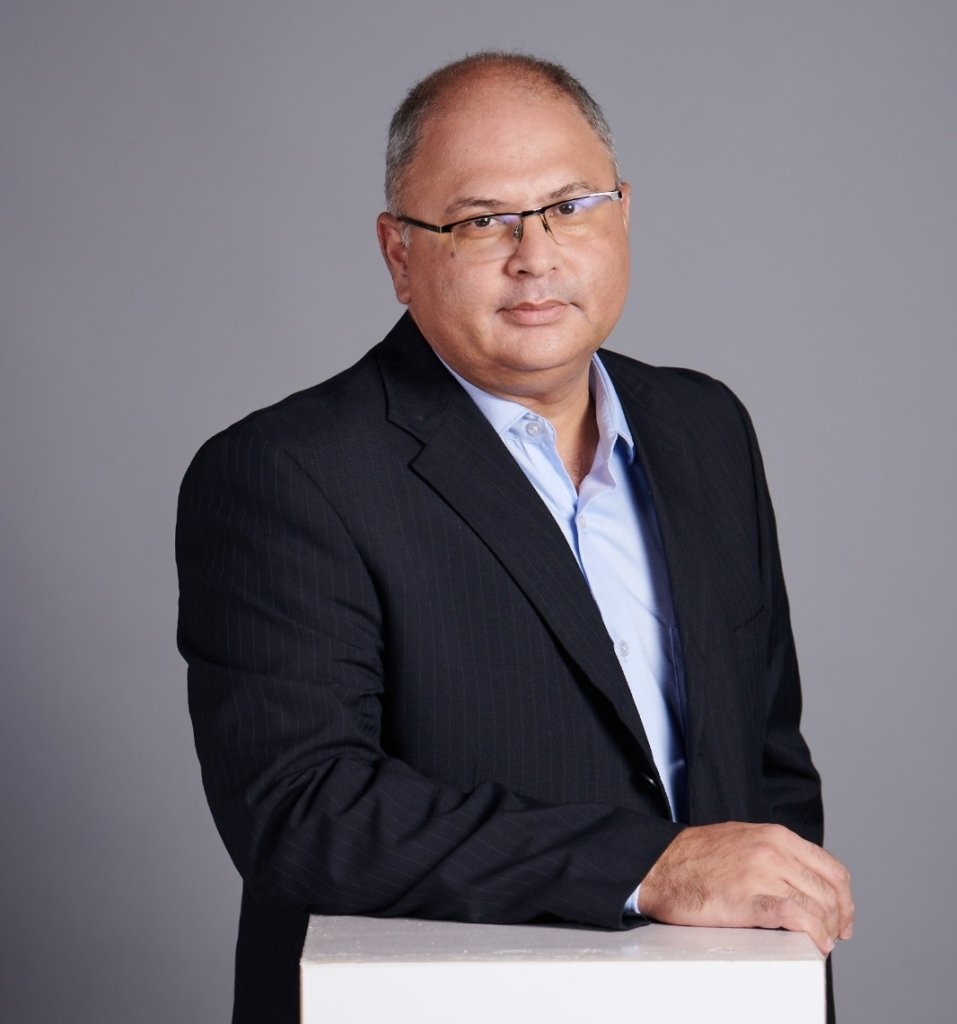
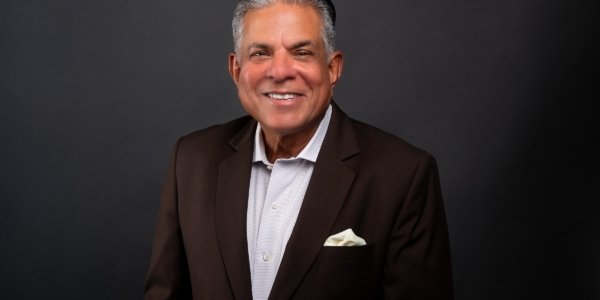
India’s aerospace manufacturing sector is gathering pace, buoyed by rising indigenisation efforts and growing global outsourcing interest, yet critical bottlenecks continue to slow growth. Raw material availability remains one of the industry’s biggest concerns: aero-grade steel and specialised alloys are scarcely produced domestically, while import restrictions and licensing delays add to the difficulty. Even as these constraints persist, Godrej’s Aerospace business of Godrej Enterprises Group (GEG) is preparing for its next phase of growth by expanding capacity through its upcoming Khalapur facility and investing ₹100 crore in design, R&D and digital manufacturing, says Maneck Behramkamdin, Business Head, Aerospace business of GEG.
Aerospace business of Godrej Enterprises Group (GEG) has grown strongly over the past two to three years. What will support the next phase of growth?
Growth has been good over the past two to three years. One of the main growth areas is commercial aviation, where we work with the major OEMs. Our focus has been on aero-engines, and we have steadily expanded our capabilities in this area.
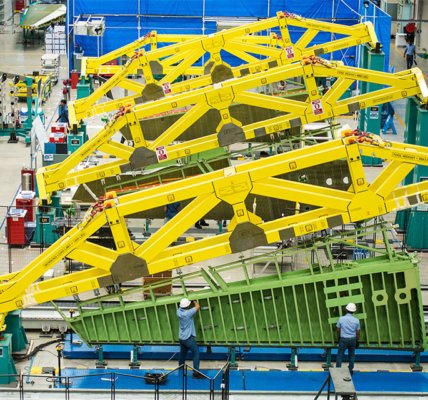
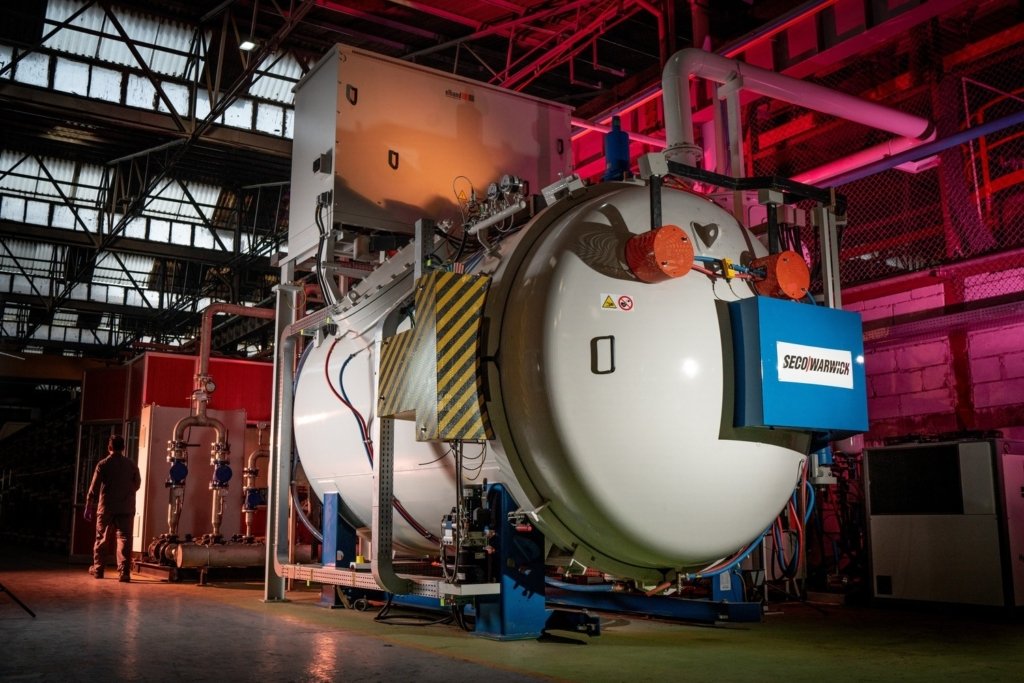
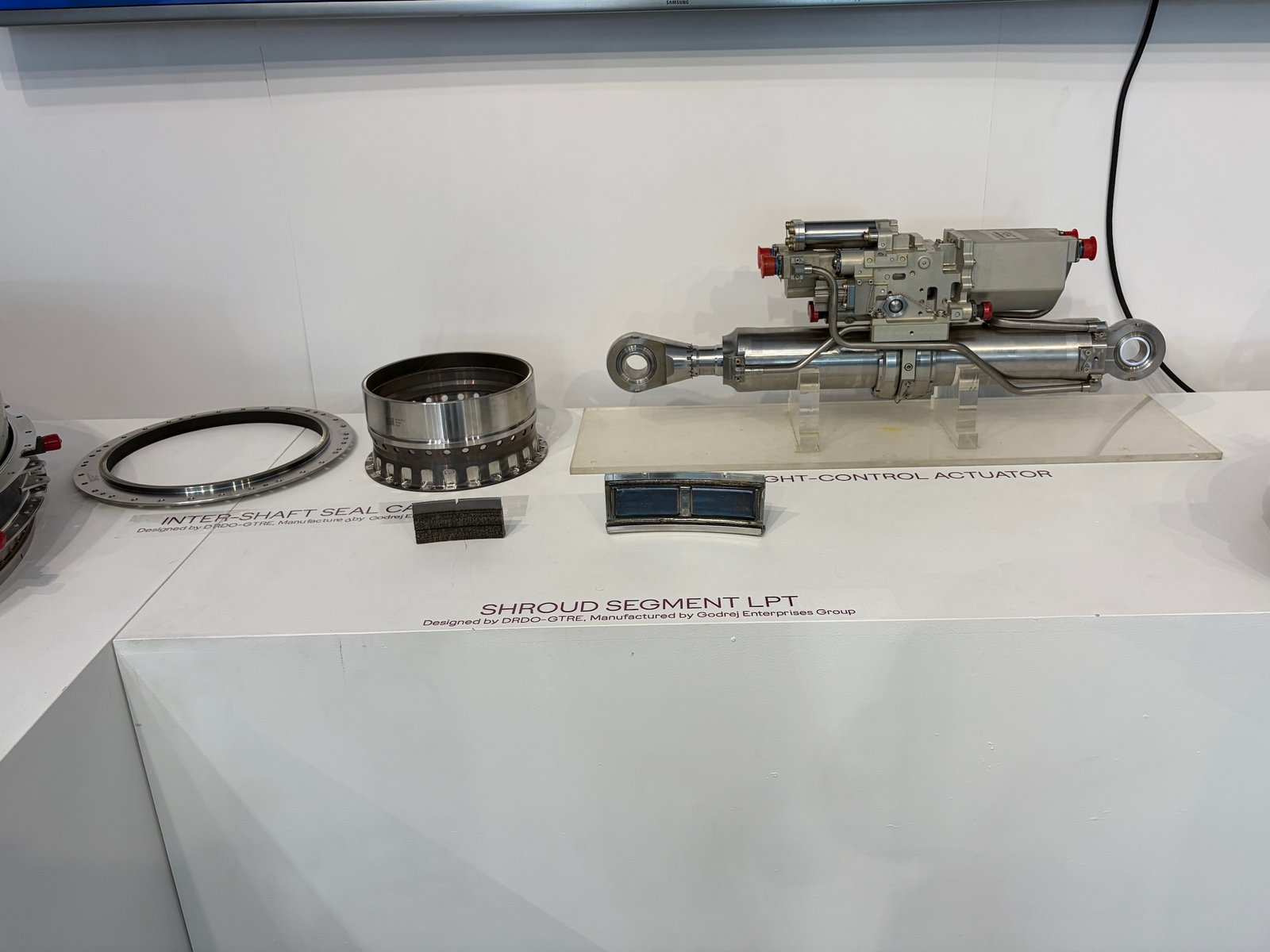
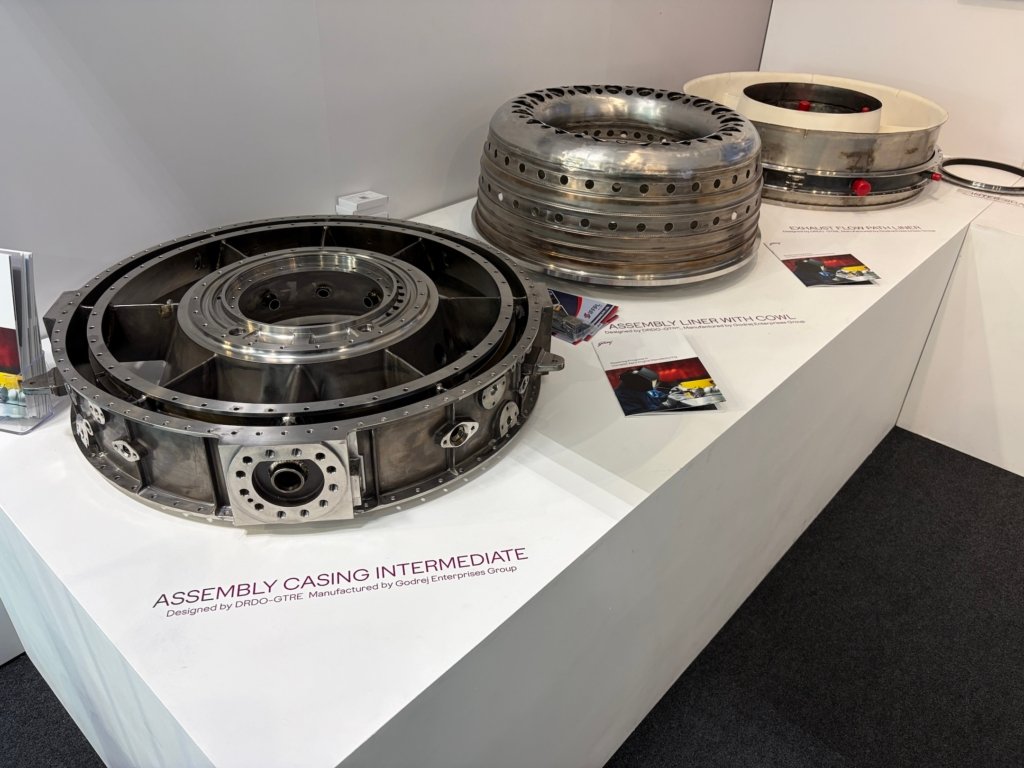
Today, we manufacture critical components across eight engine modules, reflecting the increasing complexity and strategic importance of the work we undertake. We have also continued to add capacity as well as processes such as hot forming, brazing, vacuum brazing and seam welding. Fabrication has been a key area for us, and we are growing strongly in that segment.
Adding capacity and manufacturing capability is one part of the growth plan. The second part is build-to-spec programmes, where we are building capabilities for the future. An aerospace platform can take seven to eight years to develop, so this is a longer-term effort.
Actuation systems are a major focus of our build-to-spec work. We expect the design to reach the Critical Design Review (CDR) stage next year, followed by development through the various technology readiness levels. Getting to a stage where something can fly could take about five years. Aerospace qualification takes time, and the complete journey can extend over seven to eight years.
So, growth will come from the commercial aviation business, more complex engine components, new manufacturing capabilities and build-to-spec actuation systems.
How have the requirements from aircraft and engine manufacturers changed over the past few years?
We started as a manufacturer of what we describe as C-class components for OEMs, and we have gradually moved into more complex applications.
The progression has been from brackets to more complex brackets, and from tubing and ducting to more complex parts and applications.
It is a step-by-step process. Customers are now discussing more complex aviation parts with us, and these parts also carry greater value.
More of the value addition is therefore taking place within India. That is the broad direction we are following: moving from simpler parts towards more complex work.
The new Khalapur facility is a major expansion for the business. Which parts of the business will it support, and when do you expect production to begin?
Khalapur is a major investment for us, covering the land, buildings, machinery and the transfer of work. We expect activity at Khalapur to begin in early 2027. We will then complete the required compliances and customer qualification work. Production should begin towards the end of 2027 or in early 2028.
The facility will support all parts of the business: space, aviation and others. Aero-engines will remain a key focus, and we want to establish a dedicated plant for engine work. The first phase will cover about 6.5 lakh sq ft, which should meet the current requirements. We have reserved another 4.5 lakh to 5 lakh sq ft for future expansion.
Godrej has planned ₹100 crore for design, R&D and digital manufacturing. Where will this investment be directed, and how are you preparing the team for more design-led work?
The most important area is building the right skills. We are investing in engineering software, training and bringing talented young people into the business.
The investment also covers prototypes, technology development, test fixtures and the qualification tests required when you move into build-to-spec products.
On the engineering side, we work with IITs and support employees who want to continue their education while working. Some of our colleagues are pursuing M.Tech programmes, and one is working towards a PhD. We sponsor and encourage them because design capability requires combining academic knowledge with practical experience.
We also give people room to experiment. We allow them to try, fail and improve. We have a small laboratory where teams can work on new ideas. For example, the servo valve we are developing has already gone through around 20 iterations. There is no single answer to building design capability. It comes from academics, experimentation and hard work on the shop floor.
For technicians, we run our own welding and machining schools. A new ITI recruit goes through about a year of training before being placed on an actual machine, and it can take another two years before the person is able to work independently. It is a long process.
We currently have around 1,300 people, including about 300 engineers and 1,000 technicians. We also work with Father Agnel on a diploma programme. Around 40 technical employees, many of whom joined after Class 10 or ITI and have 10 to 20 years of experience, are pursuing the diploma.
We have an MoU with IIT Bombay for joint programmes, and some employees are pursuing M.Tech and PhD programmes there while continuing to work with us.
How large is the opportunity for Indian aerospace over the next five to seven years, and what could slow its growth?
Our business is currently split roughly 50:50 between domestic work and exports. But aerospace in India is still at what I call the kindergarten stage. The opportunity is very large if we do the right things.
We need to develop talent and become an intellectual property hub, rather than remain only a converter of designs into manufactured parts. We also need to help Indian raw-material suppliers qualify for aerospace work. Raw materials will remain a major challenge, particularly for aero-grade applications.
Aerospace volumes are usually small, so Indian suppliers have to be willing to work with smaller batches until the industry becomes larger. The government also needs to understand the difficulty of importing materials that are not produced in India. At present, even obtaining some grades of stainless steel can involve licensing and lengthy procedures, while the required aero-grade material may not be available domestically.
How are AI and digitalisation being used in Godrej’s Aerospace manufacturing processes?
AI is useful, but automation must come first because without automation, there is no data. We have been automating our shops for many years, so we now have a large amount of process data that we can use.
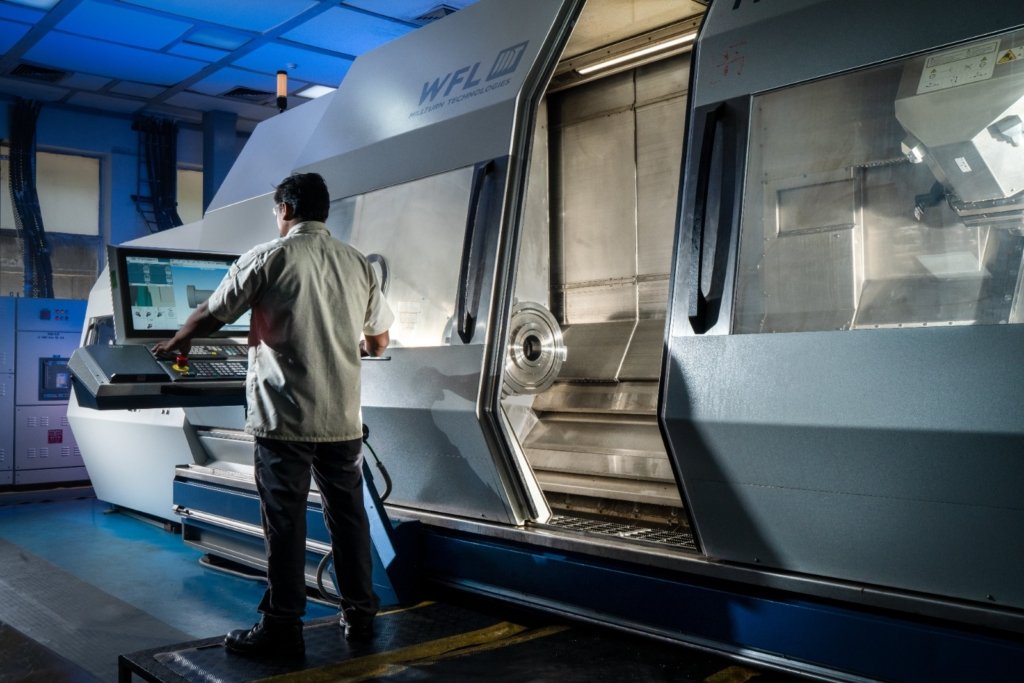
We are focusing on critical processes such as welding. The aim is to improve the welding process, support the operator and identify early signs that something may go wrong.
We are using cameras and other tools to gather information and then develop algorithms around that data. We are also working with simulations.
Our main focus is using AI on the shop floor. It can help train people, improve process consistency and identify early signs of a problem. The intention is not to deskill jobs, but to help employees develop new skills and work more effectively.
Also Read: Godrej Aerospace Builds India’s Case in Global Commercial Engine Supply Chains