











- Middle Eastern airlines are forecast to lose US$4.3 billion in 2026, with passenger demand expected to decline 11.4%.
- The Middle East conflict has exposed the risks of concentrating global air traffic through a single transit corridor.
- The disruption could create an opening for India to attract more international transfer traffic through its airports.
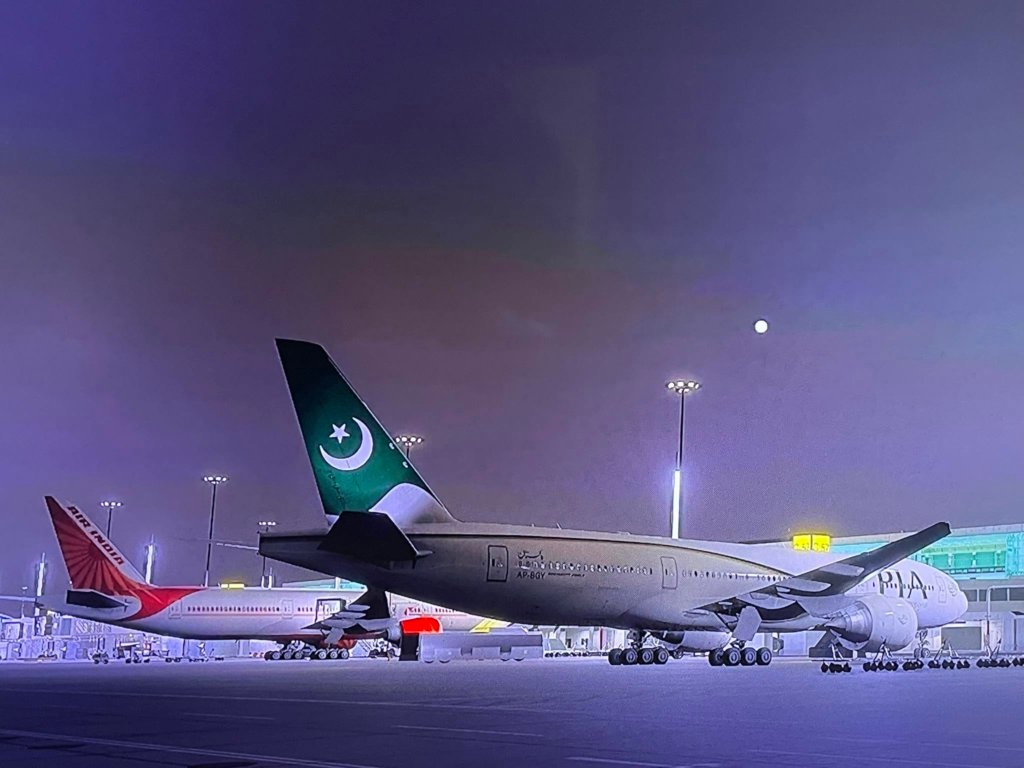
For more than two decades, the Gulf carriers have dominated long-haul connectivity between East and West.
Emirates, Qatar Airways and Etihad built global networks around geography, turning the Arabian Peninsula into aviation’s most important transit corridor.
But discussions at the 82nd IATA Annual General Meeting in Rio de Janeiro exposed an uncomfortable reality: geography can be both an advantage and a vulnerability. The war in the Middle East has revealed how dependent global aviation has become on the Gulf corridor.
IATA’s latest outlook forecasts Middle Eastern airlines collectively losing US$4.3 billion in 2026, making it the only region expected to slip into the red. Passenger demand is projected to fall 11.4 per cent, while capacity declines 4.4 per cent. Net margins are expected at minus 6.1 per cent.
“Sitting at the centre of the shock from the war in the Middle East, the region is expected to generate a net loss in 2026,” IATA said in its Rio outlook.
Willie Walsh was equally direct. “The Gulf carriers face operational uncertainty following a near complete shutdown of airspace at the outbreak of the war,” he said, adding that “major financial impacts are unavoidable.”
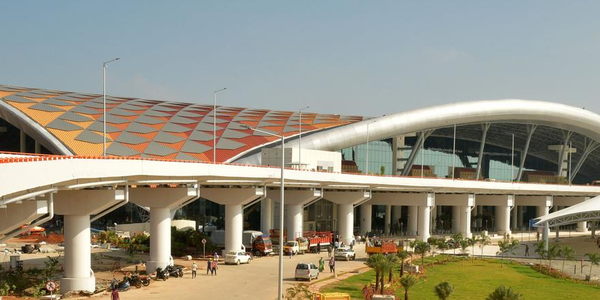
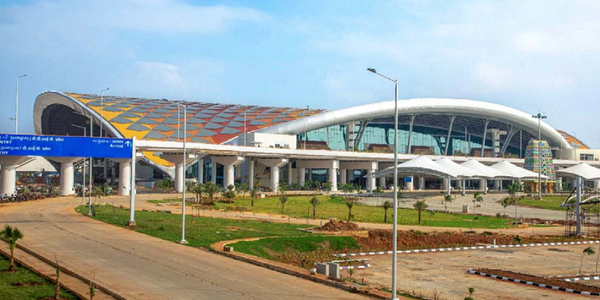
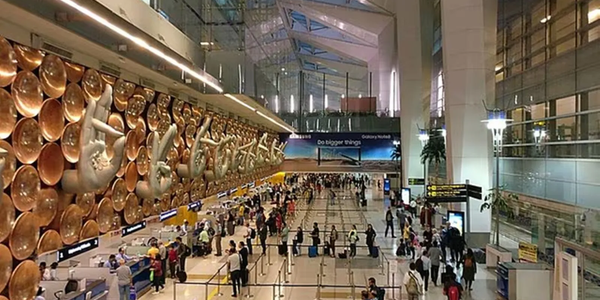
For India, however, the disruption may present the opportunity policymakers and airlines have sought for years: reducing dependence on Gulf hubs and positioning Indian airports as major global transfer points.
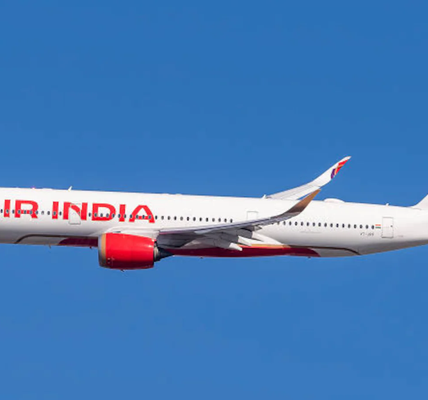
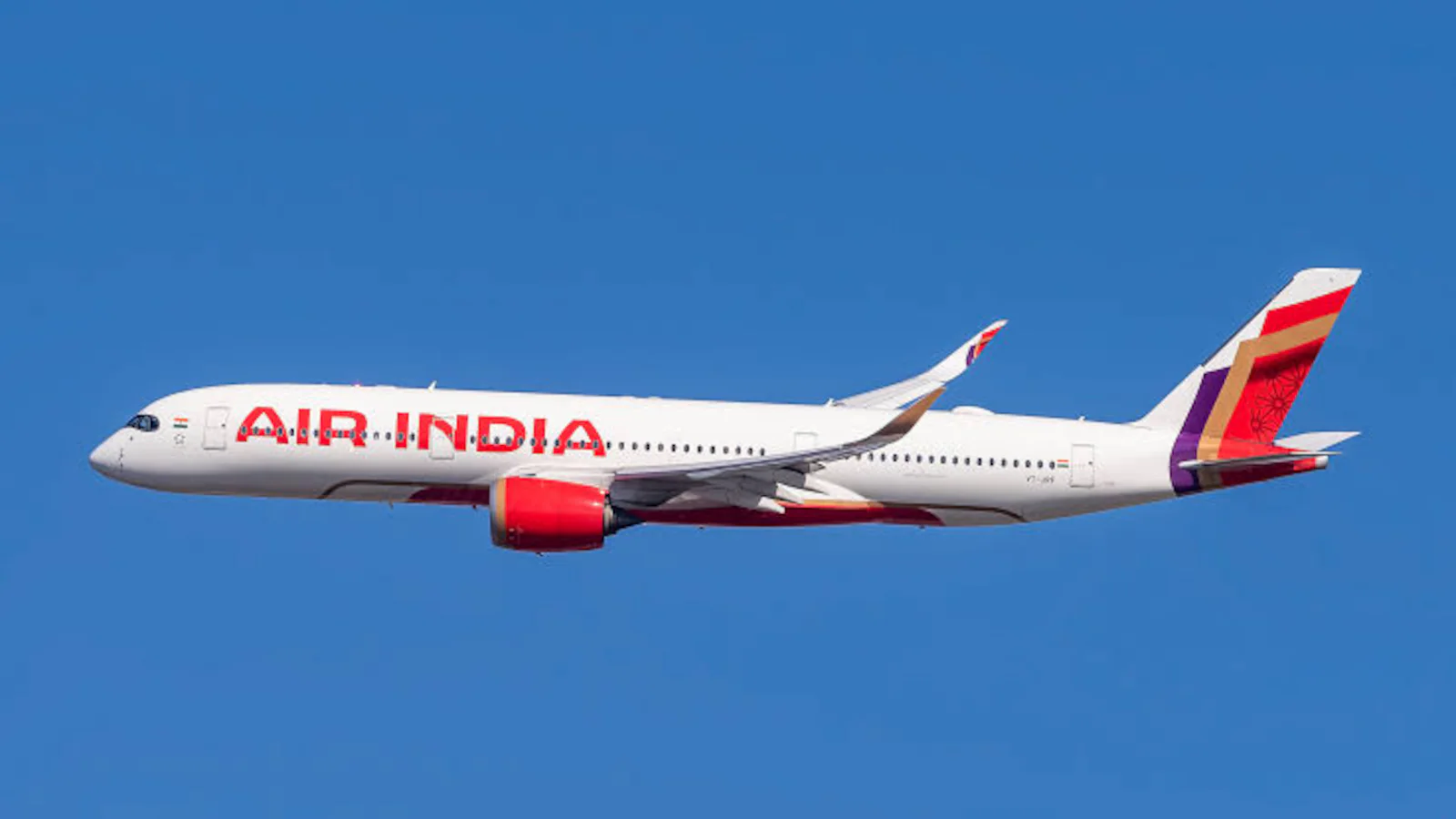
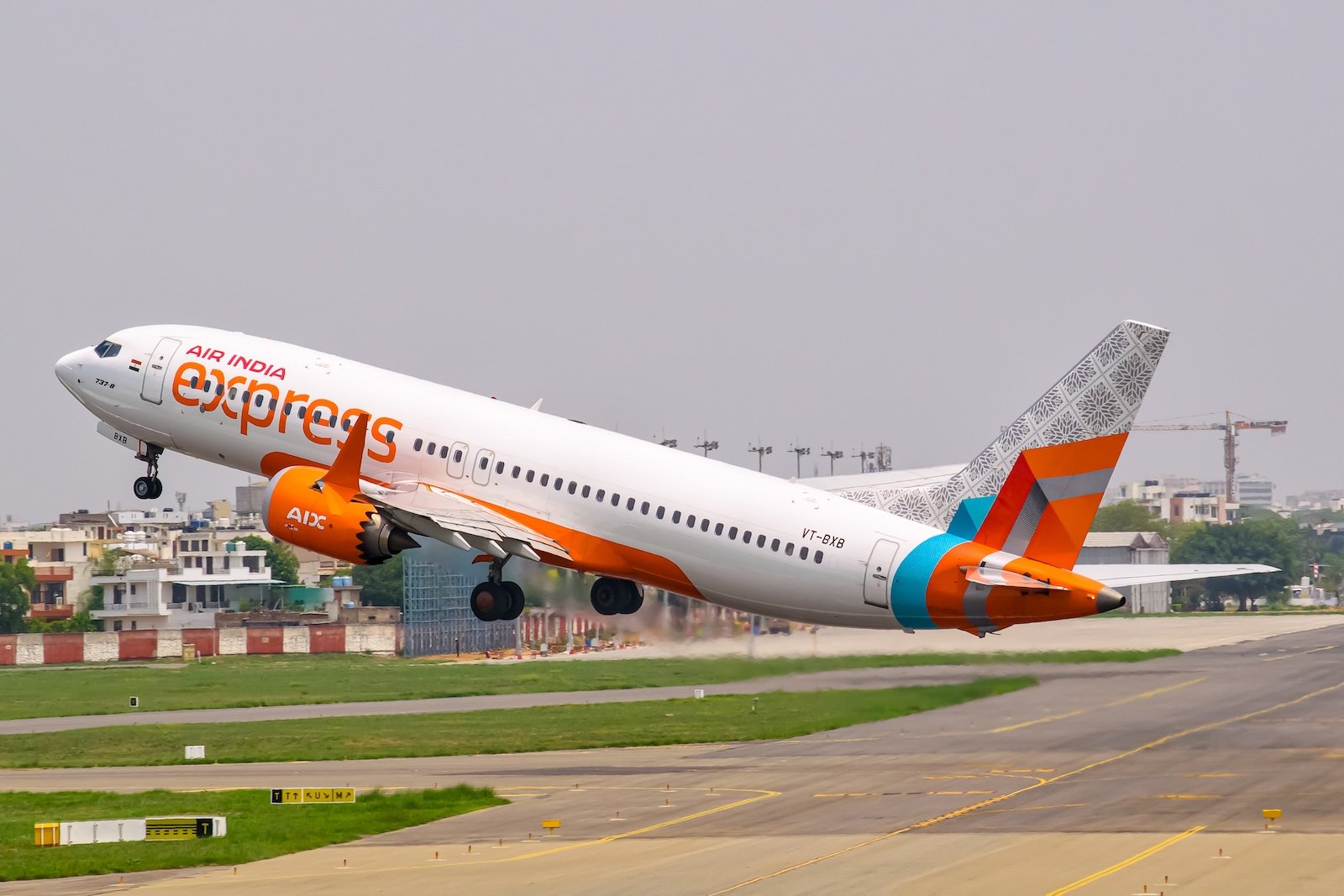
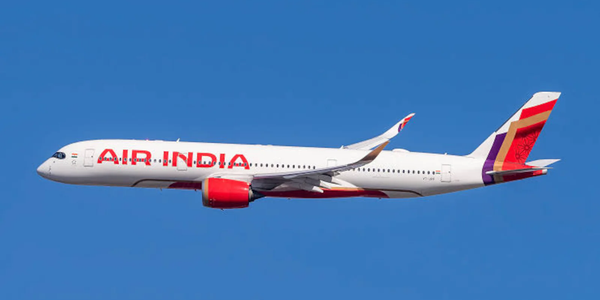
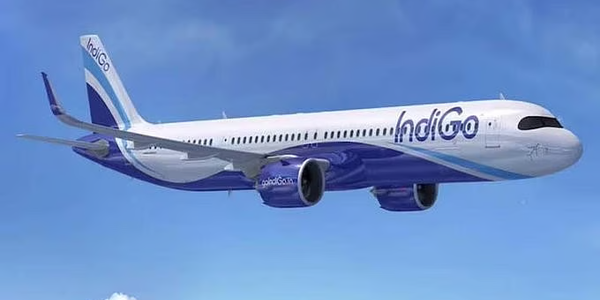
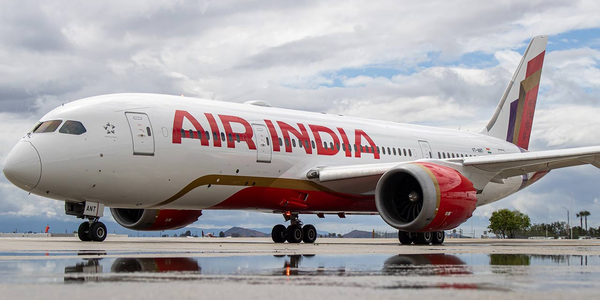
The ambition is not new. Successive governments have spoken of turning India into an aviation hub. Air India under the Tata Group has openly targeted sixth-freedom traffic flowing through Dubai, Doha and Abu Dhabi, while IndiGo’s international expansion points in the same direction.
Until now, Gulf dominance appeared unassailable. Dubai International alone handled traffic volumes most Indian airports could only envy. The Gulf carriers combined liberal aviation policies, modern infrastructure and highly efficient transfer systems, while India supplied much of the passenger base.
The events of 2026 have exposed the risks of that model.
The shutting down of airspace, diversions and operational disruptions have shown the vulnerability of concentrating global traffic flows through a geopolitically volatile region.
The conflict has also pushed fuel prices sharply higher, helping to cut global airline profit forecasts to $23 billion—or about half of what they were expected to be before the crisis.
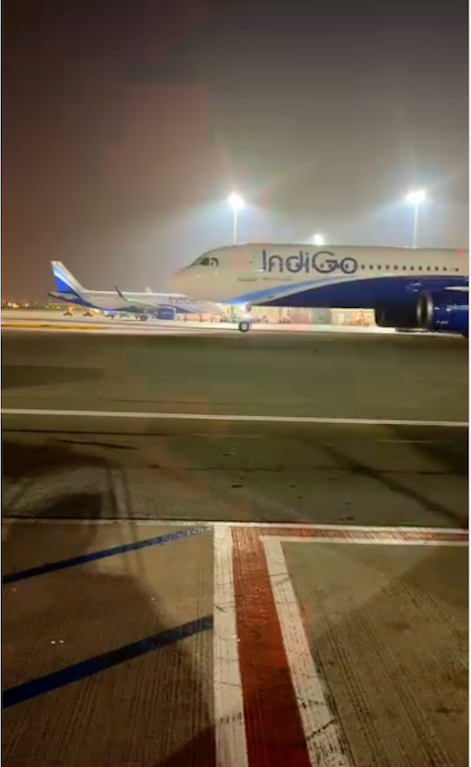
India sits in a potentially advantageous position. The Gulf carriers retain formidable strengths: globally recognised brands, strong premium products and airports with decades of transfer experience.
Walsh himself stressed that the Gulf’s strategic importance remains intact despite current instability. Its geography has not changed, nor has its role as a crossroads between continents.
What has changed is perception.
Resilience is fast becoming as important an issue as efficiency for airlines, governments and investors. Diversification of hubs, routes and supply chains is now being viewed as a strategic necessity.
That shift aligns directly with India’s ambitions. The country is already the world’s fastest-growing major aviation market. The challenge now is converting domestic growth into international influence.
Rio made one thing clear: geopolitics is reshaping the global aviation map as much as economics. For decades, the Gulf sat firmly at its centre. It still does. But the events of 2026 have reminded the industry that no hub is immune to external shocks.
For India, that may represent the best opportunity in a generation to move from being merely a source market for aviation to becoming one of its principal crossroads.
Also Read: How India Taxes Business Aviation Out of Its Own Market

With more than four decades across print and audiovisual media, Tirthankar (TG) Ghosh is a veteran journalist specialising in aviation, air cargo and logistics. His reporting combines deep industry knowledge, original research and sharp analysis to produce authoritative, evidence-led journalism.