








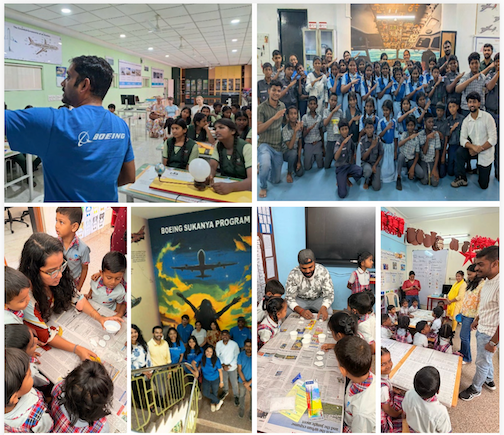
A model aircraft repeatedly collapsing during a school workshop may appear to be a small setback. For the student rebuilding it, the experience became a lesson in patience and persistence.
With the right guidance, frustration gave way to excitement as the model finally took form. The student learned that failure was part of the process and that a difficult problem could be solved by trying again.
A similar change was seen during an airport design challenge. A student who hardly spoke during the initial sessions gradually began sharing ideas, accepting responsibility for tasks and eventually presenting the team’s work.
By the end of the project, the student had also found the confidence to participate and be heard. These experiences show what practical learning can do when children are allowed to experiment.
Aeromodelling introduces students to the basic principles of flight while requiring careful observation, planning and teamwork. Students must test their ideas, identify faults and improve their designs. In the process, technical learning is accompanied by patience, responsibility and the ability to work with others.
The same qualities are developed through robotics, mathematics, coding, communication and aviation design activities. Students learn to explain their decisions, listen to different views and present their work before others. These skills are important in aerospace, where technical knowledge must be supported by careful judgement, clear communication and cooperation between different teams.
Direct interaction with aerospace professionals also changes how students understand aviation. For many, aviation may previously have meant only aircraft and pilots. Classroom discussions introduce them to engineering, aircraft maintenance, design, technology and other areas involved in aircraft operations. Careers that once appeared unfamiliar begin to look more accessible when students meet professionals working in those fields.
The effect can continue beyond the classroom. Young women who received aviation scholarships later returned to schools to discuss pilot training, academic preparation and career choices with younger students. One scholarship recipient offered to guide an aspiring Indian Air Force candidate. Those who were initially supported are now sharing their experience with others.
Learning from the sessions has also continued outside school. Some parents said they planned to discuss lessons from life-skills sessions with their families and in their villages. Students have displayed their work at exhibitions, participated in design challenges and spoken about their projects before wider audiences. Skills acquired during a session are therefore carried into school, home and community settings.
Early exposure to aviation is also relevant to India’s expanding aerospace sector. Fleet expansion, new airports, engineering centres, aircraft maintenance facilities and domestic manufacturing will require people with technical ability and an understanding of aviation. Professional training comes later, but interest often begins at school. Early exposure helps students understand how classroom subjects relate to careers in aerospace.
This exposure is especially important for girls and students who may have limited access to aviation professionals or specialised learning facilities. Aeromodelling, mentoring and hands-on STEM activities cannot guarantee a career in the sector. They can, however, give students the confidence to consider subjects and professions they may otherwise have dismissed. India will need to draw its future aerospace workforce from a wider range of schools, communities and economic backgrounds.
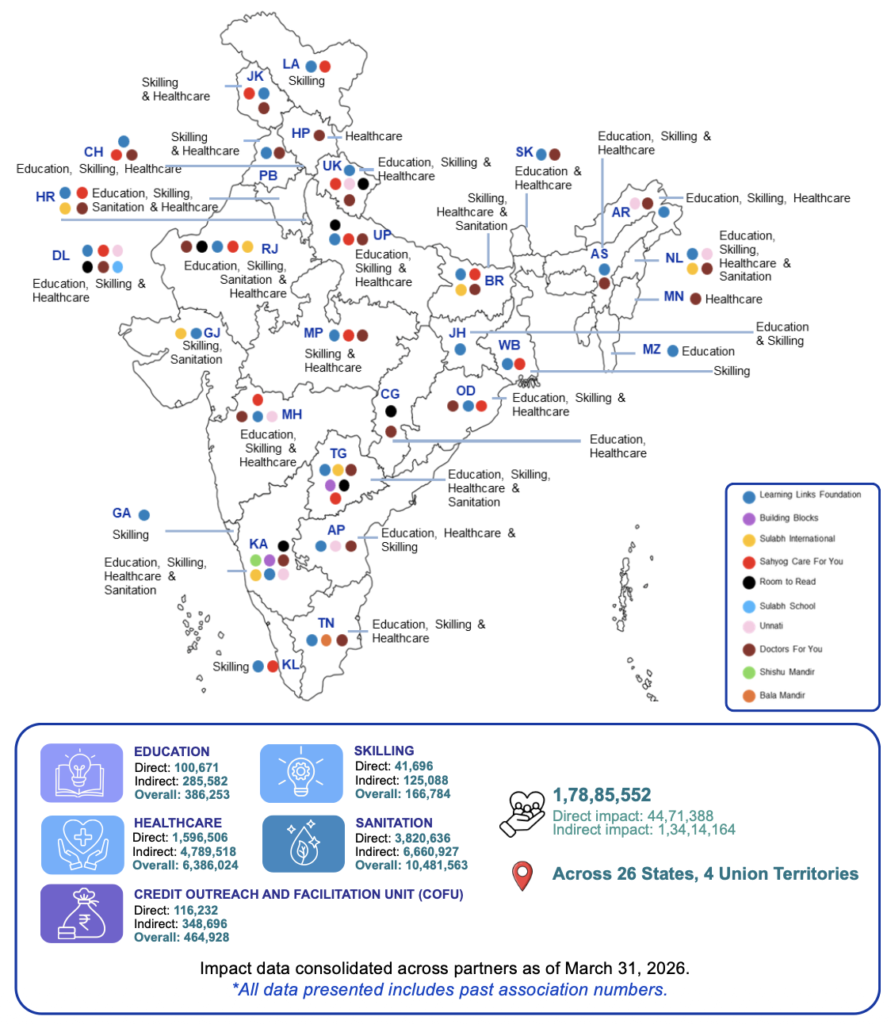
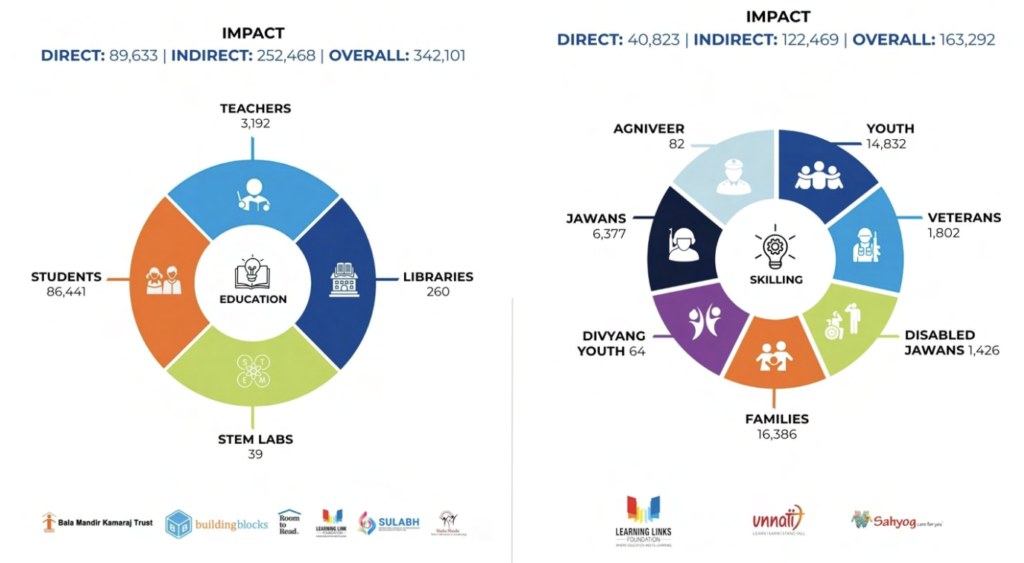
Boeing supports this early exposure through its employee-volunteering programme and partner organisations. Since 2023, more than 200 Boeing employees have contributed over 7,571 hours across nine Boeing Global Engagement partners working in education, skill development, healthcare, sanitation and financial inclusion.
Through the programme, employees contribute their time and professional knowledge in classrooms and community spaces. These interactions have also strengthened their communication, mentoring and leadership skills.
The numbers indicate the scale of the effort, but its greater value lies in stronger community partnerships, students gaining skills and confidence, and more of them beginning to see a place for themselves in India’s aerospace future.
Also Read: Where India’s Next Generation of Women Aviators Takes Shape

Aviation Jeta is an aviation news platform covering airlines, airports, aircraft, and global aviation developments. We publish accurate, well-researched, and detailed aviation news and industry insights from around the world.