












Atech iFPFMS Integrates Flight Planning and Air Traffic Flow Management

Atech’s Integrated Flight Plan and Flow Management System, or iFPFMS, combines flight-plan processing with tools for assessing traffic demand and managing available airport and airspace capacity.
Developed by the Embraer Group company in partnership with Brazil’s Department of Airspace Control (DECEA), the system has been in full operation across Brazilian airspace since 2024.
A flight plan provides information about an intended flight, including its route, timing and aircraft details. Processing that plan involves checking the submission and distributing it to the relevant services.
Traffic-flow management also needs to assess how the flight fits within the wider network, where weather, airspace restrictions and limited airport or sector capacity can affect operations.
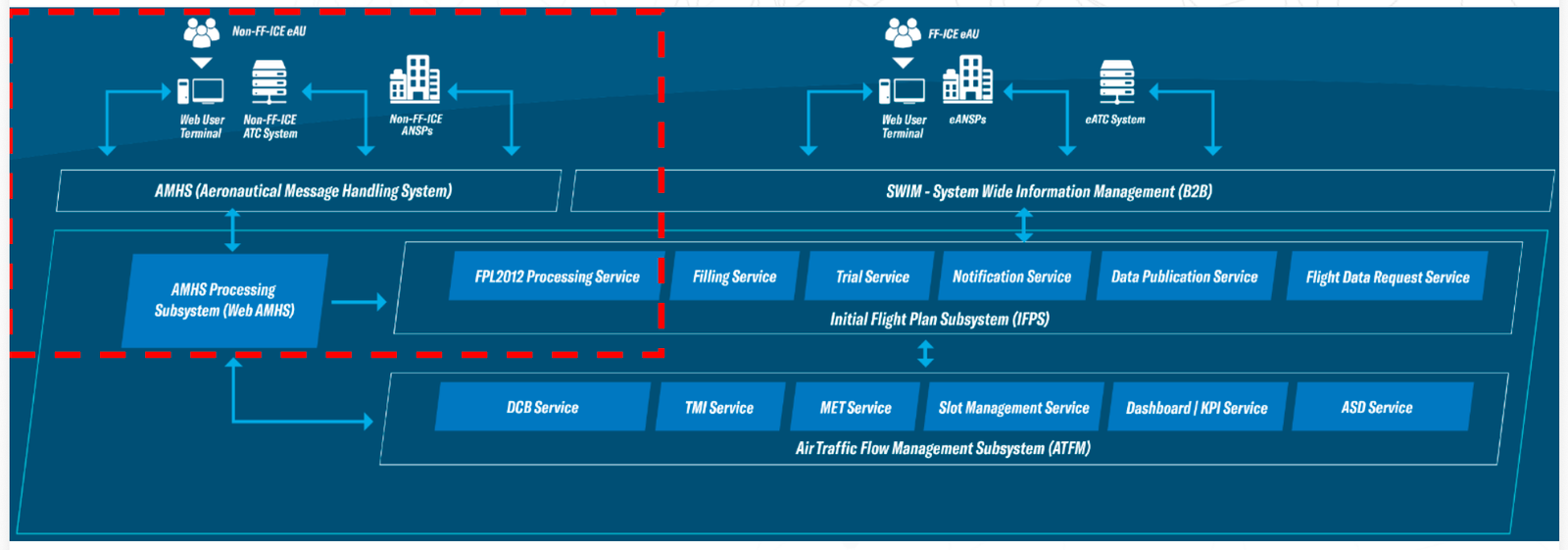
iFPFMS connects these tasks through two subsystems. The Initial Flight Plan Subsystem handles flight-plan processing and information exchange. The Air Traffic Flow Management subsystem provides demand and capacity monitoring, traffic-management measures, meteorological information, slot management and operational displays.
The architecture supports conventional ICAO 2012 flight-plan messages alongside services for Flight and Flow Information for a Collaborative Environment (FF-ICE). This allows flight-plan processing and traffic-flow assessment to be linked while accommodating different methods of exchanging information.
Flight-plan filing and route assessment
For conventional messaging, iFPFMS processes flight plans through the Aeronautical Message Handling System (AMHS). A browser-based interface provides preformatted forms for flight-plan, aeronautical information and meteorological messages. Airline dispatchers, airport operators, aeronautical information offices and general aviation users can access this interface.

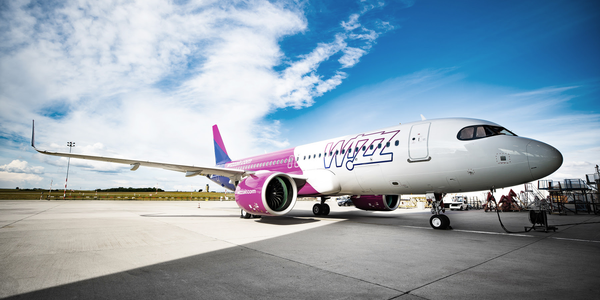
conditions. Photo: Atech
The flight-planning application allows users to consult aeronautical charts, NOTAMs and weather information while preparing a route.
Once the flight is planned, the application generates a flight plan and submits it for processing by the flight-plan and flow-management subsystems.
Users can assess proposed route and flight-level changes through a trial service. The system checks the proposals against constraints such as special-use airspace, weather conditions and time slots.
Where a constraint affects the proposed flight, it can suggest alternative options.
The trial function supports the assessment of a proposal before filing. Within FF-ICE, a trial service allows an operator to obtain feedback on a proposed flight plan without formally submitting it as a filed plan.
Processing feedback identifies errors and warnings, allowing users to revise their submissions. Where traffic demand exceeds available capacity, the system can propose an alternative route or a change to the estimated off-block time, the planned time at which an aircraft leaves its parking position.
Users can also follow the progress of a flight plan through a chronological record of its distribution and changes. A unique flight-plan identification provides access to this history. Flight-data request services support the retrieval of flight information, allowing users to check details and processing status.
Managing traffic demand and operational constraints
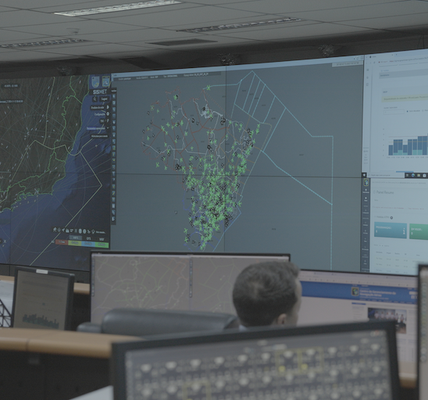
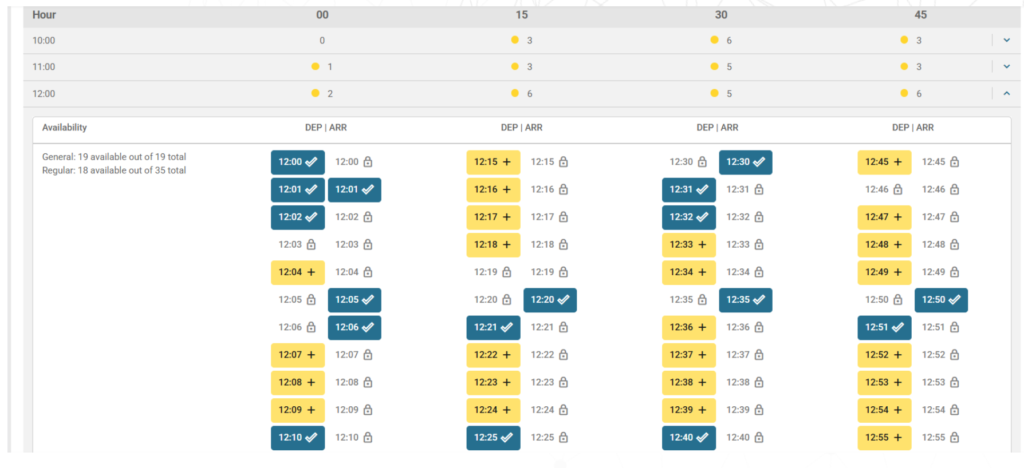
The flow-management subsystem compares traffic demand with available capacity. Its displays help flow managers identify periods when planned traffic may exceed the capacity of an airport or airspace sector.
This forms part of Atech’s wider ATFM approach, which uses a modular system to anticipate demand, balance capacity and coordinate decisions across the airspace network.
iFPFMS provides a web environment for collaborative decision-making, allowing stakeholders to examine traffic-management proposals with flow managers. During a coordination session, the flow manager can run “what-if” scenarios to assess measures such as rerouting, sector balancing and aerodrome delays.
Participants can discuss the proposed measures and request changes to slot allocations. Where renegotiation is required, flow managers can reassess the restriction and work towards an agreed solution. The process connects the assessment of demand and capacity with the operational requirements of the users affected.
Meteorological information is incorporated into the same assessment. The weather service processes Terminal Aerodrome Forecasts (TAFs) to identify periods when forecast conditions could affect aerodrome operations. A colour-coded timeline indicates whether conditions are forecast to be above visual flight rules minima, below those minima, or below instrument flight rules minima.
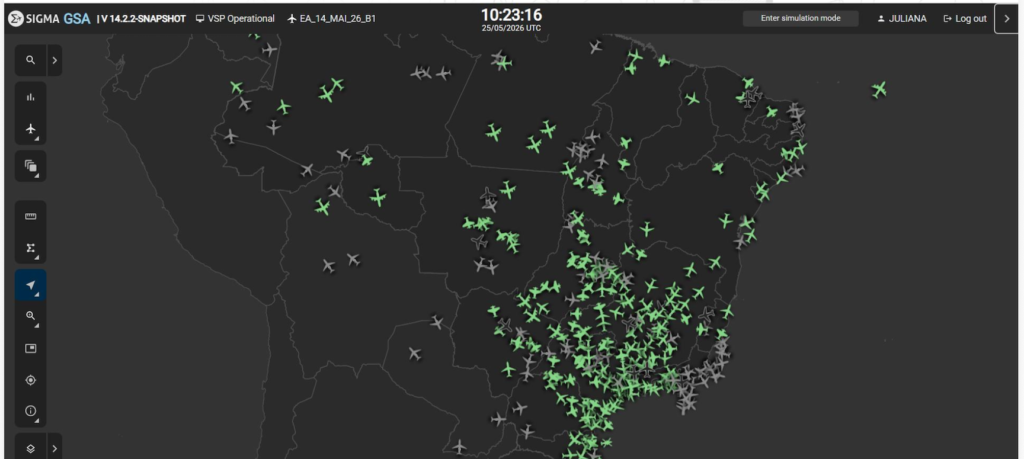
The air situation display combines aircraft tracks, processed weather information and sector-capacity data on a map. This allows flow managers to examine traffic alongside the conditions and capacity affecting it.
Slot-management displays provide a view of allocations, while dashboards present operational indicators. These functions allow users to examine individual flight information as well as traffic demand across airports and airspace sectors.
Information exchange and FF-ICE readiness
iFPFMS incorporates System Wide Information Management (SWIM) for exchanging information with FF-ICE-enabled airspace users, air navigation service providers and air traffic control systems. Its flight-plan subsystem includes filing, trial, notification, data-publication and flight-data request services.
SWIM provides a framework for sharing aviation information between systems and organisations. FF-ICE uses this environment to support more detailed flight-data exchange and coordination between aircraft operators and air traffic management services.
The first FF-ICE release mainly covers pre-departure information exchange. Its services support flight planning, filing, updates, cancellation and the exchange of flight information. A second release addresses post-departure negotiation between airspace users and air traffic management service providers.
Support for conventional flight-plan messages remains relevant during this transition. Operators and service providers adopt new exchange methods at different times, requiring systems to accommodate existing messaging alongside SWIM-based services.
Atech positions iFPFMS around preparation for the anticipated cessation of the ICAO 2012 flight plan in 2034, a date identified in ICAO’s implementation work. Its architecture provides for conventional processing and FF-ICE-related services, although the available sources do not establish that all of those services are already operational throughout Brazil.
For dispatchers, the system connects route preparation, constraint assessment and processing feedback. For flow managers, it brings flight intentions into demand and capacity assessment, with weather information and scenario testing supporting decisions on routes, delays and slots.
Also Read: History of Air Navigation – Part I: The Origins of Navigation from Sea to Sky

Aviation Jeta is an aviation news platform covering airlines, airports, aircraft, and global aviation developments. We publish accurate, well-researched, and detailed aviation news and industry insights from around the world.