












- The delivery of the 1,900th aircraft marks Embraer’s two-decade transformation of its E-Jet family into a cornerstone of regional aviation, with the company forecasting demand for approximately 10,500 sub-150-seat jets and turboprops through 2044.
- Airlines worldwide — from Azul and KLM Cityhopper to Star Air in India — are using E-Jets to link secondary cities directly, cutting travel time and opening routes that larger jets cannot serve profitably.
- The next generation E-Jet E2 series brings significant efficiency gains — including up to 29 % lower fuel burn per seat and quieter operations — yet the company faces supply-chain constraints (notably engines and structural components), which are impacting delivery schedules despite robust backlog.
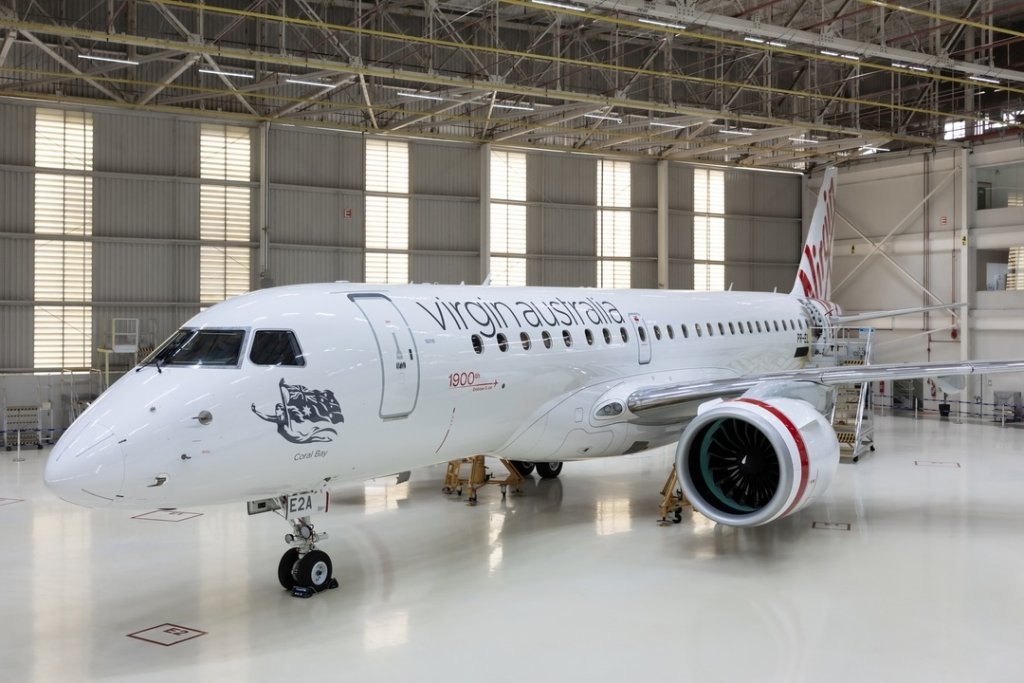
When an Embraer E190-E2 wearing a celebratory ‘1900th E-Jet’ decal touched down in Perth in early September, it marked more than a handover to Virgin Australia Regional Airlines. It was a visible milestone in two decades of steady evolution for a family of jets that continues to reshape regional flying.
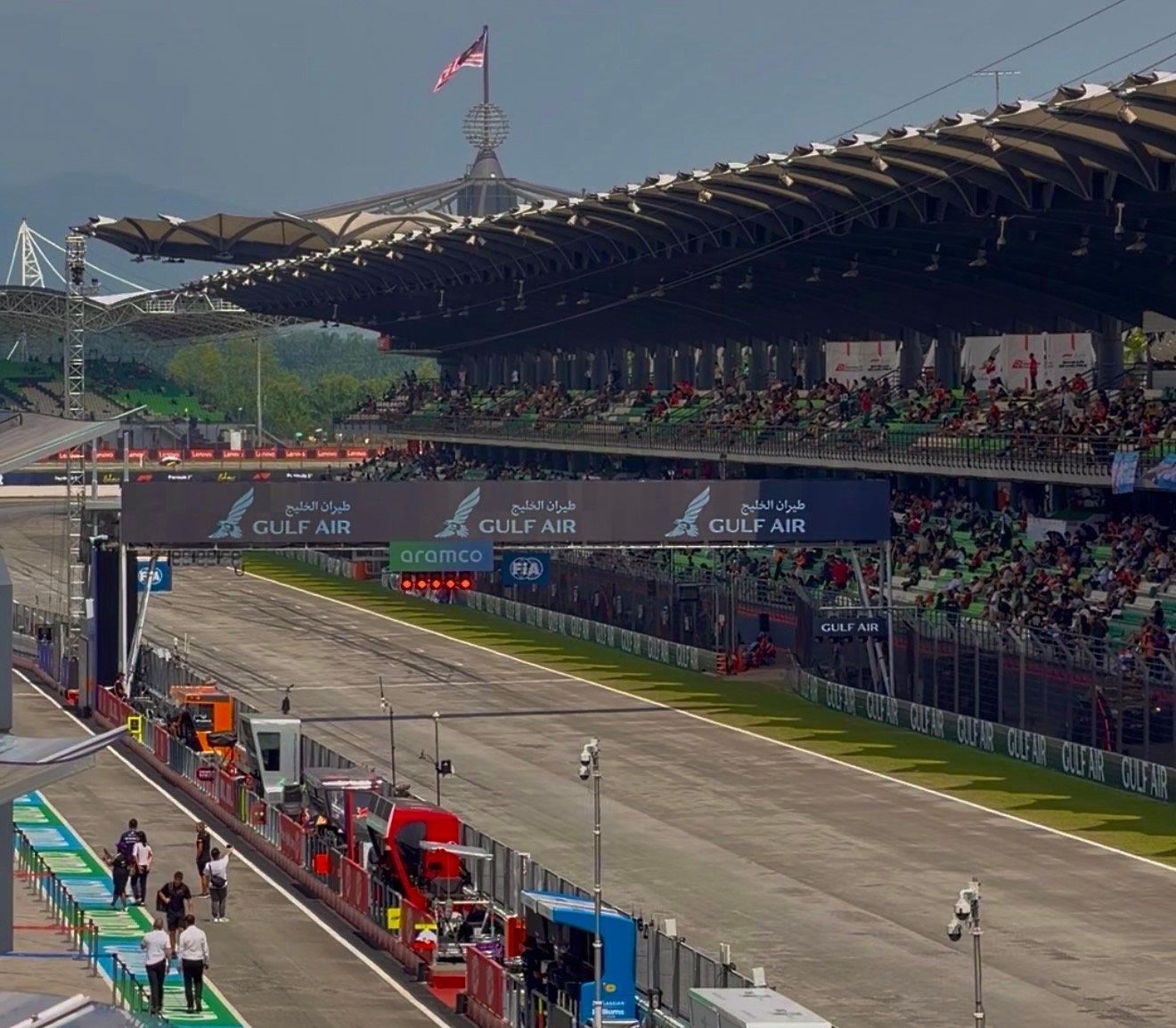
There is no looking back for Embraer. This has been succinctly put across by the Embraer CEO Francisco Gomes Neto at the Asean Business and Investment Summit in Kuala Lumpur recently, where he stated, “increasing demand for narrow-body aircraft is opening up more opportunities for the company, despite supply chain issues.”
The timing of the 1,900th delivery comes as Embraer publishes bullish long-term forecasts. In its Market Outlook 2025, the company forecasts demand for roughly 10,500 sub-150-seat jets and turboprops through 2044, driven by fleet replacement, regional connectivity and the need for mixed fleets that can match capacity to demand.
For Embraer, that outlook translates into sustained opportunities for E-Jets and turboprops alike, particularly in regions where point-to-point travel and secondary city connections are growing fastest.
Point-to-Point Model, Compelling Alternative
The point-to-point model is fast emerging as a compelling alternative to the conventional hub-and-spoke model, and regional airlines are mainly benefiting from this. Direct flights between city pairs are redefining air travel for millions of passengers worldwide, offering flexibility, efficiency and customer satisfaction.
Some of the airlines which have benefited from the model, as well as the type of aircraft (Embraer), include the KLM Cityhopper (30 E190 aircraft); Alliance Airlines (34 E190); Azul Linhas Aéreas (36 E2 and nine on order and 27 ERJ190); Tianjin Airlines (31 E190) and many others.

In Brazil, Azul has built its entire network philosophy around the Embraer E195. From its main base at Campinas-Viracopos Airport, Azul’s E195s fan out to over a hundred destinations, with direct, no-transfer routes.
Among its signature routes are Campinas to Belo Horizonte, a 570 km hop that sees multiple daily flights, and Campinas to Fortaleza (2,310 km distance), underlining the jet’s range. By operating these direct flights, Azul has captured market share on routes traditionally dominated by long connections through São Paulo or Rio, while giving smaller Brazilian cities new economic lifelines.
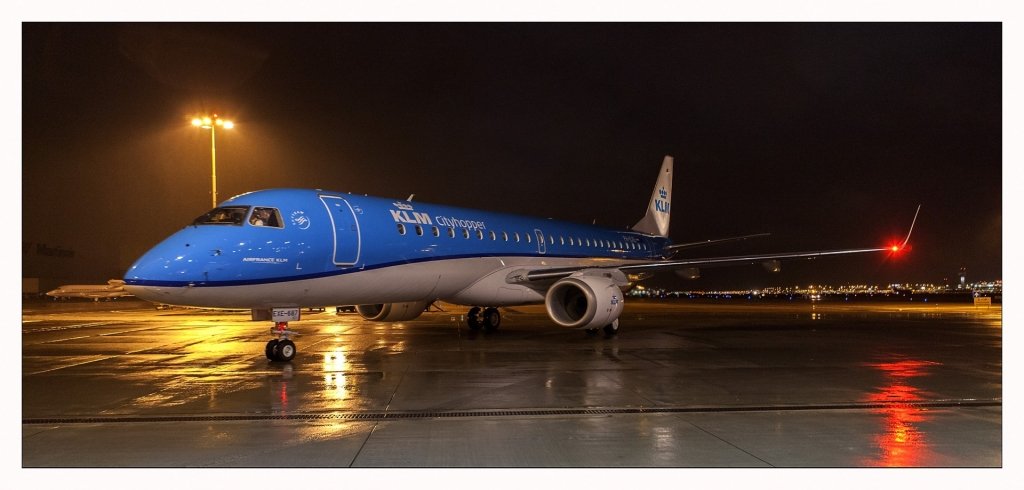
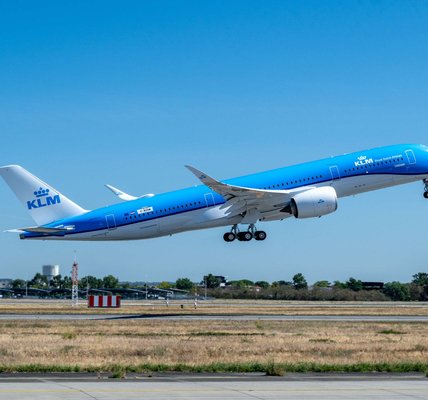
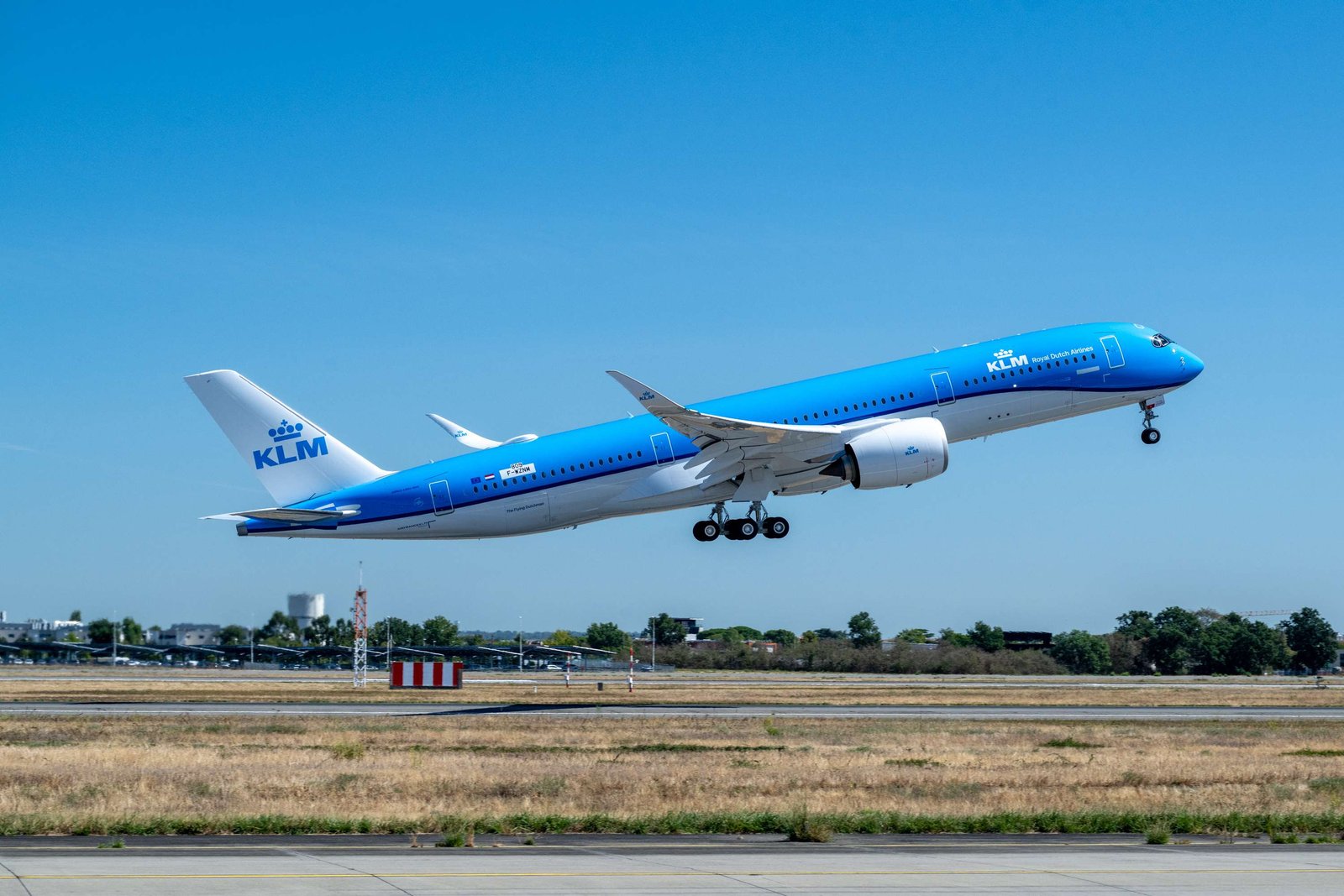
In Europe, it is the KLM Cityhopper which is doing the point-to-point flights and on a continental scale. The E-Jets aren’t just flying short shuttles, they are linking Amsterdam to key European capitals on non-stop routes that fit the E-Jet’s sweet spot of 500 to 1,000 km.
Cityhopper’s fleet routinely ply routes such as Amsterdam to Oslo, a 920 km journey, and Amsterdam to Copenhagen, a 635 km sector, offering the same onboard comfort and reliability as larger mainline jets but at a fraction of the operating cost.
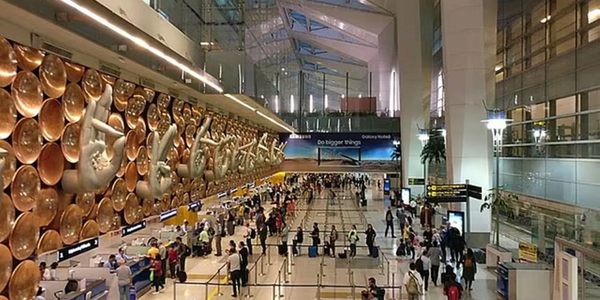
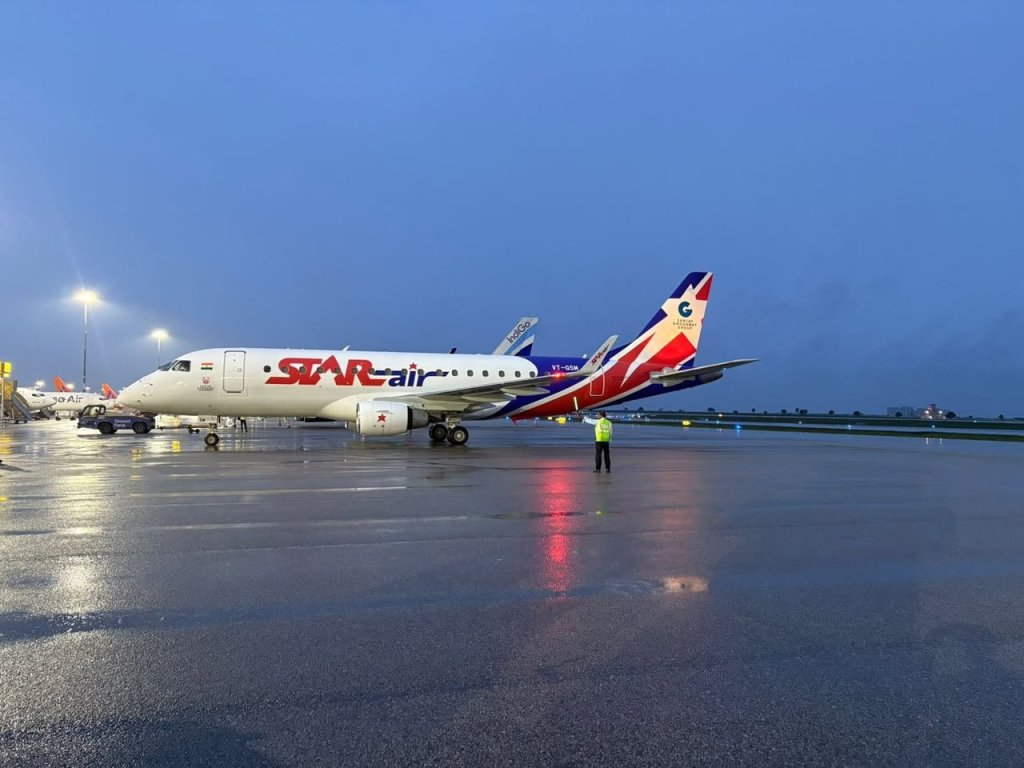
In India, Bengaluru-based Star Air is the only operator of Embraer jets. Presently, they have four E175s and five E145s, but have ambitious plans of acquiring 25 more aircraft in the next three years. Currently, Star Air is serving 30 routes across India’s Tier 2 and Tier 3 cities with hubs at Kempegowda International Airport in Bengaluru and Rajiv Gandhi International Airport in Hyderabad.
It is inducting four jets in FY2026. The fleet expansion reflects Star Air’s commitment to ‘Connecting Real India’ by enhancing access to air travel for underserved regions and reinforcing the Government of India’s UDAN (Ude Desh Ka Aam Nagrik – the common man will fly) initiative.
What makes the E-Jets tick for the regional aviation segment? The E-Jet family has a broad, lasting appeal to airlines that value frequency, reliability, and low trip costs on short- and medium-haul routes.
The E-Jets have been the backbone for many regional and regional-to-mainline feed operations worldwide, helping carriers open thinner routes and increase flight frequencies with aircraft that feel and largely operate like “big jets” in a smaller package.
What the E2 generation brings
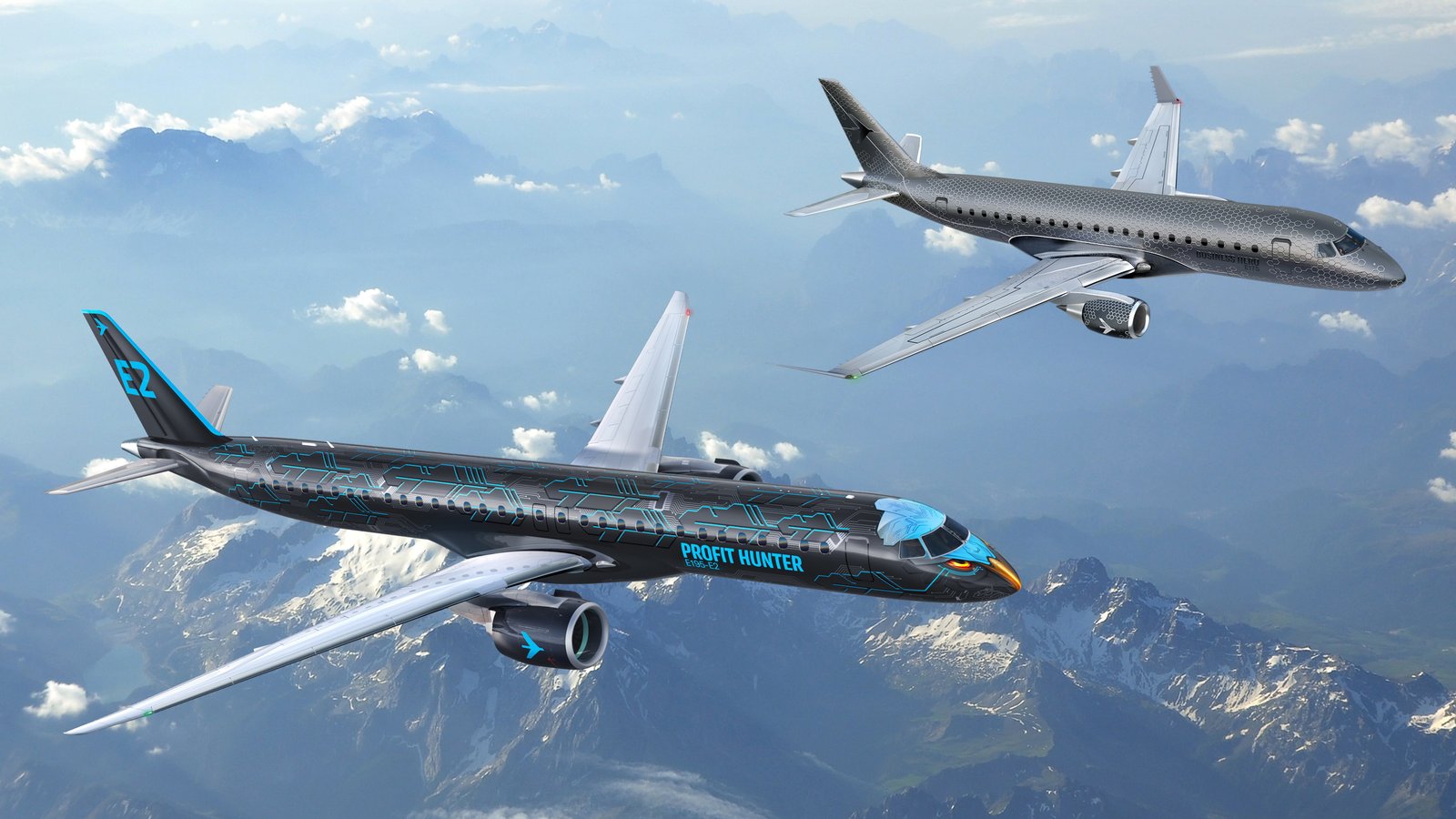
The E2 re-engined family is the linchpin of Embraer’s push to keep the E-Jets current. Compared with first-generation E-Jets, the E2s deliver fuel, noise and emissions improvements thanks to newer Pratt & Whitney geared-turbofan engines, aerodynamic refinements and weight optimisations.
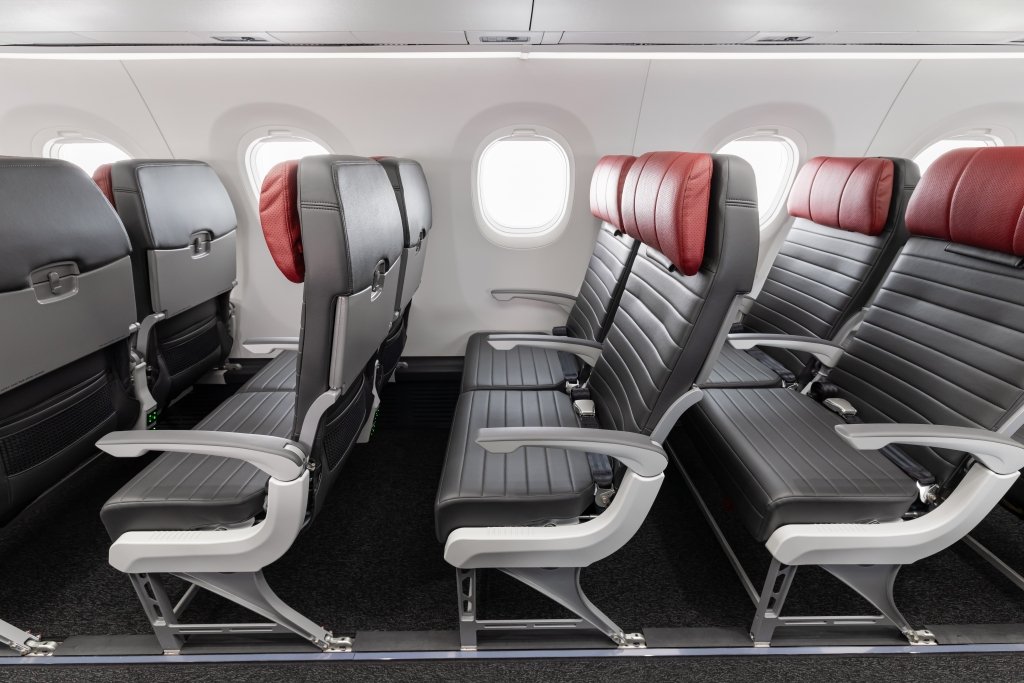
Embraer’s E2 pitch includes up to 30% lower fuel burn per seat on certain mission profiles and quieter operation. There is a 90% increase in capacity, allowing one IATA standard size carry-on baggage per passenger compared to first generation E-Jet. It allows operators to go for staggered seating (for business class), providing more personal space and privacy, while enabling airlines to reconfigure cabin layout to their own specifications.
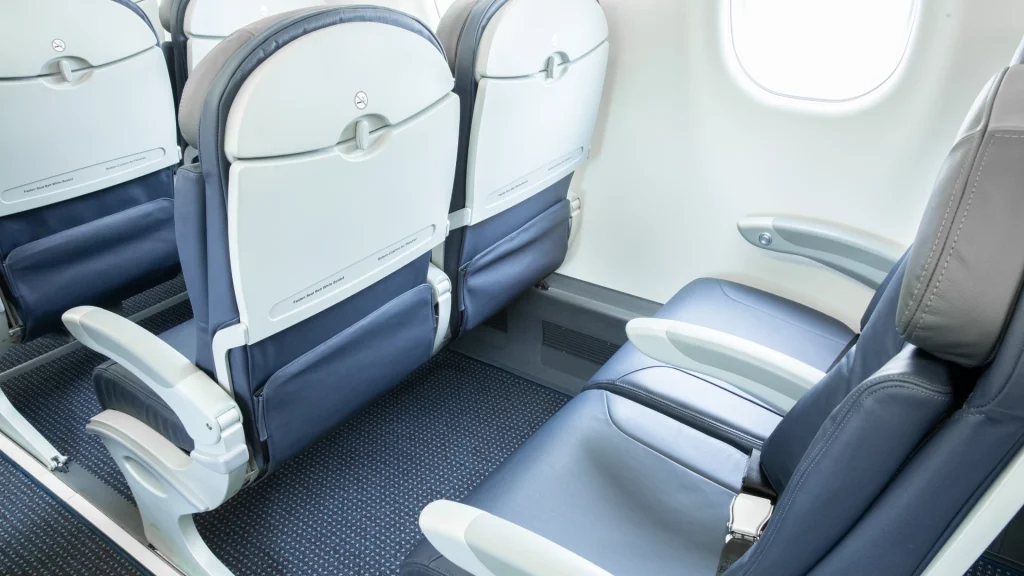
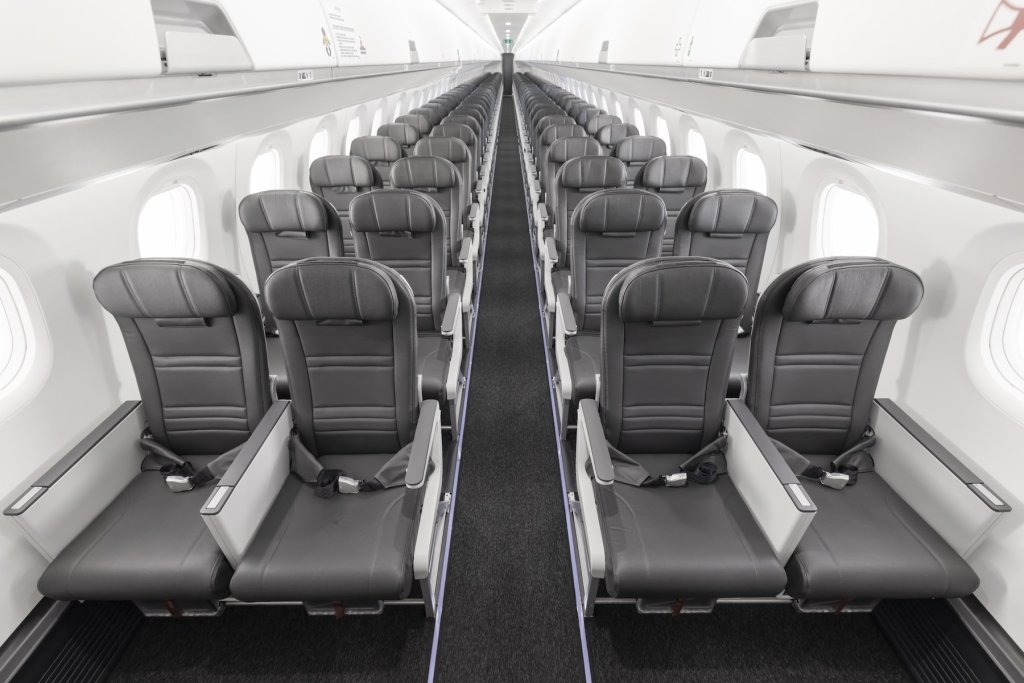
These are assured benefits as airlines wrestle with tighter environmental rules and higher fuel costs. The E2 cabin retains the passenger-friendly two-by-two layout with no middle seats, giving every passenger a window or aisle, a simple product differentiator that helps on short sectors where speed of boarding, baggage stowage and cabin comfort matter.
The largest aircraft in the E-Jet E2 family, the E195-E2 has been designed to maximise returns and efficiency on high-frequency routes. With its highest-aspect ratio wings, 4th generation full fly-by-wire, combined with other aerodynamic improvements, the E195-E2 achieves –29% lower fuel consumption compared to previous-generation E-Jets.
New Route Economics, Airlines See Value in it
E-Jets slot neatly between smaller regional turboprops and larger single-aisles, letting carriers run higher frequency services without incurring the unit costs of larger jets. Virgin Australia’s plan to use E190-E2s to replace Fokker 100s on island and resource sector routes illustrates the kind of route network planning the airline has. The result is lower fuel burn, lower noise and improved range, translating to new route economics and connectivity to secondary cities.
It is not that everything is hunky-dory. Supply chain issues are staring in the face of original equipment manufacturers (OEMs) and Francisco hopes that there would be a turnaround by 2027. Embraer has flagged engine supply and structural component availability as constraints in recent production cycles, strong demand notwithstanding. These bottlenecks are affecting delivery schedules and airline fleet plans.
Record Backlog of Orders
Embraer Commercial Aviation reported an eight-year backlog record of US$13.1 billion in the second quarter of 2025 (the previous record for the division was US$13.4 billion in the fourth quarter of 2017).
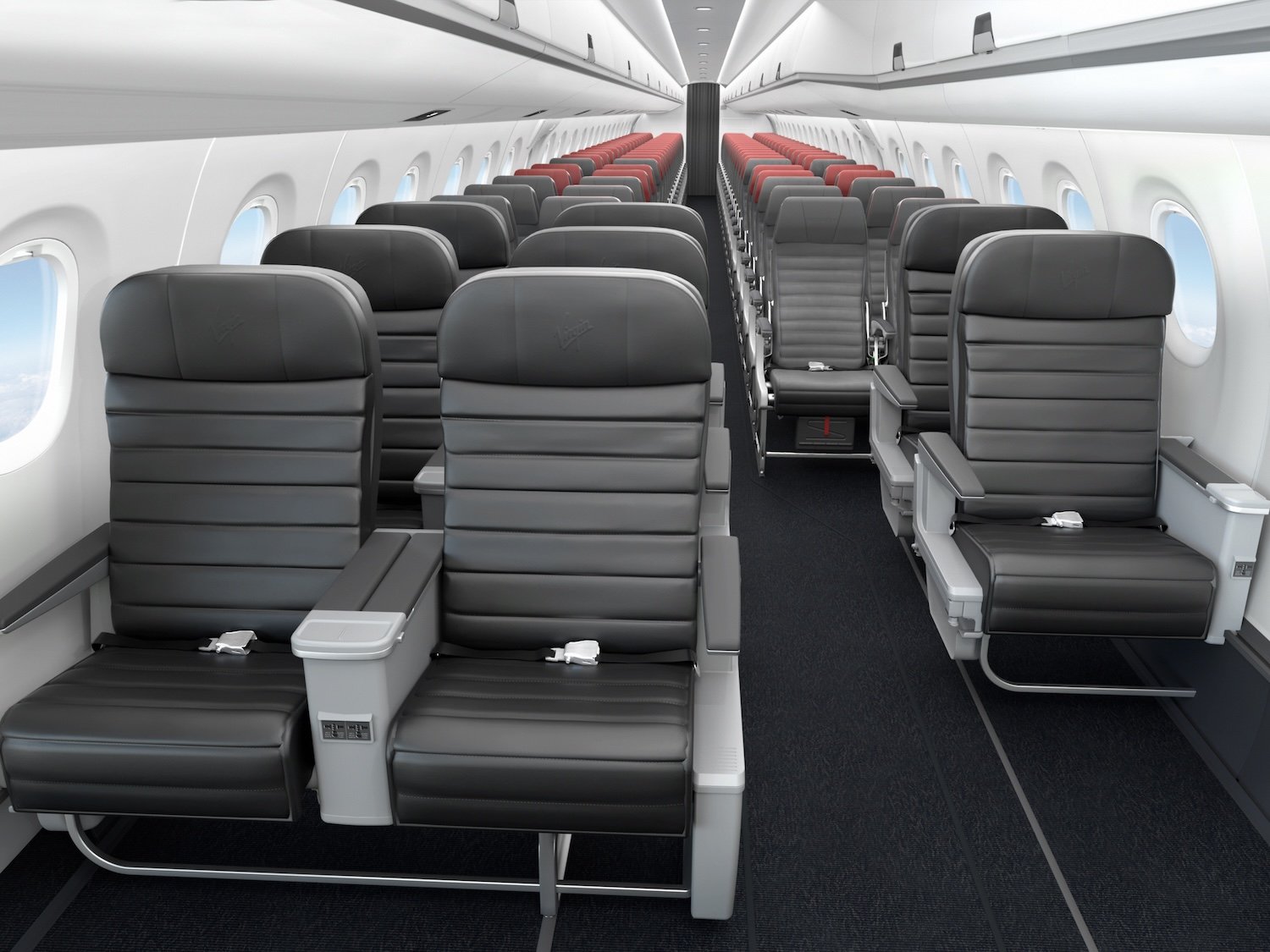
Photo: Virgin Australia
The backlog increased by 31% from the first quarter of 2025, indicative of ongoing supply chain issues.
While that wasn’t enough, Embraer continues to fight competition from larger narrow-body types on dense routes and from ultramodern single-aisle in the 150-seat sector, thus reducing margins and fluctuating market share.
However, the good news is that during the quarter, Embraer received a firm order from SkyWest for 60 E175 aircraft with purchase rights for 50 additional units. Meanwhile, Scandinavian Airlines (SAS) entered into an agreement to acquire 45 E195-E2 aircraft, with purchase rights for 10 additional units, the largest SAS jet order direct from a manufacturer over the past 30 years.
From a single prototype’s maiden flight in 2002 to becoming one of the most widely used small narrowbodies in the world, the E-Jet story has come a long way.
For the record, every second, four passengers board an E-Jet; three E-Jets take off every minute; in 20 years, 2.5 billion people have flown on E-Jets and over 90 airlines in about 60 countries operate them.
The E-Jet family has proven its utility and commercial staying power. How quickly Embraer turns the next thousand into delivered aircraft will depend on supply chains, airline balance-sheet strength, and the pace at which carriers opt to modernise regional fleets.
Also Read: Embraer Backlog Soars to Record US$31.3 Billion in Q3 2025

Chandrakanth R has over four decades of journalism experience, including 25 years as Chief Reporter at The Hindu and four years as Editor of Media One, Dubai. Since returning to India, he has specialised in aerospace and defence and regularly covers major international industry events.