








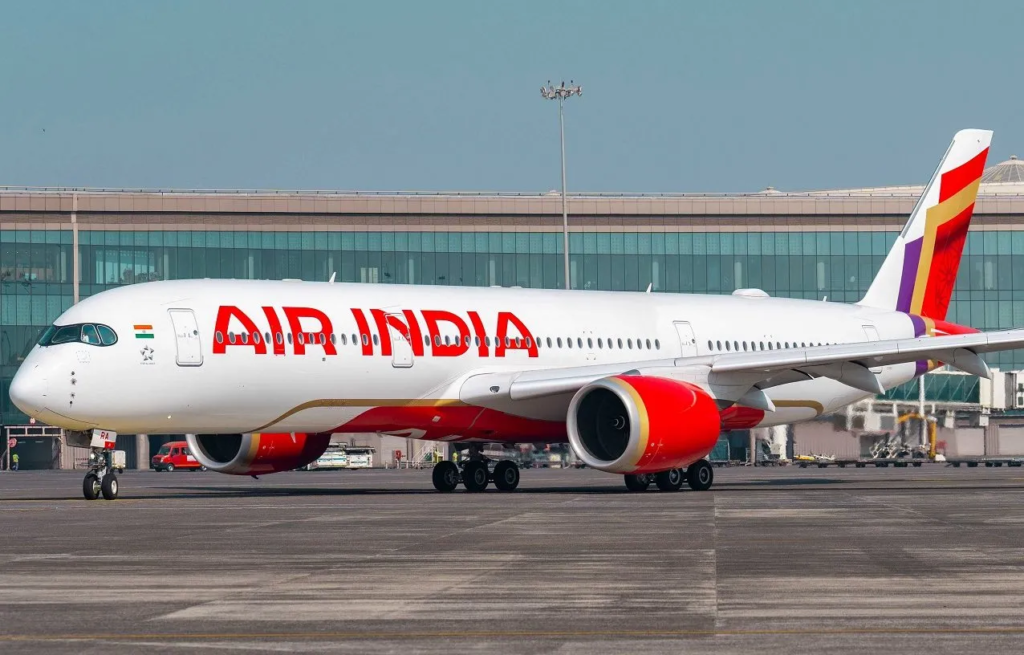
Barely two months into the job, Air India chief executive Tewolde Gebremariam has begun reworking the airline’s finances and network along lines he followed at Ethiopian Airlines. The early signs suggest a carrier that will first stem the losses, trim what does not pay and squeeze more out of what it already has, while continuing to pursue international expansion.
Air India is still weighed down by heavy losses, closed Pakistani airspace and high fuel prices. Gebremariam’s first task is to bring unit costs below unit revenues, and the changes so far are aimed squarely at that.
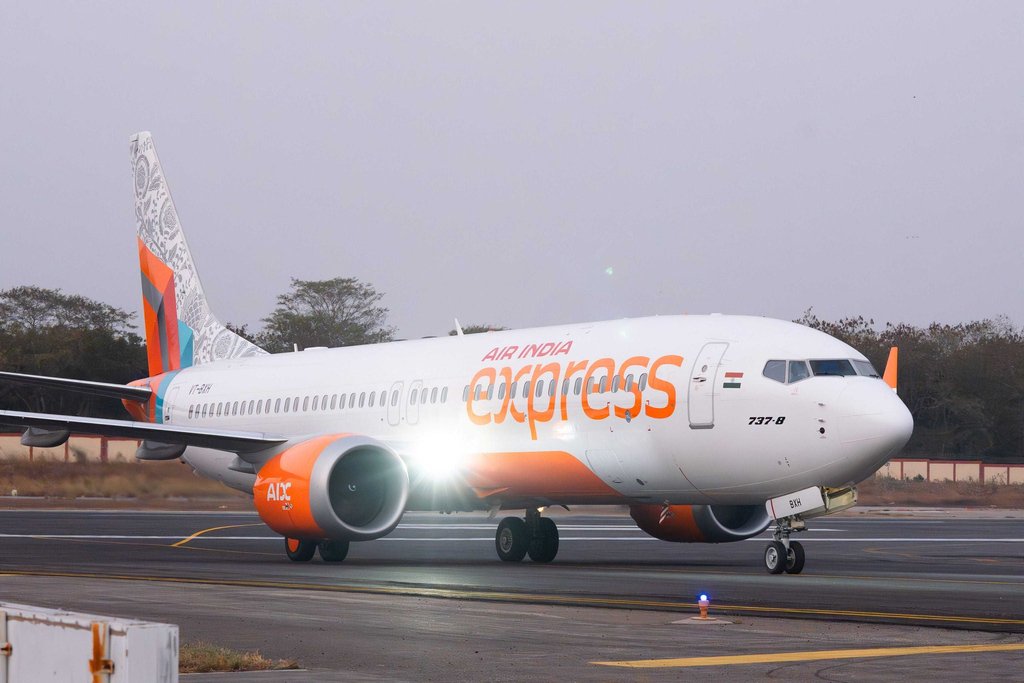
Air India is considering appointing a new finance chief from outside the airline. An internal cost-control team has been set up, while the airline is working to integrate corporate functions and resources with its low-cost arm, Air India Express, to reduce duplication.
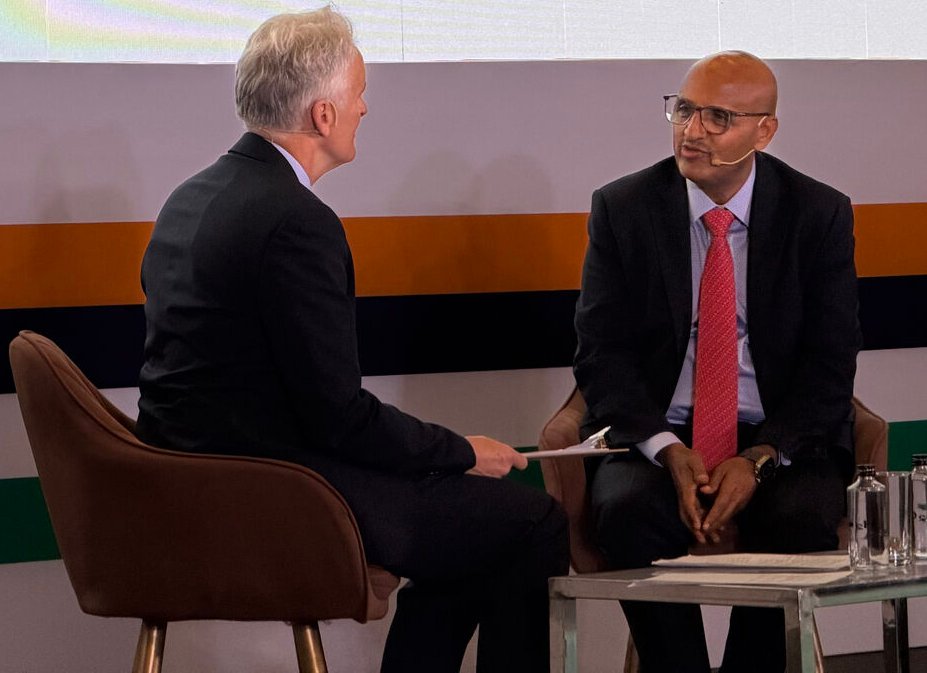
Sean Mendis, a veteran aviation executive and consultant with more than two decades of experience across Africa, who is familiar with Gebremariam’s leadership, said, “Tewolde’s track record in terms of cost control is one of system reliance. He is not someone likely to make a grand strategic gesture to reduce a big headline cost, but rather to develop a system that consistently delivers the same result through smaller and more sustainable savings.”
On expansion, Mendis added, “With regards to growth, he is an unabashed believer in growth being critical to success, notwithstanding external pressures. So he will invest heavily in routes that are delivering promising results, but also doesn’t hesitate to reevaluate decisions that do not live up to their projections.”
Air India is reviewing its international network to limit the cost of avoiding Pakistani airspace. Delhi has been more severely affected than Mumbai, prompting Gebremariam to consider operating a larger share of the airline’s Europe and North America services from Mumbai.
Delhi would retain services to those markets, while growth towards eastern and southeastern destinations would largely be concentrated there. Bengaluru is also being considered as a third international hub.
Where routes do not make money or are hit by disruption, Air India has already reduced services, although several decisions preceded Gebremariam’s appointment.
The winter schedule has dropped European routes, including Delhi–Birmingham, Delhi–Vienna, Delhi–Copenhagen and Amritsar–London Gatwick.
Delhi–Washington was suspended in 2025, while Delhi–Chicago was temporarily suspended in 2026.
Separately, flights to Riyadh and Dammam remain suspended until November 30, while services to Jeddah are suspended until November 21, because of the security situation in the region.
Two more revenue opportunities familiar from Gebremariam’s Ethiopian experience are receiving attention.
Air India plans to expand its cargo business, including converting passenger aircraft into dedicated freighters, although it has not announced aircraft selections or a conversion timetable. It is also seeking to increase overseas ticket sales to boost revenue in foreign currencies, reducing its exposure to rupee depreciation when major expenses, including aircraft leases and maintenance, are denominated in dollars.
Yet even as it prunes routes, the airline is in talks with Boeing and Airbus for more widebodies for delivery in the early 2030s beyond its existing aircraft commitments. The bet is that India’s size, geography and large diaspora can support connecting hubs that rival the Gulf carriers, much as Ethiopian developed Addis Ababa into a major hub for international traffic during Gebremariam’s leadership.
Air India’s immediate priority, however, is to recover passengers travelling between India and overseas destinations before pursuing a substantially larger share of international connecting traffic. Air India is exploring the possibility of increasing connecting traffic from around 10 per cent to as much as 50 per cent over time.
Whether the African template will work in India is the real question. Ethiopian and the Gulf majors built their strength around concentrated hub operations, whereas Air India is considering distributing long-haul services more evenly between Delhi, Mumbai and Bengaluru.
This could improve operating costs on some routes but also affect connecting traffic, flight schedules and passenger demand at each airport.
Gebremariam has not provided a firm date for a return to profitability, although his priorities indicate a closer examination of existing costs and revenue before the airline undertakes its next major expansion.
Sanjay Lazar, an aviation industry veteran and former Air India executive, believes the changes required are substantial. “Tewolde has his work cut out, he will have to eschew the profligacy & populism that typified Air India of the last 4 years and tighten belts sharply.”
He believes the warning signs were visible throughout the airline’s revival and expansion programme. Lazar called for network and corporate restructuring, productivity-linked packages for senior executives, better product quality, improved punctuality, a clearly defined passenger product, expanded cargo operations and a thorough review of routes. “In other words, Tewolde has to rewrite the book, as no one wants to admit and as unpalatable as it sounds.”
Despite these concerns, Lazar expressed confidence in Gebremariam’s ability to make difficult decisions, provided the owners allow him sufficient independence. “Judging by his past track record, Tewolde has the gonads to do it, but I hope the owners, watch & monitor the airline from a distance. The old adage ‘too many cooks spoil the broth’ applies here.”
For Lazar, who describes himself as a lifelong Air India supporter, the outcome carries particular significance. “As someone who is a fan & a lifelong Air Indian, this is, in my personal view, Air India’s best & last chance. I am rooting for it to make it big !!”
Singapore Airlines’ latest results offer little evidence of an improvement in Air India’s underlying finances. SIA’s share of the airline’s losses declined 16 per cent, from S$429.5 million to S$361.7 million in the six months ended September.
But SIA chief financial officer Tan JoAnn said the reduction was largely due to the reversal of provisions made in previous years, rather than a corresponding improvement in Air India’s underlying performance.
Speaking a day after the November 11 results, Singapore Airlines chief executive Goh Choon Phong backed Gebremariam’s plans to reduce costs, move more western international flying towards Mumbai and increase overseas ticket sales.
He described the new CEO as proactive in identifying improvements, but cautioned that their financial impact would take time. For Gebremariam, the challenge now is to turn those plans into measurable savings, higher revenue and a sustained reduction in losses, while continuing Air India’s international expansion.
Also Read: Rebuilding the Maharaja: Air India Turns to Crisis-Tested Tewolde Gebremariam