












Key Takeaways
- The commercial strategy for Indian arrivals duty free undervalues the passenger’s readiness to purchase upon arrival.
- In contrast to Dubai, Indian airports need to engage with passengers before they reach the duty-free store, especially during immigration and baggage reclaim.
- Dubai’s effective use of digital screens in strategic locations educates and prepares passengers for their purchases, unlike Indian airports.
- Adani One and Changi’s iShopChangi show effective pre-order systems that enhance the shopping experience for arrivals.
- The layout of Indian arrivals duty free must target mission shoppers to improve sales, focusing on high-demand categories like liquor and electronics.
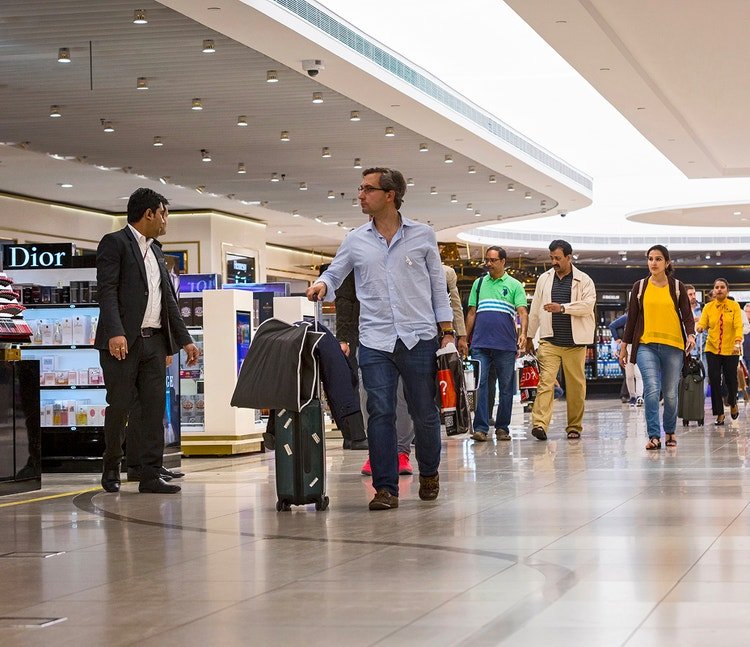
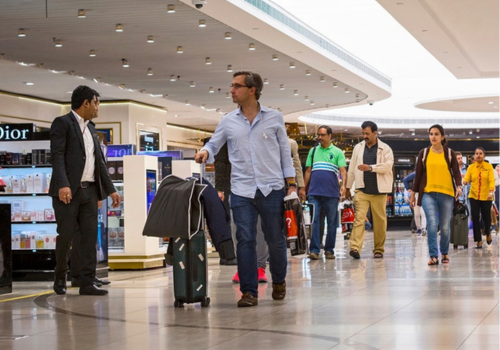
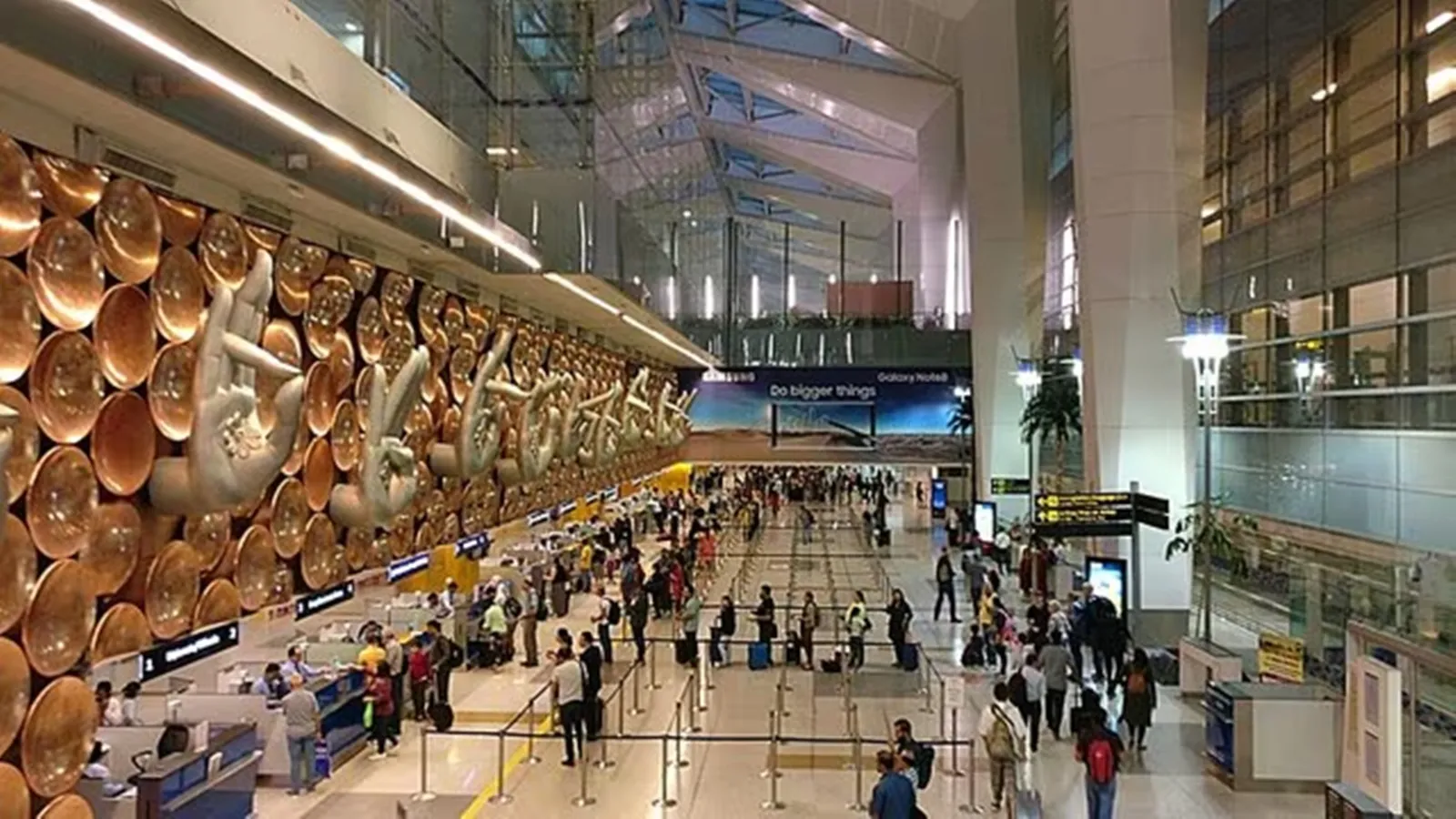
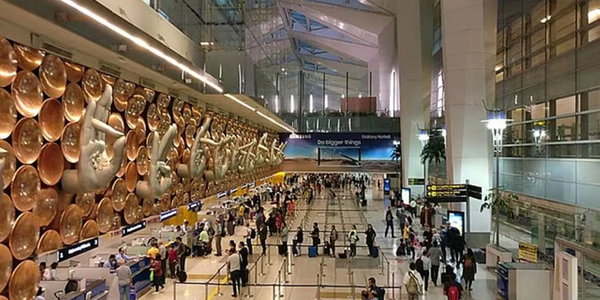
The arrivals hall in most Indian airports is designed to intercept passengers. Every physical and staffing decision in the space follows that logic. The store sits where it sits, staff position themselves where they do, and the commercial proposition meets the passenger at the moment he is least available for it: moving fast, carrying luggage, scanning for a familiar face or a cab sign, taking in the first thirty seconds of being back on Indian soil.
The store is not wrong to be there. The model that concentrates the entire commercial effort inside those thirty seconds is.
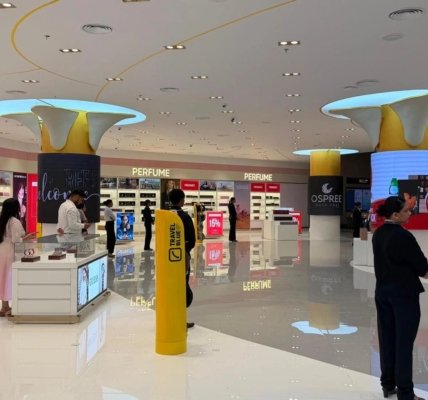
Dubai Duty Free finished a multi-million dollar renovation of its arrivals stores across Terminals 1, 2, and 3 in 2025, refreshing 2,171 square metres of arrivals retail space. The managing director said publicly that arrivals sales matter enough to justify that scale of investment, and that the objective was higher penetration through better layout, digital engagement, and invitation over presence alone.
In 2025, arrivals generated USD 150.92 million for Dubai Duty Free, 6.35 per cent of total annual sales of USD 2.378 billion. That is not a secondary revenue line. It is a deliberate, capital-backed commercial strategy that treats the arriving passenger as a primary opportunity, not an afterthought.
Why it works in Dubai and underperforms in India has nothing to do with traffic volumes or allowance levels. It is a question of timing.
The NRI passenger returning from Riyadh or Abu Dhabi did not decide to buy on the way out of the terminal. He decided weeks earlier, standing in a market abroad, putting a product back on the shelf because he knew he could bring it home on arrival under the ₹75,000 duty-free allowance that came into effect in February 2026.
His purchase decision was settled before the aircraft left the Gulf. By the time he clears immigration, the commercial window is not opening. It has been open for days. The store needs to be ready for a customer who already knows what he wants.
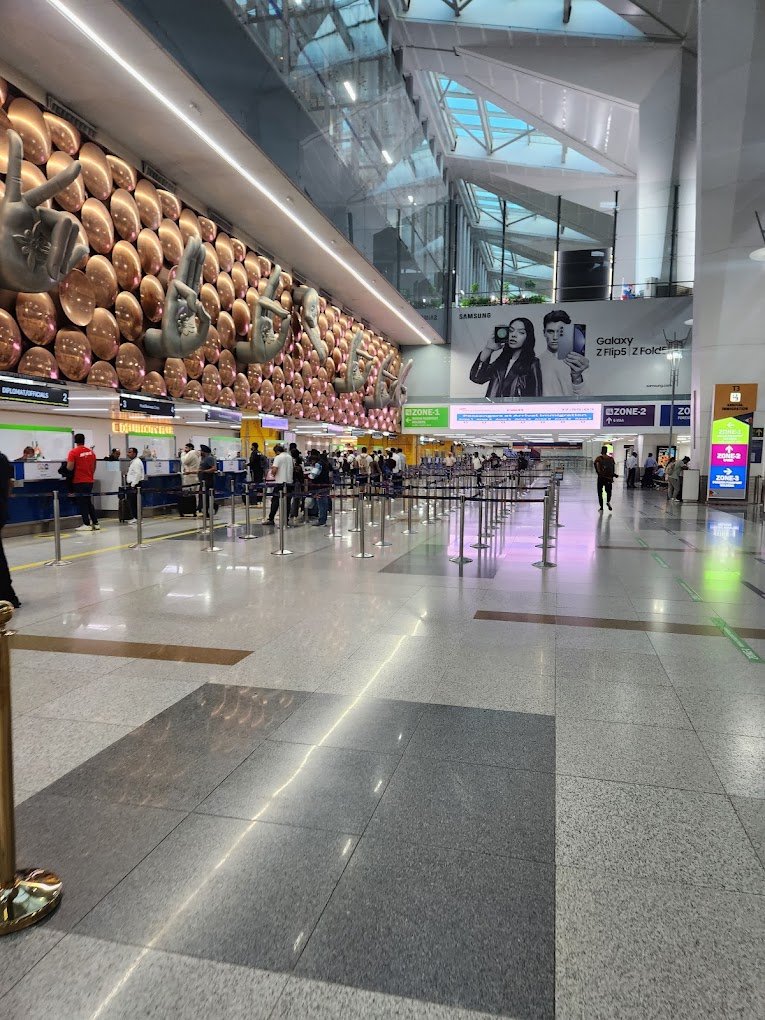
Readiness is a commercial design question, not a staffing one. The immigration corridor is the highest-value untouched real estate in any Indian arrival terminal. Every arriving international passenger moves through it more slowly, along a fixed path, with nothing competing for his attention. Dubai monetises this zone deliberately.
Digital screens in DXB’s immigration corridors are positioned for what the airport’s own media inventory describes as unavoidable exposure: every inbound passenger, every flight, in a controlled environment with no other stimulation.
The arriving passenger standing in that queue has made no local spending decisions. He is about to enter a market he knows well. He is standing still. A screen showing the arrivals store offer with a QR code linking to the pre-order platform is not advertising in that context. It is a last entry point into a transaction the passenger was already planning.
Baggage reclaim holds him there for another six to ten minutes. Stationary, looking ahead, waiting. Dubai places screens on belt surrounds and wall panels in baggage claim because the zone carries some of the most thoroughly documented dwell time in any terminal. The commercial logic is present in every airport media inventory globally. It has not been applied to the arrivals duty-free proposition at scale in India.
A screen at the carousel showing featured products and the store layout means the passenger who did not pre-order arrives at the counter knowing exactly what he is looking for and where to find it.
Without it, the passenger who spent twelve minutes between immigration and baggage claim without seeing a single piece of arrivals store communication reaches the shop with no knowledge of what is available, how the pricing compares to what he could have bought abroad, or whether the product he intended to purchase is in stock. He buys from memory or he does not buy at all.
The invitation model completely changes the sequence. Changi’s iShopChangi lets arriving passengers pre-order up to thirty days before the flight and collect from a dedicated counter in the baggage hall after clearing immigration. The transaction is done before he reaches the store.
The commercial outcome is not built on converting a time-pressed traveller in a narrow window. It is built on a proposition strong enough that he committed to it at cruising altitude. Adani One carries the same function at Mumbai.
Passengers who use it collect pre-packed orders post-immigration. The transaction value is higher, the margin is better, and the experience requires nothing from the shop floor except a prepared order and a counter to hand it over.
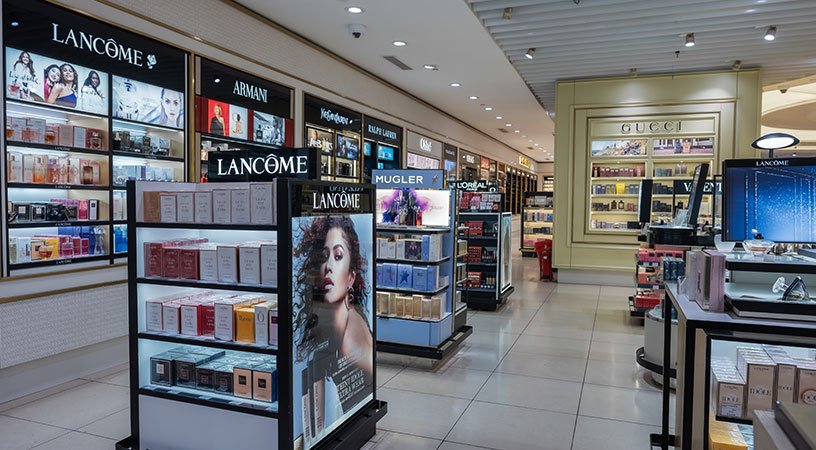
The store itself needs to reflect the same understanding. Arrivals layout and departure layout are not interchangeable. The departing passenger browses. The arriving passenger shops with a list. The arrivals store should front the categories that drive planned purchase in the NRI corridor: liquor, electronics, and gold. Fragrance and confectionery, which anchor the departure retail model, are secondary here.
Every placement, every shelf, every staffing position should be calibrated to the mission shopper rather than borrowed from a departure model and applied to a fundamentally different commercial moment.
The gap between what Indian arrivals duty-free generates and what the passenger base in those terminals would support is not a volume problem. It is a design problem. The passenger lands ready. The airport needs to meet him before he reaches the store.
Also Read: How SITA Is Transforming Airline Operations

Ashraf Fathi has 25 years’ experience in airport commercial strategy, duty-free operations and concession management across MENA and Africa. Formerly Managing Director of Dufry Group (now Avolta) in Egypt and Kenya, he advises airport operators and governments on commercial performance and retail strategy.