







Key Takeaways
- Israel Aerospace Industries (IAI) has strengthened its position in the passenger-to-freighter (P2F) conversion market with its Boeing 777-300ER programme.
- IAI’s Boeing 777ERSF has surpassed 20,000 flight hours, demonstrating its reliability and success in global operations.
- The Boeing 777-300ERSF offers advantages like a higher payload and lower fuel consumption compared to competitors, while also being cost-effective for operators.
- IAI has converted over 300 aircraft, maintaining rigorous in-house design and certification processes that ensure high standards.
- The company is expanding its global conversion network and collaborating with Merlin to develop AI-powered autonomous flight capabilities for cargo aircraft.
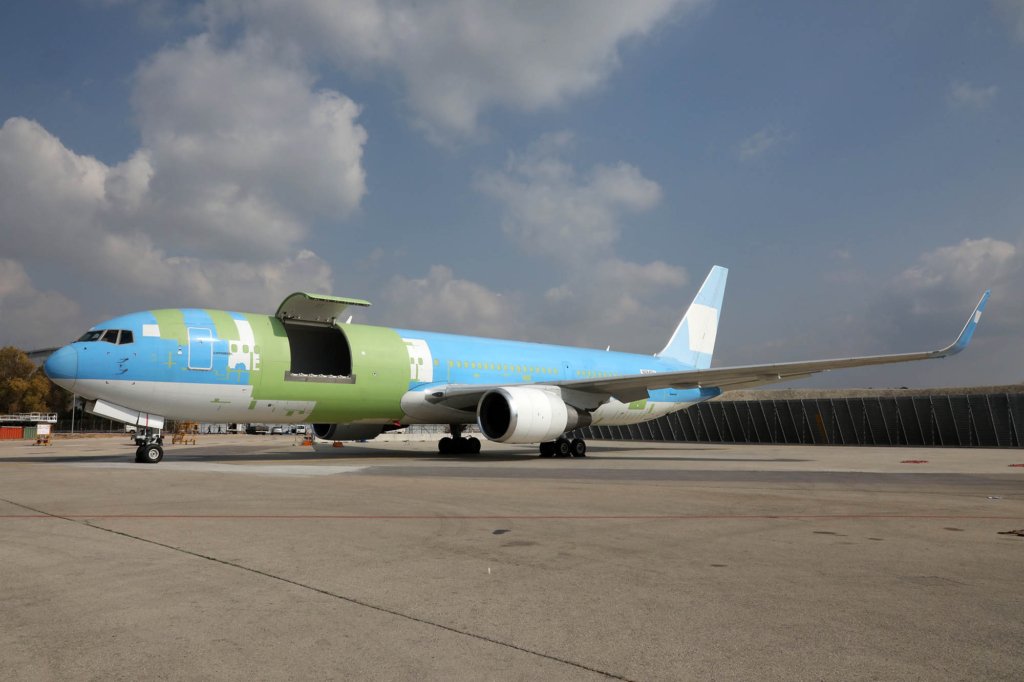
Israel Aerospace Industries (IAI) has further strengthened its position in the global passenger-to-freighter (P2F) conversion market with the continued expansion of its Boeing 777-300ER conversion programme.
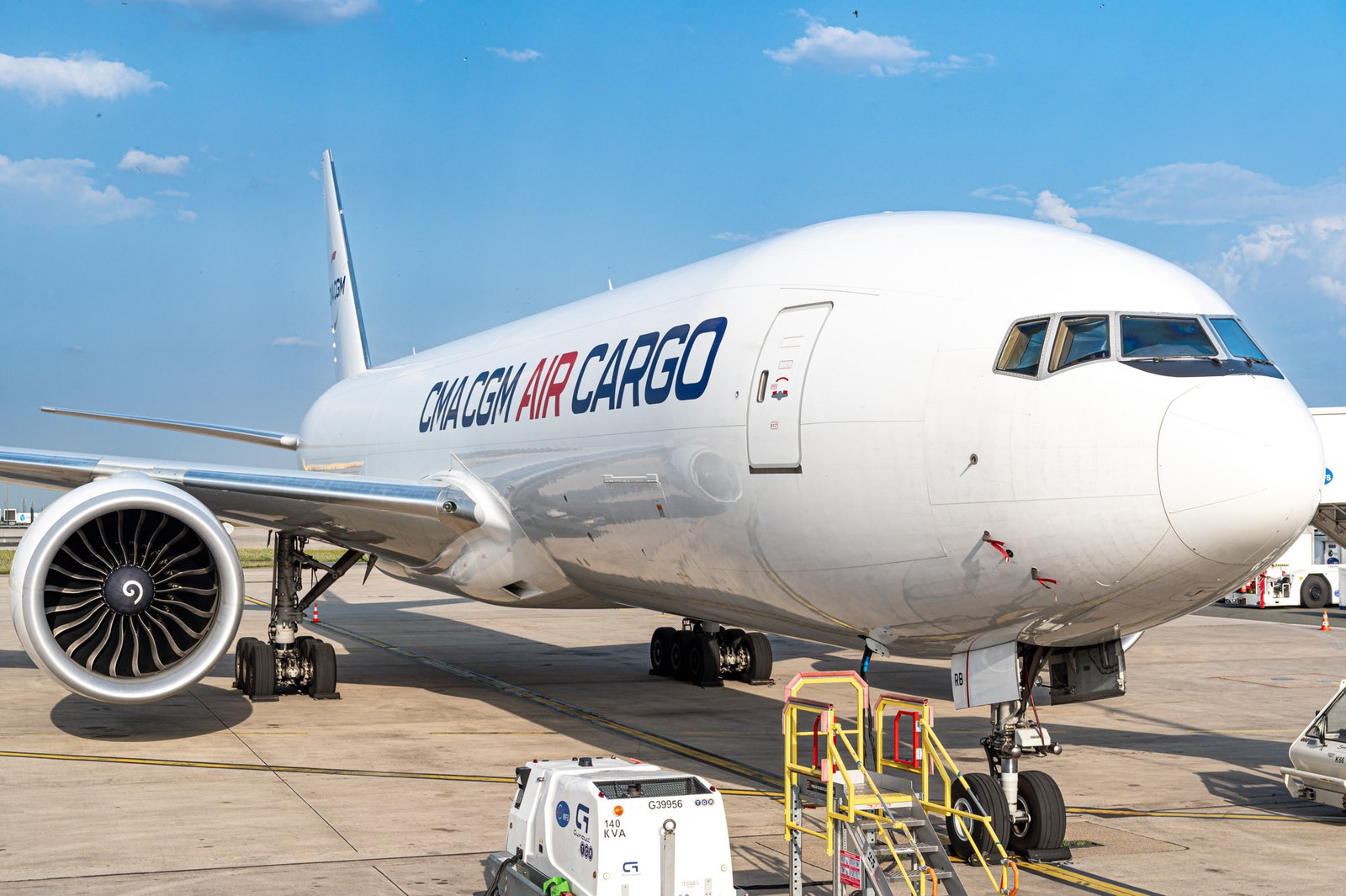
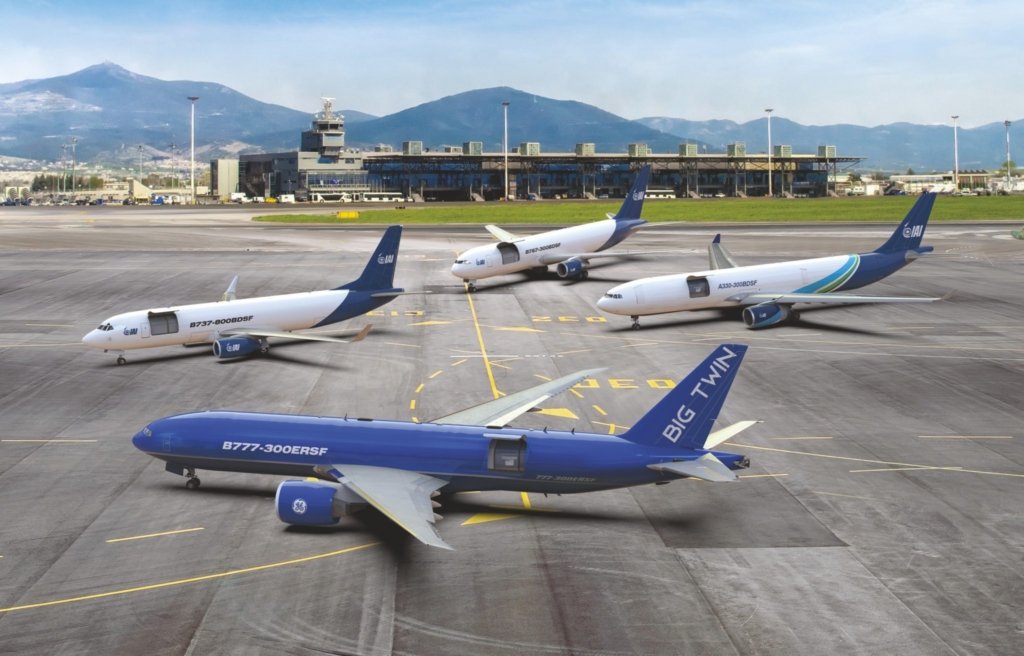
Recently, its Boeing 777-300ERSF, known as ‘The Big Twin’, surpassed 20,000 cumulative flight hours. IAI has converted 11 Boeing 777-300ERSF aircraft and are currently in use across Europe, North America and Asia.
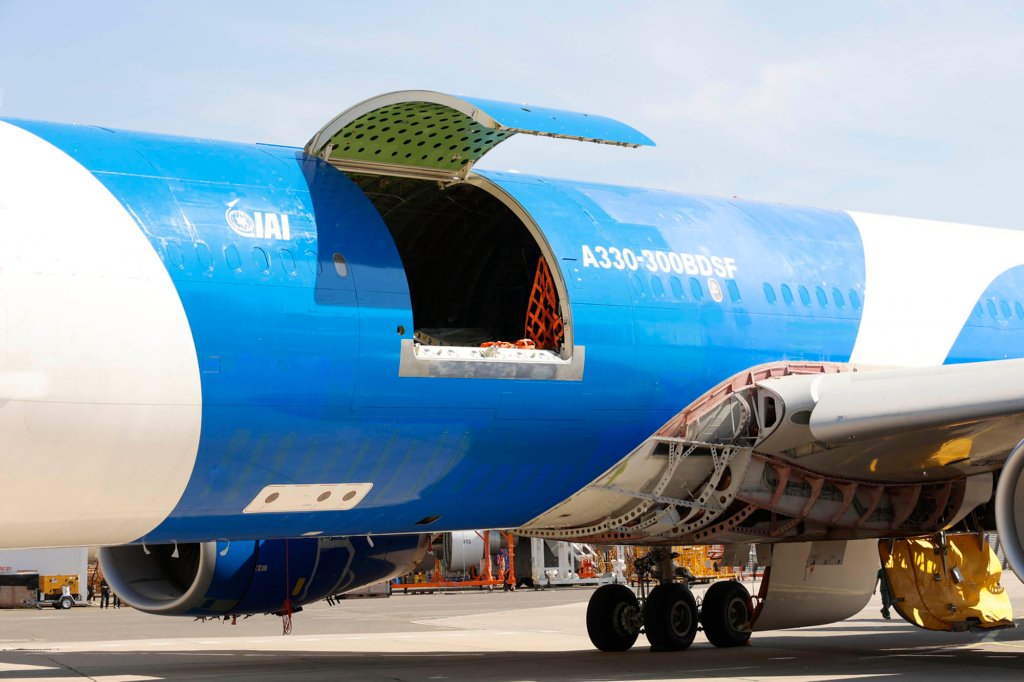
The Boeing 777-300ERSF remains the centrepiece of IAI’s conversion portfolio. In 2025, IAI became the first company worldwide to receive an approved Supplemental Type Certificate for converting the Boeing 777-300ER from passenger to freighter configuration, marking a major milestone for the global air cargo industry.
Long-haul Cargo Operations
Designed for high-volume, long-haul cargo operations, the aircraft offers a maximum payload of up to 105 tons and 25 per cent more cargo volume than the 777-200F production freighter, while consuming up to 21 per cent less fuel per tonne than 747-400 freighters.
According to IAI, the converted aircraft can be acquired at roughly one-third the cost of purchasing a new-production freighter, providing operators with a significantly lower capital investment while extending the useful life of existing passenger aircraft.
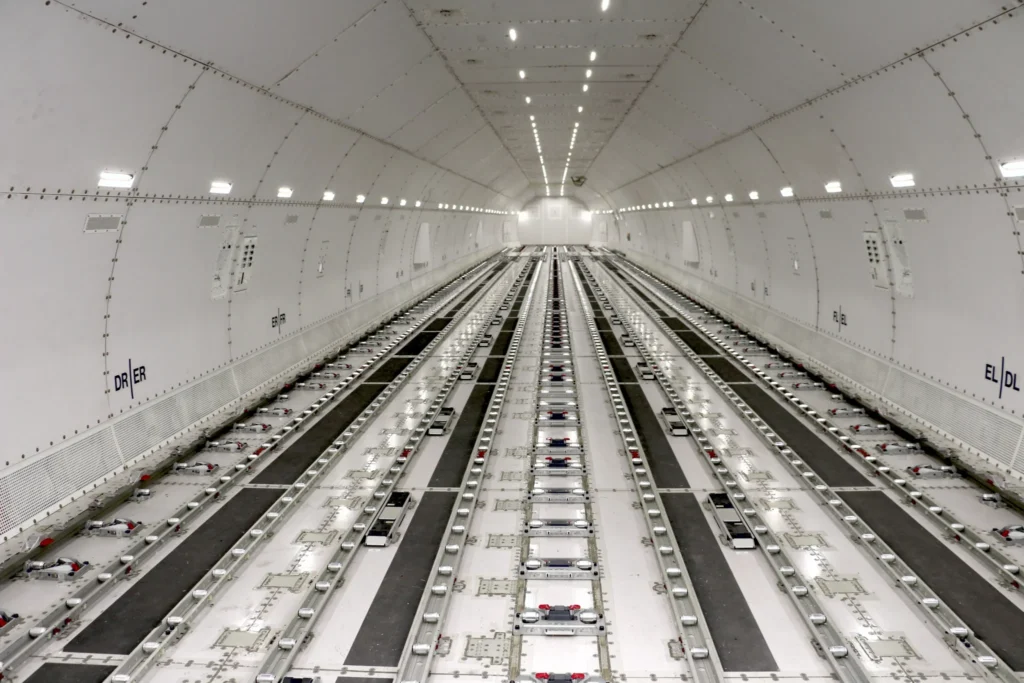
IAI’s passenger-to-freighter business today spans a broad range of aircraft types, making it one of the most diversified conversion specialists in the industry.
Its portfolio includes Boeing 737-700 and 737-800 narrowbody freighters, Boeing 757 and Boeing 767-200/300 conversions, Boeing 747-400 freighters, the Boeing 777-300ER programme and the emerging Airbus A330-300 conversion.
The Boeing 767 continues to be one of the company’s most successful products, particularly with express parcel operators and e-commerce logistics companies, while the Boeing 737-800 conversion has become popular for regional cargo operations due to its payload capability and operating economics.
Over 300 Conversions
Over the past five decades, IAI has converted over 300 passenger aircraft into freighters, making it one of the world’s largest independent conversion houses. The company says its converted fleet has accumulated more than three million flight hours without a single Airworthiness Directive attributable to its conversion design, underscoring the maturity of its engineering and certification processes.
Unlike many modification providers that install licensed conversion kits, IAI develops its own Supplemental Type Certificates (STCs), carrying out structural design, stress analysis, fatigue evaluation, certification and production engineering in-house. This integrated capability has enabled the company to pioneer several widebody conversion programmes and maintain a strong competitive position in the global P2F market.
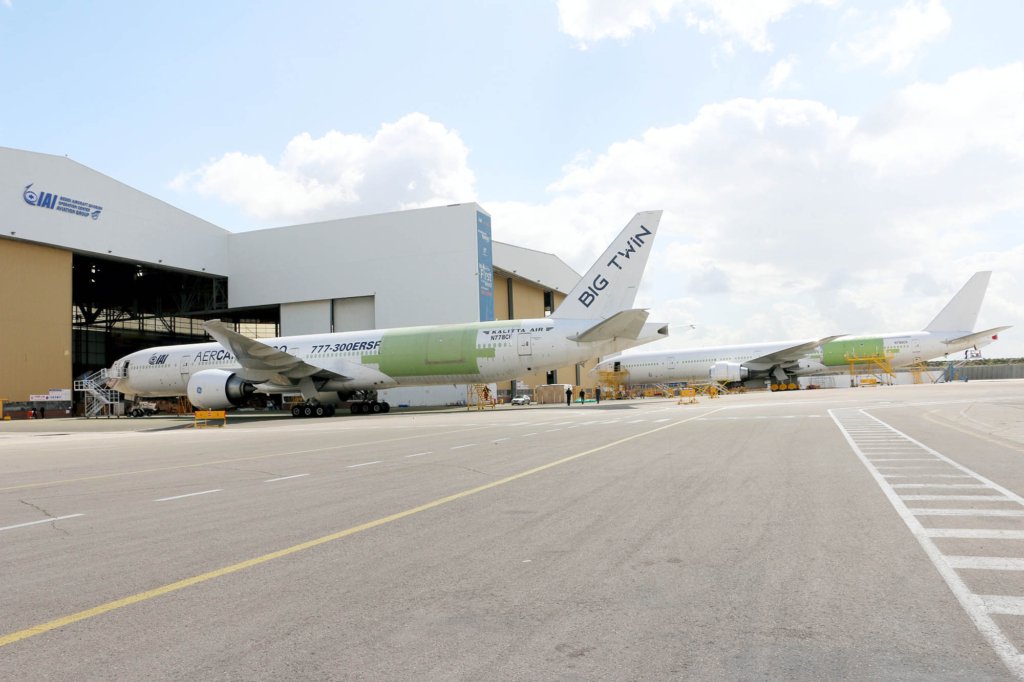
IAI has also been steadily expanding its global conversion network to meet rising demand.
Besides its facilities in Israel, the company has established or partnered with conversion centres in South Korea, the United Arab Emirates and the United States.
Industry estimates indicate that the Boeing 777-300ER conversion programme alone has attracted a substantial order pipeline, reflecting growing demand as airlines retire passenger widebodies and cargo operators seek lower-cost alternatives to new-build freighters.
In June this year, IAI and Ascent Aviation Services announced the next phase of their collaboration to establish Boeing 777-300ER conversion capability at Ascent’s Marana, Arizona facility, a move aimed at supporting anticipated global demand for widebody freighters.
The programme, the first of its kind in the world, is expected to significantly expand IAI’s conversion capacity outside Israel as demand for high-capacity cargo aircraft continues to rise.
IAI has also signed a memorandum of understanding (MoU) with Merlin, the U.S.-based autonomous flight technology company, to jointly develop, integrate and certify AI-powered autonomous flight capabilities for commercial cargo aircraft, marking a significant step in the evolution of passenger-to-freighter (P2F) conversions.
The collaboration combines Merlin’s Condor autonomy platform with IAI’s decades of expertise in aircraft engineering, certification, avionics and freighter conversions, with the aim of integrating autonomous systems into Part 25 cargo aircraft during or alongside the P2F conversion process.
Also Read: Embraer’s First E-Freighter Enters Commercial Service with Bridges Air Cargo

Chandrakanth R has over four decades of journalism experience, including 25 years as Chief Reporter at The Hindu and four years as Editor of Media One, Dubai. Since returning to India, he has specialised in aerospace and defence and regularly covers major international industry events.