














Navi Mumbai Airport News: Centre Approves Drug Imports to Boost Pharma Supply Chain

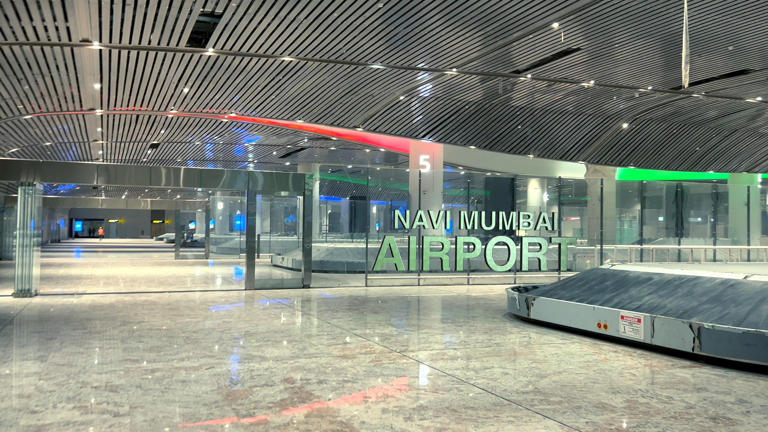
Navi Mumbai Airport News
The Central Government has allowed the import of medicines through Navi Mumbai International Airport, marking an important step toward improving India’s pharmaceutical supply chain and making the movement of imported drugs faster and more efficient. The decision is expected to strengthen logistics, reduce transportation delays, and provide importers with another major entry point for pharmaceutical products.
The Union Ministry of Health and Family Welfare announced that it has amended Rule 43A of the Drugs Rules, 1945, to include Navi Mumbai Airport among the airports authorized to handle drug imports into India. With this amendment, importers can now legally bring medicines into the country through the newly inaugurated airport.
According to the ministry, the addition of Navi Mumbai Airport increases the total number of approved ports of entry—including airports, seaports, rail terminals, and road checkpoints—to 42. The move is expected to improve the country’s pharmaceutical logistics network and support the growing demand for imported medicines and healthcare products.
The amendment was made after consultation with the Drugs Technical Advisory Board (DTAB) under the provisions of the Drugs and Cosmetics Act, 1940. The board provides technical advice to the government on matters related to the regulation of drugs and pharmaceuticals in India.
Officials said the decision is aimed at making the import process more efficient by providing an additional gateway for pharmaceutical consignments. Until now, importers had to rely on a limited number of designated airports for bringing medicines into the country. The inclusion of Navi Mumbai Airport is expected to reduce pressure on existing cargo hubs and improve the overall flow of imported pharmaceutical products.
The ministry believes that the new facility will help speed up cargo movement and strengthen India’s healthcare supply chain. Faster transportation of medicines is particularly important for products that require timely delivery, including life-saving drugs, vaccines, medical devices, and temperature-sensitive pharmaceutical products.
Another major benefit of the amendment is greater flexibility for pharmaceutical companies and importers. Businesses will now have another option for importing medicines, allowing them to plan shipments more efficiently and reduce transportation costs where possible.
The government said the initiative is part of its broader efforts to improve the country’s regulatory framework while promoting Ease of Doing Business. By expanding the number of approved entry points, authorities aim to simplify trade procedures without compromising the quality and safety standards required for imported medicines.
Before finalizing the amendment, the Health Ministry had issued a draft notification on January 28, inviting objections and suggestions from stakeholders and members of the public. According to officials, no objections or suggestions were received during the consultation period, allowing the amendment to move forward without changes.
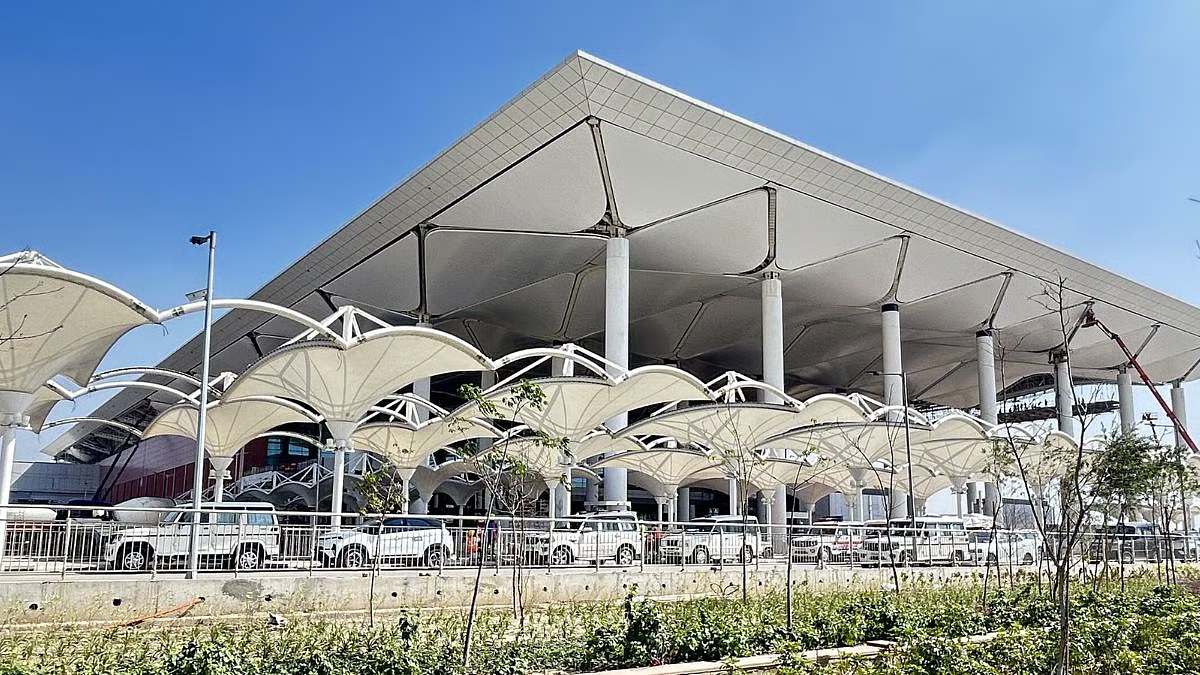
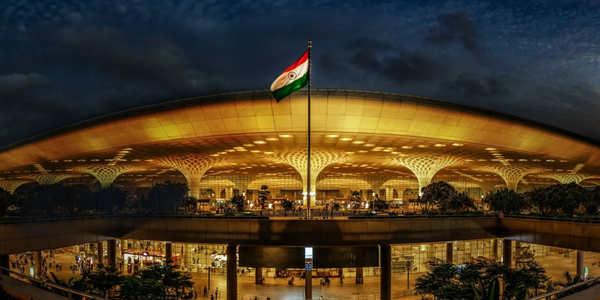
Navi Mumbai International Airport has been developed to enhance aviation capacity in the Mumbai metropolitan region and support both passenger and cargo operations. The approval for pharmaceutical imports is expected to further increase the airport’s importance as a major logistics hub for western India.
India is one of the world’s largest pharmaceutical markets and plays a significant role in the global healthcare industry. Efficient import infrastructure is essential for ensuring the timely availability of medicines, active pharmaceutical ingredients (APIs), laboratory materials, and specialized healthcare products that are sourced from international markets.
With Navi Mumbai Airport now officially included among the designated drug import points, the government expects smoother cargo handling, improved supply chain efficiency, and stronger support for the pharmaceutical sector. The move is also expected to benefit healthcare providers, pharmaceutical companies, and patients by ensuring quicker and more reliable access to imported medicines while maintaining strict regulatory oversight.

Ajeet Yadav is an aviation enthusiast covering airline news, airports, aircraft, and industry developments through well-researched and reliable reporting.