



Aviation News: Civil Aviation Minister Ram Mohan Naidu Congratulates NAL on Completion of Saras MK-II Design


Aviation News
Union Civil Aviation Minister Ram Mohan Naidu has congratulated the National Aerospace Laboratories (NAL) for successfully completing the design phase of the Saras MK-II, a 19-seater light transport aircraft developed in India. The achievement is being seen as an important milestone in the country’s efforts to strengthen indigenous aircraft manufacturing and reduce dependence on imported aviation technology.
In a post shared on social media, the Civil Aviation Minister praised the team at NAL for reaching this important stage in the development of the aircraft. He said that the Saras MK-II supports Prime Minister Narendra Modi’s Atmanirbhar Bharat vision by becoming India’s first indigenously designed light transport aircraft.
According to the minister, the successful completion of the design phase marks significant progress in India’s domestic aerospace sector. He said the project demonstrates the country’s growing ability to design and develop advanced aircraft using homegrown technology and engineering expertise.
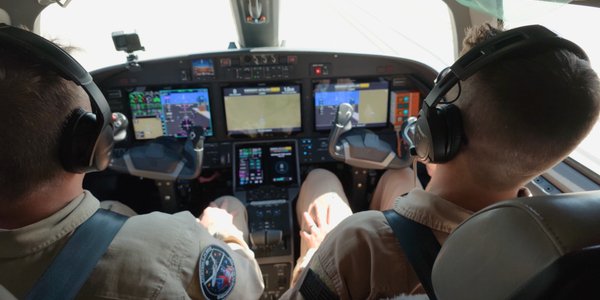
The Saras MK-II is a 19-seater aircraft designed for regional connectivity and short-distance travel. Once the aircraft completes further development, testing, and certification, it is expected to play an important role in improving air connectivity to remote, rural, and high-altitude regions across the country.
Ram Mohan Naidu highlighted that the aircraft will support the government’s UDAN (Ude Desh ka Aam Nagrik) scheme, which aims to make air travel affordable while connecting smaller towns and underserved regions with the national aviation network. He said that an Indian-made aircraft operating on regional routes would strengthen the country’s aviation infrastructure and improve accessibility for passengers living in remote areas.
The minister added that the Saras MK-II represents a major breakthrough for India’s aerospace manufacturing industry. Developing a passenger aircraft within the country is expected to create new opportunities for Indian engineers, manufacturers, suppliers, and aviation companies while promoting innovation in the sector.
The Atmanirbhar Bharat initiative encourages domestic production across various industries, including aviation, defence, manufacturing, and technology. The Saras MK-II project reflects this vision by focusing on designing and developing aircraft using Indian expertise rather than relying on foreign manufacturers.
The National Aerospace Laboratories, which is involved in aviation research and aircraft development, has played a key role in designing the Saras MK-II. Completing the design phase is an important step before the aircraft moves into prototype development, testing, certification, and eventual commercial operations.
Experts believe that a domestically developed regional aircraft could help reduce operating costs for airlines serving smaller airports. It could also improve connectivity in areas where operating larger commercial aircraft may not be practical because of shorter runways or lower passenger demand.
The UDAN scheme has already expanded regional air connectivity by encouraging airlines to operate flights to underserved airports across India. The introduction of an Indian-designed aircraft like the Saras MK-II could further strengthen the scheme by providing a suitable aircraft for short-haul regional routes.
The minister’s appreciation reflects the government’s continued support for indigenous aerospace research and manufacturing. As India works toward becoming a global aviation hub, projects such as the Saras MK-II are expected to contribute to technological advancement and economic growth.
While the completion of the design phase is a significant achievement, the aircraft will still need to undergo prototype manufacturing, ground testing, flight trials, regulatory certification, and other technical evaluations before it can enter commercial service.
With the successful completion of the design stage, the Saras MK-II project has moved one step closer to becoming a Made-in-India regional aircraft that could transform connectivity across the country. If successfully developed and introduced into service, it has the potential to strengthen regional aviation, support the UDAN programme, and showcase India’s growing capabilities in aircraft design and aerospace manufacturing.

Ajeet Yadav is an aviation enthusiast covering airline news, airports, aircraft, and industry developments through well-researched and reliable reporting.