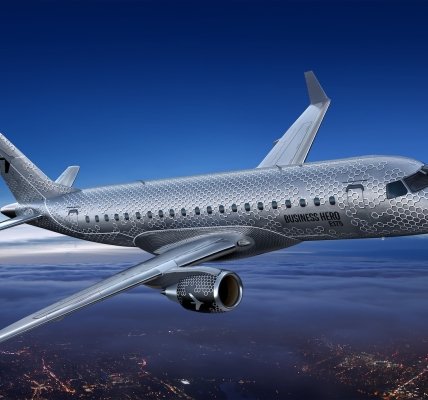








- UAC is positioning the SJ-100 as a sanction-proof regional jet, claiming full replacement of Western engines, avionics and systems to secure long-term operability.
- The company stresses a self-reliant support model, citing rapid AOG response timelines, centralised spares warehousing and an in-house logistics network.
- UAC says a joint roadmap and DGCA revalidation are being pursued in India, following an existing HAL agreement on licensed production cooperation.
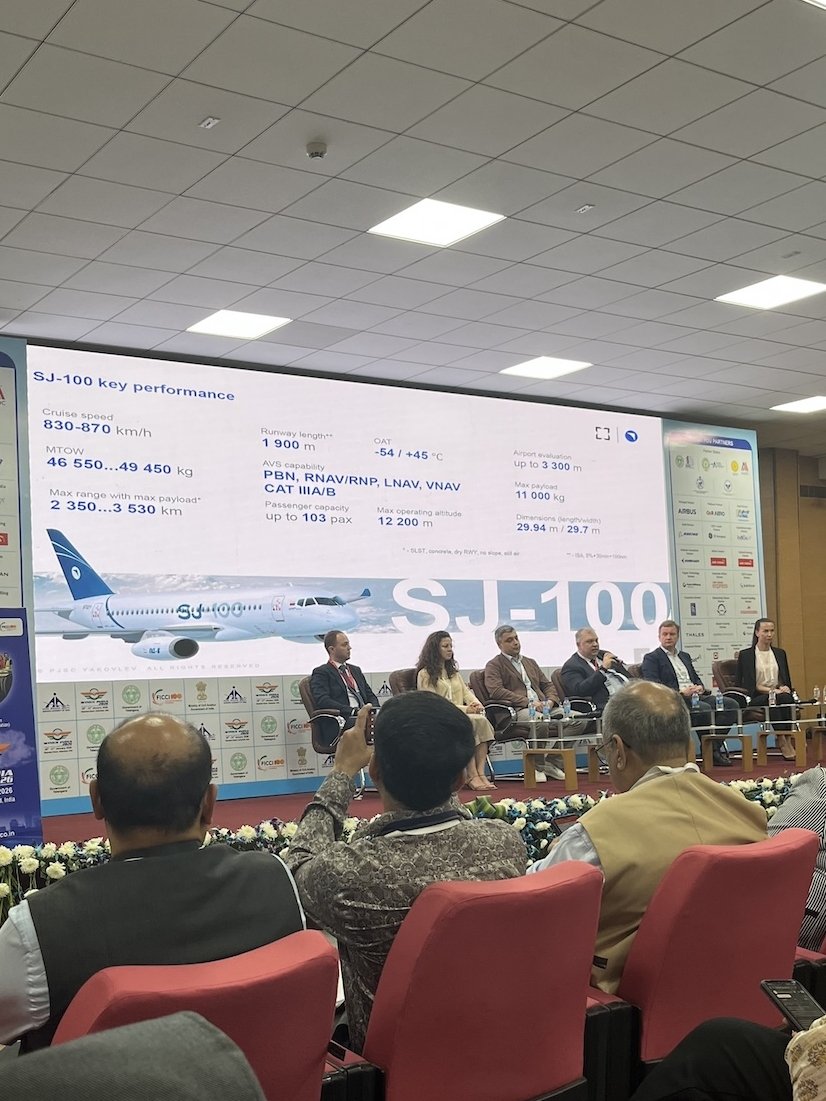
United Aircraft Corporation (UAC) has positioned the Sukhoi Superjet 100, now offered in its fully “Russified” configuration, as a sanction-proof regional aircraft, insulated from Western supply chain disruptions and geopolitical constraints.
The Russian manufacturer says the new SJ-100 variant replaces all Western-origin systems with domestically produced engines, avionics, flight-control systems and hydraulic components, creating what it describes as a “full sanction-protected” ecosystem.
The move comes at a time when international sanctions have disrupted aircraft deliveries, spare parts supply and maintenance support across multiple markets.
A senior UAC executive in a media conference at Wings India 2026 said the redesigned aircraft has been operating within Russia for more than four years without support from original Western equipment manufacturers. “This proves that the components prepared in Russia are at a very high level. Even without OEM backing, we are sustaining operations and solving technical issues at the design and production level,” he said.
Addressing concerns over potential secondary sanctions that could affect Indian operators or partners, the executive emphasised that not only primary systems but also secondary structures and sub-systems have been localised. The intent, he noted, is to eliminate exposure to Western regulatory or supplier risks that could interrupt aircraft availability.
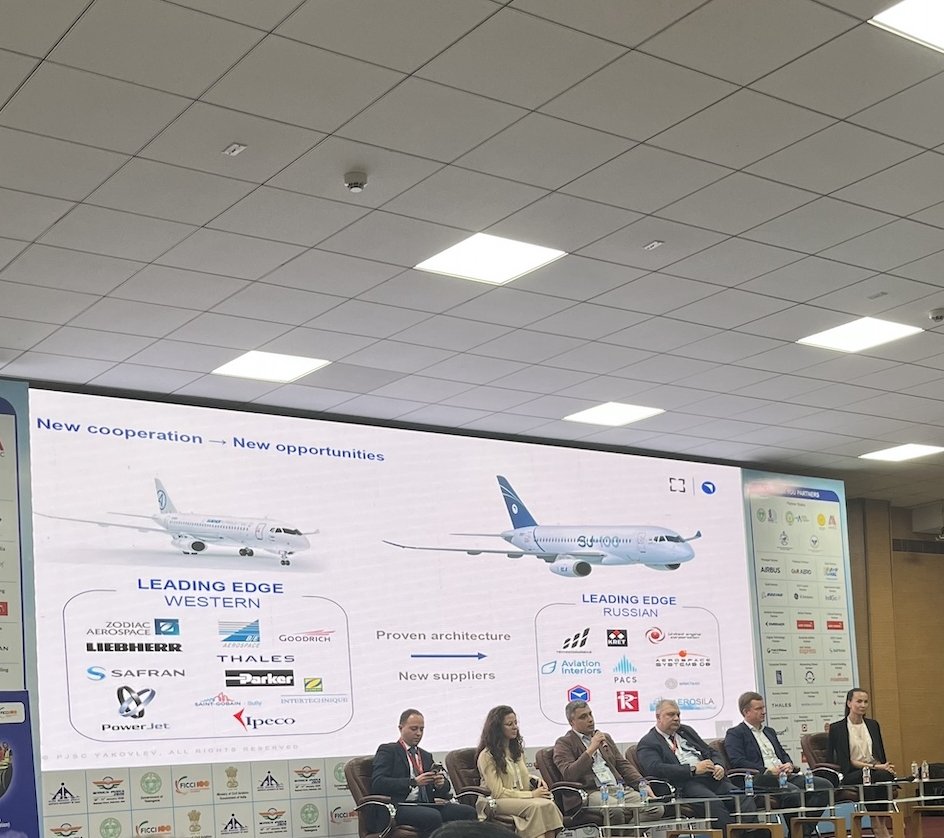
UAC also underscored the robustness of its after-sales and logistics network. A dedicated entity manages global spare parts distribution and Aircraft on Ground (AOG) support. In critical situations, the company commits to dispatching required components within four hours. A major warehouse located near Moscow’s Sheremetyevo Airport serves as a central logistics hub for rapid international shipments. The manufacturer added that its spare parts research and technical support systems are well established, supported by long-term logistics partnerships.
Training and documentation form another pillar of the ecosystem. UAC operates at least three training centres equipped with full-flight simulators for pilot and maintenance crew training. Technical documentation, including flight and maintenance manuals, is available through a digital portal and updated daily, ensuring operators have access to current data.
India has been identified as a priority long-term market. UAC first explored opportunities in the country over a decade ago and now views renewed engagement as the start of a sustained partnership. A joint roadmap is being prepared to outline concrete steps for collaboration with Indian stakeholders.
To a question on how the global Superjet fleet which remains significantly small, unlike Airbus or Boeing which benefit from large pools of type-rated pilots and engineers, the UAC executive cited the Superjet’s 15 years of operational experience, including exports to Mexico, parts of Europe, Laos, Indonesia and Thailand. Approximately 40 aircraft were delivered internationally, creating a base of trained personnel outside Russia.
Drawing a historical parallel, he referred to Boeing’s early market development efforts in the 1990s, arguing that fleet ecosystems evolve over time and that training capacity can scale alongside fleet growth in India.
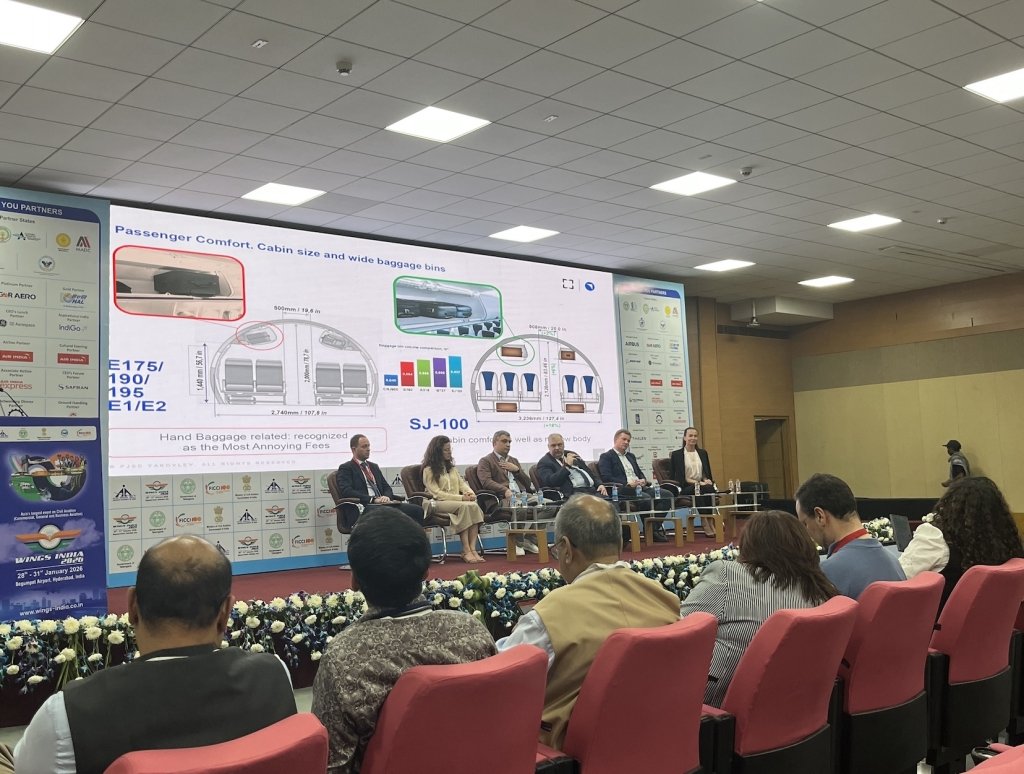
On certification, UAC stated that the Superjet holds multi-jurisdictional approvals and that its type certificate had previously been validated in India and other markets. Although certain validations are currently suspended due to geopolitical developments, the company expressed confidence that the aircraft can meet Russian, Indian and European regulatory standards. Engagement with India’s Directorate General of Civil Aviation (DGCA) is expected as part of the revalidation process.
UAC highlighted more than six decades of Indo-Russian cooperation in aviation and defence, including significant technology transfer in the military sector. The executive indicated that deeper industrial participation and potential production expansion in India could be considered as volumes increase for both domestic and export markets.
The Superjet pitch formed part of Russia’s presence at Wings India 2026 with endorsements coming from the Russian Ambassador to India Denis Alipov, the Deputy Minister of Industry and Trade Gennady Abramenkov and UAC CEO Vadim Badekha. During the exhibition, UAC and Hindustan Aeronautics Limited (HAL) signed an agreement outlining joint activities for licensed production of the Superjet aircraft in India, signalling a potential next phase of industrial collaboration if the programme progresses.
Also Read: HAL Eyes 25% Civil Aviation Business in 10 Years as It Expands Civil Aircraft Portfolio