





Stress is holding back air travel demand, with 4 in 10 travelers skipping trips

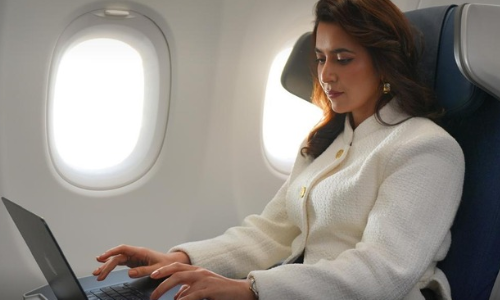
The air transport industry can win back bookings and revenue lost to travel stress by using technology to give passengers visibility and control at every step of the journey, SITA CEO David Lavorel said today. SITA’s 2026 Passenger IT Insights, a survey of nearly 8,000 travelers in 24 countries, finds four in 10 (42%) have decided against a trip because they expected it to be too stressful. Passengers expect technology to provide the answer: 8 in 10 believe it can reduce the stress of air travel.
For airlines, those lost bookings come from their most valuable customers. Six in 10 frequent flyers have walked away from a trip over expected stress. So have more than half of travelers under 30, the next generation of frequent flyers. These two groups are also the most confident that technology can help, at 89% and 86% respectively.
“Every trip we win back is a seat filled, a parking space sold and a coffee bought,” said Lavorel. “Travelers are telling us where the stress comes from: delays, queues and worrying about their bags. Most of it comes down to not knowing what happens next. When airlines, airports, ground handlers and border agencies share what they know, passengers can see what is coming before they have to ask.”
Technology can then do the telling. Alerts on passengers’ phones, live wait and walking times on airport screens and AI that follows each journey and sends an update the moment something changes are just some examples. A large number of passengers are ready for AI to help: four in 10 would take real-time updates from it, one of the tasks they trust it with most.
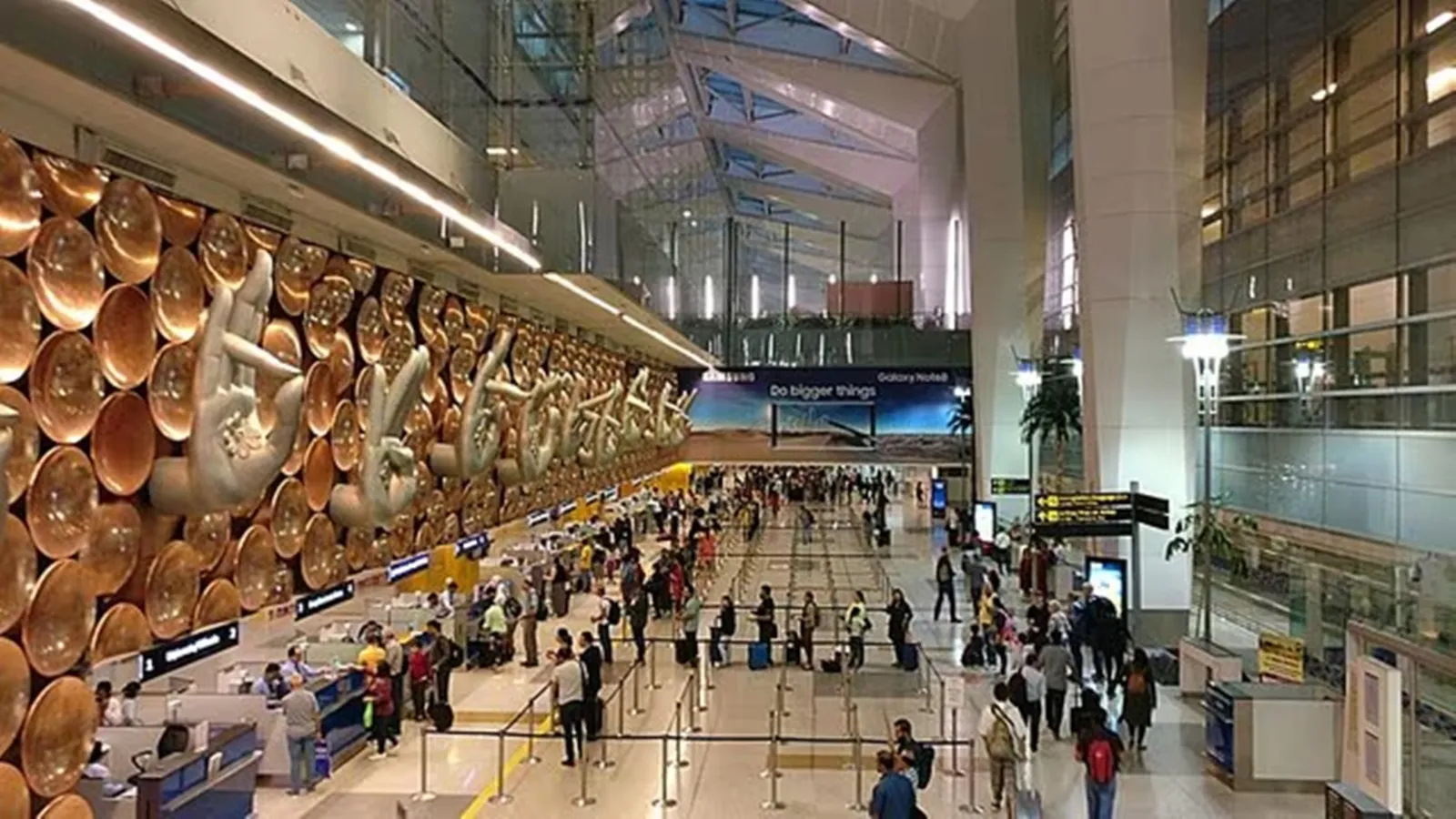
For airports, the prize is dwell time: the stretch between security and boarding that the airport, its airlines and the shops, restaurants and lounges in the terminal all share. It is also where anxiety has grown fastest: a third of passengers now feel anxious there, three times as many as in 2023. Shorter queues give passengers more of that time, Lavorel said, and knowing when their gate opens and how long the walk will take lets them enjoy it.
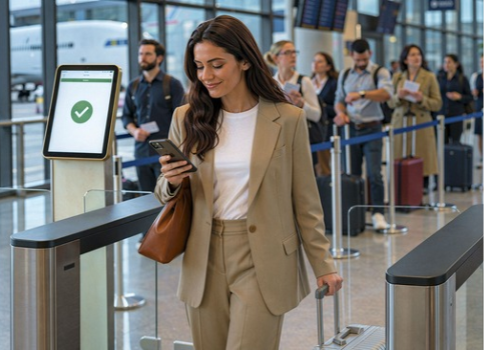
“In the airport, passengers are calmest at check-in and boarding, where the journey is already on their phone,” said Lavorel. “The rest of the journey should feel the same, especially when plans change. If a flight is rescheduled, passengers should know straight away: the new departure time, how to reach their new gate and where their bag is. That is what puts minds at ease.”
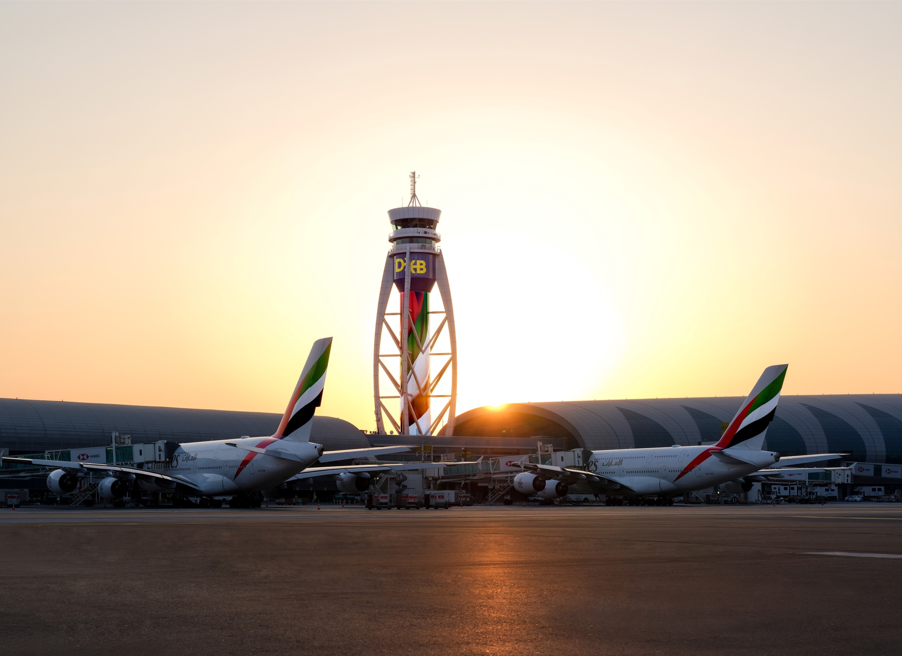
Passengers have also shown where to invest first. The problems they experience most are operational: delays, waiting times and baggage handling. Most believe technology can fix these. The Gulf shows the potential. In the United Arab Emirates, where 77% of passengers used technology at border control, only 13% report negative emotions there, against 37% across the survey.
“Calm is a commercial measure,” said Lavorel. “Airlines see it in bookings, and airports in how passengers use their time once they are through security. Improve today’s experience and we’ll unlock tomorrow’s demand.”

Aviation Jeta is an aviation news platform covering airlines, airports, aircraft, and global aviation developments. We publish accurate, well-researched, and detailed aviation news and industry insights from around the world.