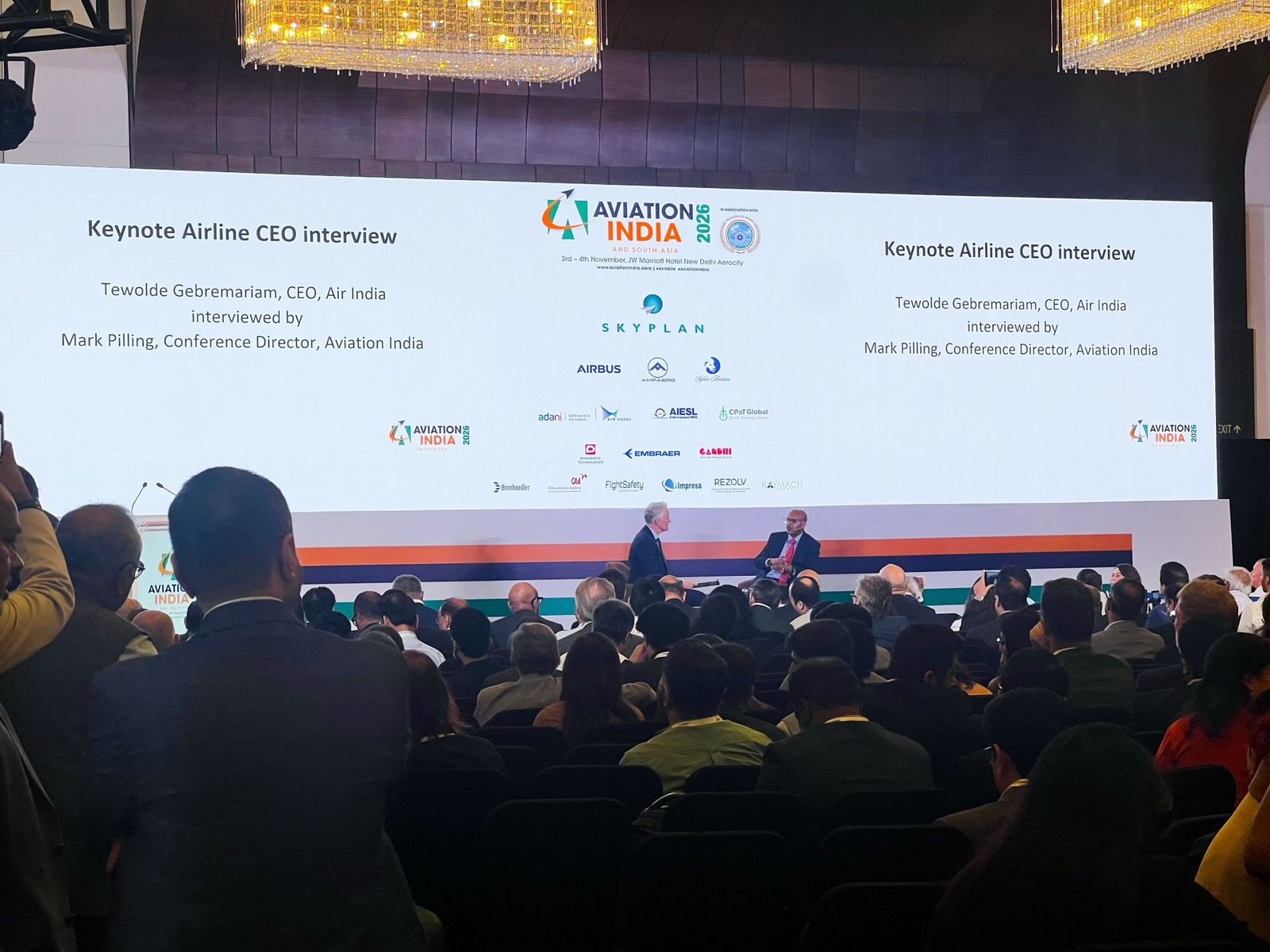
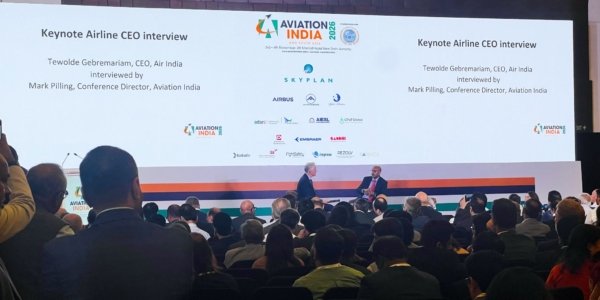






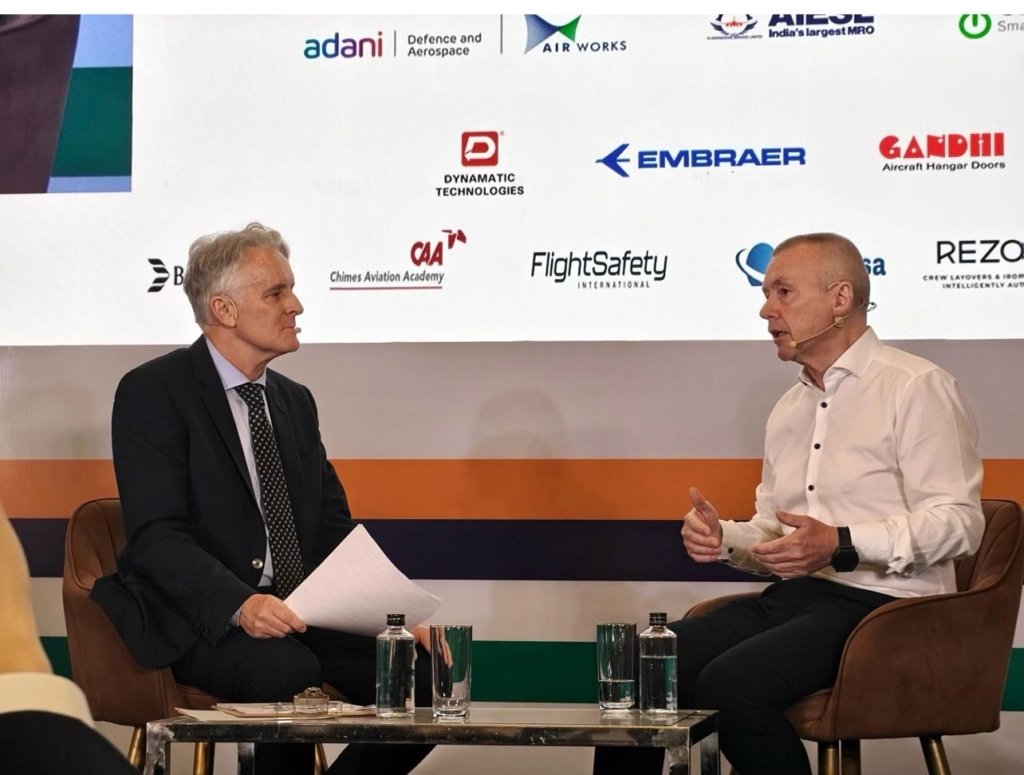
IndiGo and Air India are pursuing major international expansion plans, but their chief executives outlined different approaches to growing their overseas businesses at Aviation India 2026, held in New Delhi last week.
IndiGo is building a long-haul business around an established and highly efficient narrow-body operation, while Air India is trying to improve the financial performance of its existing international network and recover traffic carried by foreign airlines.
Before joining IndiGo, CEO Willie Walsh had questioned whether the airline should enter long-haul flying. He was concerned that expanding into wide-body operations could divert attention from its highly efficient short-haul business, particularly if long-haul revenue began to influence decisions affecting the existing network.
India’s potential for international air travel, however, made IndiGo’s long-haul expansion an attractive opportunity. Walsh pointed out that India recorded just under 79 million international passengers in 2025, fewer than the 79.87 million international passengers handled by London’s Heathrow Airport.
He believes IndiGo’s extensive domestic network gives it an advantage in expanding overseas services, both for passengers travelling to and from India and those connecting through Indian airports.
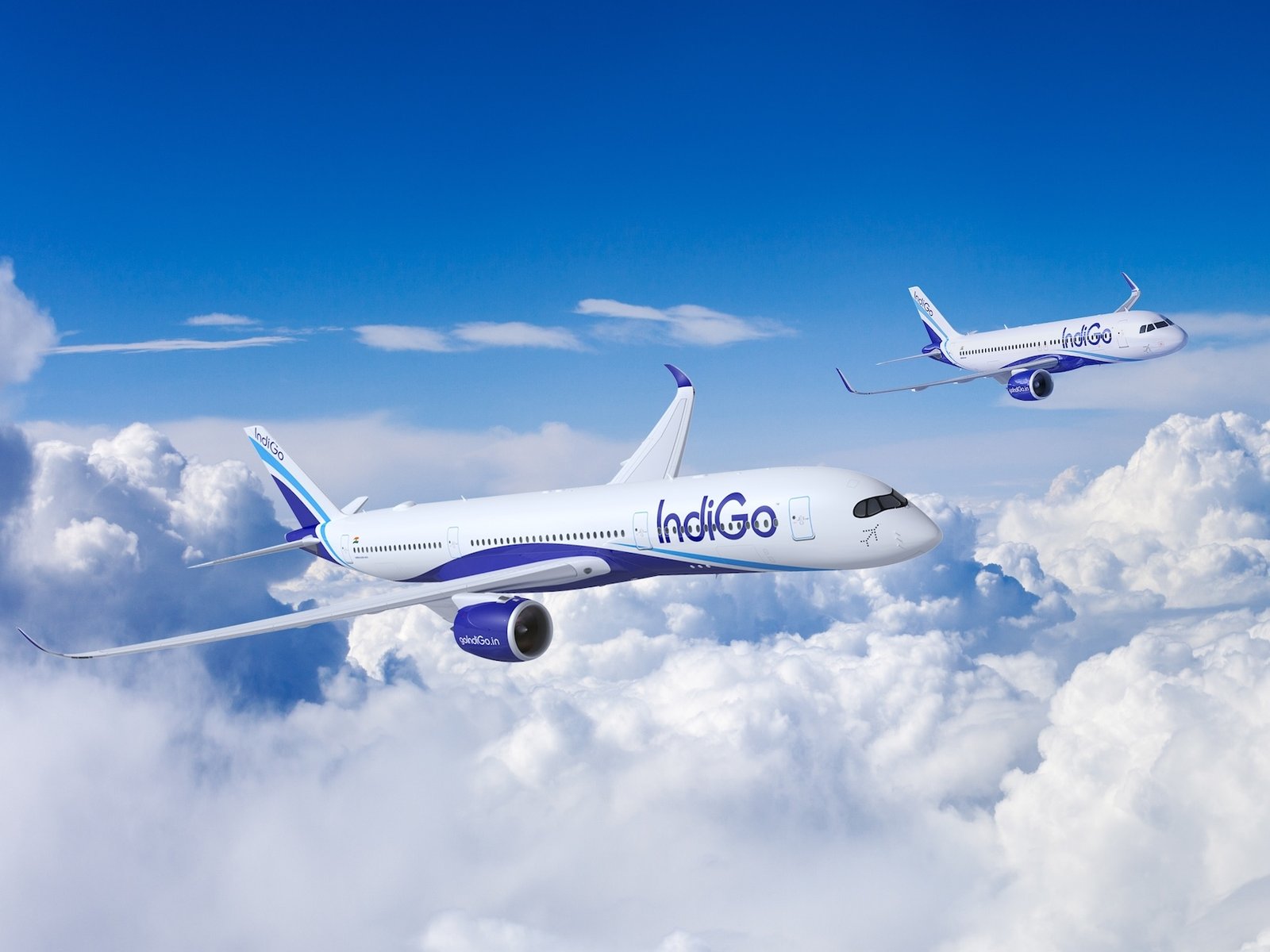
IndiGo ended its Boeing 787 damp-lease operations with Norse Atlantic Airways in October 2026 after higher fuel costs and airspace restrictions made the arrangement commercially difficult to sustain. IndiGo expects to receive its first Airbus A350s from the second quarter of 2028. Walsh said preparations for introducing the aircraft are already well advanced, although considerable work remains before they enter service.
The A321XLR allows IndiGo to serve longer international routes while benefiting from the lower operating costs per flight of a narrow-body aircraft. The airline is using the aircraft on European services, including Athens and Amsterdam, and expects to have five XLRs by the end of 2026 and 14 by the end of 2027.
Aircraft alone, however, will not provide the international reach IndiGo is seeking. Walsh recognised the importance of deeper commercial relationships with other carriers, particularly for access to markets beyond IndiGo’s own network. Codeshare agreements, joint ventures, and revenue- and profit-sharing arrangements are among the established airline cooperation models he discussed.
Walsh said IndiGo would consider these arrangements as it expands its long-haul operations, although it has not yet committed to any particular model.
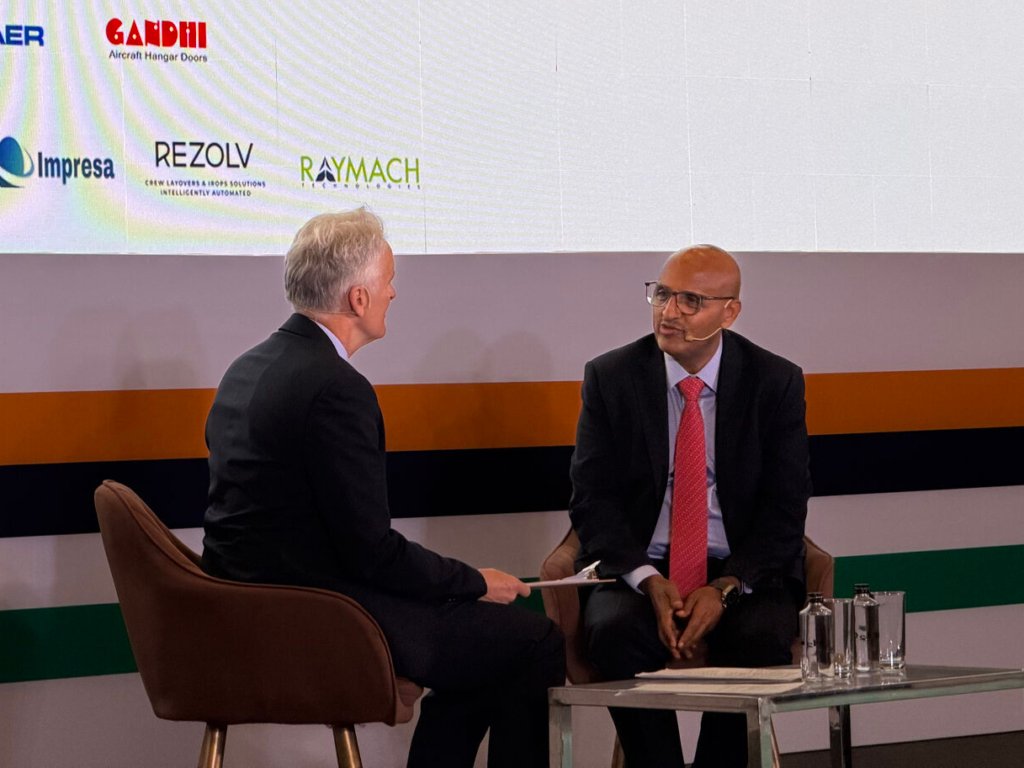
Air India faces a different challenge. It already operates wide-body aircraft, serves major international markets and has an established brand among Indian travellers overseas.
Its immediate task is to make better commercial use of those advantages. CEO Tewolde Gebremariam acknowledged that Air India’s operating costs remain too high and that improving profitability requires attention to both expenditure and revenue.
A multifunctional team is reviewing costs across the business, including opportunities for Air India and Air India Express to share corporate functions and improve efficiency.
The airline is also reviewing how its international network is organised. The closure of Pakistani airspace has particularly affected Air India’s flights from Delhi to Europe and North America, forcing longer routings and increasing operating costs. Foreign airlines operating through other airspace routes do not face the same restrictions as Air India.
Gebremariam said Air India plans to move more of its European and North American flights to Mumbai, while retaining services to these destinations from Delhi. Delhi would continue to serve eastern and southeastern markets.
Improving Air India’s international performance will require more than additional aircraft. It must also strengthen international ticket sales and improve revenue relative to the capacity it operates.
Gebremariam wants Air India to regain a larger share of passengers travelling between India and overseas destinations, while increasing connections between domestic and international flights and between international services through its Indian hubs.

Despite its substantial aircraft orders with Airbus and Boeing, Air India is considering further wide-body purchases to support its international expansion.
Gebremariam said the airline is already discussing additional aircraft with manufacturers, as orders must be placed years in advance to meet future fleet requirements.
IndiGo is looking at international connections from a different starting point. Walsh said IndiGo operates international flights from 23 Indian cities and sees further opportunities for international growth through Delhi, Mumbai, Bengaluru and other airports. Navi Mumbai is particularly important to the airline’s future plans, although the commercial and operational arrangements will require further discussion.
The expansion plans of both airlines will also depend on airport capacity and operating costs. Walsh argued that increasing airport capacity should help reduce charges per passenger. He questioned investments that increase airport costs without providing corresponding benefits to airlines and passengers. He said airport charges directly affect airfares and should be assessed as carefully as fuel, labour and other airline costs.
For Indian airports hoping to attract international connecting traffic, infrastructure investment will therefore have to be matched by efficient operations and competitive costs. The experience of major Gulf hubs has shown the importance of effective cooperation between airports and their principal airlines.
Walsh said IndiGo’s fuel costs increased by approximately 67% in its second quarter, with higher fares recovering only part of the increase. He also said that the unusually high premium for jet fuel over crude oil could continue to affect airline finances.
Air India is also affected by higher aviation fuel prices, while airspace restrictions have increased operating costs and affected its international services.
Gebremariam said improving profitability is an immediate priority, even as the Tata Group continues supporting the airline’s longer-term investments in aircraft, maintenance and training.
IndiGo expects to operate around 600 aircraft by 2030, with the A350 and A321XLR supporting a substantially larger international network.
Air India’s long-term priorities include improving financial performance, strengthening its full-service operations, developing multiple hubs and recovering international market share.
Both airlines want a larger share of international passengers travelling to and from India, while developing connections through Indian airports. Their plans will depend on how effectively they manage operating costs, develop their networks and compete for passengers currently travelling with foreign carriers.
Also Read: IndiGo narrows Q2 loss to ₹1,879 crore as fuel costs rise 67%