







How SITA Is Automating Passenger Processing Across Airports


Biometrics, digital credentials and shared data are beginning to change the way passengers move through airports. But wider use will depend on common standards, cooperation between airlines and airports, and the ability to connect systems operated by different organisations.
SITA is also working with airlines and airports to use operational data and machine learning to improve airport operations and reduce aircraft fuel consumption. This includes sharing information between airlines, ground handlers and air traffic control more effectively. As passenger traffic grows, airports will need to make better use of existing facilities and resources, says Sumesh Patel, President, Asia Pacific, SITA.
What will it take to build trust in biometrics and secure acceptance of digital travel credentials for cross-border travel?
There are two parts to this. The first is trust. The second is technology and collaboration.
On trust, we are working on common standards for digital identity and travel credentials. The principle is similar to a passport: whichever country you visit, the basic requirements are the same.
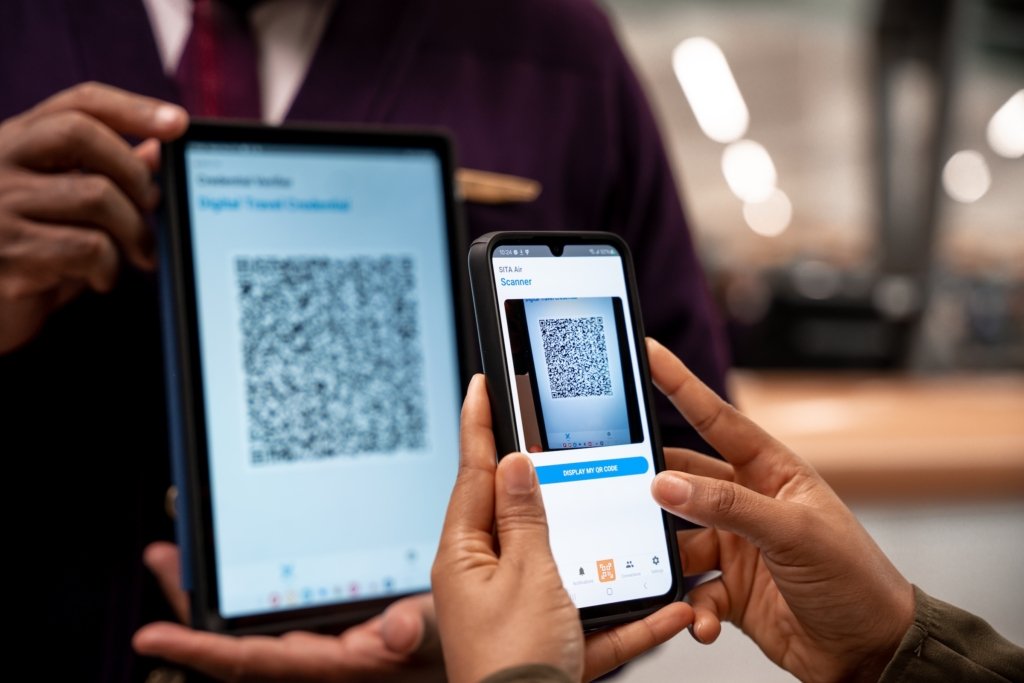
With common standards, passengers would be able to hold a digital version of their passport on their phone. Their identity would remain with them, much as they already use their phones for banking and other transactions. Having their credentials with them in this way can help address concerns about trust.
Widespread adoption will take time, perhaps five to ten years. Countries will need to adopt the standards and establish systems for recognising and trusting digital credentials.
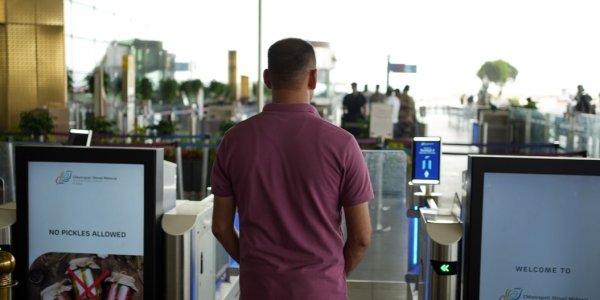
India’s Digi Yatra provides an example of how biometric processing is already being deployed and used. It allows passengers to move through airport checks with fewer manual interactions.
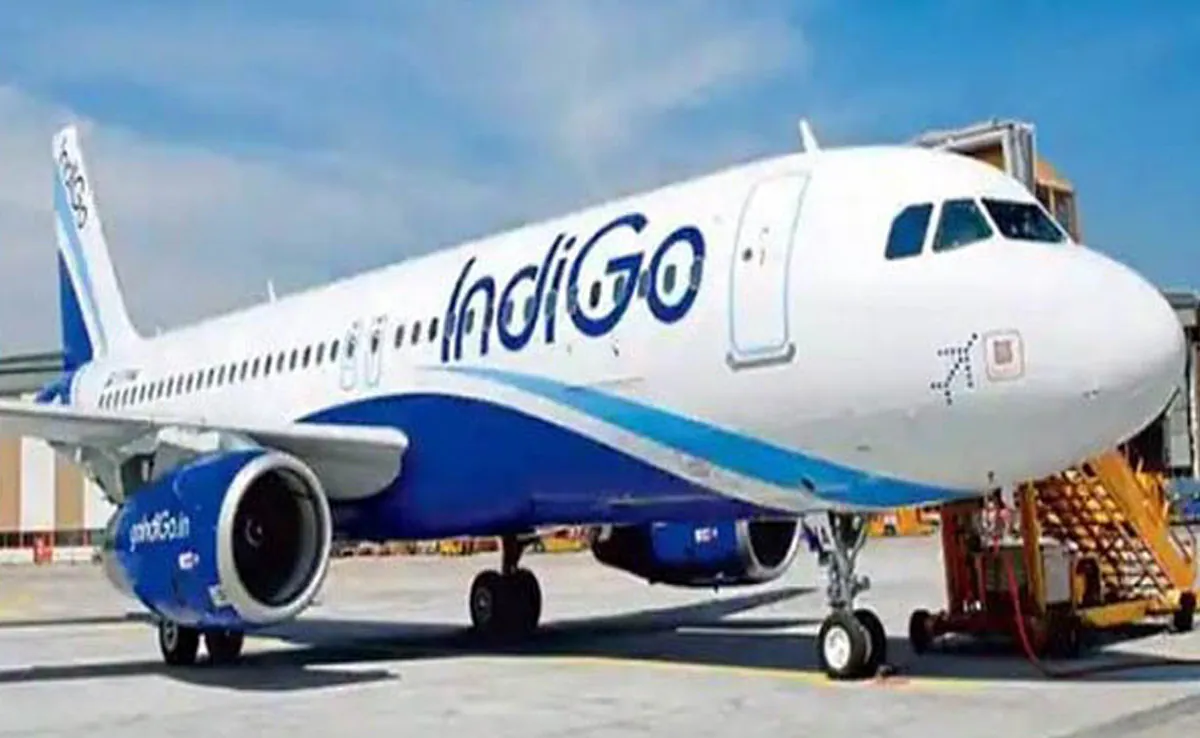
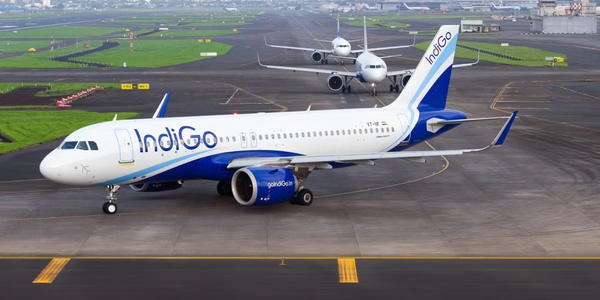
For international travel, we have demonstrated that the technology works. Through our work with Star Alliance, a digital identity can be recognised across participating carriers. A passenger connecting between Air India and IndiGo, for example, can use an identity that is validated within that network.
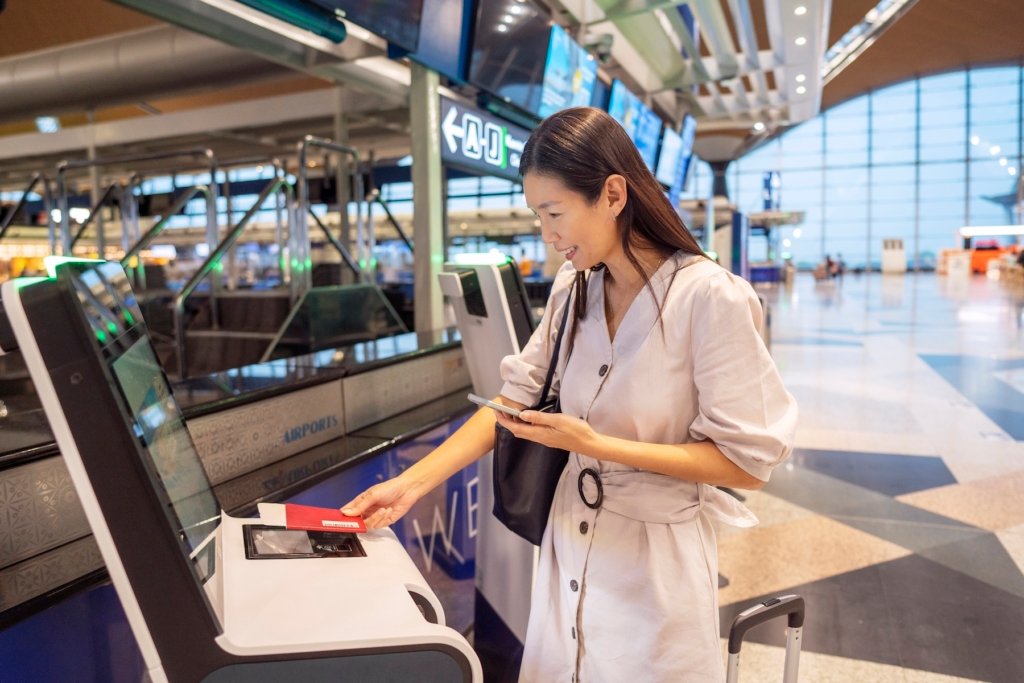
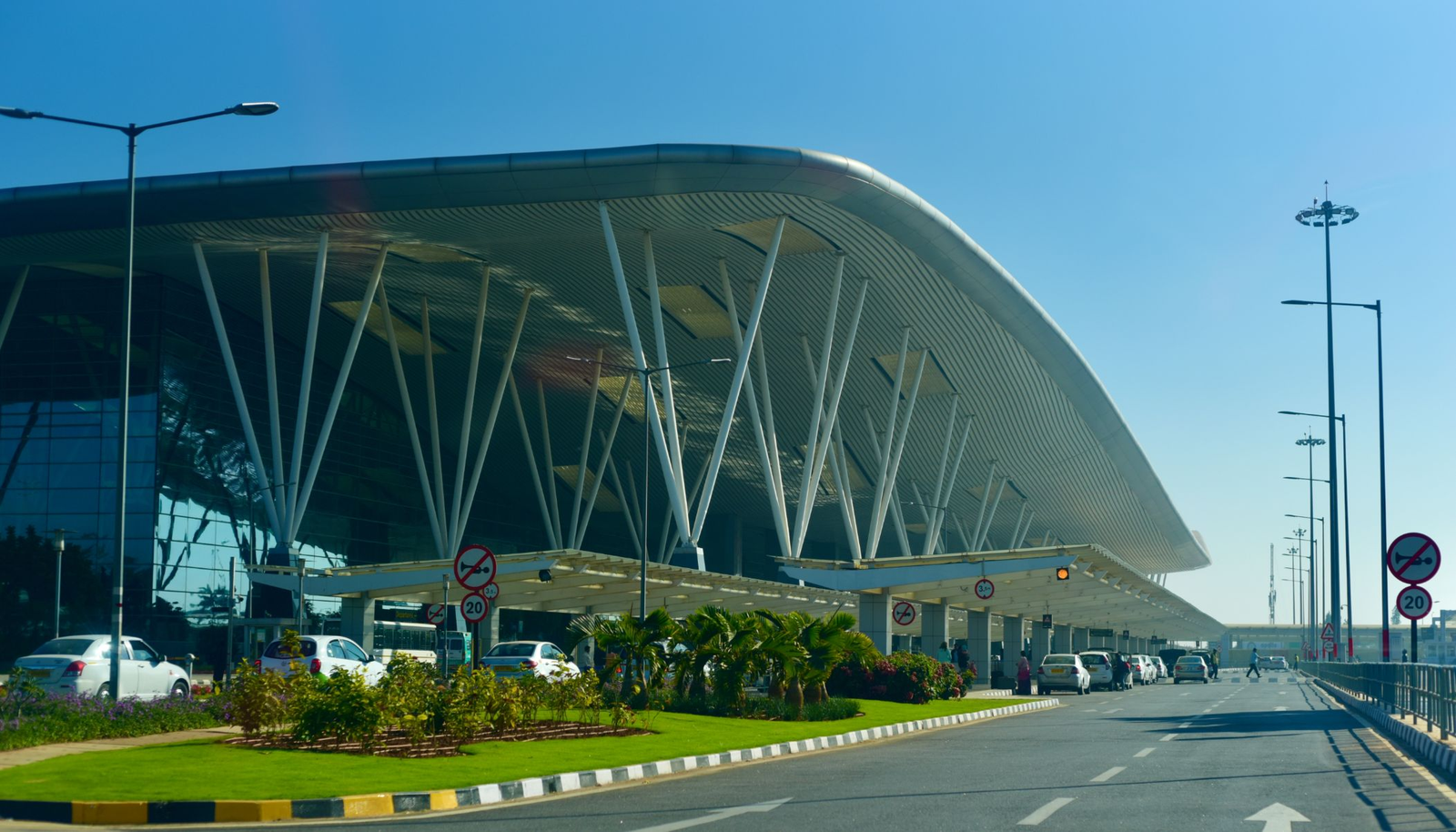
In India, we conducted a trial with the Digi Yatra Foundation, Bengaluru airport, IATA, and IndiGo involving international passengers flying to Doha.
The trial demonstrated that credentials issued in one system could be used in another, from airport entry to boarding.
Aruba provides another example. We worked with a US airport and Delta so that passengers checking in in the United States could use the same digital identity on arrival in Aruba.
Their credentials are shared with immigration, allowing them to pass through using that identity.
The same identity is also used for the coach transfer and hotel check-in. This shows how digital identity can support the entire journey, rather than air travel alone. It could extend to other services, including trains and cruises.
These systems have been deployed and are being used. Wider adoption depends on more airlines, airports and authorities recognising and accepting the credentials.
Where are the barriers to data sharing in Asia Pacific, and how is SITA addressing them?
Data sharing involves both passenger services and airport operations. Passenger services are progressing faster because airlines and airports both want to maintain a relationship with the traveller.
The airline wants to serve the passenger travelling on its aircraft, while the airport wants to serve that person during their time in the terminal.
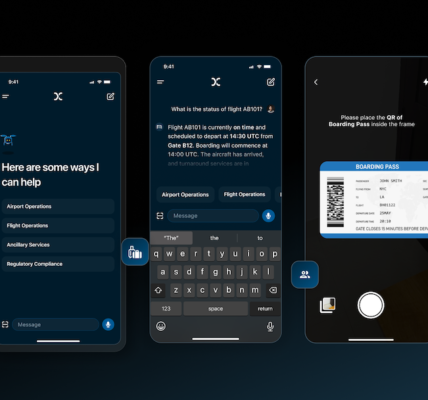
Our common-use infrastructure, deployed at almost 1,000 airports globally, has open application programming interfaces, or APIs. These allow airline and airport apps to connect to the infrastructure and provide services through their own channels.
For an airline, that could mean offering seat upgrades, meals or services from a partner through its app. For an airport, it could mean providing directions or relevant restaurant and shopping offers.
Airport apps such as Changi’s and Adani One can connect to these systems. Where passengers already use an app and have a profile, the airport can personalise its services according to their interests.
Operational data sharing is more complicated. A single aircraft turnaround involves catering, cleaning, baggage handling and several other teams. Most already have IT systems, but those systems often do not communicate with one another.
Our work on Total Airport Management brings information from these systems into a shared environment.
This includes airport operational databases, flight movements and air traffic control information.
Data from different sources is brought together and validated to establish a consistent operational picture.
AI uses the shared information to provide forecasts and recommendations, helping airport teams plan operations and make better-informed decisions.
The teams responsible for the operation retain control over those decisions.
For example, an aircraft assigned to Gate 62 may be delayed by 30 minutes. The airline and air traffic control may each hold part of that information.
Once it is brought together and checked, everyone affected can be informed.
The cleaning team then knows it does not need to wait at the gate. Catering and ground handling teams can adjust their schedules and use their resources elsewhere.
This matters as traffic grows. Asia Pacific is expected to account for more than half of global passenger traffic growth by 2043. Airports cannot simply double or triple their infrastructure, and finding twice as many people would also be difficult. They need to use their existing facilities and workforce more effectively.
How are you adapting Digi Yatra for expansion beyond tier-one and tier-two airports?
We have deployed the technology at 22 Airports Authority of India (AAI) airports using cloud infrastructure. Each airport therefore does not need to invest in a large installation of its own.
As tier-three and tier-four airports join, they can use the same core infrastructure. That makes expansion faster and more cost-effective.
We can also reuse the common-use equipment already installed at an airport. At a check-in counter, for example, we can add a FacePod and connect it to the existing system. There is no need to replace the entire installation.
Passengers can receive the same experience whether they are travelling through a smaller airport or a major metropolitan airport.
What systems is SITA providing to Indian airport operators, and how do the deployments differ?
We work with AAI, Adani and GMR, although the scope differs by operator.
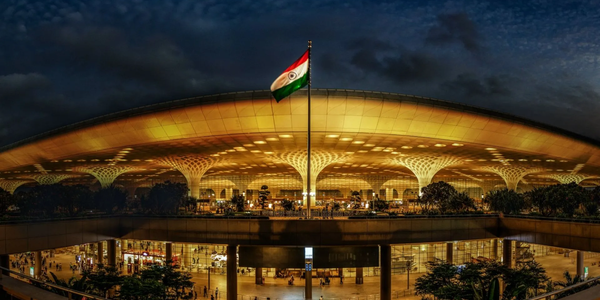
At seven Adani airports, we support passenger processing, including check-in, kiosks and self-service bag drops. We also provide airport management systems to help manage resources across the airport.
Mumbai uses an on-premises airport management system, while the six other airports use a cloud deployment. They can expand the service as required, share information and plan their costs more predictably. Adani was the first operator in Asia to deploy our airport management system in the cloud.

We also provide immigration kiosks at Mumbai and Thiruvananthapuram airports.
For AAI, we provide passenger processing systems for check-in, kiosks and self-service bag drops. This deployment is separate from Digi Yatra.
AAI required a cloud-based deployment system when it invited bids because of the size of its airport network.
The passenger processing deployment covers around 40 airports, with provision in the contract to expand to almost 80. It is the largest cloud deployment of passenger processing globally.
How can airports increase baggage processing capacity when terminal space is limited?
We are addressing this through equipment design and off-airport check-in.
Our acquisition of CCM Airports brings expertise in physical airport infrastructure alongside our passenger processing technology. CCM has worked at more than 300 airports. Its projects include check-in desks across Changi’s four terminals and first-class lounge interiors in Doha, including signage, lighting and seating.
At Frankfurt’s new Terminal 3, CCM has provided hybrid self-service bag drops.
The hybrid units are designed to reduce the floor space required by around 25 to 30 per cent, allowing airports to accommodate more units within an existing area.
Off-airport check-in can also reduce the number of passengers who need to use check-in counters and bag drops inside the terminal.
We are conducting trials of hotel check-in with Changi Airport and Singapore Airlines at Marina Bay Sands and the Fullerton Hotel. Passengers can check in their bags at the hotel, after which the airport takes responsibility for transferring them securely to the terminal.

A family checking out of a hotel in the afternoon for a midnight flight can spend the rest of the day without carrying their bags.
For the airport, it reduces the processing that needs to take place inside the terminal.
We have also worked with the Singapore University of Technology and Design (SUTD) to build a mobile check-in trolley.
When a hotel employee brings it to collect luggage, it can perform the functions of a check-in counter.
It can scan a passport, validate a visa, print a boarding pass and baggage tag, and accept the bag. Passengers can complete those processes at their hotel room.
We have a working prototype at our Singapore office. The concept could be used in other markets, subject to the arrangements needed for secure baggage collection and transfer.
In countries where governments have authorised third parties to provide those services, we have partnered with them to collect bags securely and bring them to the airport.
Who would pay for off-airport baggage services, and how would the charges be determined?
The business model depends on the airport and the market.
An airport facing capacity constraints might fund part of the service. It might also want to provide it as an additional passenger service or strengthen its position as a regional hub.
Some passengers are willing to pay for the convenience. A parent travelling alone with three children and six bags, for example, might be happy to pay $50 to have the baggage taken care of.
Our survey indicates that passengers are willing to pay for this kind of service. However, we have not established a price ceiling.
A high-volume market such as India could support a different charging model from Singapore or Switzerland. The volume of passengers using the service would influence its economics and pricing.
How soon do you expect wider adoption of off-airport check-in?
I expect wider adoption within the next two to five years because services are already operating.
With SITA Flex, we can use a compact baggage-tag printer, roughly the size of a shoebox. Passengers scan the QR code received after checking in, and the printer prints their tag.
We worked with Lufthansa on this for its Lufthansa Express bus service between Nuremberg and Munich, which replaces the flight between the two cities. Passengers printed and attached their baggage tags during the journey. On arrival at the airport, they could drop their bags without first joining a check-in queue.

We have also worked on services at train stations, including with SNCF in France and at KL Sentral in Kuala Lumpur.
KL Sentral has a permanent installation with two self-service bag drops and four check-in kiosks. It has been operating for around three years.
Passengers can complete check-in and drop their bags in the city, then spend the rest of the day without their luggage before travelling to the airport.
Similar arrangements could work in India. A location near hotels or business districts would allow passengers to drop their bags, attend meetings or go shopping, and take an evening flight.
Where are airlines seeing measurable returns from AI?
Airlines are investing heavily in AI. In Asia Pacific, 98 per cent of airlines use it in some form, but establishing the return on investment remains a challenge.
Most customers we speak to are still conducting proofs of concept or trials to assess the benefits. AI can improve efficiency, flexibility and productivity, but airlines need to determine what those improvements deliver in practice.
One area where we are seeing results is OptiClimb, the climb optimisation solution within SITA OptiFlight. It uses AI and machine learning to improve fuel efficiency.
Aircraft, like people, have individual characteristics. Even aircraft of the same type, whether a Boeing 747, 777, or an Airbus A380, can perform differently.
We use aircraft-specific data to recommend climb profiles, including speeds, that can reduce fuel consumption and carbon emissions.
The technology has been deployed across about 59 airlines globally, with fuel savings of 127,732 tonnes in 2025. Across India, the technology now processes around 80,000 flights a month, saving more than 2,000 tonnes of fuel a month.
Those savings relate to the climb phase alone. The technology for cruise and descent is also ready, and one airline is already trialling it. Air India and IndiGo are discussing the next stage with us after seeing the benefits of the initial work.
Why has AI been harder to implement at airports, and where can it improve performance?
Airlines are somewhat ahead because they can introduce AI within activities they control, including passenger services, sales and their own operations.

Airports work with multiple organisations. Introducing a system often requires coordination across those stakeholders, which makes implementation more complicated.
We are seeing more applications on the operational side. Information from air traffic control can help airports plan aircraft movements, coordinate ramp activity and improve turnarounds. These improvements also benefit passengers.
AI can support commercial decisions as well. Airports can predict footfall around restaurants and duty-free outlets and use those forecasts to identify opportunities to increase visits and sales.
What should Asia Pacific airports prioritise to handle traffic growth without doubling their infrastructure?
The priority is better coordination between the organisations managing airport operations. Total Airport Management can help by bringing their information into a shared operational picture.
Airport congestion also involves air traffic management, aircraft movements and turnarounds. Improving these processes can help airports accommodate more arrivals and departures.
Airports recognise the need and are investing in technology. Shared information, supported by AI analysis and recommendations, can help their teams make better decisions about the overall operation.
Also Read: How SITA Is Transforming Airline Operations