




Daher Aircraft highlights expanding role of its Kodiak and TBM airplanes in wildfire response

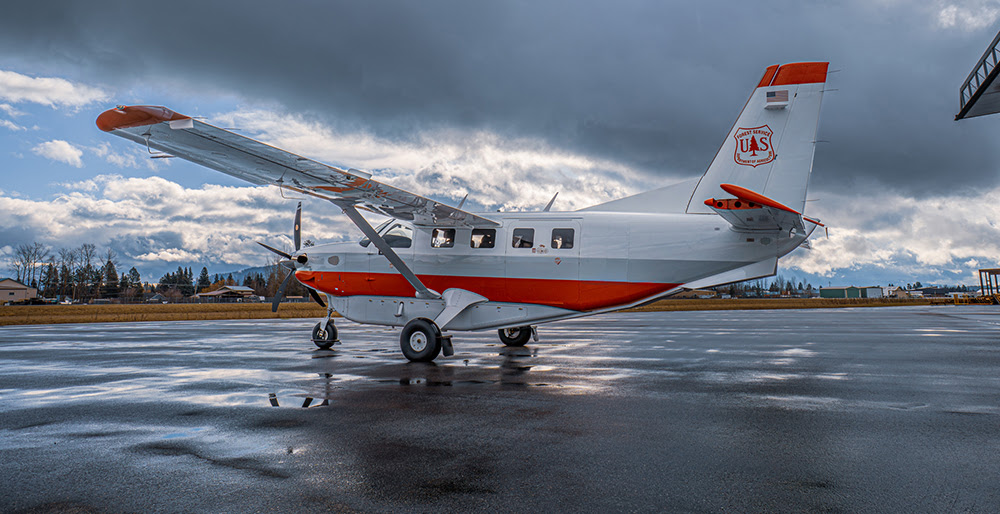
From Canada and the Pacific Northwest to Florida in the southeastern United States, Daher Aircraft-built Kodiak and TBM airplanes are on the front lines of wildfire response, providing aerial supervision, coordinating air tanker drops and delivering real-time situational awareness during demanding missions.
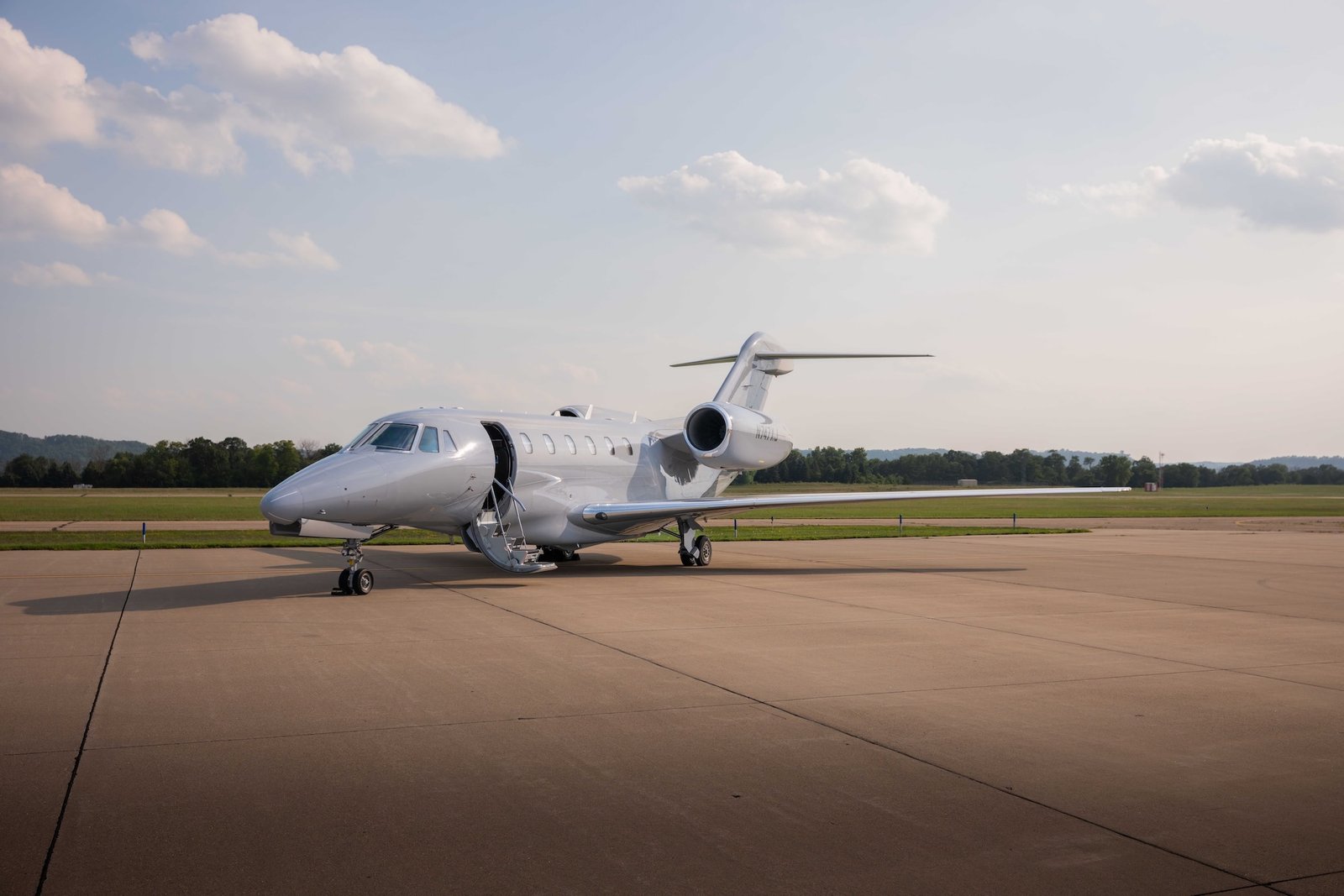
Government agencies and private operators increasingly rely on the Kodiak 100 and the larger Kodiak 900 version for aerial firefighting support and multi-mission applications. The TBM 960 has entered service as an airborne command-and-control platform, with duties that include monitoring the fire zones, assessing risks, and strategizing the deployment of water/retardant by air tankers.
“Our Kodiak and TBM bring complementary strengths to aerial wildfire operations,” explained Nicolas Chabbert, Daher Aircraft’s CEO. “The Kodiak combines ruggedness, excellent handling qualities and multi-mission adaptability; while the TBM delivers the speed, efficiency and versatility needed to cover distances quickly and respond to changing operational demands. Together, they demonstrate the breadth of Daher Aircraft’s capabilities in support of those working to protect communities and natural resources.”
Integrating communications for demanding missions
The unpressurized Kodiak’s advantages for aerial wildfire operations include long endurance and excellent handling qualities – particularly at low speeds – along with short takeoff and landing (STOL) performance that enables operations from backcountry and semi-prepared airfields.
As the Kodiak and TBM fleets expand in wildfire response, Daher Aircraft has strengthened its in-house capabilities for integrating specialized multi-mission systems, enabling the company to respond to increasingly demanding customer requirements.
One recent project involved a new-production Kodiak 100 Series III for the U.S. Forest Service. At Daher Aircraft’s Sandpoint, Idaho, facility, the airplane underwent comprehensive systems integration to support the agency’s wildfire management, aerial supervision, forest health and logistics operations.
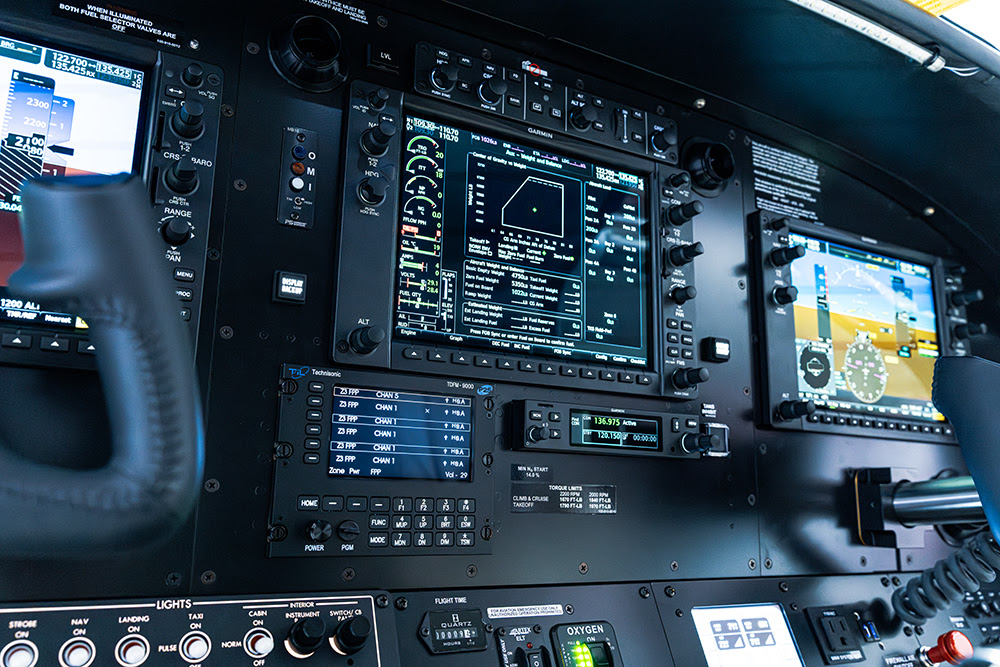
A central element of the integration was Daher Aircraft’s installation of the Canyon AeroConnect digital communications control system, which connects the pilot, copilot and cabin operator console. The configuration enables personnel at all three positions to communicate across multiple radios while retaining the flexibility to operate independently when required. This interoperability supports coordination among airborne crews, ground personnel and other agencies during complex missions.
The project required extensive engineering and maintenance support to integrate the communications equipment and other mission systems while meeting the U.S. Forest Service’s operational and contractual requirements.
“This integration represented a significant step forward for our team in both complexity and the level of capability delivered,” said Paul Carelli, Senior Director of Multi Missions and Business Development – Americas at Daher Aircraft. “The challenge goes well beyond installing individual pieces of equipment. The systems must work together reliably, the different crew positions must be able to communicate effectively, and the aircraft must meet the customer’s specific mission requirements. The experience on this project strengthens our ability to deliver this level of integration for future customers.”
The U.S. Forest Service has operated Kodiak 100s since 2015. Acquiring the latest Kodiak 100 Series III airplane builds on this government agency’s experience – maintaining fleet commonality and established training and maintenance practices.
A growing Kodiak customer base in the aerial firefighting sector
Kodiaks are deployed by an increasing number of operators involved in aerial wildfire attack and other missions.
One of the latest customers is the Montana Department of Natural Resources and Conservation (DNRC), for which Daher Aircraft has completed a communications-focused integration on a new Kodiak 900. This airplane is intended for multiple applications that range from aerial fire attack to personnel transportation and conservation-related activities.
The integration includes a Canyon AeroConnect digital audio control system and an expanded radio configuration, together with an Air Tactical Group Supervisor (ATGS) capability. From the rear operators’ station, the observer can monitor radio communications while observing activity on the ground – supporting the coordination of aerial firefighting resources.
The Montana DNRC project demonstrates how Daher Aircraft can tailor an airplane’s systems to different operational requirements. While the U.S. Forest Service’s Kodiak 100 Series III received a broader range of modifications, the Montana DNRC’s Kodiak 900 focused on communications and radio capabilities suited to its intended missions.
Also based in the state of Montana is a long-time user of Kodiaks: Bridger Aerospace, which has a fleet of four Kodiak 100s deployed for air attack-related aerial supervision, mapping, detection operations and multi-mission intelligence.
In the Pacific Northwest, the Washington State Department of Natural Resources operates two Kodiak 100s for firefighting missions. Across the country in the southeastern United States, the Florida Forest Service has acquired two Kodiak 100s for fire patrol, transportation and Air Tactical Group Supervisor duties. Equipped with advanced multipurpose infrared cameras, these Florida-based aircraft are capable of mapping fires and locating hotspots in support of wildfire response.
Another U.S. operator is the North Carolina Forest Service’s Aviation Division, which utilizes a Kodiak 100 as a “load aircraft” to carry equipment and supplies to operational locations in support of aerial tankers in the wildfire suppression role.
The TBM 960 as a “birddog” aircraft for the Conair Group
Canada’s Conair Group has acquired and converted two new-production TBM 960s as airborne command-and-control platforms that coordinate airtanker drops and provide real-time strategic oversight during aerial firefighting operations.
Conair selected the pressurized TBM 960 after evaluating 50 aircraft types, with the two Daher-built aircraft first entering operational service during the 2025 wildfire season in British Columbia. Benefits cited by Conair for the TBM 960 include the speed to keep pace with large air tankers and the visibility needed to maintain a clear view of aircraft operating in crowded airspace. The airplane’s stable handling at slower speeds also enables crews to guide air tankers toward designated drop locations over wildfires.

Aviation Jeta is an aviation news platform covering airlines, airports, aircraft, and global aviation developments. We publish accurate, well-researched, and detailed aviation news and industry insights from around the world.