




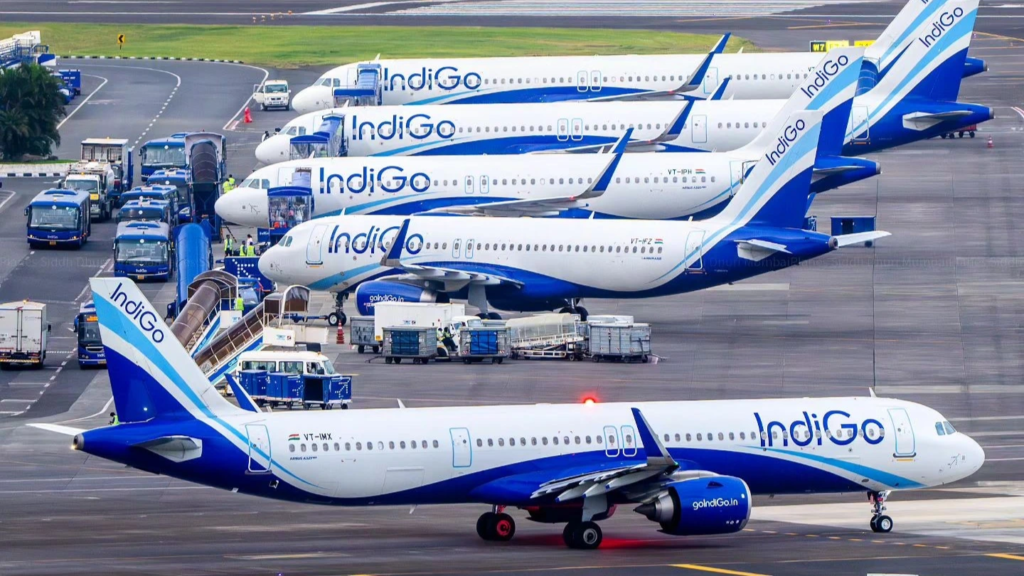
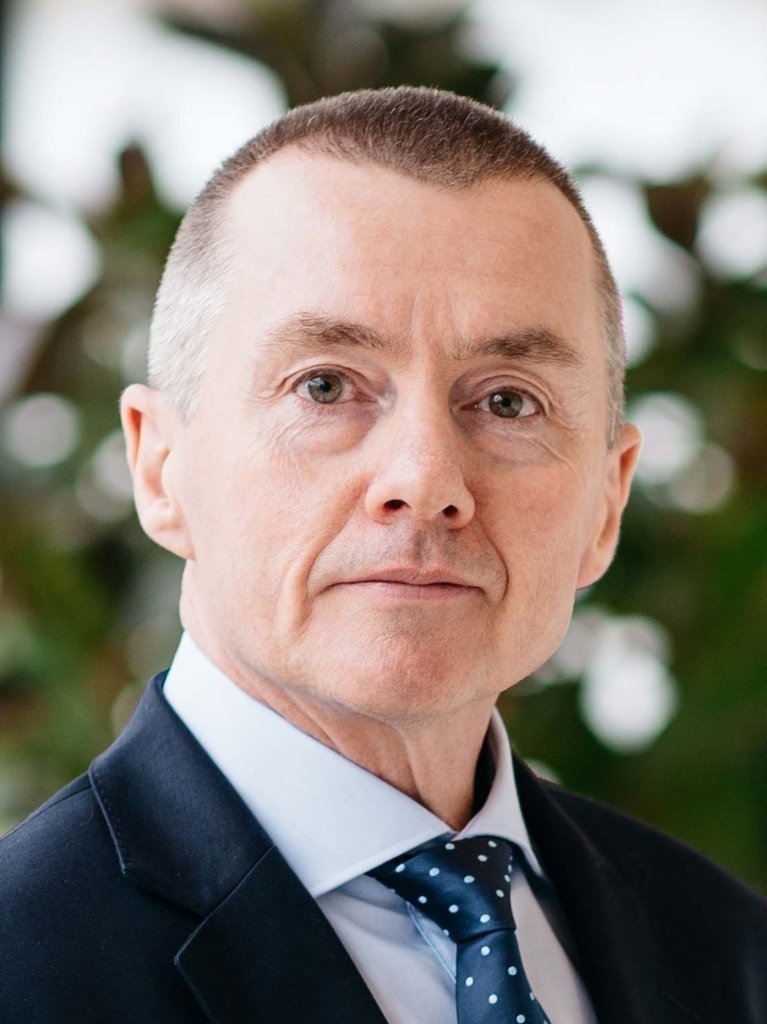
IndiGo CEO Willie Walsh, who joined IndiGo on August 3 this year, said that in his 47 years in the industry, he had not seen such a surge in aviation fuel prices, impacting airlines worldwide. During a conference call following IndiGo’s Q2 results announcement, Walsh said the unprecedented increase in aviation fuel prices had pushed fuel costs to over 60% of operating expenses at some airlines.
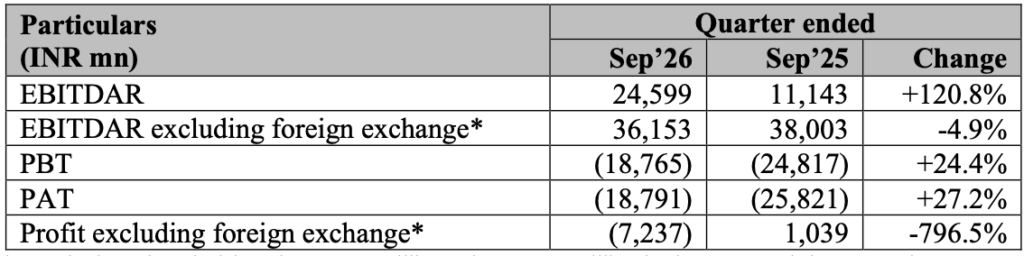
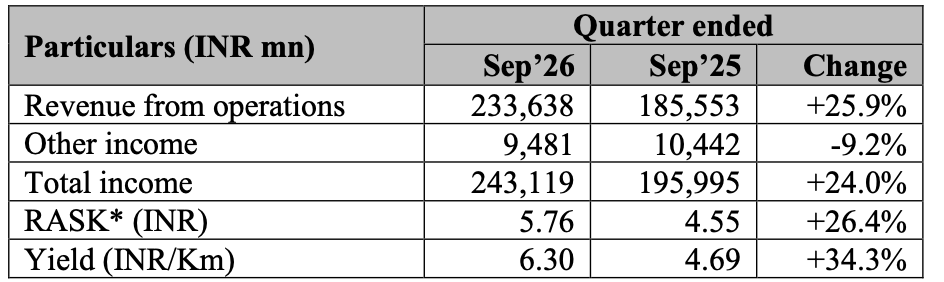
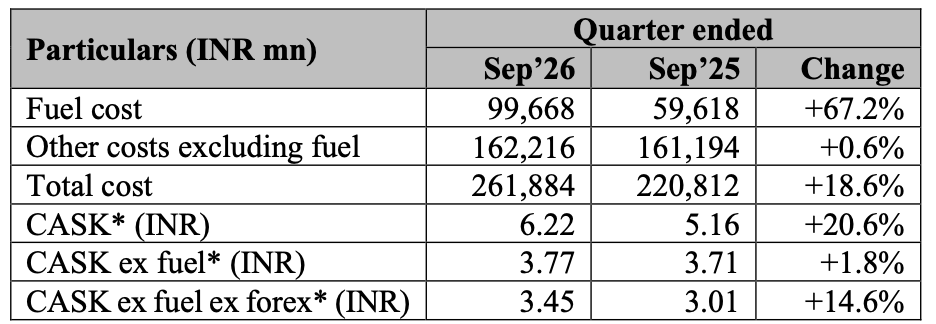
IndiGo reported a consolidated net loss of ₹18,791 million for the quarter ended September 30, 2026, narrowing from a loss of ₹25,821 million in the corresponding period last year. The airline’s fuel bill rose 67.2% year on year to ₹99,668 million, while total income increased 24% to ₹243,119 million. Revenue from operations grew 25.9% to ₹233,638 million.
At IndiGo, fuel costs accounted for about 38% of total expenses in the September quarter, underscoring the pressure the industry is facing as fuel prices remain elevated amid geopolitical turmoil.
Walsh said the increase in fuel costs had been only partly offset by fare increases and fuel surcharges, which covered around 60% of the rise in the fuel bill. He warned that elevated jet fuel prices could persist through the rest of the financial year, partly because of high refining margins, and said the airline could face further pressure in the December quarter. However, he added that the industry would adapt itself to the scenario.
Walsh said the airline did not intend to delay its longer-term growth plans because of higher fuel prices. Airlines historically, he added, adapted to changing fuel conditions through pricing, capacity and operational decisions.
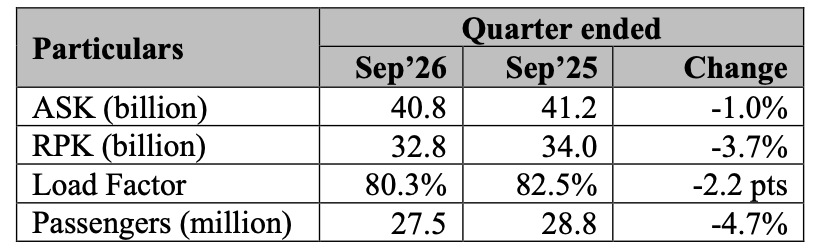
The airline responded to the higher costs through capacity management and yield improvements. Available seat kilometres (ASKs), a measure of capacity, declined 1% to 40.8 billion, while passenger numbers fell 4.7% to 27.5 million. The passenger load factor dropped 2.2 percentage points to 80.3%, while passenger yield increased 34.3% to ₹6.30 per kilometre.
Fuel cost per available seat kilometre increased by 68.9% to ₹2.44. Total expenses rose 18.6% to ₹261,884 million, although non-fuel costs increased only 0.6% to ₹162,216 million. Cost per available seat kilometre, or CASK, rose 20.6% to ₹6.22. Excluding fuel and the impact of foreign exchange, CASK increased 14.6% to ₹3.45.
Rupee Depreciation Adds to the Woes
The depreciation of the rupee has added to the challenge, as a substantial share of airline costs is denominated in US dollars. Walsh said around 50–60% of IndiGo’s non-fuel costs were dollar-denominated.
Excluding foreign-exchange effects, the airline reported a net loss of ₹7,237 million, compared with a profit of ₹1,039 million a year earlier. Earnings before interest, taxes, depreciation, amortisation and rentals (EBITDAR), excluding forex impact, stood at ₹36,153 million, against ₹38,003 million in the year-ago quarter.
The airline also incurred significant additional costs associated with its Norse wet-lease arrangement, which ended in October. Walsh said these costs would no longer recur after the arrangement concluded. He added that IndiGo had a strong liquidity position, with free cash of ₹399,290 million at the end of the quarter, giving it flexibility to manage near-term pressures.
IndiGo expects capacity, measured in available seat kilometres (ASKs), to grow by early single digits in the December quarter compared with the corresponding period last year.
Walsh said the airline would continue to review its network and capacity as conditions required, while maintaining its long-term domestic and international growth plans. He described demand as robust, with the December quarter typically benefiting from the festive season.
Committed to Passenger Experience
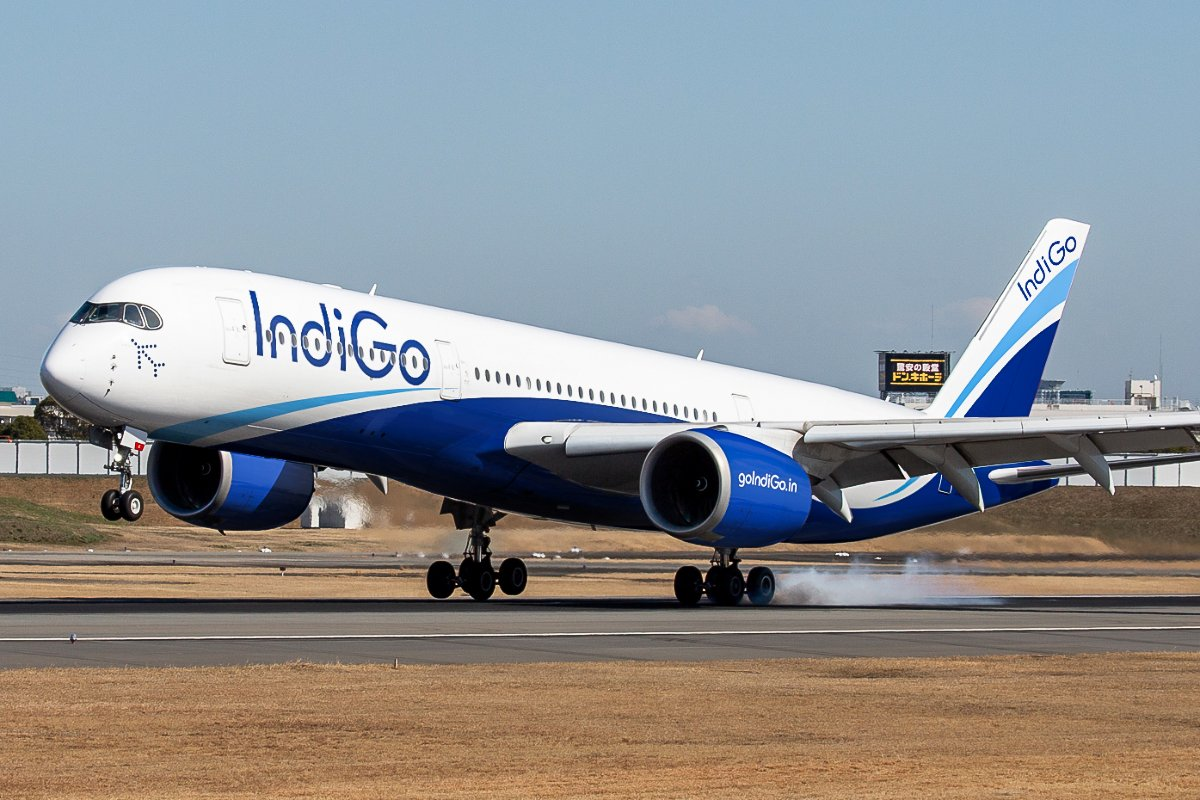
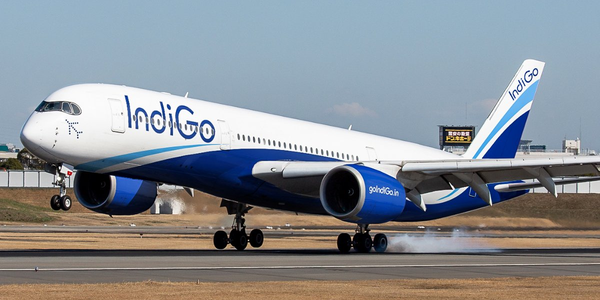
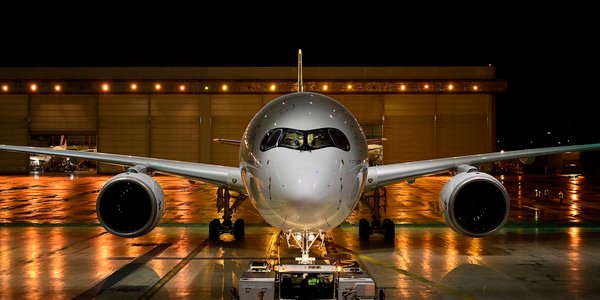
IndiGoStretch, the airline’s premium cabin product, is now operating on 23 routes. Walsh said the company remained committed to the product, pointing to strong global demand for premium travel. Its longer-term international strategy also remains on track, with the Airbus A350 expected to enter service in the second or third quarter of 2028.
Pointing to the scale of the international travel market, he cited 78 million international passengers in India last year, compared with 79 million international passengers handled by London Heathrow Airport alone. He said there was considerable scope for Indian carriers to serve more of the country’s international traffic.
Geopolitical disruption has affected IndiGo’s West Asia operations, with daily flights to the region falling from around 140 to approximately 100. Walsh said the airline was reviewing decisions over a seven-to-14-day horizon, with safety remaining the top priority.
IndiGo, he said was not participating in the government’s fuel-price stabilisation scheme but will continue to monitor it and engage with the government at the appropriate time.
“The seasonally soft September quarter saw exceptionally elevated fuel costs and continued geopolitical turmoil. We responded with prudent capacity reduction and yield management, supporting strong revenue performance but only partially offsetting the higher costs. Despite these actions, the quarter resulted in a net loss of around 19 billion rupees. We remain focused on managing the near-term challenges while continuing to invest for the future. India’s long-term aviation opportunity remains compelling, and our priorities remain clear: safe and reliable operations, rigorous cost discipline, and disciplined growth that creates sustainable value,” Walsh said.
Also Read: IndiGo Q1 FY27 Results: Strong Revenue Growth
Chandrakanth R has over four decades of journalism experience, including 25 years as Chief Reporter at The Hindu and four years as Editor of Media One, Dubai. Since returning to India, he has specialised in aerospace and defence and regularly covers major international industry events.