







Asia’s airport expansion raises questions about what to build—and how to make it last

- PTE Asia 2026 examined the region’s investment challenge, from Thailand’s capacity expansion to demand for new airports in India and Indonesia, while discussing how to fund flexibility, scale sustainability and redesign passenger journeys
- PTE Asia returns on 24-25 November 2027 in Singapore
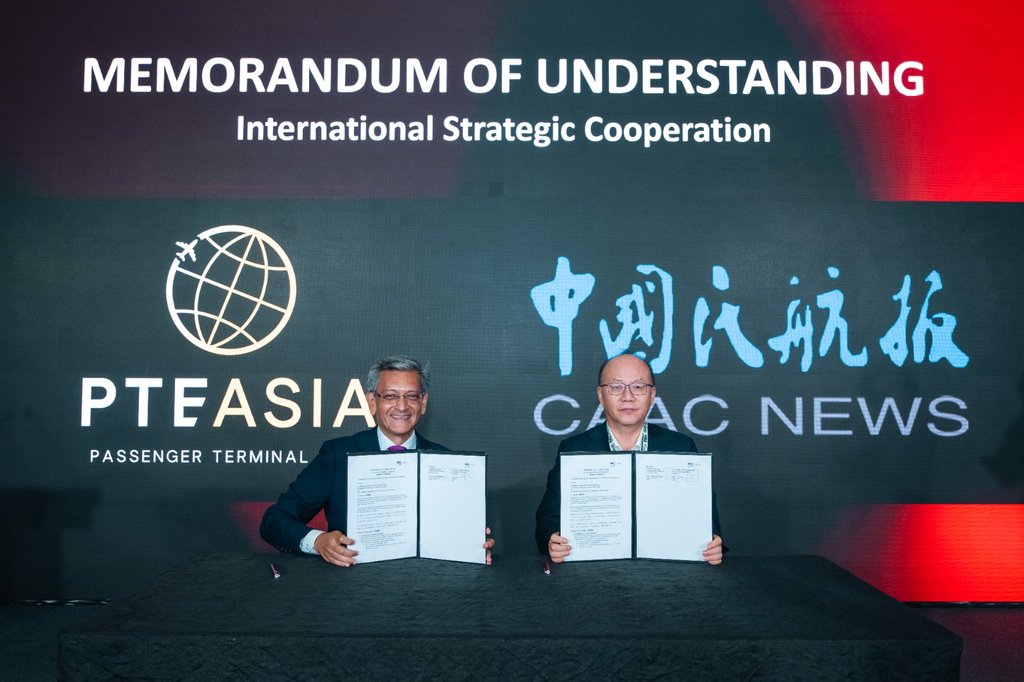
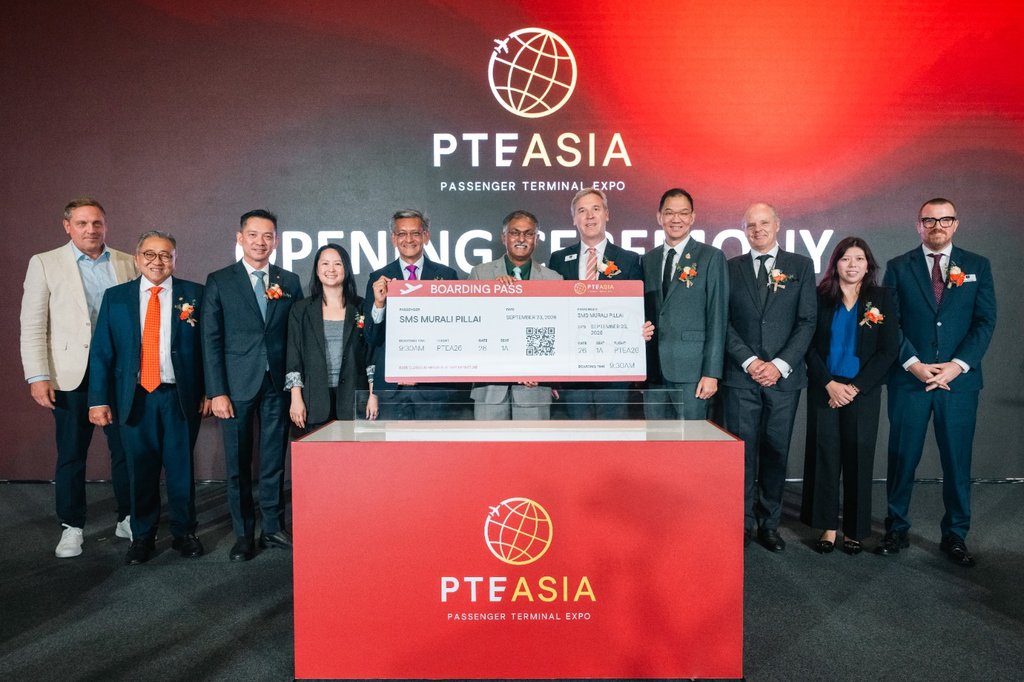
How can airports build for flexibility today when tomorrow’s requirements remain uncertain? Can sustainability initiatives generate enough value to help finance their adoption? And if AI changes how passengers check in and handle baggage, what happens to terminals designed around those processes?
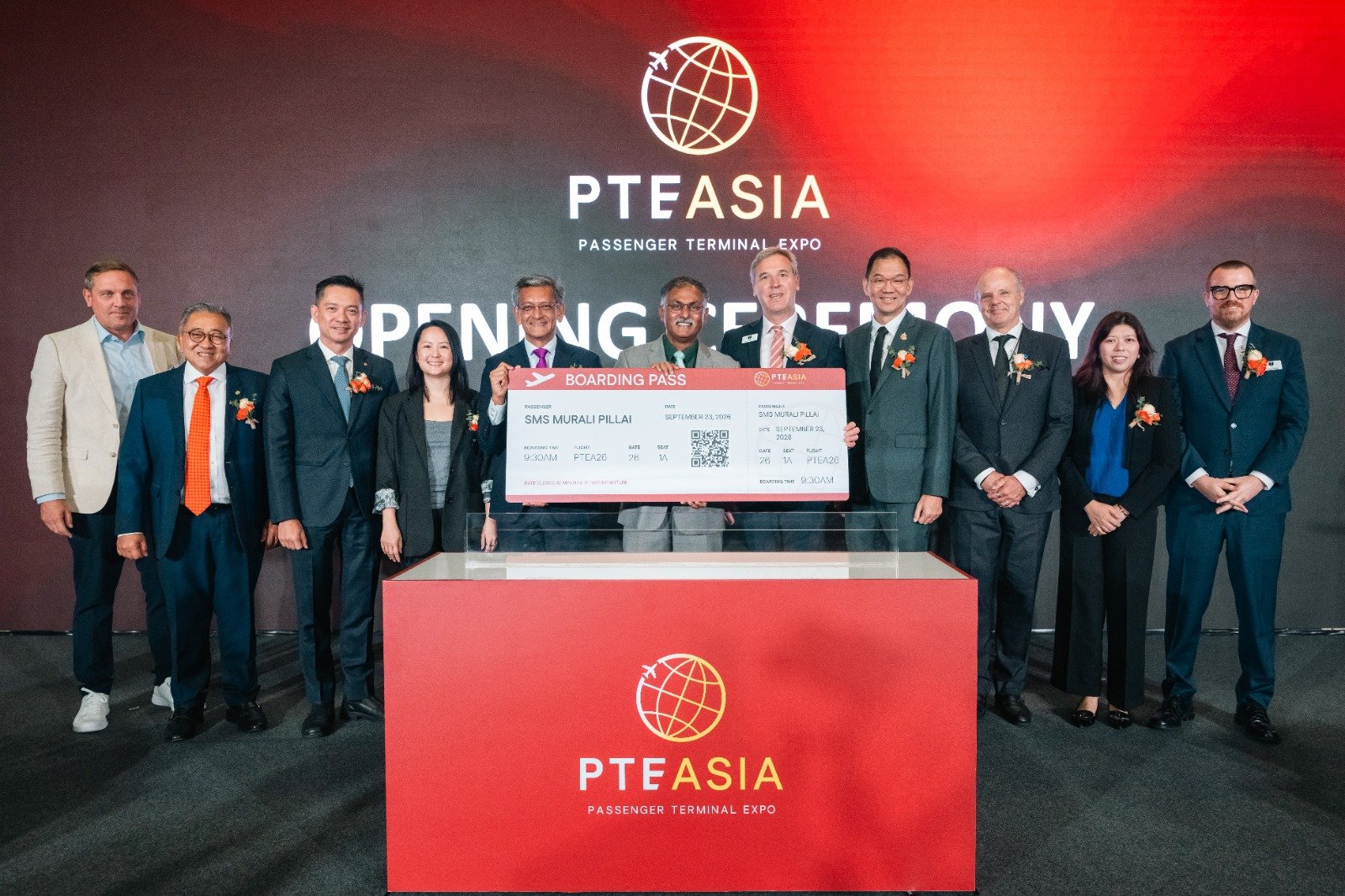
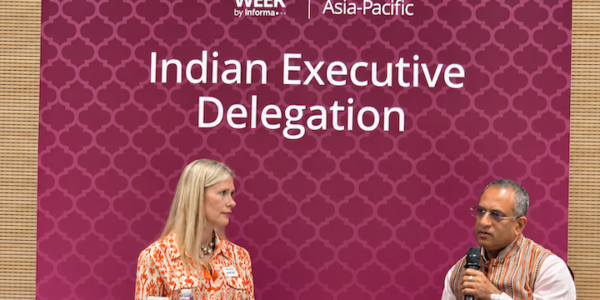
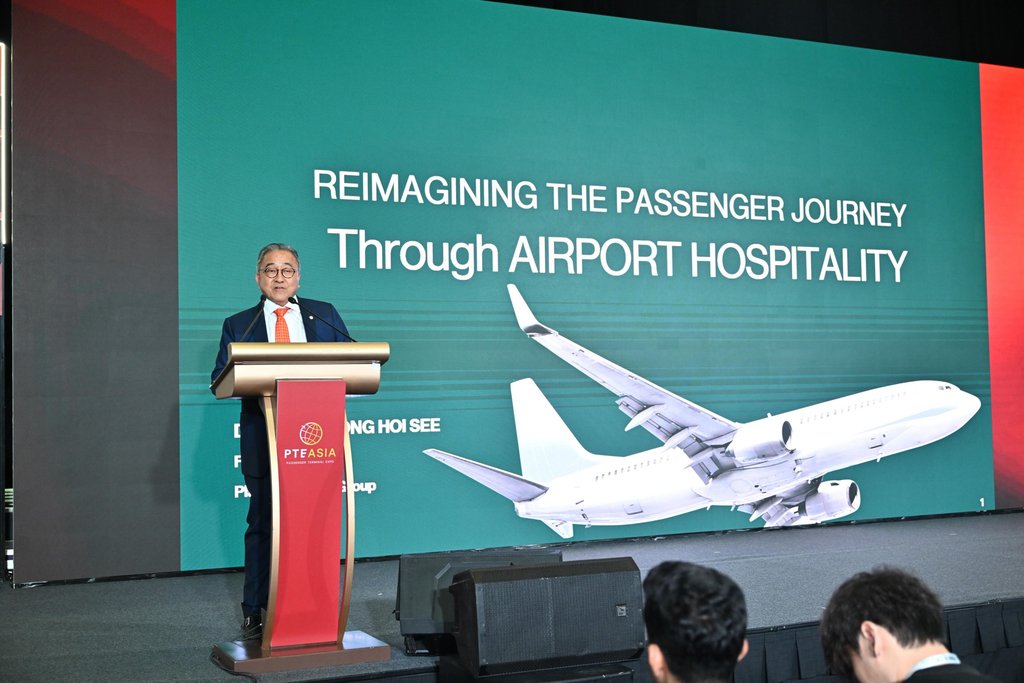
These questions, and many others, emerged at Passenger Terminal Expo Asia 2026 (PTE Asia), as airport leaders examined the investment and operational decisions shaping aviation’s next phase of growth.
Held in Singapore on 23–24 September 2026, the conference explored the ideas of building long-lived infrastructure amid rapid technological change. An insights report from the event drawing on 93 sessions identified the key objectives: airports must expand capacity while managing designs, systems and financial assumptions in a dynamic environment.
“Airport growth is creating an extraordinary opportunity, but it also raises practical questions about capacity, security, sustainability and how every part of the passenger journey works together,” said Dominic Pinfold, organiser of PTE Asia. “Our first PTE Asia gave the industry a place to compare real solutions, learn from projects across different markets and build the partnerships needed for the next phase of airport development.”
Asia’s growth makes the choices urgent
Looking ahead, the scale of investment required across the aviation sector remains significant. ACI Asia-Pacific & Middle East estimates that airports globally will require US$2.4 trillion in capital investment by 2040, including US$1.3 trillion in the Asia-Pacific region. With the region accounting for approximately 40% of international passenger traffic, the outlook reinforces the importance of continued investment, collaboration and innovation across Asia-Pacific.
Presentations illustrated how that demand is translating into investment. Airports of Thailand outlined an US$11 billion programme to increase annual capacity from 116 million to 205 million passengers over a decade, including Suvarnabhumi’s planned South Terminal, designed to add capacity for another 50 million passengers.
The report also highlighted requirements for 100 new airports in India and 39 in Indonesia, where development must support connectivity across an archipelago of approximately 17,000 islands.
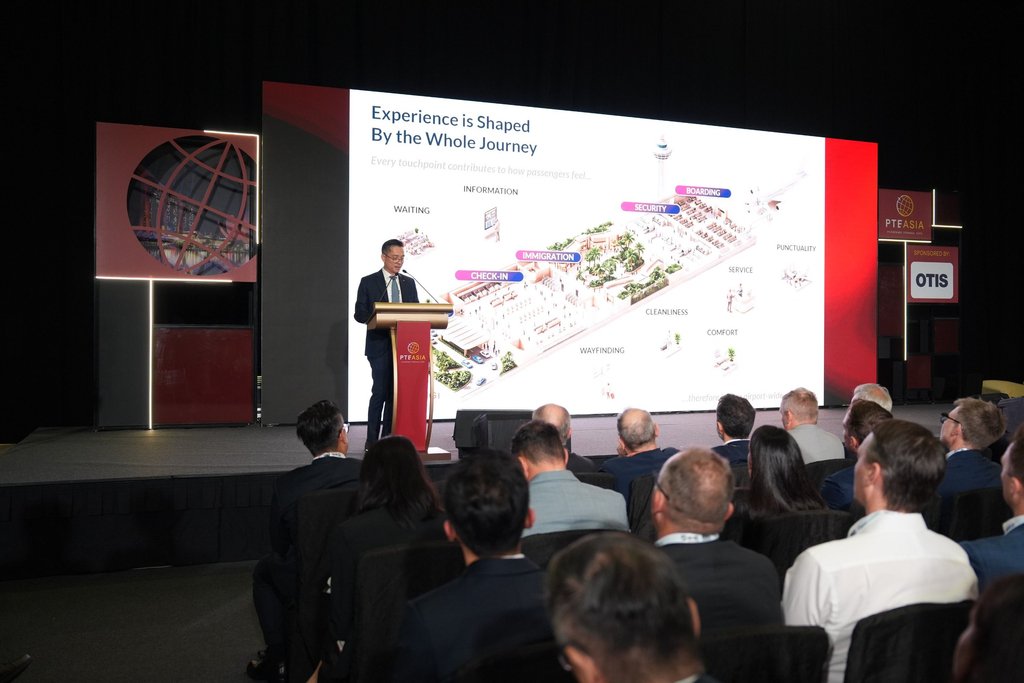
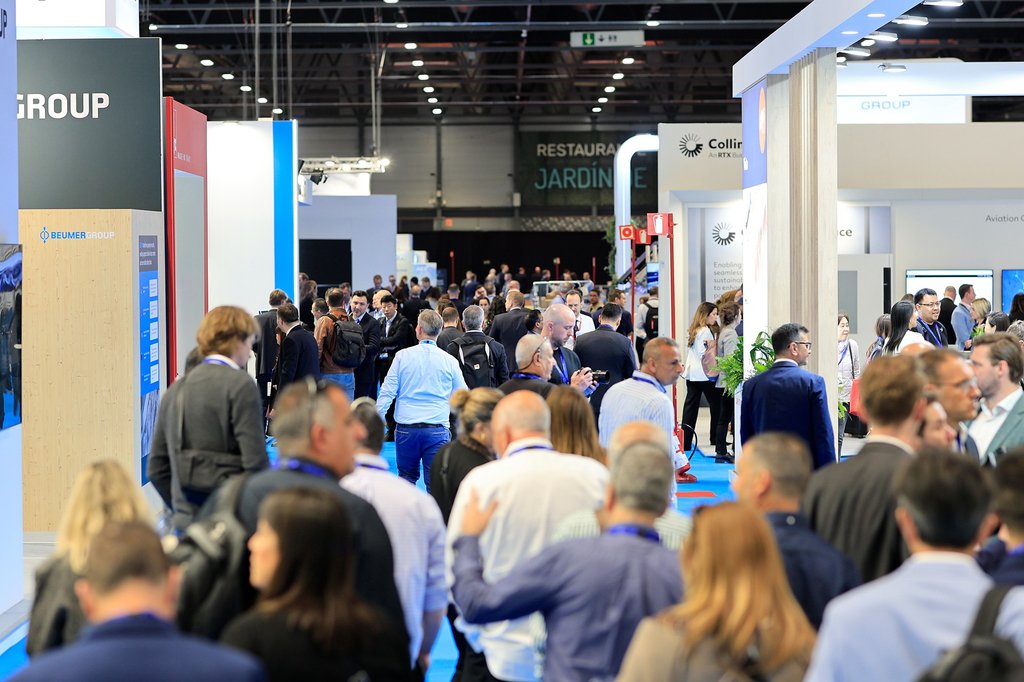
Speakers highlighted early design definition, phased capacity, prefabrication and clear governance as ways to reduce uncertainty. Operational readiness discussions stressed the importance of involving airlines and frontline teams early, and rehearsing complete airport operations before opening day.
If AI changes the journey, what changes in the terminal?
AI discussions examined how airports can rethink established processes, rather than simply automate them. That raised an important planning question: if check-in becomes unnecessary or baggage moves independently of passengers, how should airports use space currently allocated to counters, queues and reclaim halls?
Examples from Asia demonstrated the potential benefits of operational change with a Kansai case study in which passenger throughput increased from 4,500 to 6,000 passengers per hour, accompanied by a 30% rise in duty-free and food and beverage spending within three months.
Speakers nevertheless emphasised that effective AI depends on reliable operational data, secure information sharing and human expertise. Passenger journeys must accommodate both confident self-service users and travellers who need visible assistance.
Can sustainability help pay for itself?
The conference also examined whether environmental improvements could create sufficient commercial value to sustain investment through competing budget priorities.
Case studies showed that cost and carbon reductions can align. According to the report, a structural engineering change at San Diego’s Terminal 1 reduced steel requirements by 4,000 tonnes, cut embodied carbon by 30% and saved US$53 million.
Commercial discussions highlighted the need to integrate revenue planning into terminal design. Non-aeronautical activities account for 43.5% of airport income in Asia-Pacific and the Middle East. Changi’s Jewel illustrated the potential to attract visitors beyond the travelling public: the report cited 83 million visitors, approximately 60% of them local, positioning the airport as a destination in its own right.
The discussions identified practical priorities for airport leaders: design around passenger demand, establish dependable data before scaling AI, rehearse disruption and opening-day operations, and assess sustainability alongside commercial performance.

Aviation Jeta is an aviation news platform covering airlines, airports, aircraft, and global aviation developments. We publish accurate, well-researched, and detailed aviation news and industry insights from around the world.