









The Future of Aerospace Will Be Defined by Engineering Integration, Not Individual Technologies

For decades, aerospace innovation has been measured by breakthroughs in propulsion, materials, avionics or manufacturing. Today, the industry is entering a different phase of transformation. The competitive advantage is no longer determined by a single technological breakthrough. Instead, it will depend on how effectively the entire engineering ecosystem works together.
Aircraft programmes have never been more complex. Manufacturers are simultaneously working to increase production rates, improve operational efficiency, strengthen supply chain resilience, accelerate certification timelines and meet ambitious sustainability goals. At the same time, airlines are demanding greater reliability, faster maintenance turnaround, fuel efficiency and enhanced passenger experiences. Solving these challenges requires more than isolated technology investments. It requires connected engineering.
This shift is becoming increasingly evident across the global aerospace industry. Digital engineering, AI, model-based systems engineering, connected manufacturing and predictive maintenance are all advancing rapidly. Yet their true value is realised only when they are integrated into a continuous engineering lifecycle rather than deployed as standalone capabilities.
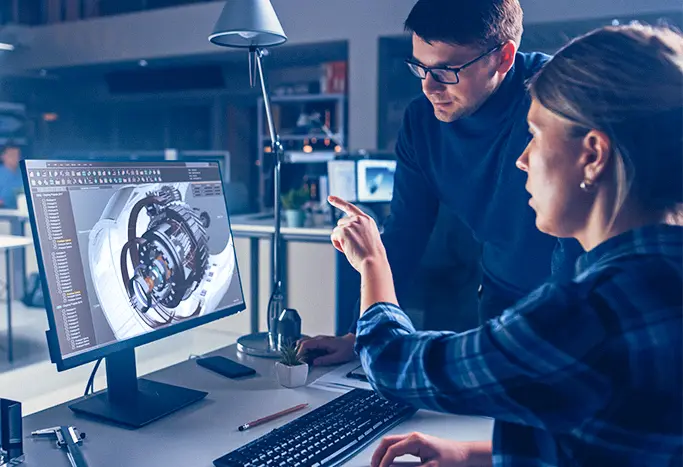
Artificial intelligence provides a good example. Much of the public discussion has focused on AI replacing engineering decisions.
In reality, aerospace is taking a more measured approach. AI is proving most valuable where it helps engineers work faster, analyse larger volumes of information, automate repetitive tasks and improve documentation quality, while human expertise remains central to design, certification and safety.
This balanced adoption reflects the industry’s uncompromising standards for reliability and regulatory compliance.
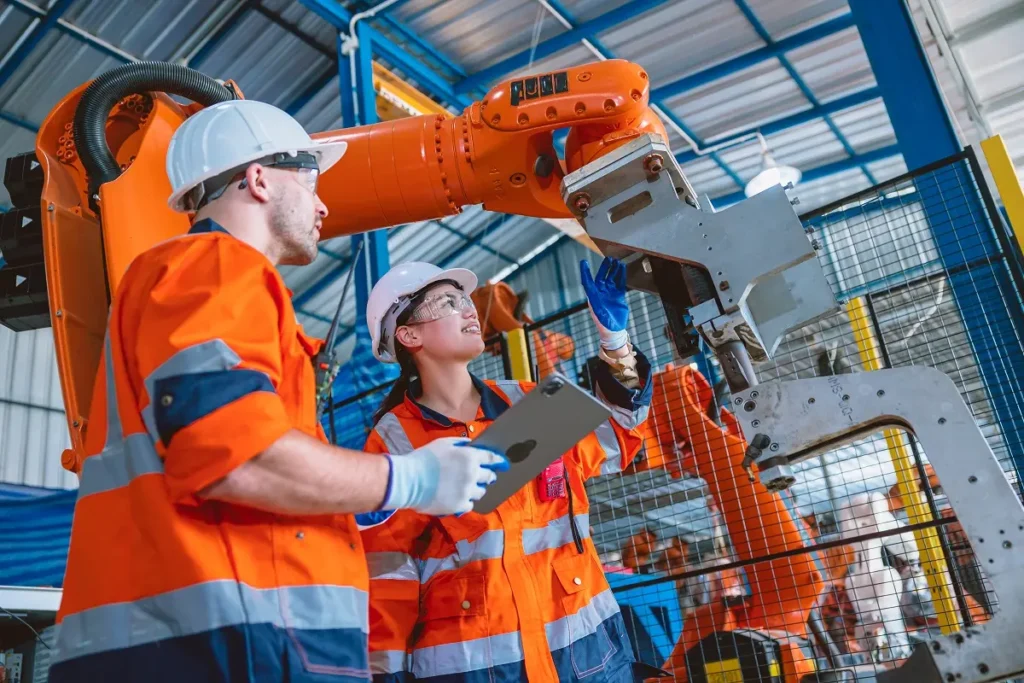
The same principle applies across manufacturing. Modern aircraft programmes generate enormous volumes of engineering and production data. Connecting engineering design with manufacturing execution, supplier collaboration and quality assurance enables organisations to identify issues earlier, reduce costly rework and accelerate industrialisation. Rather than treating design and production as separate disciplines, manufacturers are increasingly building digital continuity across the entire product lifecycle.
Maintenance and aftermarket services are also evolving. Airlines are under constant pressure to maximise aircraft availability while maintaining the highest safety standards. Connected maintenance technologies, digital inspections and predictive analytics are enabling maintenance teams to make better-informed decisions, reduce aircraft downtime and improve operational resilience. Here again, the greatest value comes not from a single tool but from connecting engineering, operational and maintenance data into one integrated environment.
Another important shift is taking place across global aerospace supply chains. Production ramp-ups, labour shortages and component constraints have reinforced the importance of engineering collaboration beyond traditional organisational boundaries. Success increasingly depends on how effectively OEMs, suppliers and engineering partners share information, maintain digital continuity and respond collectively to programme changes without compromising quality or certification requirements.
Looking ahead, aerospace will continue to adopt new technologies at pace. AI will become more capable. Digital twins will become more sophisticated.
Advanced manufacturing and immersive technologies will continue to mature. But the industry’s next leap forward will not be defined by any one of these innovations in isolation. It will be defined by engineering integration.
The organisations that create seamless connections across design, manufacturing, certification, maintenance and passenger experience will be best positioned to deliver safer aircraft, stronger supply chains and more resilient operations.
As aerospace continues to evolve, success will increasingly belong to those who view engineering not as a sequence of disconnected activities, but as one integrated digital thread that runs across the entire aircraft lifecycle.
Also Read: Blockchain Finds Its Niche as AI Drives India’s Air Cargo Future
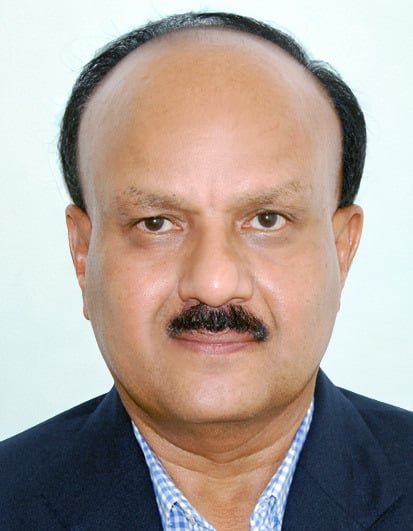
Dr. Rajarajan Shanmugan is an engineering leader and technology strategist with 20-plus years’ experience. An IIT Madras PhD and Sr. Director at Tata Technologies, he leads aerospace innovation, technology roadmaps and strategic engagements, following roles at Tata HAL Technologies, Wipro, GE Global Research and ISRO.