











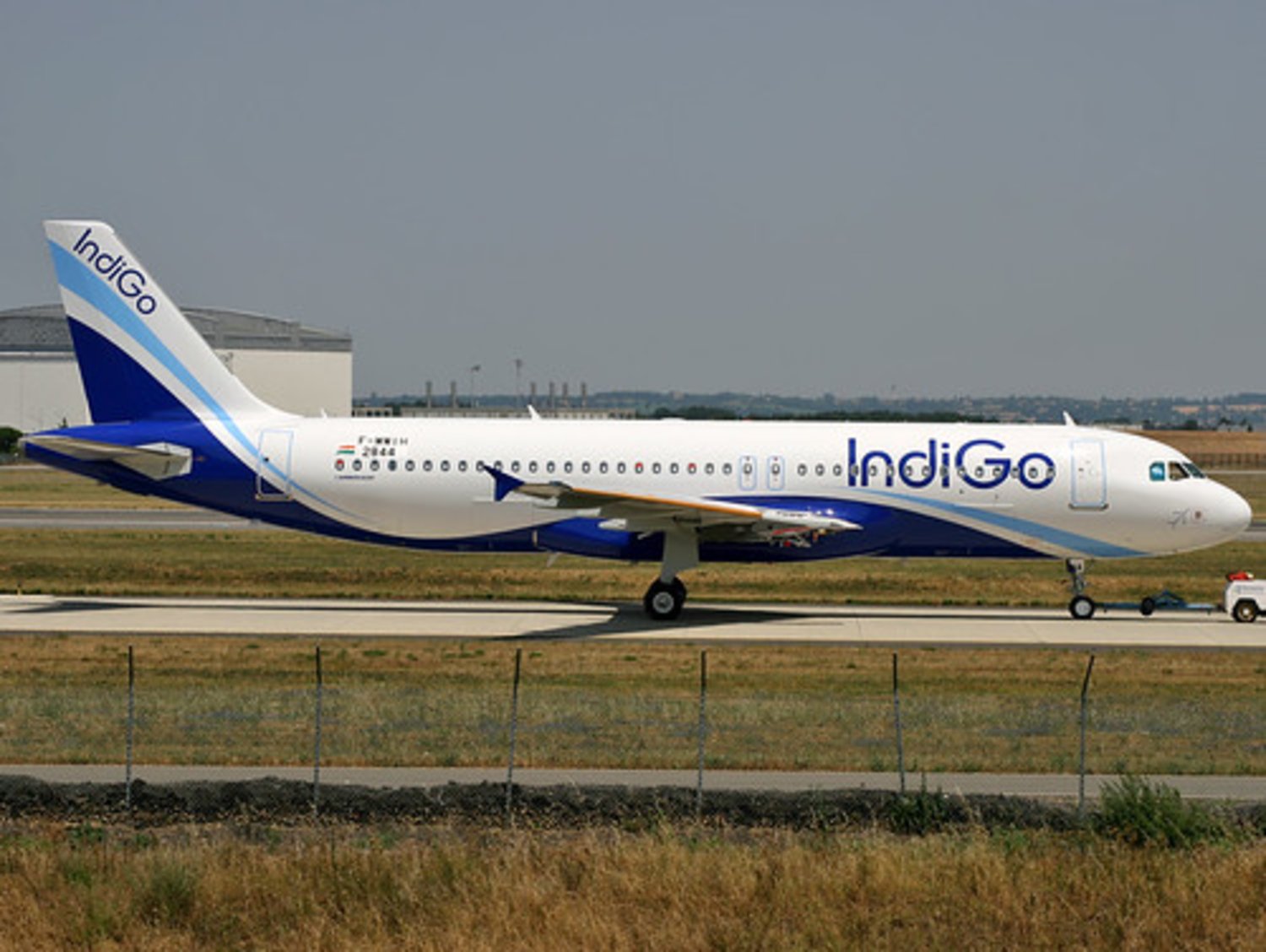
Twenty years ago today, an IndiGo Airbus A320 lifted off from Delhi on a flight to Imphal via Guwahati. Few could have imagined that the fledgling airline would grow into India’s dominant carrier, one of the world’s largest Airbus operators and an increasingly influential force in global aviation.
IndiGo has changed itself and the Indian aviation landscape from a six-aircraft start-up built on the simple promise of low fares, punctuality and hassle-free travel.
But the twentieth anniversary is more than a cause for celebration. It is a time to reflect on a remarkable journey, defined by bold decisions, relentless execution and industry-defining growth, but also the challenges that come with scale.
As it approaches its third decade, the question is not whether IndiGo can rule the skies of India but whether it can also transform itself into a global aviation powerhouse without losing the operational discipline that has made it an industry benchmark.
That IndiGo has reached this milestone is a testament to a business model that fundamentally changed air travel in India. Before a single aircraft entered service, founders Rahul Bhatia and Rakesh Gangwal made one of the boldest bets in commercial aviation by ordering 100 Airbus A320s at the 2005 Paris Air Show. It was an audacious vote of confidence in a market that many still considered immature.
The strategy paid off spectacularly. IndiGo’s strategy has consistently put it ahead of rivals. They focused on a standardised Airbus fleet, which simplifies maintenance and pilot training. Their approach also includes very fast aircraft turnaround times at airports, meaning planes spend less time on the ground and more time flying. Strict cost control is another key element, and they have made on-time performance a top priority.
This has led to IndiGo becoming India’s largest airline. It was in 2023, they ordered 500 Airbus aircraft, setting a new record.
Today it operates a fleet of more than 440 aircraft, carrying more than 123 million passengers a year and accounting for more than two-thirds of India’s domestic aviation market. Few airlines anywhere in the world have scaled up to this level in just two decades.
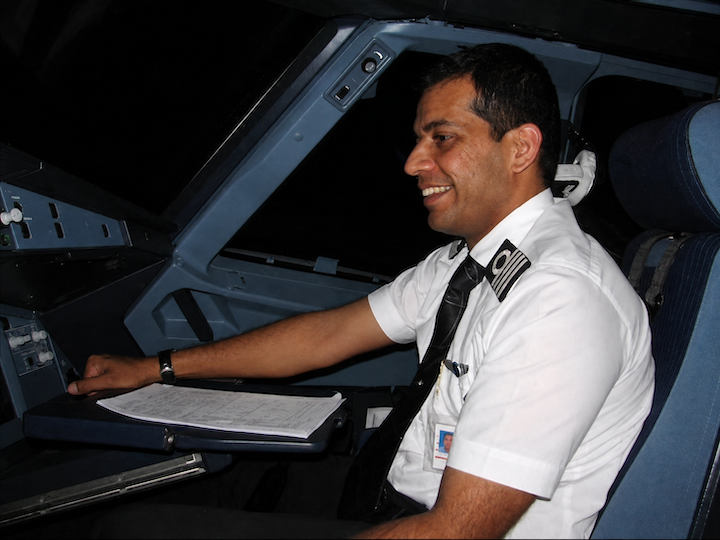
Yet IndiGo’s twentieth year has also been one of its most testing.
Only months after hosting the International Air Transport Association’s Annual General Meeting in New Delhi and showcasing India’s growing importance in global aviation, the airline found itself confronting the biggest operational disruption in its history.
The new Flight Duty Time Limitations (FDTL) were brought in to combat pilot fatigue, but flaws in crew planning became apparent with winter fog affecting operations in northern India. This led to thousands of cancellations and delays, regulatory scrutiny, a record fine from the Directorate General of Civil Aviation and a lot of criticism from passengers.
The disruption came on the back of mounting geopolitical and economic pressures. Higher aviation turbine fuel prices, continuing closure of Pakistani airspace to Indian carriers, instability in West Asia and rising operating costs combined to create one of the most challenging business environments the airline has faced since its inception. While the turbulence dented profitability, it also served as a reminder that operational excellence cannot be taken for granted, particularly for an airline operating one of the world’s largest domestic networks.
If the past year highlighted vulnerabilities, it also demonstrated that IndiGo has no intention of slowing its ambitions.
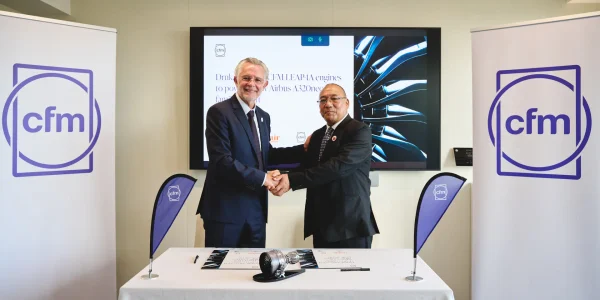
The clearest evidence came at the Farnborough International Airshow, where the airline signed a Memorandum of Understanding with CFM International for more than 1,000 LEAP-1A engines—the largest single engine order in commercial aviation history.
More than a headline-grabbing agreement, it provides the foundation for powering over 500 Airbus A320neo-family aircraft, including the A321neo and long-range A321XLR, that will underpin IndiGo’s international expansion well into the next decade.
The airline’s strategy is now unmistakably global. The induction of the Airbus A321XLR has opened opportunities for direct services to destinations previously beyond the reach of narrow-body aircraft, while the Airbus A350-900 order signals IndiGo’s determination to become a serious long-haul operator. In addition to these investments, a LEAP engine Maintenance, Repair and Overhaul facility is also being set up in Bengaluru to further boost India’s aerospace ecosystem and reduce dependence on foreign maintenance providers.
As IndiGo enters its third decade, it is also entering a new phase of leadership. William Walsh, one of the aviation industry’s most respected executives, takes charge at a pivotal moment. His arrival comes as the airline balances rapid international expansion with intensifying competition, increasing regulatory oversight and the need to rebuild passenger confidence after last year’s operational disruption.
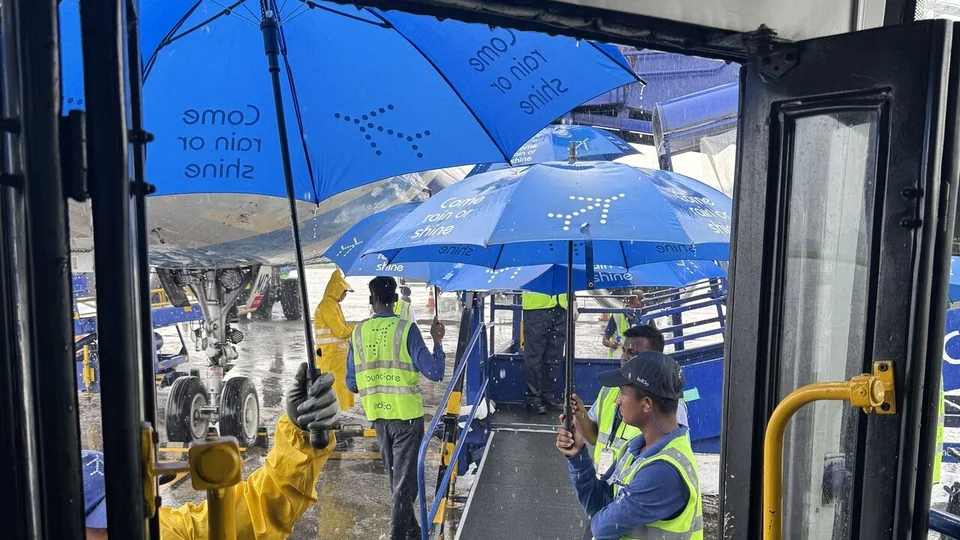
The opportunity remains enormous. India is widely expected to become one of the world’s largest aviation markets over the next decade, and IndiGo is better positioned than any other carrier to capitalise on that growth. Its extensive domestic network, expanding international footprint, record aircraft order book and strong financial foundations provide advantages few global airlines can match.
The challenge, however, is fundamentally different from the one it faced in 2006. Then, success depended on proving that a disciplined low-cost airline could thrive in India. Today, success will depend on proving that the country’s largest carrier can successfully evolve into a global network airline while preserving the efficiency, reliability and operational discipline that built its reputation.
Twenty years ago, IndiGo changed the way India flew. The decade ahead will determine whether it can also change the way the world looks at Indian aviation.
Also Read: IndiGo and CFM sign MoU paving the way to a record agreement for 1,000+ LEAP-1A engines
With more than four decades across print and audiovisual media, Tirthankar (TG) Ghosh is a veteran journalist specialising in aviation, air cargo and logistics. His reporting combines deep industry knowledge, original research and sharp analysis to produce authoritative, evidence-led journalism.