








Tech drove down mishandled bag rates by 23% in 2025, but mishandling still costs the industry $6.3 billion a year

- Passengers up. 5 billion globally in 2025, from 4.8 billion in 2024.
- Mishandling down. Rate fell 23% to 4.9 per 1,000 passengers; total volumes fell 19% to 24 million bags. Both now below pre-pandemic levels.
- Cost to the industry. $6.3 billion in 2025, equal to about 15% of total airline industry profit. New cost benchmark: $260 per mishandled bag on average, replacing the long-cited and outdated $150 figure.
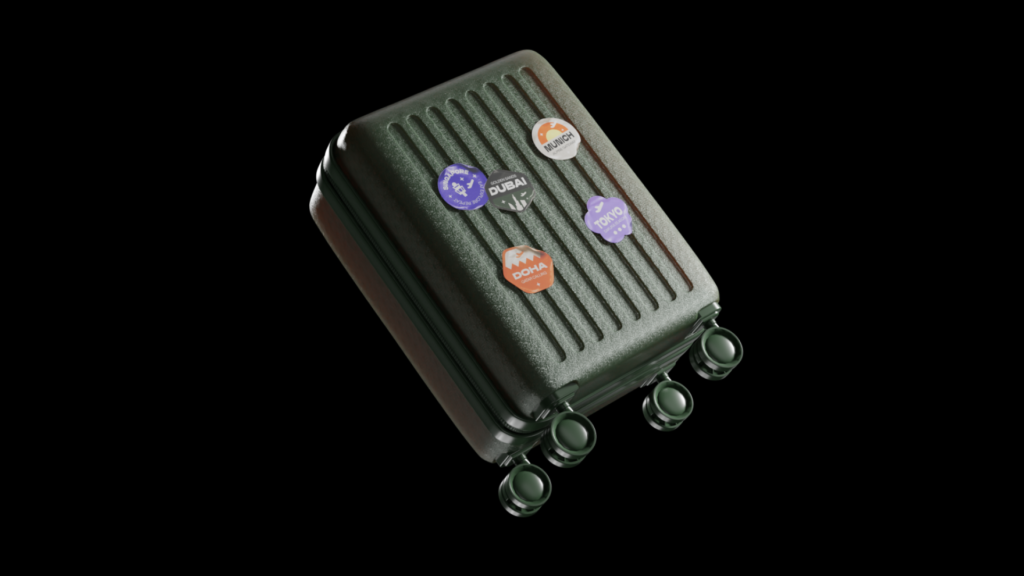
In 2025, the industry made its strongest progress outside the pandemic, even as passenger numbers rise. Mishandled baggage rates dropped 23%, a sign that digital transformation efforts are taking hold, according to the SITA 2026 Baggage IT Insights report, the 20th annual edition of the industry benchmark.
But the bigger story is not just improvement. It’s the gap that remains. Mishandling still costs the industry $6.3 billion annually. Each bag carries an average cost of $260. With net profit averaging just $8 per passenger, one mishandled bag wipes out the profit from more than 30 seats sold, and five erase the profit of an entire flight.
Passenger volumes are rising faster than the infrastructure designed to handle them. In 2025 alone, 5 billion passengers traveled globally, yet 24 million bags were still mishandled. Across the longer term, mishandling has fallen by close to three-quarters since 2007.
What changed in 2025 was not one technology, but a shift in how systems connect: real-time data sharing, AI routing, biometric bag drop, and connected passenger devices.
“Baggage is shifting from a logistical problem to a digital service,” said Nicole Hogg, Portfolio Director Baggage, SITA. “Passengers expect to know where their bag is at every moment, and they’re increasingly willing to help us track it. The next phase is about bringing the technology we already have to every transfer, every handler and every airport offering greater visibility and connecting every step of the journey. That’s how the industry earns the trust passengers now expect.”
Real-world results show the formula at work. Apple’s Find My integration with SITA WorldTracer® cut permanently lost luggage by 90% in its first year and shortened delayed-bag recovery by 26%. SITA also recently integrated Google’s Find Hub share item location feature into WorldTracer®. Thai Airways, using SITA’s Auto Reflight, compressed a three-minute task to a single second per bag across nine airports.
David Lavorel, CEO at SITA, said: “Airports are operating closer to their physical limits every year, and the answer isn’t always more concrete. Data, AI and predictive operations let us get more out of the airport we already have, at check-in, security, the gate, on the apron and in baggage halls. Baggage shows the formula works. Solutions such as Total Airport Management take the same approach across the whole lifecycle, so airports can absorb growth without expanding their footprint.”
The report pinpoints where the next gains can come from. Delayed bags account for around 70% of the total cost, most of it operational, in recovery, rerouting and delivery. For lost or damaged bags, up to 70% of the cost is compensation. Transfers remain the core mishandling driver at 39% of cases in 2025, down from 41% the year before.
The trajectory is clear. Three in four airlines plan to invest in AI over the next two years. Half plan to give passengers real-time baggage updates. Industry-wide baggage tracking under IATA Resolution 753 has now passed the 50% mark, with full compliance targeted for 2027. The next horizon is already on the runway: tagging bags at home, dropping your bags in the car park, and bags that don’t need to fly on the same aircraft as the passenger.

Aviation Jeta is an aviation news platform covering airlines, airports, aircraft, and global aviation developments. We publish accurate, well-researched, and detailed aviation news and industry insights from around the world.