




















Airports in Colorado: Complete Guide to International, Regional, and Local Airports

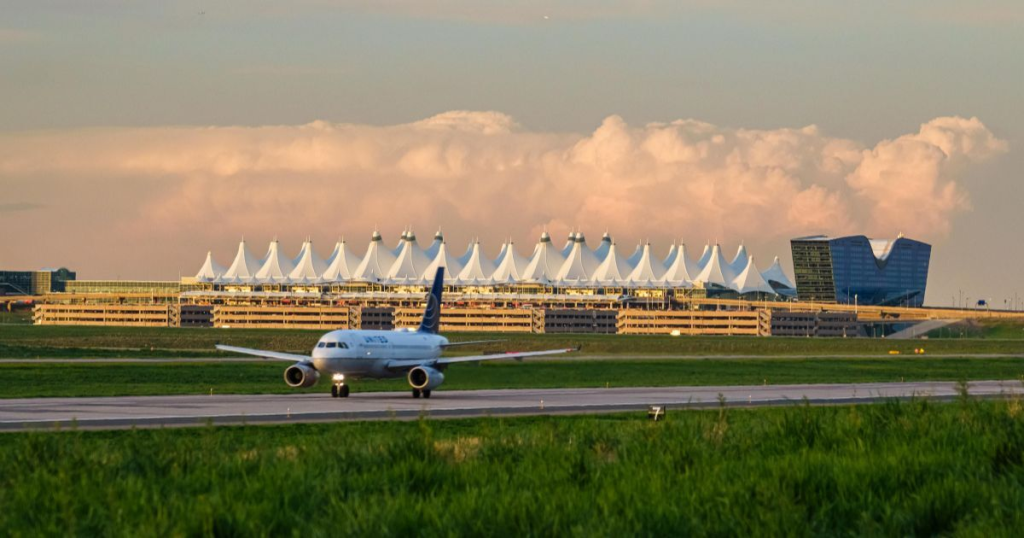
- Denver Is Colorado’s Primary Aviation Hub: Denver International Airport (DEN) is the largest and busiest airport in the state and the biggest in the U.S. by land area, serving as a major domestic and international connecting hub.
- Mountain & Resort Airports Drive Seasonal Tourism: Airports like Aspen–Pitkin County Airport (ASE), Eagle County Regional Airport (EGE), and Telluride Regional Airport (TEX) are critical for ski tourism and high-altitude access to resort regions.
- Regional & General Aviation Strengthen Statewide Connectivity: Airports such as Colorado Springs Airport (COS) and Centennial Airport (APA) support business travel, cargo, emergency services, and private aviation across Colorado’s mountainous terrain.
Airports in Colorado
Colorado is one of the most visited states in the United States, known for its Rocky Mountains, ski resorts, national parks, and business hubs. To support tourism and economic activity, Colorado has a strong airport network that connects the state with major cities across the US and the world.
This article covers the major airports in Colorado, including international, regional, and local airports, along with their importance.
How Many Airports Are in Colorado?
Colorado has:
- 70+ public-use airports
- 1 major international airport
- Several regional and mountain airports
- Many general aviation airports
Because of Colorado’s mountainous terrain, air travel plays a critical role.
Major International Airport in Colorado
Denver International Airport (DEN)
Location: Denver
Denver International Airport is the largest and busiest airport in Colorado and one of the busiest airports in the world.
Key Highlights
- Largest airport in the US by land area
- Major hub for domestic and international flights
- Strong connections to Europe, Asia, and Latin America
- Important hub for United Airlines and Southwest Airlines
DEN serves as a central connecting point for the entire country.
Major Regional and Commercial Airports in Colorado
Colorado Springs Airport (COS)
- Serves southern Colorado
- Offers domestic flights to major US cities
- Important for military and business travel
Aspen–Pitkin County Airport (ASE)
- Gateway to Aspen ski resorts
- One of the busiest seasonal airports
- Handles private jets and commercial flights
- Important for luxury and tourism travel
Eagle County Regional Airport (EGE)
- Serves Vail and Beaver Creek
- Major winter tourism airport
- Seasonal increase in flights
Grand Junction Regional Airport (GJT)
- Serves western Colorado
- Important regional business hub
- Connects rural areas to major cities
Montrose Regional Airport (MTJ)
- Gateway to Telluride and southwest Colorado
- Popular during ski season
- Growing commercial services
Durango–La Plata County Airport (DRO)
- Serves Durango and Four Corners region
- Supports tourism and regional connectivity
Mountain Airports in Colorado
Colorado is famous for its mountain airports, which require skilled pilots due to high elevation and weather challenges.
Notable Mountain Airports
- Telluride Regional Airport (TEX)
- Gunnison–Crested Butte Regional Airport (GUC)
- Steamboat Springs Airport (HDN)
These airports are critical for ski tourism and remote access.
General Aviation Airports in Colorado
Colorado has many small airports used for:
- Private aircraft
- Flight training
- Emergency services
- Agricultural and medical flights
Popular General Aviation Airports
- Centennial Airport (APA)
- Rocky Mountain Metropolitan Airport (BJC)
- Pueblo Memorial Airport (PUB)
Centennial Airport is one of the busiest general aviation airports in the US.
Airports Supporting Tourism in Colorado
Tourism is a major driver of air traffic.
Key Tourism Regions
- Denver metro area
- Aspen and Vail
- Steamboat Springs
- Telluride
- Rocky Mountains and national parks
Airports help bring millions of visitors annually.
Cargo and Business Aviation in Colorado
Denver International Airport handles:
- Express cargo
- E-commerce shipments
- Business logistics
Business aviation thrives at:
- Centennial Airport
- Rocky Mountain Metropolitan Airport
Why Airports Are Important in Colorado
Airports in Colorado are essential because:
- Mountain terrain limits road access
- Tourism depends on fast connectivity
- Business hubs need national access
- Emergency and medical services rely on aviation
Challenges for Airports in Colorado
Some challenges include:
- High-altitude operations
- Harsh winter weather
- Runway length requirements
- Seasonal passenger demand
Despite these challenges, Colorado airports are highly efficient.
Future of Airports in Colorado
Colorado continues to invest in:
- Terminal expansions
- Sustainability and green aviation
- Improved passenger facilities
- Enhanced winter operations
Denver International Airport, in particular, is undergoing major expansion projects.
Conclusion
Colorado has a diverse and well-developed airport network that supports tourism, business, and regional connectivity. From the massive Denver International Airport to scenic mountain airports like Aspen and Telluride, airports in Colorado play a vital role in the state’s economy and accessibility.
Whether you are visiting for skiing, hiking, business, or leisure, Colorado’s airports ensure reliable and efficient travel.

Ajeet Yadav is an aviation enthusiast covering airline news, airports, aircraft, and industry developments through well-researched and reliable reporting.