











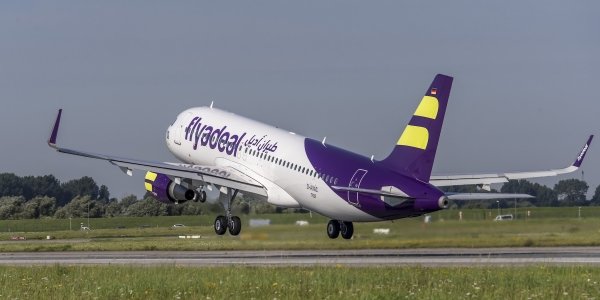


- Airplane winglets are vertical or angled extensions at the wingtips that reduce drag by weakening wingtip vortices.
- They improve fuel efficiency, increase flight range, reduce carbon emissions, and enhance climb performance.
- Common types include blended winglets, split winglets (Sharklets), wingtip fences, and raked wingtips, each designed for specific aircraft and performance benefits.

An airplane winglet is a vertical or angled extension located at the tip of an aircraft’s wing. Its main purpose is to reduce aerodynamic drag, especially a type of drag called induced drag, which is created as a result of lift.
Winglets are commonly seen on:
- Commercial passenger aircraft
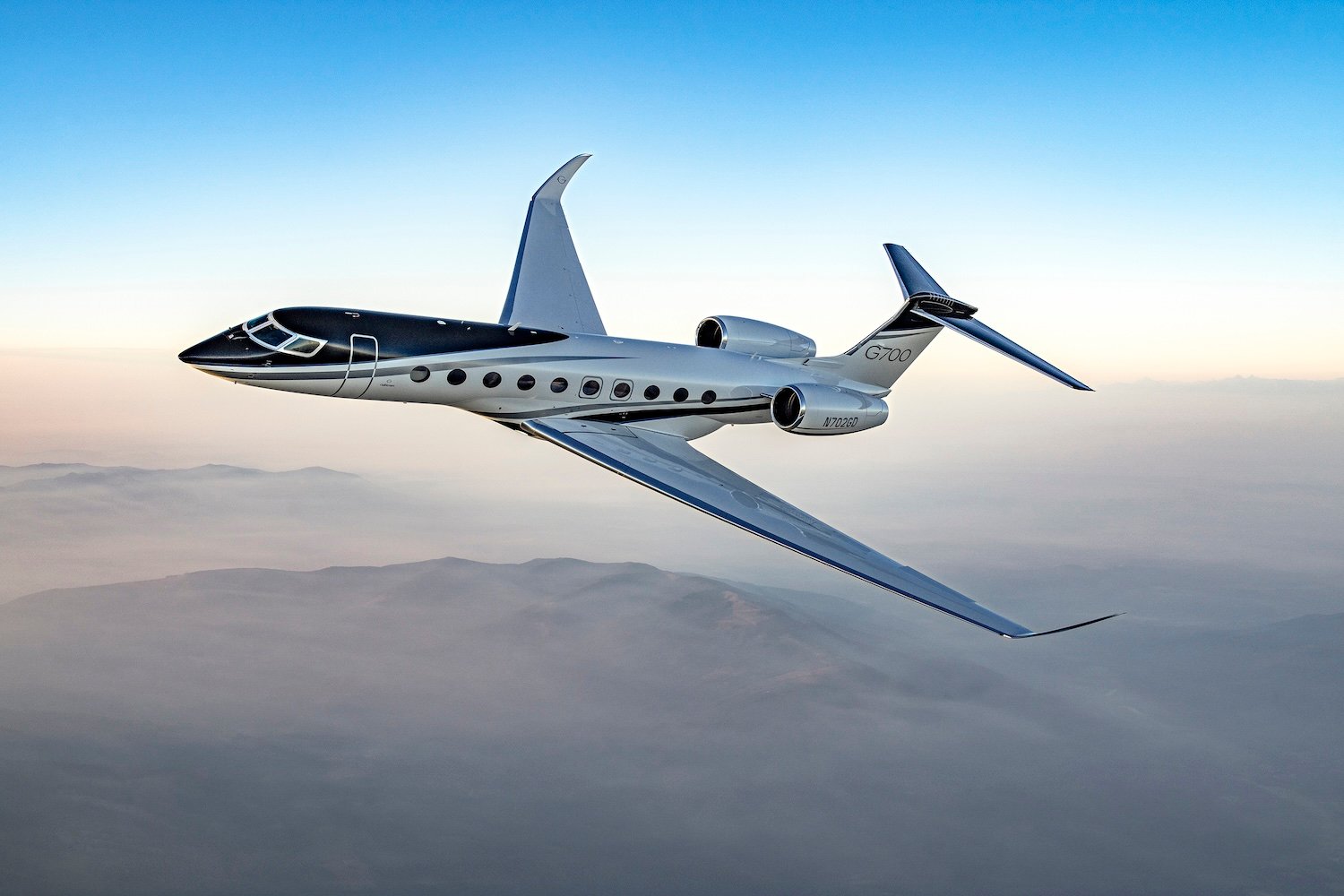
- Business jets
- Military aircraft
- Modern long-range airplanes
They may look small, but their impact on performance is very large.
Why Do Airplanes Need Winglets?
To understand the purpose of winglets, we must first understand wingtip vortices.
Wingtip Vortices Explained Simply
When an airplane flies:
- High-pressure air exists under the wing
- Low-pressure air exists above the wing
Air naturally tries to move from high pressure to low pressure. At the wingtip, this creates a swirling airflow called a vortex. These vortices:
- Increase drag
- Reduce lift efficiency
- Waste energy
This wasted energy means the airplane must burn more fuel to maintain speed.
How Do Winglets Work?
Winglets work by blocking or weakening wingtip vortices.
What Winglets Do:
- Reduce the strength of swirling air at the wingtip
- Improve lift efficiency
- Reduce induced drag
- Allow the aircraft to fly more efficiently
By controlling airflow at the wingtip, winglets make the wing act like a longer wing without actually increasing wingspan.
Main Purpose of an Airplane Winglet
The primary purpose of winglets is to improve aircraft efficiency.
Key Benefits of Winglets:
- Lower fuel consumption
- Increased flight range
- Reduced carbon emissions
- Improved climb performance
- Better stability in some flight conditions
For airlines, even a 3–5% fuel saving is extremely valuable over thousands of flights.
Types of Airplane Winglets
There are several types of winglets used in aviation today. Each type is designed for specific aircraft and performance needs.
1. Blended Winglets
Blended winglets have a smooth, curved transition between the wing and the winglet.
Advantages:
- Reduced drag
- Strong structural design
- Improved fuel efficiency
Commonly seen on:
- Boeing 737 (older variants)
- Boeing 767
- Boeing 777
2. Split Winglets (Sharklets)
Split winglets have:
- One surface pointing upward
- One surface pointing downward
Airbus calls its version Sharklets.
Benefits:
- More effective vortex control
- Greater fuel savings
- Better performance on long routes
Seen on:
- Airbus A320neo family
- Boeing 737 MAX
3. Wingtip Fences
Wingtip fences are smaller vertical surfaces placed both above and below the wingtip.
Features:
- Lightweight
- Simple design
- Moderate efficiency improvement
Seen on:
- Airbus A320 (older models)
- Airbus A310
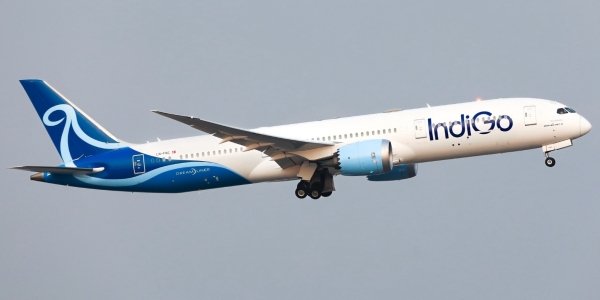
4. Raked Wingtips
Raked wingtips are not vertical but are extended and swept back.
Advantages:
- Reduced drag at high speeds
- Excellent for long-range aircraft
Seen on:
- Boeing 787 Dreamliner
- Boeing 777
Do All Airplanes Have Winglets?
No. Not all airplanes use winglets.
Reasons Some Aircraft Do Not Have Winglets:
- Structural limitations
- Short flight distances
- Older aircraft designs
- Cost considerations
However, most modern commercial airplanes include winglets because fuel efficiency is now a top priority.
Winglets and Fuel Efficiency
Winglets significantly reduce fuel consumption.
How Fuel Savings Occur:
- Less induced drag
- Engines work less to maintain speed
- Lower thrust required during cruise
Over time, winglets can save:
- Millions of liters of fuel
- Millions of dollars for airlines
They also reduce environmental impact by lowering carbon emissions.
Do Winglets Improve Safety?
Winglets are not primary safety devices, but they support safer and smoother flight by:
- Improving climb performance
- Reducing wake turbulence
- Enhancing stability in certain conditions
They also reduce wake turbulence for following aircraft, especially during takeoff and landing.
Winglets vs Longer Wings: Why Not Just Make Wings Longer?
Longer wings improve efficiency, but they come with problems:
- Increased weight
- Structural stress
- Airport gate size limitations
Winglets offer similar benefits without increasing wingspan too much, making them a practical solution.
Maintenance and Cost of Winglets
Winglets:
- Add manufacturing cost
- Require maintenance inspections
- Must be carefully designed to handle stress
However, the fuel savings usually far outweigh the cost, making winglets a profitable investment.
Future of Winglet Technology
Future aircraft designs will include:
- Smarter wingtip designs
- Adaptive winglets
- Lightweight composite materials
Some aircraft are even exploring flexible or morphing wingtips for optimal performance in all flight phases.
Conclusion
So, what is an airplane winglet?
An airplane winglet is a wingtip device designed to reduce drag, improve fuel efficiency, and enhance overall aircraft performance. By controlling wingtip vortices, winglets help airplanes fly farther, burn less fuel, and reduce environmental impact.
Although small in size, winglets play a big role in modern aviation, making air travel more efficient, economical, and sustainable.