










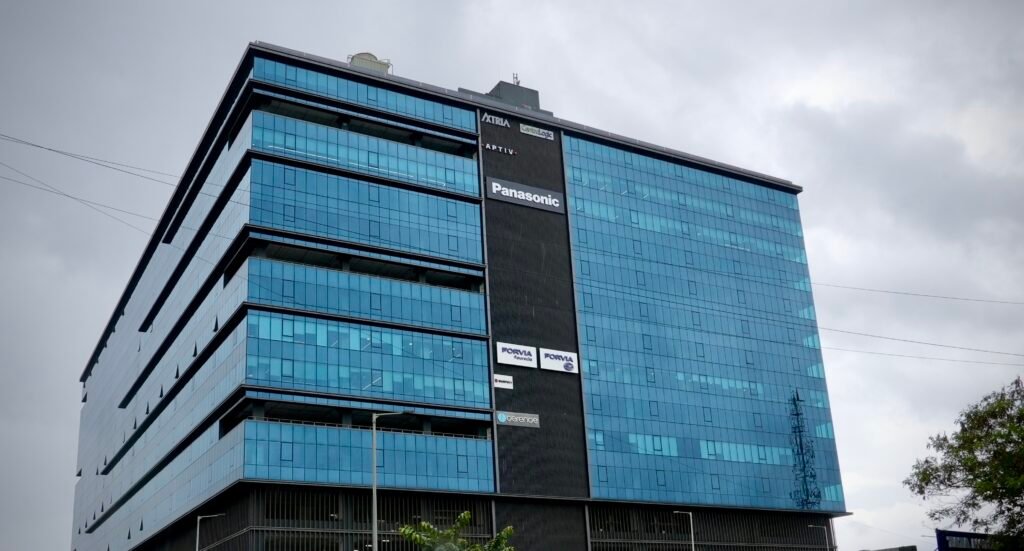
Panasonic Avionics Corporation is setting new standards in in-flight entertainment and connectivity (IFEC) with the launch of its state-of-the-art software design and development facility in Pune.
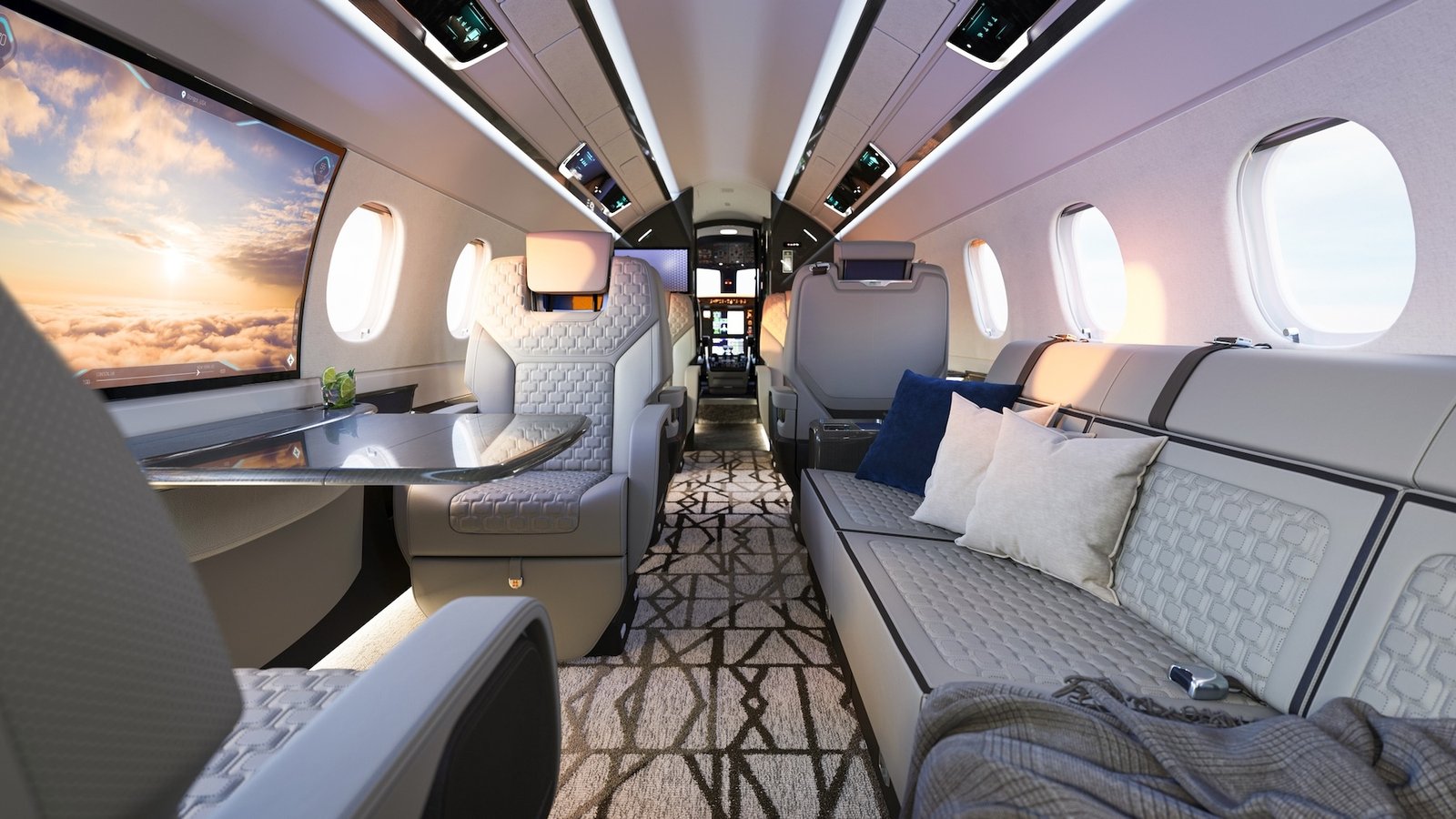
Inflight entertainment (IFE) adds excitement to long-haul travel, transporting you from a cramped airplane seat to a world of movies, documentaries and games. It’s no wonder many airlines are equipping their widebody planes with large screens.
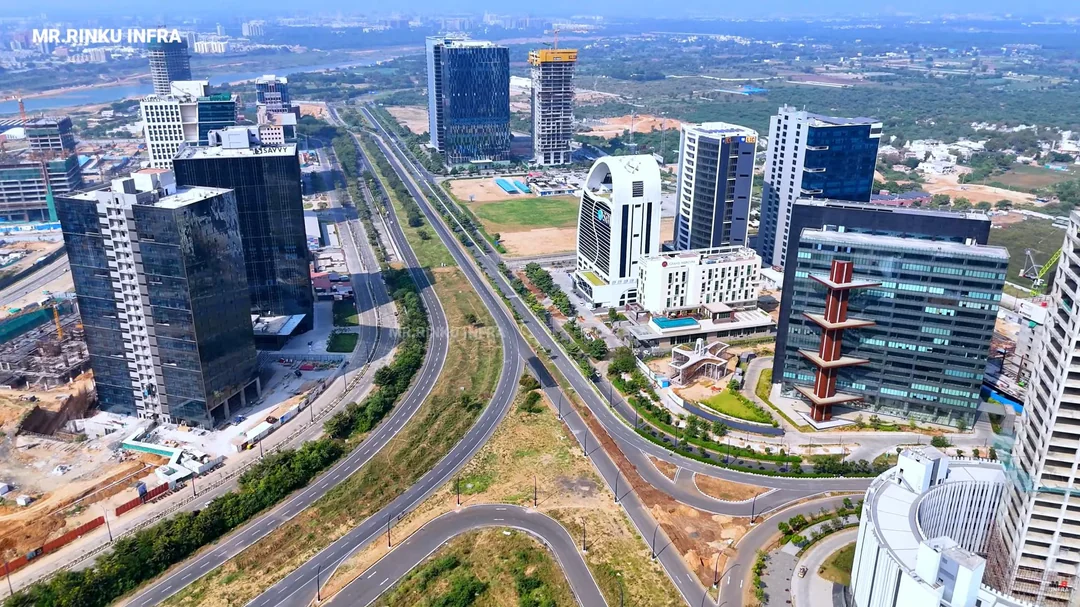
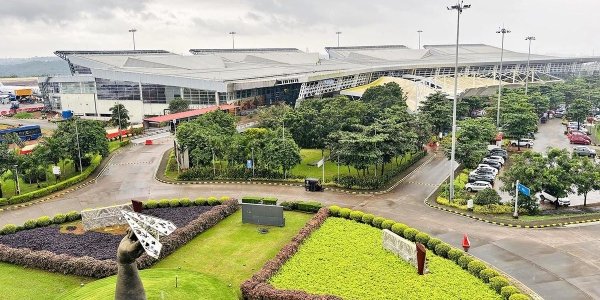
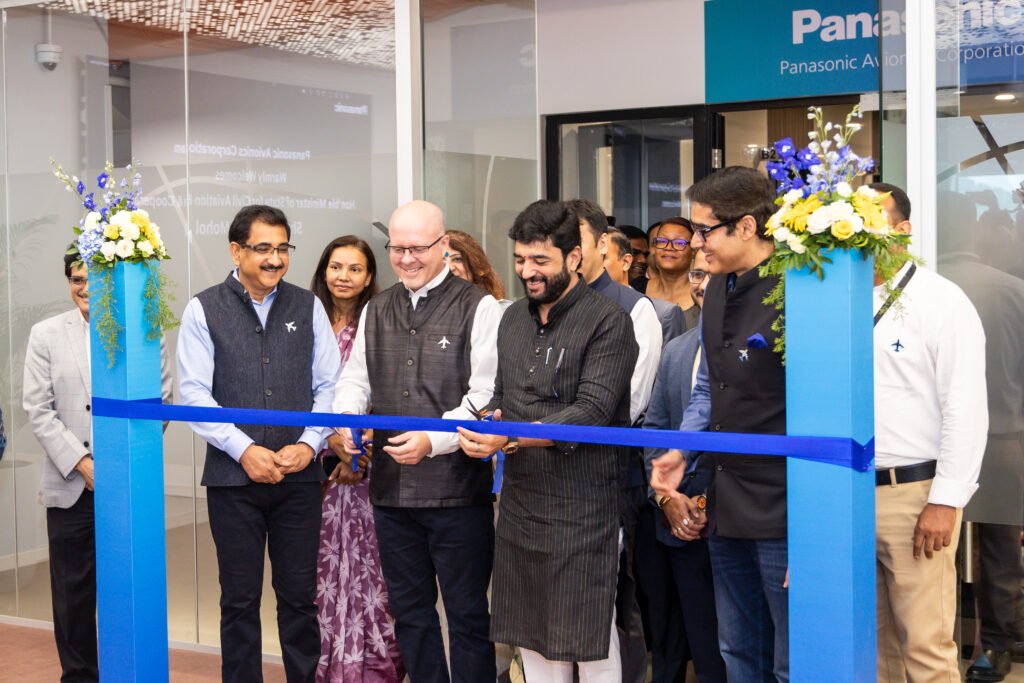
However, bringing this magic takes its own share of effort and the expertise of leaders in the field like Panasonic Avionics Corporation. The global leader in in-flight engagement and connectivity (IFEC) solutions recently inaugurated a new software design and development facility in Hinjawadi, Pune.
Passengers today crave the same seamless connection they experience on the ground – a constant stream of entertainment, information, and communication – even at 30,000 feet. Our laptops, tablets, and smartphones have become extensions of ourselves, and airlines are wise to cater to this ever-present need.
A recent report by Data Reportal reveals a startling truth – the average person aged 16 to 64 spends a whopping 6 hours and 40 minutes glued to their screens every single day. That translates to a mind-boggling 46 hours and 40 minutes a week, practically two full days, staring at our devices!
From laptops and tablets to smartphones and TVs, our lives have become intricately intertwined with the digital world. The prospect of a digital blackout while flying is no longer acceptable. Passengers now expect the same level of digital connectivity in the air as they have on the ground, with equally high quality. The global in-flight entertainment and connectivity market size was valued at $6.37 billion in 2022 and is projected to grow from $7.48 billion in 2023 to $21.03 billion by 2030, exhibiting a CAGR of 15.9 per cent. In the present year, the IFEC market is estimated to be $8.6 billion in 2024. By 2029, it is projected to reach $11.7 billion, at a CAGR of 6.3 per cent from 2024 to 2029.
“With in-flight engagement and connectivity expectations of fliers changing significantly, airlines are looking to upgrade their offerings. Software design and development is a key enabler to offer personalised service and an array of digital and connectivity solutions. This will become a key differentiator for airline companies,” Ken Sain, CEO, Panasonic Avionics Corporation, said.
This insatiable screen time might raise eyebrows for some, but for businesses like airlines, it presents a unique opportunity for many.
Established in 1979, Panasonic Avionics has been at the forefront of transforming in-flight experiences, providing services to over 200 leading airlines worldwide with its innovative engagement, satellite Wi-Fi connectivity, and digital offerings. The Pune facility will be the company’s largest facility outside the United States.
The launch event for the software design and development facility in Pune event took place in the presence of Murlidhar Mohol, Minister of State, Civil Aviation and Ministry of Cooperation. “The aviation sector in India is growing rapidly. Panasonic Avionics has played an important role in providing technologies to the airlines”, Mohol said.
Sain remarked, “Innovative, future-focused software is central to every IFEC solution we develop, creating a digital channel that enhances airline-passenger engagement. India, with its vast pool of skilled engineers and burgeoning aviation sector, is a natural choice for our investment. Our new Pune facility will boost our software innovation and design capabilities.”
Satyen Yadav, Chief Technology Officer of Panasonic Avionics, added, “This is a significant milestone in our mission to deliver personalised digital experiences for airline passengers. We are excited to bring cutting-edge software solutions to both regional and global customers and to expand our software talent in Pune.”
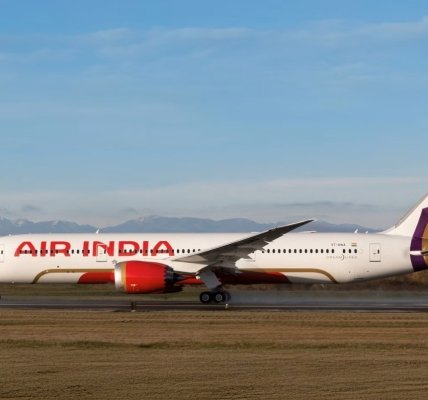
Panasonic Avionics began developing its centre in India with Infosys in 2021 under a build-own-transfer model. It has now transitioned the facility in-house to its Pune centre. The Pune facility, the first in India dedicated to IFEC solutions, employs over 200 skilled engineers at its launch, with plans for expansion. Panasonic plans to expand the number to 400, catering to the needs of global airlines, including Air India, from Pune.
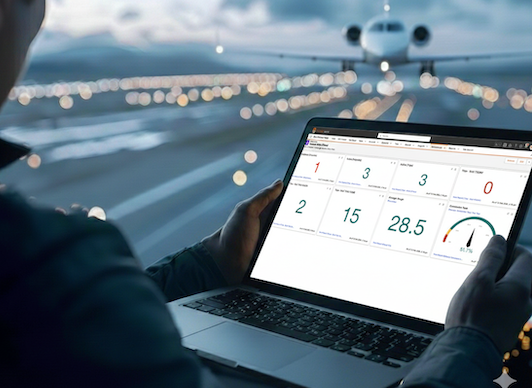
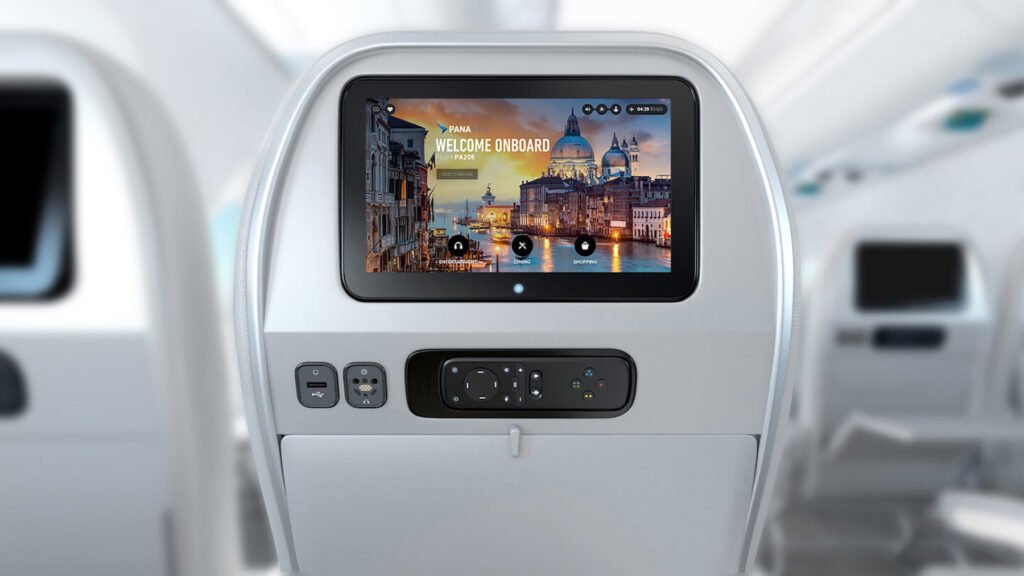
This facility supports Panasonic Avionics’ strategy to help airlines achieve their passenger digital engagement goals through innovative IFEC solutions and top-tier enterprise software tools. A range of software is being developed, tested and sustained in state-of-the-art laboratories throughout the facility to deliver passenger experiences for narrowbody and widebody aircraft that meet airlines’ needs. These include digital solutions for Panasonic Avionic’s X Series in-flight entertainment systems and airline interactives which enable them to create unique seatback passenger experiences, IFEC development support via SDKs (software development kits), and mobile companion apps, to name a few.
Manish Sharma, Chairman of Panasonic Life Solutions India and South Asia, and Director of Panasonic Avionics India, emphasised India’s role in the global IT landscape, stating, “India has become synonymous with software capability. Panasonic has invested in innovation and global capability centres here to provide high-quality services worldwide. Our new Pune facility continues this investment, catering to multiple markets and airlines with innovative IFEC solutions.”
Panasonic Avionics is also forming partnerships with universities across Maharashtra and India to nurture and develop skilled engineering graduates, further accelerating the growth of the new facility. Panasonic’s investment in Pune is part of its broader strategy in India, where it has been active since 1972. The company joins Panasonic Life Solutions India, which currently employs 11,000 professionals across multiple locations in the country.
The Pune facility, developed through a ‘build-operate-transfer’ (BOT) model initiated in 2021, marks a significant step forward in the company’s commitment to expanding its software design and development capabilities in India.
As passenger volumes continue to rise, it is only obvious that the demand for in-flight connectivity is expected to grow further. Airlines that prioritise and innovate in this area are poised to deliver enhanced customer experiences, potentially leading to increased market share and a competitive advantage.
New-age digital technologies are continually reshaping airline operations and the advancements such as Panasonic’s new software design and development facility will enable airlines to run seamlessly while providing customers with a smooth and effortless flying experience. As digital innovations progress, they will continue to transform the aviation industry.
Decoding In-Flight entertainment’s evolution
Panasonic Avionics says that passengers on average spend 600 minutes on short-haul flights and around 600 to 1,000 minutes on long-haul flights, and airlines are looking at increasing this engagement with customers with advanced in-flight engagement and communication systems. While personal seat-back screens with endless entertainment options feel like a modern marvel, the technology is surprisingly young.
Cast your eyes back to the not-so-distant past, and you might spot a relic of the bygone era: the dreaded drop-down screen. Imagine a single movie playing overhead, with everyone forced to endure the same flick (and questionable audio quality) for the entire flight. Those were the dark ages of in-flight entertainment, folks.
Thankfully, a revolution was brewing. The late 1980s saw a glimmer of hope with Northwest Airlines’ pioneering test of 2.7-inch(!) in-seat displays on their 747s. This wasn’t just a screen – it was a portal to a whole new world of entertainment. Passengers could choose from a mind-blowing (at the time) six channels featuring movies, music, news, and documentaries – all on demand!
This innovative video-on-demand system was a resounding success, sparking the in-seat screen trend that continues to this day. The clunky drop-downs slowly faded into obscurity, replaced by the generous personal screens we’re accustomed to today. And the content choices? Exponential! Airlines now offer a vast library of movies, TV shows, games, and even live television, keeping even the most seasoned traveller entertained for hours on end.
Panasonic Avionics sees IFEC rapidly becoming a vital third digital channel that enables airlines to engage effectively with their passengers (the other two channels being web and mobile). Innovative, future-focused and proven software is at the heart of every IFEC system that Panasonic Avionics develops, and is integral to delivering the personalised experiences that are becoming increasingly important to airlines and their passengers. This is why the company says that it has invested in the significant expansion of its software development facility with the opening of its new Pune facility.
Further, the innovations by Panasonic Avionics are also contributing to the reduction of fuel consumption of aircraft. The International Air Transport Association (IATA) has set a target of achieving net-zero CO2 emissions by 2050. For over 40 years, Panasonic Avionics has utilised its expertise and technological capabilities to offer solutions to airlines globally and will continue to promote environmental sustainability with products designed for airlines and passengers. Its latest inflight entertainment system, Astrova, enhances the inflight experience while reducing environmental impact. Astrova features a 4K screen, high-performance audio, and USB-C, delivering the next generation of passenger experiences. The system has been redesigned to optimise functional configuration, reducing its weight by up to 30 per cent compared to conventional Panasonic Avionics systems. This reduction in weight lowers aircraft fuel consumption and contributes to decreasing CO2 emissions in the aviation industry.
So, the next time you settle into your seat and fire up the in-flight entertainment system, take a moment to appreciate this technological marvel and the efforts of the technological experts in the field such as Panasonic Avionics. It’s a far cry from the days of shared, scratchy audio and limited choices. The future of in-flight entertainment promises even more immersive experiences, with possibilities like virtual reality and personalised recommendations. The sky truly is the limit!