














- Pioneering electric propulsion: Leading companies like Joby Aviation, Lilium, and Eviation are developing electric or hybrid-electric aircraft aimed at zero-emission short-range travel, often focusing on air taxis and urban air mobility.
- Diverse technology approaches: While Vertical Take-Off and Landing (eVTOL) leaders like Archer Aviation and Beta Technologies prioritize urban and regional connectivity, firms such as Heart Aerospace and ** magniX (in partnerships)** work on larger regional electric aircraft concepts.
- Rapid growth and investment: These electric aviation companies attract heavy investment from aerospace giants (e.g., Boeing, Airbus), automakers, and venture capital — underscoring the shift toward sustainable aviation and future commercial electric flight.
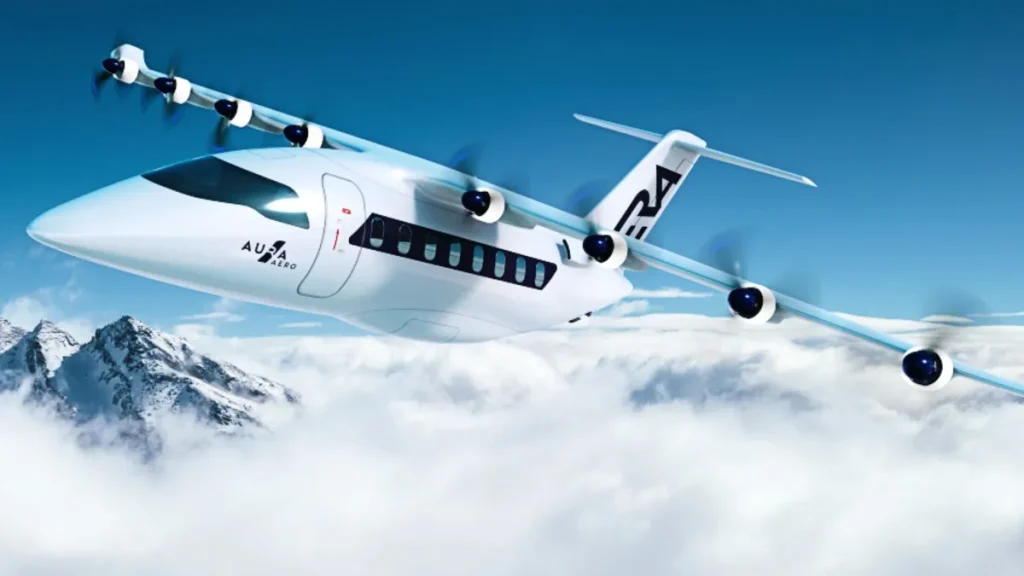
Top Electric Aircraft Companies
The aviation industry is entering a new era. Electric aircraft are no longer just an idea or an experiment. They are becoming real machines that will soon carry passengers, cargo, and emergency services. These aircraft use electric motors instead of traditional jet fuel engines. As a result, they are quieter, cleaner, and cheaper to operate.
With growing concerns about climate change, fuel costs, and noise pollution, electric aviation is seen as the future of short-distance and regional air travel. In this article, we explore the top electric aircraft companies that are leading this transformation worldwide.
What Is an Electric Aircraft?
An electric aircraft is a plane or flying vehicle powered fully or partially by electricity. The electricity usually comes from batteries or hydrogen fuel cells. These aircraft can be:
- Fully electric (battery powered)
- Hybrid-electric (electric + fuel engine)
- Hydrogen-electric (electric motors powered by hydrogen fuel cells)
Most electric aircraft today are designed for short routes, urban air mobility, or regional flights.
1. Joby Aviation – Leader in Electric Air Taxis
Joby Aviation is one of the most advanced electric aircraft companies in the world. It focuses on electric vertical take-off and landing aircraft, also known as eVTOLs. These aircraft can take off like a helicopter and fly like an airplane.
Joby’s aircraft is designed to carry passengers across cities in a fast and quiet way. It can fly at high speeds and cover medium distances, making it ideal for air taxi services.
Why Joby is important
- Advanced flight testing progress
- Designed for real commercial use
- Strong focus on safety and noise reduction
Joby aims to make city travel faster by avoiding road traffic and reducing pollution.
2. Archer Aviation – Urban Air Mobility Innovator
Archer Aviation is another major player in the electric air taxi space. The company is building electric aircraft designed for short city-to-city travel.
Archer’s aircraft focuses on simplicity, safety, and quick turnaround times. It is designed to operate from rooftop landing pads and small airfields.
Key strengths
- Passenger-focused design
- Fast charging capability
- Strong airline partnerships
Archer’s goal is to make electric flying affordable and practical for everyday travel.
3. Eve Air Mobility – Backed by a Global Aircraft Manufacturer
Eve Air Mobility is supported by one of the world’s largest aircraft manufacturers. This gives Eve a strong advantage in engineering, certification, and production planning.
The company is developing electric aircraft mainly for urban environments. Its designs focus on efficiency, safety, and easy integration into existing city infrastructure.
Why Eve stands out
- Strong aerospace experience
- Large pre-order interest
- Clear roadmap for commercial launch
Eve represents the bridge between traditional aviation and electric flight.
4. Wisk Aero – Autonomous Electric Flight Pioneer
Wisk Aero is working on a bold idea: pilotless electric aircraft. Its goal is to develop safe, autonomous air taxis that can operate without a human pilot onboard.
The company has already completed thousands of test flights and is focusing heavily on safety systems, automation, and air traffic integration.
What makes Wisk unique
- Fully autonomous design
- Strong safety philosophy
- Backed by a major aerospace company
Autonomous electric flight could significantly reduce operating costs and improve safety in the future.
5. Beta Technologies – Electric Aircraft and Charging Network
Beta Technologies is not only building electric aircraft but also the charging infrastructure needed to support them. This makes the company very important for the overall electric aviation ecosystem.
Its aircraft are designed for passengers, cargo, and medical transport. At the same time, Beta is building fast-charging stations across regions.
Why Beta matters
- Aircraft + infrastructure approach
- Focus on real-world operations
- Supports cargo and emergency services
Without charging networks, electric aviation cannot grow — Beta is solving that problem.
6. Volocopter – European Urban Air Taxi Pioneer
Volocopter is a well-known electric aircraft company from Europe. It focuses on short-range city flights using multi-rotor electric aircraft.
Volocopter’s design is simple and stable, making it ideal for crowded urban environments. The aircraft is designed for short trips such as airport-to-city travel.
Key highlights
- Simple and safe aircraft design
- Tested in multiple global cities
- Strong focus on certification
Volocopter has helped define what urban air mobility looks like in Europe.
7. Lilium – Long-Range Electric Aircraft Vision
Lilium is building electric aircraft that can fly longer distances than typical air taxis. Its aircraft uses multiple small electric jet engines instead of propellers.
The goal is to connect cities directly without airports, using compact landing areas.
Why Lilium is different
- Longer flight range
- High-speed electric design
- Focus on regional connectivity
If successful, Lilium could change how people travel between nearby cities.
8. ZeroAvia – Hydrogen-Electric Aviation Leader
ZeroAvia is taking a different path. Instead of batteries, it uses hydrogen fuel cells to generate electricity for aircraft motors.
This approach allows aircraft to fly longer distances while producing zero carbon emissions.
Advantages of ZeroAvia
- Longer range than battery aircraft
- Zero emissions
- Suitable for regional planes
Hydrogen-electric technology may be the future for larger electric aircraft.
9. EHang – Autonomous Electric Aircraft from China
EHang is known for its autonomous electric flying vehicles. Its aircraft are designed to operate without a pilot and are controlled by advanced software systems.
These aircraft are aimed at tourism, city transport, and emergency services.
Why EHang is important
- Strong automation focus
- High passenger interest
- Early commercial testing
EHang shows how electric aviation is growing rapidly in Asia.
10. Sarla Aviation – India’s Electric Aviation Startup
Sarla Aviation is one of India’s leading electric aircraft startups. It is developing electric air taxis designed specifically for Indian cities.
The company plans to build manufacturing facilities and create jobs while supporting clean mobility.
Why Sarla Aviation matters
- India-focused design
- Growing local ecosystem
- Long-term manufacturing plans
Sarla represents India’s entry into the global electric aviation market.
Benefits of Electric Aircraft
Electric aircraft offer many advantages over traditional planes:
- Zero or very low emissions
- Much quieter operations
- Lower fuel and maintenance costs
- Suitable for short and regional routes
- Faster point-to-point travel
These benefits make electric aircraft ideal for future cities and regional connectivity.
Challenges Still to Solve
Despite fast progress, electric aviation still faces challenges:
- Battery energy limits
- Certification and regulations
- Charging infrastructure
- Air traffic integration
However, technology is improving every year, and these challenges are being addressed step by step.
Conclusion: The Future of Flight Is Electric
Electric aircraft are transforming aviation. From air taxis and autonomous vehicles to hydrogen-powered regional planes, the industry is moving toward a cleaner and smarter future.
Companies like Joby, Archer, Eve, ZeroAvia, and emerging players from India and Asia are shaping how we will fly in the next decade.
The skies of tomorrow will be quieter, greener, and more accessible and electric aircraft will lead the way.