















Ahmedabad Crash Sparks Urgent Rethink of India’s Aviation Safety Standards

- The June 2025 crash exposed India’s reactive approach to aviation safety.
- Past air accidents show a pattern of ignored safety recommendations.
- Proactive audits and checks are now critical.
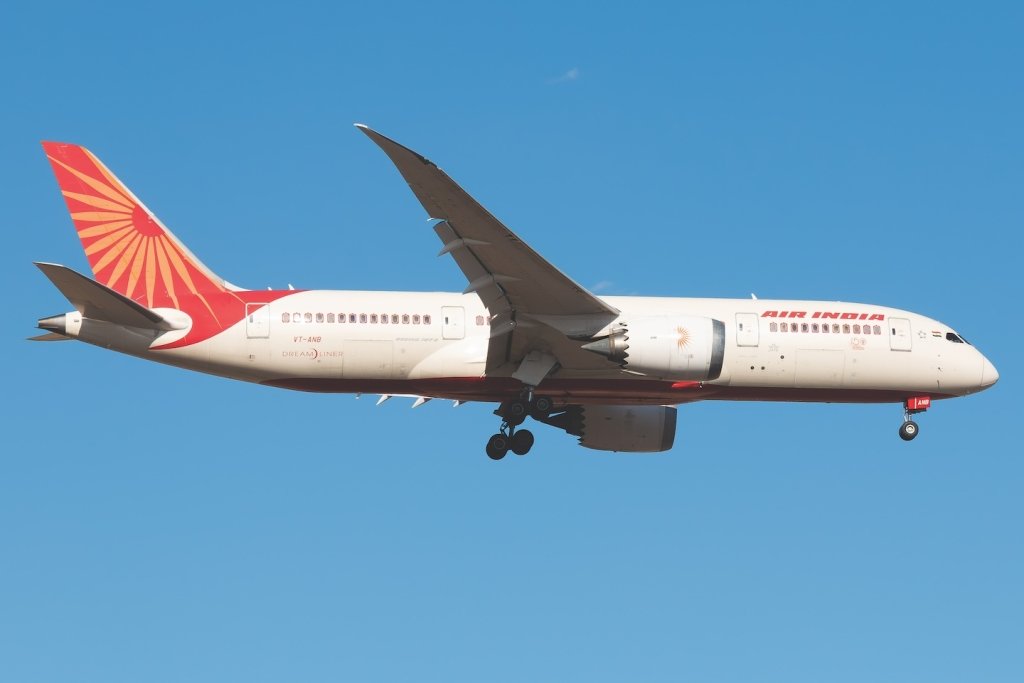
Following the tragic crash of London Gatwick-bound Air India Flight AI 171, a Boeing 787-8 Dreamliner, on 12th June 2025, in Ahmedabad, the Directorate General of Civil Aviation (DGCA) has initiated a range of comprehensive safety measures both across the aviation sector in general and specifically targeting Air India’s operations.
It is intriguing why this reactive stance comes to the fore only in the aftermath of a disaster, whereas long-term safety culture must be embedded into the very fabric of India’s aviation sector. Sadly, non-compliance with safety standards, operational bottlenecks, and discrepancies in the functioning of commercial aircraft are widespread across the Indian aviation sector. Several aircraft accidents have highlighted persistent aviation safety challenges.
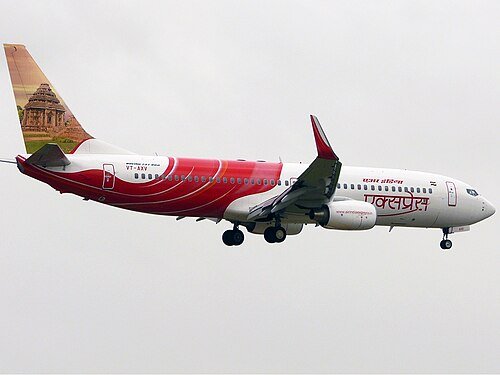
The catastrophic Air India Express Flight 812, involving a Boeing 737-800 in Mangalore on 22 May 2010 killed 158 of 166 people on board when the aircraft overshot the runway, plunged into a gorge, and caught fire due to the captain’s failure to abort an unstable approach, exacerbated by inadequate airport infrastructure. Air Marshal (Retd) B.N. Gokhale was associated with the Court of Inquiry into the Mangalore air crash.
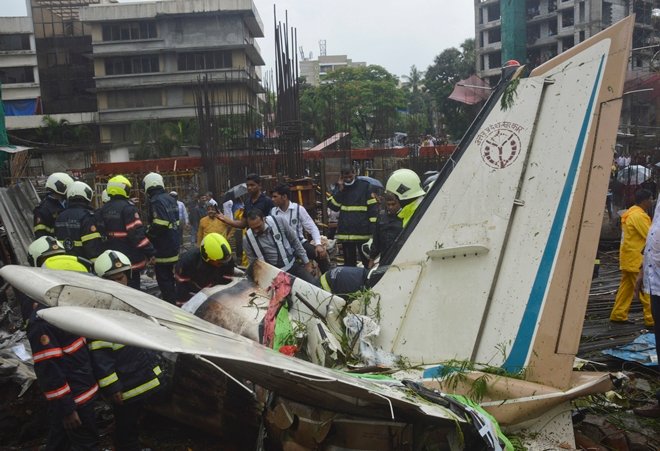
On 28 June 2018, a private jet, Beechcraft King Air C90, operated by UY Aviation, crashed in Ghatkopar, Mumbai, killing all five on board and one on the ground, attributed to maintenance issues and pilot error in adverse weather. Investigations by India’s Aircraft Accident Investigation Bureau (AAIB) and courts of inquiry issued recommendations, such as improving runway safety areas, mandating frangible structures at tabletop airports, and enhancing pilot training protocols. However, key recommendations remain unimplemented as of 2025.
On September 2, 2009, Andhra Pradesh Chief Minister Y. S. Rajasekhara Reddy (YSR) and four others were killed as their helicopter, a Bell 430 (VT-APG), crashed in the Nallamala forest near Rudrakonda Hill in adverse weather while en route from Hyderabad to Chittoor. The helicopter crashed due to severe weather, with the crew losing situational awareness after fixating for six critical minutes on a transmission oil pressure issue.

The tragic crash prompted the formation of a high-powered committee chaired by R.K. Tyagi, then Chairman and Managing Director of Pawan Hans Helicopters Limited. The Tyagi Committee’s 139-page report, released in January 2010, identified serious operational defects, pilot error and poor crew resource management as key factors, alongside adverse weather conditions: The helicopter entered low clouds and heavy rain, leading to a loss of visibility (Instrument Meteorological Conditions – IMC). The pilots were not adequately trained for such conditions. The flight was operating under Visual Flight Rules (VFR) but entered IMC, which was a critical mistake. The Bell 430 was not certified for Instrument Flight Rules (IFR) operations in such conditions. The helicopter flew too close to hills in poor visibility, leading to Controlled Flight Into Terrain (CFIT).
The pilots deviated from the planned route without a proper assessment of weather conditions and failed to divert despite worsening weather. They continued flying under instrument conditions despite a VFR plan. Andhra Pradesh Aviation Corporation (APAC) too failed to ensure proper weather monitoring.
The report recommended enhancing pilot training in adverse weather conditions; stricter enforcement of VFR/IFR regulations, installing advanced weather monitoring systems for VIP flights, improving aircraft maintenance protocols, and upgrading airfield safety infrastructure. However, none of these recommendations have been implemented, reflecting a persistent neglect of aviation safety, leaving critical airfields vulnerable to similar incidents.
Recent incidents, particularly in June 2025, reveal significant safety and operational challenges in India’s aviation sector. On 15 June 2025, a helicopter operated by Aryan Aviation crashed near Gaurikund, Uttarakhand, killing all seven on board. The DGCA responded by reducing helicopter operation frequencies for Char Dham routes and enhancing surveillance, citing safety concerns.
During 16-19 June 2025, IndiGo and other airlines faced disruptions due to technical issues, with over 30 flights cancelled in 72 hours ending 19 June 2025. An IndiGo flight from Delhi returned minutes after take-off on 19 June due to a technical snag, highlighting maintenance-related delays. On 16 June 2025, an IndiGo flight experienced engine failure at 18,000 feet, necessitating an emergency landing. No lives were lost, but the incident highlighted concerns about maintenance oversight amid India’s rapid aviation expansion.
On 17 June 2025, the DGCA noted inadequate coordination between engineering, operations, and ground handling teams across airlines, leading to operational inefficiencies. On 25 June 2025, the DGCA conducted a comprehensive safety assessment at major airports (Delhi, Mumbai, Bengaluru, Chennai, Kolkata) and identified multiple cases of recurring defects on aircraft across various airlines, indicating ineffective monitoring and inadequate rectification actions.
The regulator identified faded runway markings, outdated aerodrome data, and technical shortcomings in ground-handling equipment at major airports, affecting all airlines operating there, including IndiGo, SpiceJet, and Vistara.
A simulator examined during the DGCA’s audit on 25 June 2025 was found to have outdated software that did not match aircraft configurations, compromising pilot training accuracy for airlines operating at major airports. It is heartening to see the regulator in action mode, though one wishes a proactive approach should have been visible as a rule as part of its regulatory obligations, not as a course-correction in the post-catastrophe phase.
DGCA’s Reactive Role and Systemic Failures
DGCA, akin to Jagdish Raj — a Bollywood actor famed for arriving late after the hero’s triumph — epitomises post-incident response culture, instead of a preference for prevention and pre-emptive safety measures. The lack of a comprehensive accident board like the US National Transportation Safety Board (NTSB) exacerbates this. The AAIB, established in 2012 under MoCA, lacks the NTSB’s independence, $100 million budget, and expert capacity, resulting in unimplemented recommendations from the 2009 YSR helicopter crash. This lack of action underscores systemic regulatory and infrastructural shortcomings. A Parliamentary Standing Committee report from March 2024, referenced in June 2025, highlighted a 53 per cent vacancy rate at the DGCA, compromising its ability to conduct regular safety checks.
Following the Ahmedabad air crash, Air India too has conducted thorough safety inspections on its 33 Boeing 787 aircraft. These checks were carried out on the 787 fleet on their return to India, before being cleared for their next operations. It is evident that the national carrier needs to set its house in order as it transitions through ownership and operational changes.
Beyond the human tragedy, Air India faces significant operational losses, such as the immediate loss of aircraft capacity, revenue disruptions from cancelled or rescheduled flights, and logistical costs related to passenger rebooking and aircraft replacement. The airline is suffering from a substantial financial burden, with estimated costs potentially running into the hundreds of millions of dollars. It may also incur additional expenses related to restoring public confidence and addressing any legal challenges, including a pending public interest litigation seeking further fleet scrutiny. A noticeable drop in customer confidence has reportedly led to booking cancellations and reduced future reservations, as noted by several travel agencies. The incident has tarnished Air India’s reputation, already strained by past operational issues, posing a long-term challenge to customer loyalty and brand recovery.
Altogether, while much of the direct financial exposure will be mitigated through insurance, the broader reputational and operational impact on Air India is expected to be significant in the months ahead. The airline is under particular scrutiny due to violations related to its new crew scheduling software and exceeding flight time limits. For now, it is prioritising safety reforms and customer reassurance efforts to rebuild public trust and stabilise its market position in the wake of the tragedy.
It’s time for the DGCA and the Ministry of Civil Aviation to implement stricter screenings, regular maintenance checks, and mandatory safety audits. Safety cannot rely on luck; it demands accountability and decisive action before disaster strikes.
Read More: Will lessons be learnt from the Air India AI 171 Crash? Not so sure