











- From a tobacco warehouse to the sky: How one engineer’s radical vision created the world’s most trusted aircraft engines, starting with a sketch and $1.5 million in 1925.
- A century of breakthrough engineering: From the WWII Wasp engine that powered Allied victory to the geared turbofan that achieved what many engineers once said could not be done.
- Every second, somewhere on Earth, a plane powered by Pratt & Whitney engines takes off or lands, a century of innovation that made modern air travel possible for millions of passengers.

The story of Pratt & Whitney is not just a corporate history; it is the story of how human beings figured out to make the world smaller, safer, and more connected through sheer engineering willpower. It all started in 1925, which, if you think about it, was an era when aviation was still a fragmented, somewhat directionless industry. The Wright brothers had flown only twenty years prior, and while World War I had given military flight a nudge, planes were still largely unreliable machines prone to failure.
It took a man named Frederick Rentschler, a former Army officer with a “consuming passion” for aviation, to change that. Rentschler was a designer at Wright Aeronautical, but he was frustrated. He felt the company was being run by investment bankers who cared more about the bottom line than the day-to-day grit of building great engines. He believed in a simple, almost radical philosophy: you cannot design a great airplane unless you start with a great engine.

So, in the spring of 1925, Rentschler quit his comfortable job and went to Washington.
He told a Navy admiral that he could build a 400-horsepower air-cooled radial engine that would weigh less than 650 pounds—a goal that other manufacturers at the time thought was impossible.
The Navy liked the idea but had no money to give him. They basically told him that if he could actually build it, they would buy it.

Armed with nothing but that promise and a lot of confidence, Rentschler went to his brother, who helped him connect with the Pratt & Whitney Machine Tool Company in Hartford, Connecticut.
The tool company had extra space and capital, and after a quick meeting, they struck a deal. They gave him $1.5 million and a factory space that was literally being used to store tobacco. That’s how Pratt & Whitney Aircraft was born—in a room smelling of dried tobacco leaves with a handful of engineers, led by George Mead and Andy Willgoos, who were willing to bet their careers on a sketch.
They worked at a breakneck pace. By Christmas Eve of 1925, they had their first engine ready to run. They called it the “Wasp” because of the buzzing sound it made, a name suggested by Rentschler’s wife. When they fired it up, it didn’t just meet the goal; it blew past it, delivering 425 horsepower. It was a technical marvel for its time, using a split crankshaft and forged crankcases that made it lighter and much more reliable than the water-cooled engines people were used to. The Navy immediately ordered 200 of them, and Pratt & Whitney was suddenly the most important name in the sky.

This early success set the tone for everything that followed. By 1928, they were already expanding into Canada to keep up with demand. But the real test came during World War II.
Pratt & Whitney became a cornerstone of Allied air power.
Their engines, like the R-1830 Twin Wasp and the R-2800 Double Wasp, were everywhere—powering the Douglas C-47, the B-24 Liberator, and the P-47 Thunderbolt.
The scale of production was mind-boggling. They didn’t just use their own factories; they partnered with car companies like Ford and Buick to churn out hundreds of thousands of engines.
By the time the war ended, Pratt & Whitney engines had supplied more than 50% of the total aviation horsepower used by the Allies. There are stories of pilots, like WWII veteran Ed Cottrell, who credit their lives to the ruggedness of these engines. Cottrell’s P-47 took heavy fire, but that R-2800 engine just kept turning, getting him home when any other engine would have quit.

Interestingly, while they were busy winning the war with radial engines, the U.S. government actually forbade them from researching jet engines because they were too vital to the production of existing piston engines.
This meant that when the war ended, they were technically behind. But in true Rentschler fashion, they didn’t just try to catch up; they tried to leapfrog the competition. They started by building the J42 under license from Rolls-Royce, but they quickly moved to their own designs.
This led to the J57, the first dual-spool axial-flow turbojet. This was a massive breakthrough because it solved the “sluggish” acceleration problems of earlier jets and was the first engine in the U.S. to produce 10,000 pounds of thrust. It was so successful it won the Collier Trophy in 1953, and its commercial version, the JT3, essentially launched the jet age by powering the Boeing 707 and the Douglas DC-8.
The High-Stakes Gamble for Jet Supremacy
As the 1960s rolled around, the world was hungry for bigger planes and longer flights. This is where we see one of the most incredible, yet stressful, chapters in the company’s history: the development of the JT9D for the Boeing 747 “Jumbo Jet”. This was the first high-bypass ratio turbofan for commercial airliners, meaning it was designed to move a massive amount of air relatively slowly around the core to gain huge efficiency. But because it was so new and so big, everything that could go wrong did go wrong. Early test engines would flame out, stall, or even snap their shafts.

The most notorious problem was something engineers called “ovalization”. Imagine a giant metal tube (the engine casing) that is supposed to stay perfectly round. But because of the massive thrust being generated, the casing would actually warp into an oval shape during takeoff.
This warp was only about 0.05 inches, but in a jet engine, that’s a mile. It caused the spinning turbine blades to rub against the inside of the casing, which destroyed performance and could even cause the engine to fail. It got so bad that Boeing had thirty brand-new 747s sitting outside their factory with concrete blocks hanging from the wings because they didn’t have reliable engines to put on them.
The tension between Boeing and Pratt & Whitney was at an all-time high. Boeing’s legendary program manager Joe Sutter felt that Pratt wasn’t taking the problem seriously enough. So, Pratt’s president, Barney Schmickrath, flew to Seattle to meet with the Boeing team. To prove how bad it was, Boeing test pilot Jack Waddell took Schmickrath on a test flight and deliberately “pulsed” the engines. The resulting bangs and flames shooting out of the engines finally convinced Schmickrath that they were in a life-or-death struggle for the company’s future.
Engineers from both companies put their heads together and came up with a “Yoke” solution—a Y-shaped titanium thrust frame that transferred the loads differently and kept the engine round. It added 163 pounds to the engine, but it fixed the problem and saved the 747.

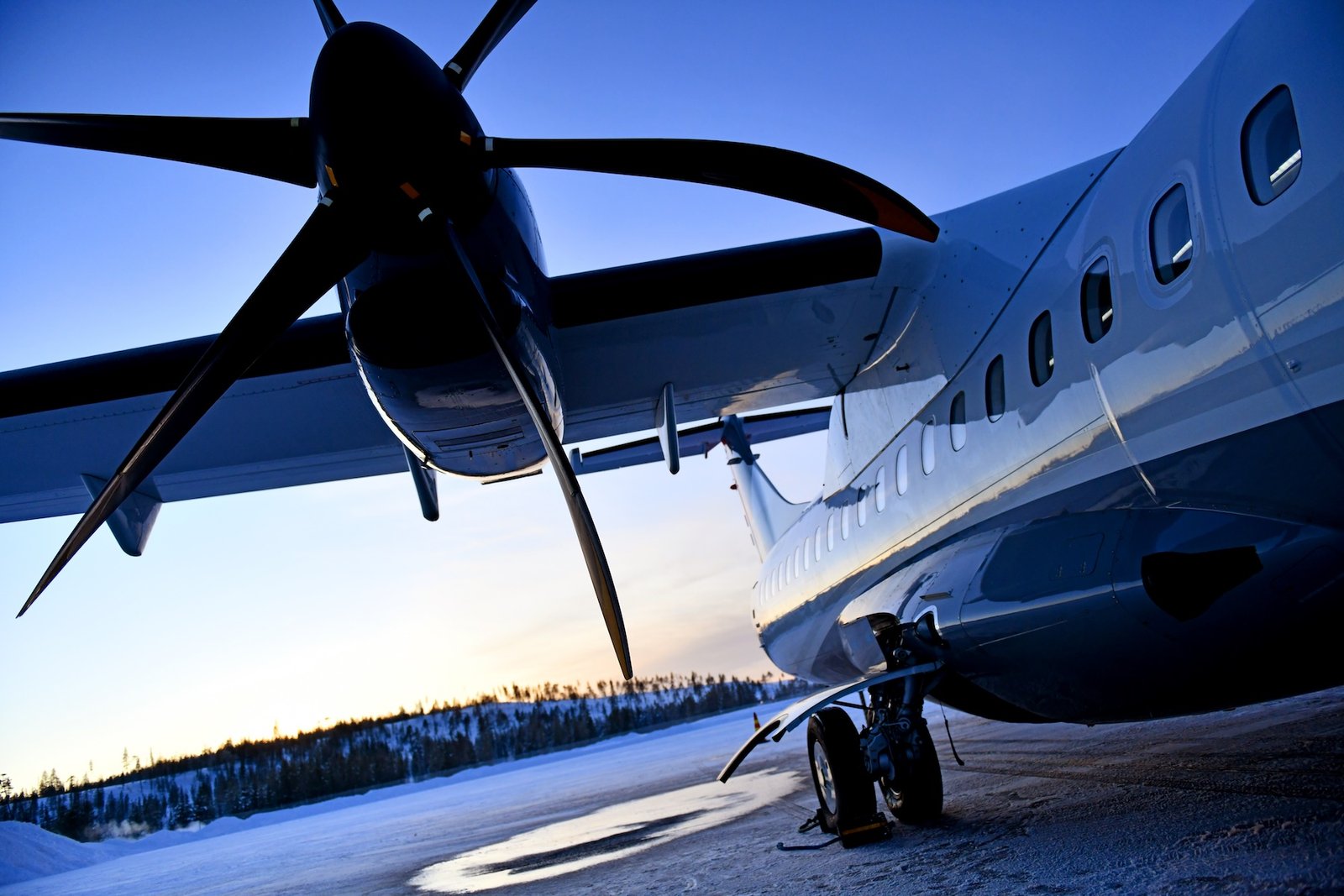
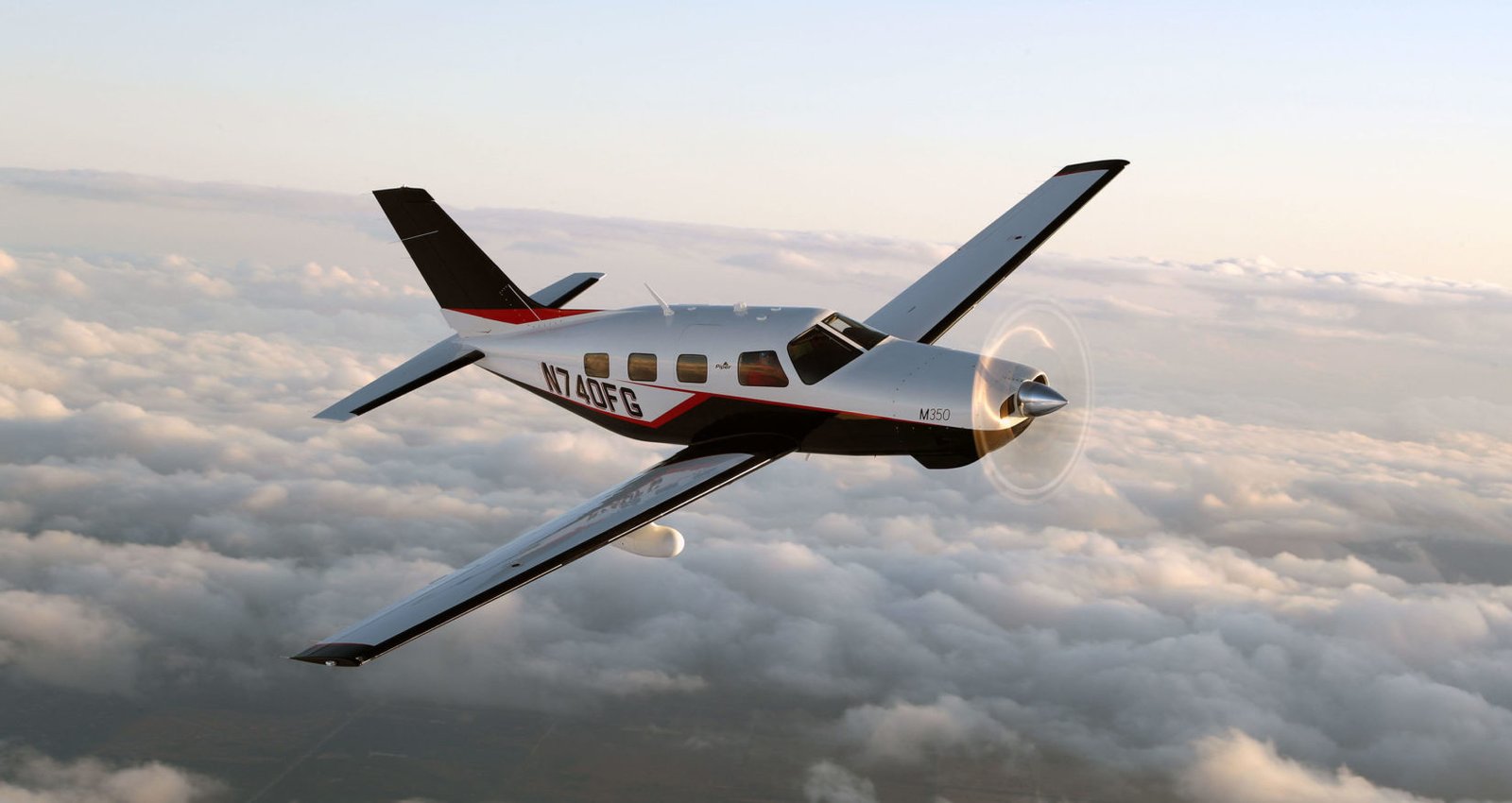
While they were wrestling with the giants, their Canadian division was quietly building a legend. In the early 1960s, a team at Pratt & Whitney Canada decided to build a turboprop variant ranging from 450 to 1,940 shaft horsepower called the PT6. Most people at the time thought small planes should stick to piston engines, but the PT6 team was stubborn.
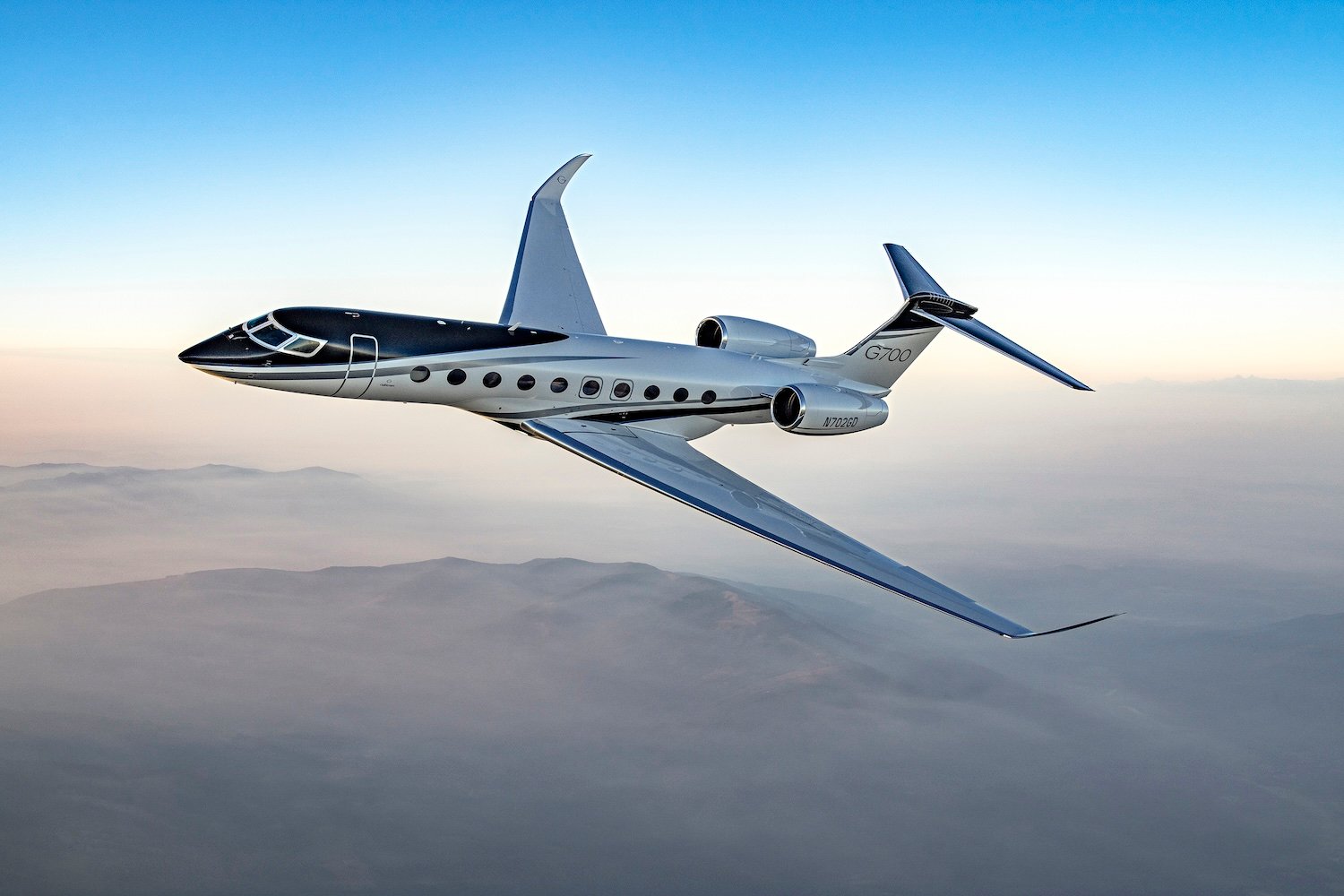
They built a “reverse-flow” engine where the air enters at the back and exits at the front, which made it incredibly easy to maintain. Today, the PT6 is the most widely used engine in general aviation, with over 64,000 built, powering everything from crop dusters to luxury business jets. It’s a perfect example of the “explorer’s heart” that the company talks about—going where others think there’s no market.

They also pushed the boundaries of speed. If you’ve ever seen the SR-71 Blackbird, the fastest plane ever built, you’ve seen the work of the Pratt & Whitney J58. This engine was basically a turbojet that could turn into a ramjet at high speeds. It allowed the Blackbird to fly at Mach 3.2 at altitudes above 85,000 feet. The J58 was so hot during operation that it actually had to be built with special alloys, and it even used a unique fuel that wouldn’t ignite at normal temperatures. It remains a peak achievement in the history of thermodynamics.
Rethinking Flight with the Geared Turbofan
The last decade has been perhaps the most transformational in the entire 100-year run. The headline story here is the Geared Turbofan, or GTF. For decades, jet engines had a basic design limitation: the big fan at the front and the turbine at the back were connected by a single shaft, so they had to spin at the same speed.
But physics tells us that the fan wants to spin slowly to be efficient and quiet, while the turbine wants to spin incredibly fast to be powerful. Pratt & Whitney spent twenty years and several billion dollars to develop a gearbox that would let them spin at different speeds. It was a massive technical risk. If that gearbox failed, the engine failed.

When the GTF finally entered service in 2016, it was a game-changer. It reduced fuel burn by up to 20% and cut the noise footprint by a staggering 75%. But, just like the JT9D fifty years earlier, the GTF had its share of “teething problems.” Some engines had issues with seals, and in 2023, a major problem was discovered with the “powder metal” used to make turbine disks. A rare contaminant in the metal could cause tiny cracks, which led to the grounding of hundreds of planes for inspection.
Instead of shying away from it, the company went into “overdrive” to fix it. They expanded their maintenance network to 21 shops worldwide and developed new inspection techniques, like angled ultrasonic testing, to find these tiny flaws. They also launched the “GTF Advantage,” a new version of the engine that uses even more advanced materials and a software update that lets the engine run cooler during climb, extending the time it can stay on the wing. They even started using waterjet drilling instead of lasers to make holes in the combustor panels because it makes the parts more durable in dusty or polluted environments.
The transformation wasn’t just technical; it was also structural. In 2020, Pratt & Whitney’s parent company, United Technologies, merged with Raytheon to form Raytheon Technologies, which is now known as RTX.

This merger put Pratt & Whitney in the same family as Collins Aerospace and Raytheon, allowing them to collaborate on things like hybrid-electric flight.
They are currently testing a “Hybrid-Electric Flight Demonstrator” using a Dash 8 aircraft. This plane uses a thermal engine from Pratt & Whitney Canada and a 1-megawatt electric motor from Collins Aerospace.
The goal is to improve fuel efficiency by another 30% for regional flights, which is a huge step toward the industry’s goal of net-zero emissions by 2050.
One of the most impressive developments from the past decade has been their pioneering work on digital twins.
The company developed digital models of every engine to predict potential failures before they occur. During testing of next-generation combat drones, they successfully used these digital twins to push engines to 20% more thrust than their original ratings—without building a single physical prototype. This digital-first engineering approach marks a dramatic departure from the tobacco warehouse days, yet maintains the same spirit of achieving what others said was impossible.
Powering Defense and the Future of Electric Propulsion
While the commercial world focuses on efficiency, the military world focuses on power and stealth. For the last forty years, Pratt & Whitney has been the dominant force in fighter jet engines. It started with the F100, which powers the F-15 and F-16. Then came the F119 for the F-22 Raptor—the first engine that could “supercruise,” or fly at supersonic speeds without using an afterburner. Today, they produce the F135, which powers all variants of the F-35 Lightning II.
The F135 is arguably the most complex machine ever built. It has to produce enough thrust to lift a 30-ton jet vertically for the Marine Corps version (the F-35B), while also providing the cooling and power needed for the plane’s advanced sensors and stealth coatings.

Building on their GTF experience, Pratt & Whitney has been developing a ‘Core Upgrade’ (ECU) for the F135 to meet next-generation warfare requirements. This upgrade incorporates lessons from high-pressure compressor testing over the past decade, delivering increased power and durability without changing the engine’s physical size.
Even in this high-tech military world, they keep their traditions. The “penny ceremony” is still a thing among many mechanics who work on these engines. This tradition involves placing a penny on the engine to mark the year it was last overhauled, a ritual connecting modern mechanics to aviation heritage.
There’s also the Rogers-Bond Comparator heritage—a machine developed in 1882 in collaboration with Harvard professor William Barton Rogers that could measure to an accuracy of 20 micro-inches (20 millionths of an inch). This device, now in the Smithsonian, established Pratt & Whitney’s foundation in precision measurement.
That obsession with precision is why their engines are trusted by over 30 armed forces around the world. They also have a unique way of looking at their people. They talk about “perfectionist’s grit,” which is basically a fancy way of saying they don’t give up when things get hard. You can see that grit in the way they handled the powder metal crisis, or how they spent twenty years failing at gearboxes before they finally got the GTF to work.
One significant but often overlooked achievement is that the company was a pioneer in green manufacturing long before it became trendy. Since 2006, they’ve managed to triple their production while actually reducing their greenhouse gas emissions by an amount equal to taking 680,000 cars off the road.
They aren’t just building engines that burn less fuel; they are building them in factories that use less energy. The company is actively researching hydrogen combustion and rotating detonation engines that could theoretically deliver even greater efficiency than the GTF. This ongoing work represents a continuation of the journey that began in 1925—looking ahead and finding ways to get there faster.
Having achieved the 100-year milestone in July 2025, the company’s scale remains remarkable. More than 85,000 Pratt & Whitney engines remain in service globally. At any given moment, a plane powered by a P&W engine is either taking off or landing somewhere on Earth. That’s 45,000 employees across 40 countries united in Frederick Rentschler’s original mission: creating the finest engines to power the world’s best aircraft. Their century reflects triumph over gravity, lessons learned through failure, and an unwavering commitment to go ‘beyond’.

Pratt & Whitney’s connection to India is a massive part of this global story, stretching back seven decades to when their JT3D engines powered Air India’s very first Boeing 707, effectively bringing the jet age to the subcontinent.
Today, the partnership is deeper than ever; millions of passengers flying in India do so on a plane powered by their engines, and the country operates one of the largest fleets of GTF-powered aircraft in the world. Beyond just selling engines, the company has heavily invested in India’s local ecosystem, opening a state-of-the-art India Engineering Centre (IEC) and a Digital Capability Centre in Bengaluru, where over 500 local engineers work on the world’s most advanced propulsion systems.
From training over 60 nationalities at their Hyderabad centre to powering the Indian Air Force’s C-17 Globemasters and PC-7 trainers, Pratt & Whitney has become the silent, dependable heartbeat of Indian aviation.
A century on, Pratt & Whitney’s story mirrors the broader evolution of aviation itself.
Also Read: Rolls-Royce signs new agreement with Bharat Forge for Pearl 10X fan blades