





India Steps Up Heliport Development, but Vertiport Integration Remains Distant

Key Takeaways
- Pawan Hans Limited signed a five-year MoU with the Andhra Pradesh Economic Development Board to expand heliport development in India.
- The agreement aims to enhance regional connectivity and support services like tourism and emergency response.
- Pawan Hans will act as the nodal agency for over 80 heliports, focusing on remote and difficult terrains.
- India has only 289 heliports compared to 8,130 in the US, highlighting a significant infrastructure gap.
- While expanding heliport infrastructure, India is yet to integrate vertiports for eVTOL aircraft into its aviation network.
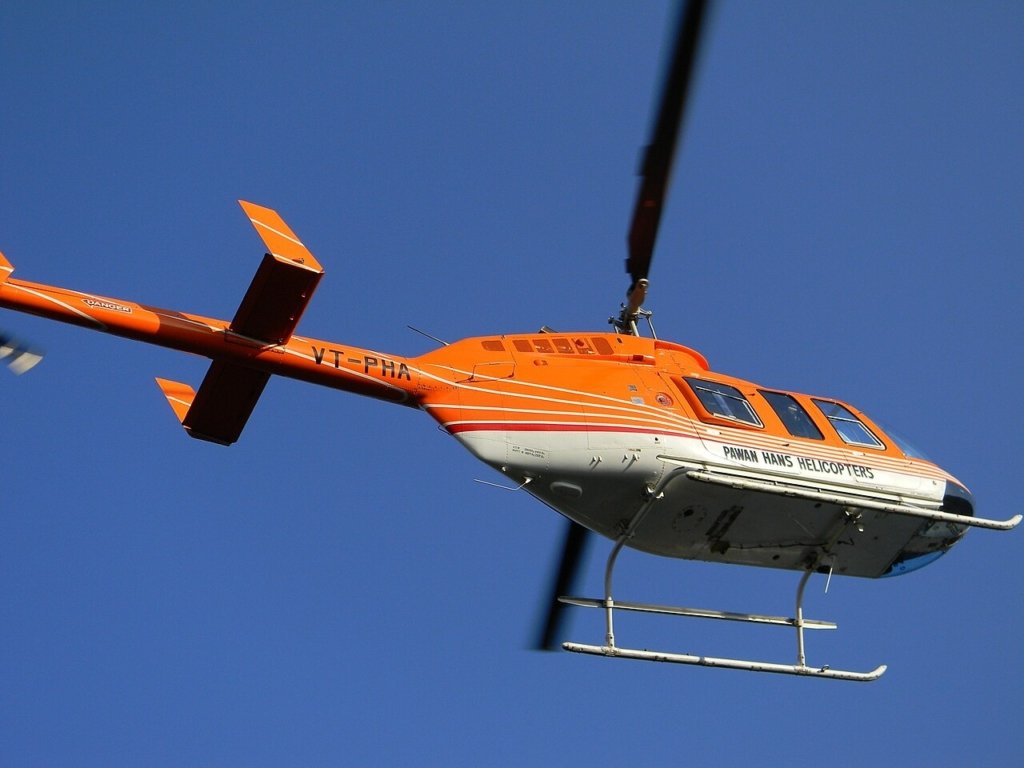
Photo: KuwarOnline/Wikimedia Commons
India’s efforts to expand its helicopter infrastructure have received a fresh impetus with Pawan Hans Limited signing a five-year Memorandum of Understanding (MoU) with the Andhra Pradesh Economic Development Board (APEDB) for the development of heliports across the state.
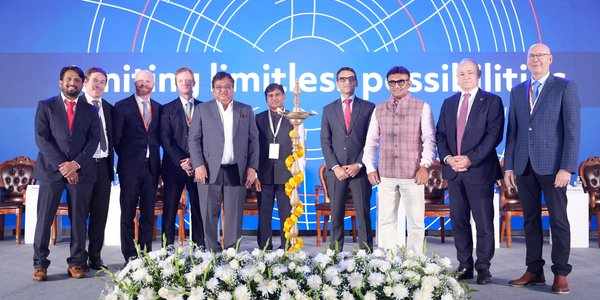
The agreement, signed on November 13, 2026, during the 31st CII Partnership Summit in Visakhapatnam, envisages the development of heliport infrastructure to strengthen regional connectivity and expand helicopter-based transportation services.
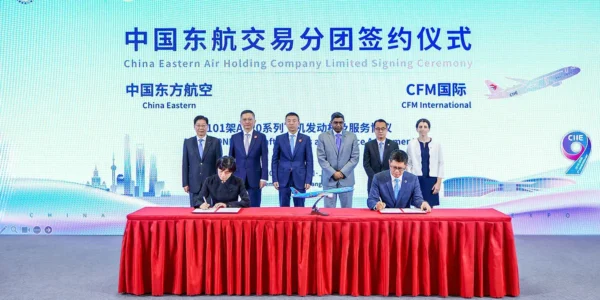
The MoU was signed by Shan Mohan Sagili, CEO of APEDB, and Raj Kumar Dubey, Strategic Advisor to the Chairman and Managing Director of Pawan Hans, in the presence of Union Civil Aviation Minister Ram Mohan Naidu Kinjarapu and Andhra Pradesh Minister Nara Lokesh.
Under the partnership, Pawan Hans will undertake pre-feasibility studies, prepare detailed project reports, provide project management consultancy, develop heliports and assist with their subsequent operations and maintenance. The initiative is expected to support regional transportation, tourism, emergency services and access to locations where conventional airport infrastructure may not be viable.
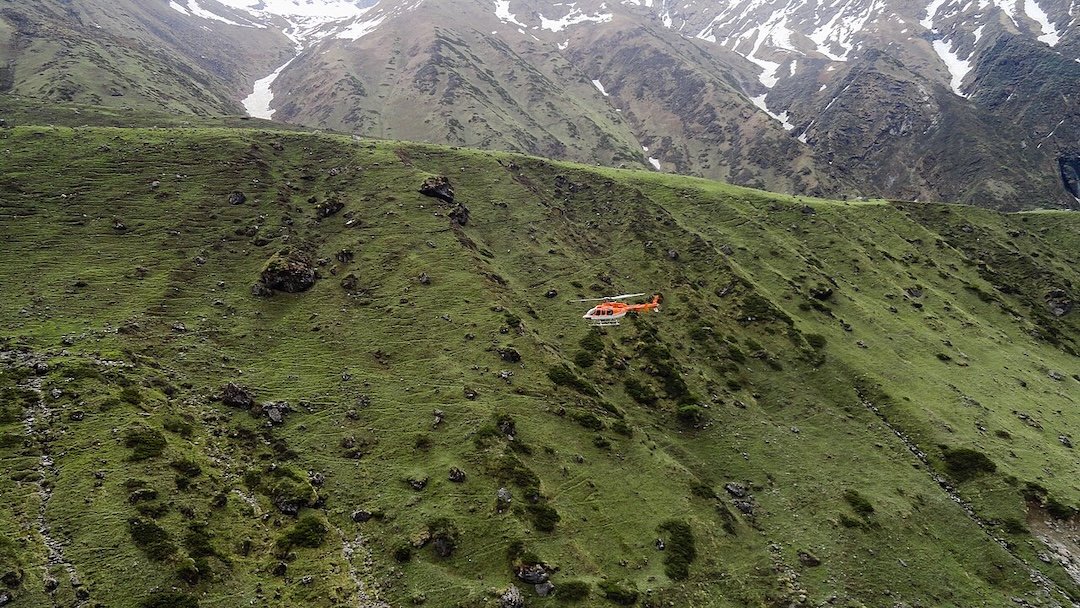
The Andhra Pradesh agreement is part of a wider national effort to make helicopter transportation an accessible component of India’s aviation network, particularly in remote areas, pilgrimage centres, industrial clusters and difficult terrain.
Pawan Hans, Nodal Agency for Heliport Development
Pawan Hans has been designated as the nodal agency to provide consultancy and project management services for over 80 heliports. Of these, 54 are being developed under the Regional Connectivity Scheme (RCS)-UDAN across 16 states and Union Territories.
The projects cover states and regions including Arunachal Pradesh, Assam, Manipur, Meghalaya, Nagaland, Sikkim, Uttarakhand, Himachal Pradesh, West Bengal, Ladakh, Lakshadweep, Gujarat, Haryana, Tamil Nadu, Karnataka and Goa.
HINER Area Focus
The government’s modified UDAN programme is expected to provide another significant boost. The scheme has an outlay of ₹28,840 crore for 2026-27 to 2035-36. It has allocated ₹3,661 crore for the development of 200 heliports in Hilly, North-Eastern, and Aspirational (HINER) areas. The focus is on improving last-mile connectivity.
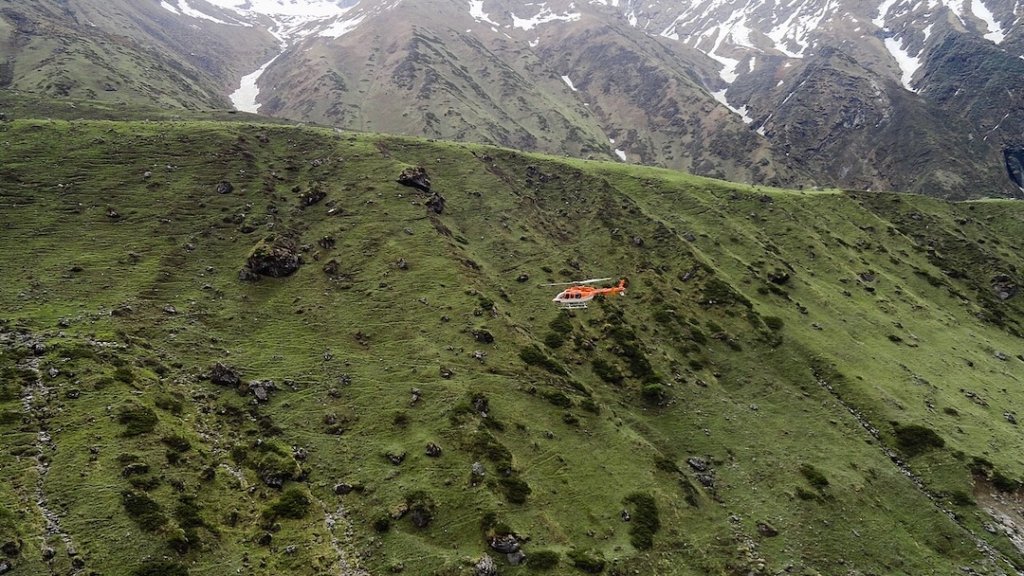
However, developing heliports involves more than providing a landing and take-off area. Depending on their intended use, facilities require passenger terminals, hangars, parking bays, firefighting arrangements, fuelling infrastructure, maintenance facilities and appropriate air traffic management systems.
289 Indian Heliports Against the US’s 8,130
The scale of the opportunity becomes apparent when India is compared with the United States. The CIA World Factbook’s 2025 inventory lists 8,130 heliports in the US. According to figures provided by Sansad.in, there are 289 heliports in India, while it said that only 13 heliports were operational.
This highlights the considerable gap between infrastructure listed in national inventories and facilities actually available for regular operations.
A Decade of Rohini
A decade after it became operational, Rohini Heliport remains the benchmark for rotary-wing operations. Developed by Pawan Hans, the 25-acre facility has a passenger terminal, four hangars that accommodate 16 helicopters, and nine parking bays, and is envisioned as the starting point for a network of integrated heli-hubs.
PHL is working to develop four “heli-hubs” along on the concept lines of “airport-hubs” and Rohini is the first step in this plan. These heli-hubs are going to be a one-point solution for helicopter business and will act as a heliport for passenger services, maintenance, repair and overhaul (MRO) and also as a skill development centre for training of pilots, engineers and technicians.
Vertiport Integration Still Some Distance Away
While India is expanding conventional helicopter infrastructure, integration with the emerging advanced air mobility ecosystem remains a future proposition.
Vertiports, designed to accommodate electric vertical take-off and landing (eVTOL) aircraft, are yet to become part of India’s operational aviation infrastructure. There are currently no announced plans for establishing an operational vertiport network in the country.
The DGCA in 2024 had issued guidance material on the design, operation and authorisation of vertiports. Its advisory circular outlines requirements for specialised infrastructure, including charging facilities, landing-area markings, safety arrangements and emergency procedures.
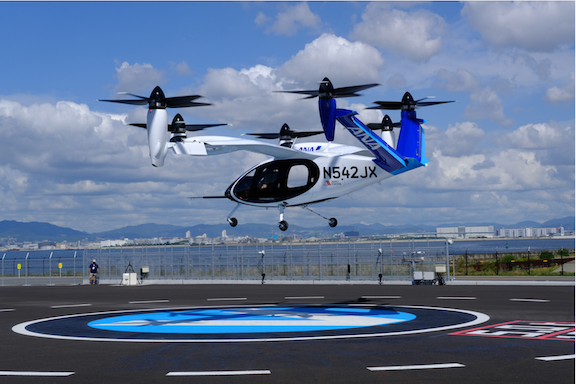
Existing heliports would therefore need additional infrastructure and regulatory authorisation before accommodating eVTOL operations.
This offers the possibility of eventually combining conventional helicopter services with electric aircraft operations at suitable facilities.
Presently, India’s priority remains the expansion of its conventional heliport/helipad network.
While future heli-hubs could incorporate vertiport facilities, the transition towards integrated advanced air mobility centres is yet to move from regulatory preparation to actual infrastructure development.
The immediate challenge is to convert the growing number of heliport proposals into operational facilities supported by viable helicopter services.
Also Read: An eVTOL Program Built on India’s Ground Realities
Chandrakanth R has over four decades of journalism experience, including 25 years as Chief Reporter at The Hindu and four years as Editor of Media One, Dubai. Since returning to India, he has specialised in aerospace and defence and regularly covers major international industry events.