









- Domestic airlines carried 153.9 lakh passengers in May 2026, up 9.49% over April, but the real gap is now in punctuality, cancellations and service reliability.
- IndiGo led with 64.9% market share and 82.8% OTP, while Akasa posted a 92.5% load factor and just 0.14% cancellations, showing strong operating discipline.
- SpiceJet recorded an industry-low OTP of 26.5%, with over 15% of flights delayed by more than two hours, as delays cost airlines more than ₹590 lakh in passenger support.
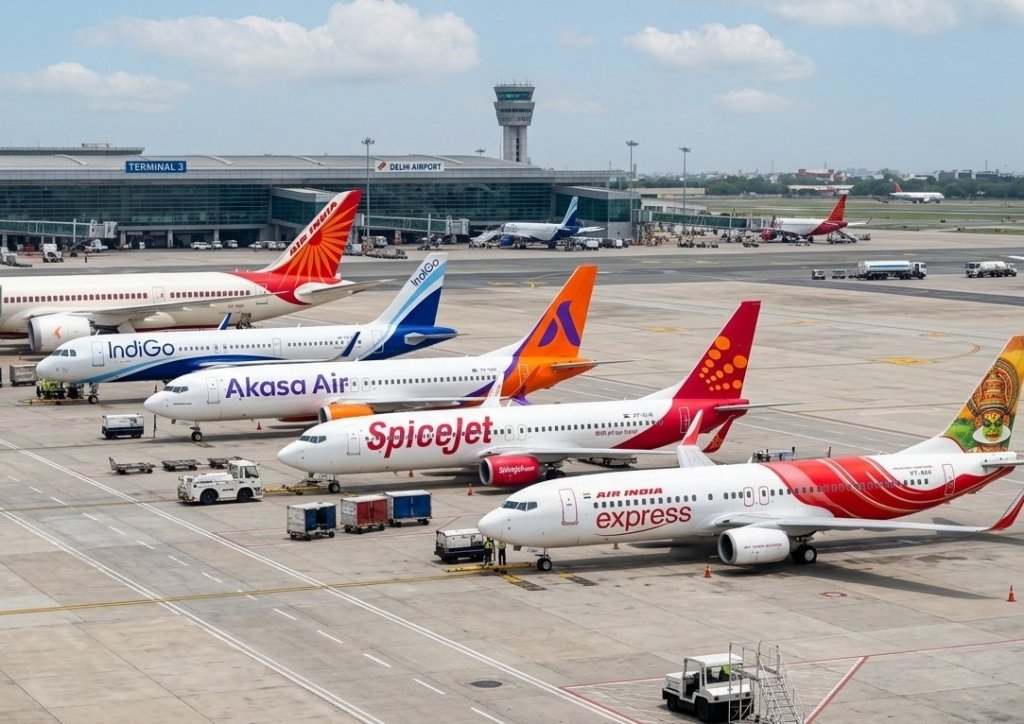
India’s domestic aviation market entered the summer travel season on a strong demand footing in May 2026, but the latest operating data suggests that the competitive landscape is increasingly being shaped less by passenger growth than by airlines’ ability to deliver reliable operations, optimise capacity and maintain customer satisfaction amid mounting operational complexity.
Data released by the Directorate General of Civil Aviation (DGCA) show scheduled domestic airlines carried 153.9 lakh passengers in May, up 9.49 per cent over April, taking traffic during the January-May period to 729.4 lakh passengers, an annual increase of 1.91 per cent. Yet behind the steady demand recovery lies a widening divergence in operational performance that is reshaping the industry’s competitive hierarchy.
While IndiGo continues to dominate virtually every measurable operating metric, Air India Group appears to be making measurable progress in stabilising its network following its integration under the Tata Group, and Akasa Air is steadily establishing itself as the industry’s benchmark for operational efficiency despite its relatively modest market share. At the other end of the spectrum, SpiceJet continues to grapple with persistent operational disruptions that threaten to erode its competitive position even as passenger demand remains resilient.
Scale Remains IndiGo’s Biggest Competitive Advantage
India’s largest airline further consolidated its market leadership in May, carrying nearly 100 lakh passengers and retaining a commanding 64.9 per cent domestic market share. More importantly, the airline continues to demonstrate that network scale does not necessarily come at the expense of operational reliability.
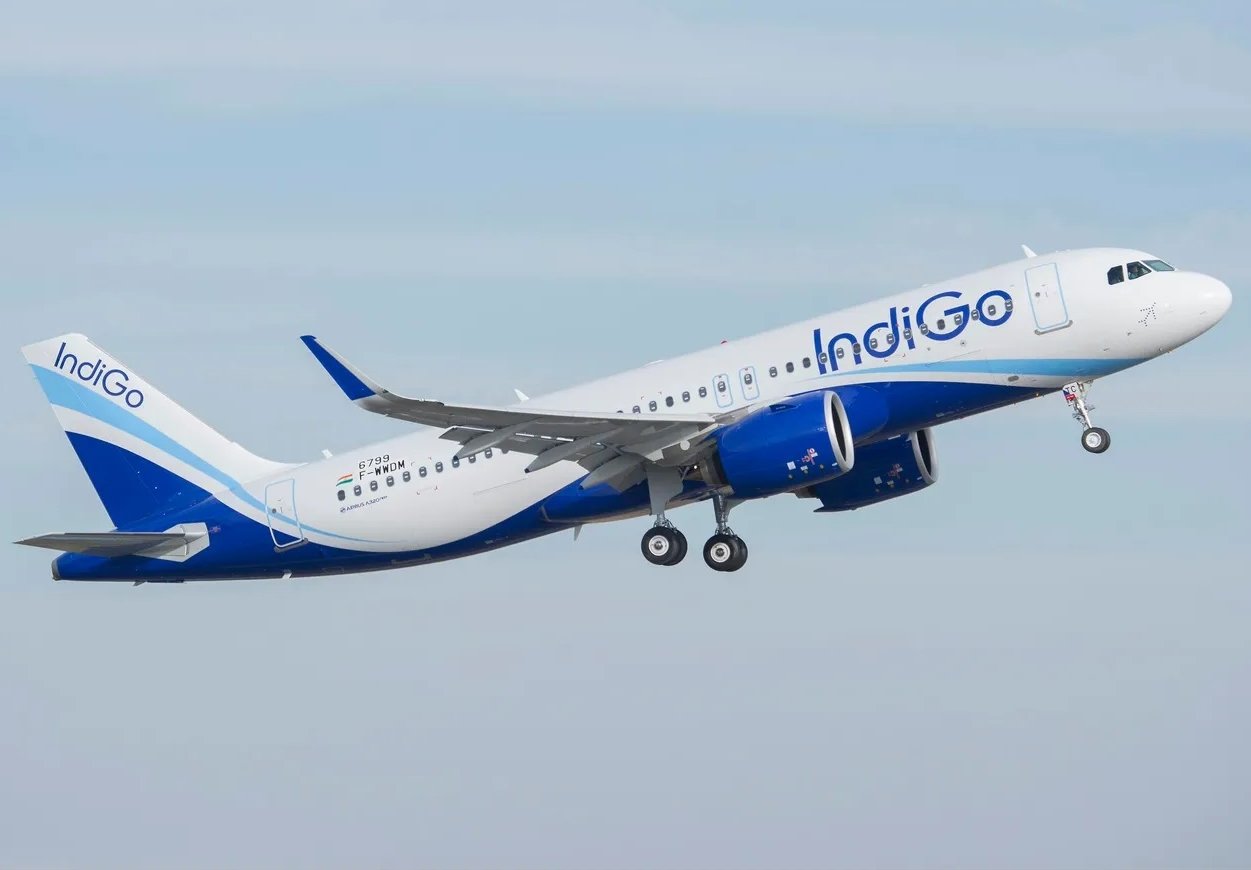
IndiGo recorded the highest on-time performance among major domestic airlines at 82.8 per cent across the country’s ten busiest airports, maintained one of the industry’s lowest cancellation rates at 0.36 per cent, and reported only 0.78 per cent of flights delayed by more than two hours.
The airline also recorded the lowest passenger complaint ratio among major carriers at one complaint per 10,000 passengers.
The combination suggests IndiGo has reached a level of operational maturity where fleet size, network density and schedule complexity are increasingly becoming competitive advantages rather than operational liabilities.
Its consistently strong execution also enables greater aircraft utilisation, lower disruption costs and improved customer retention—advantages that become increasingly valuable as competition intensifies.
Air India Begins Translating Integration into Operational Gains
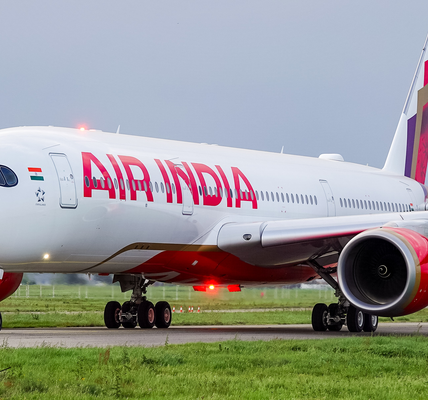
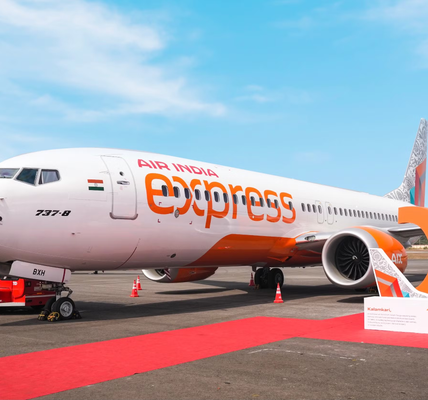
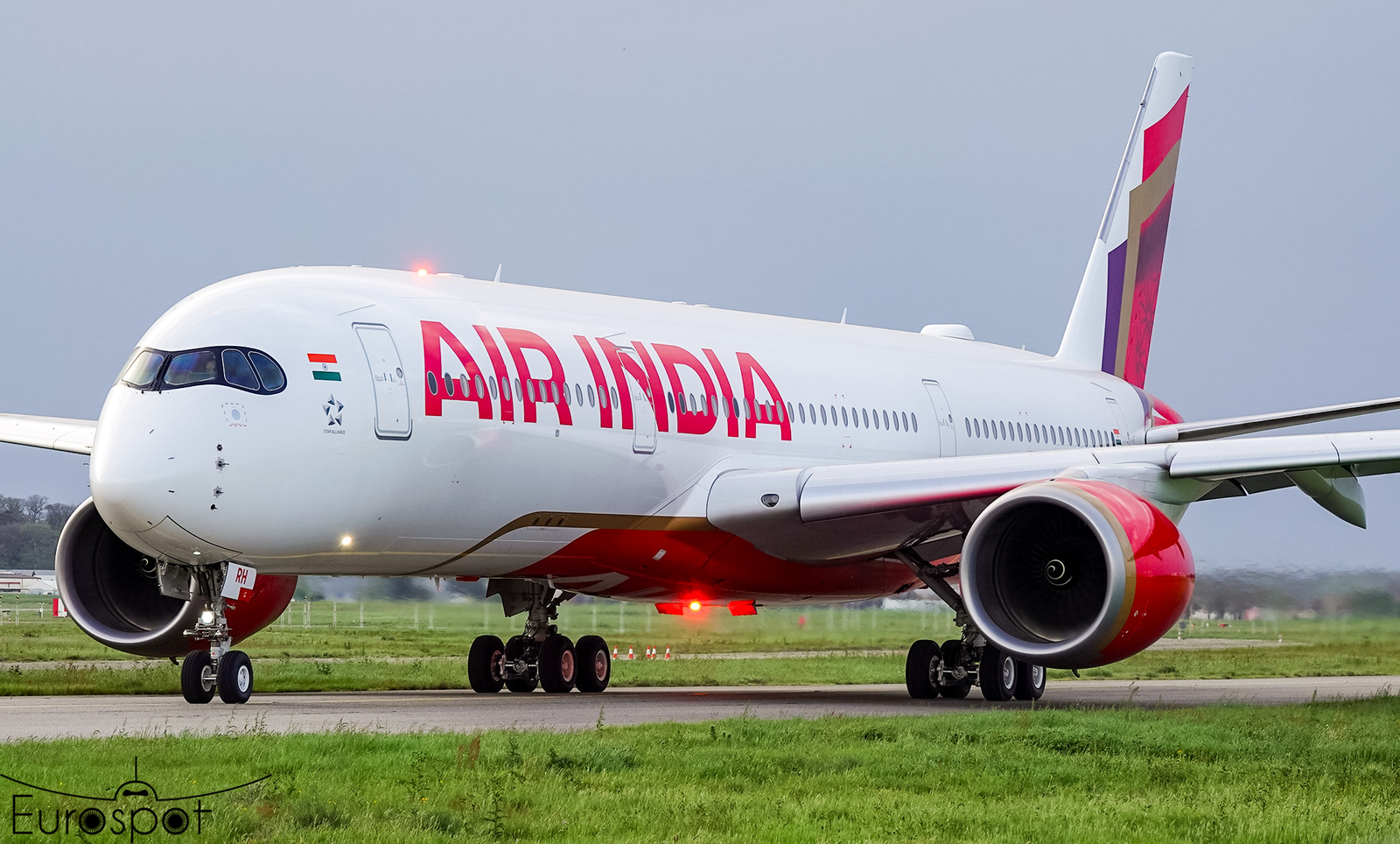
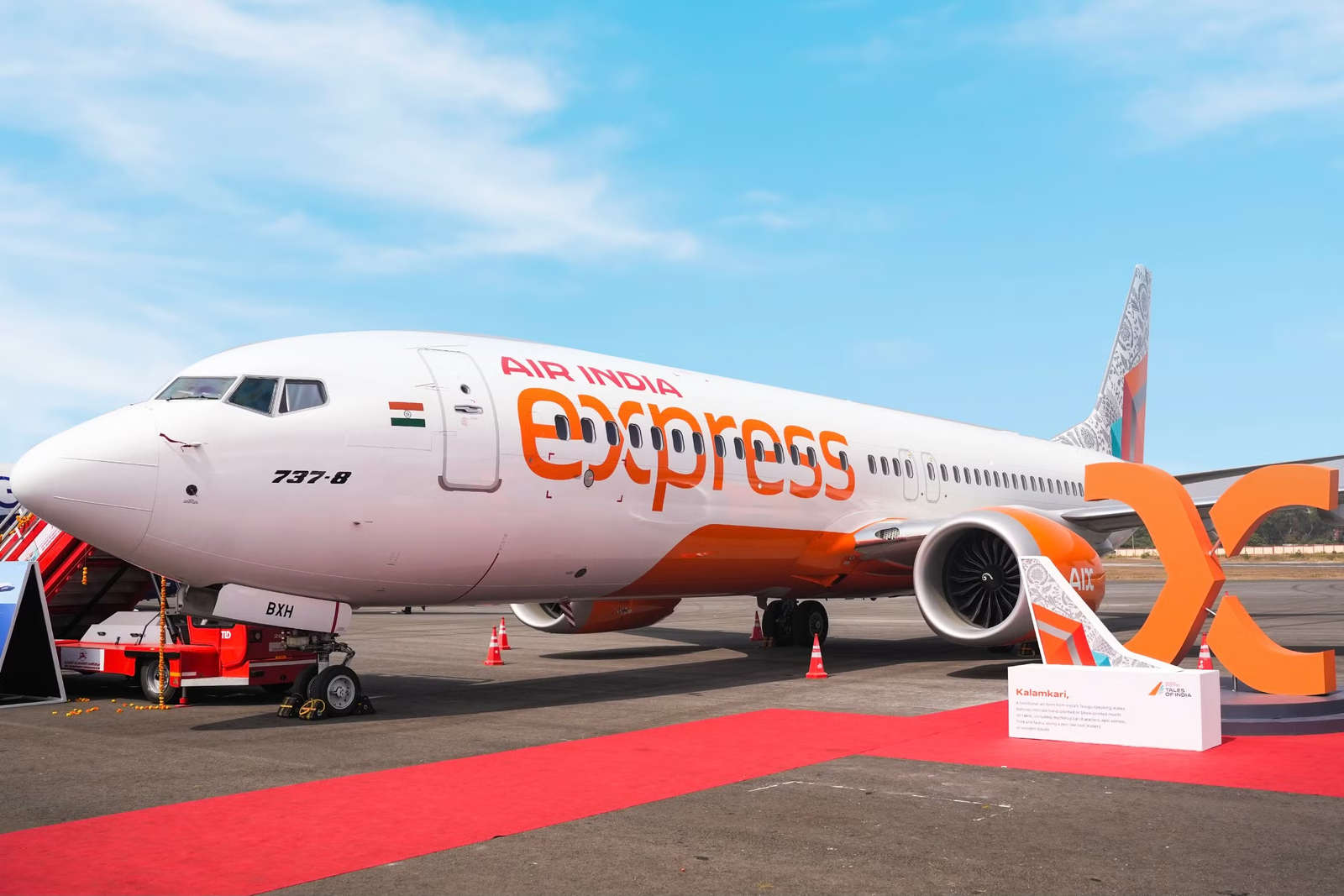
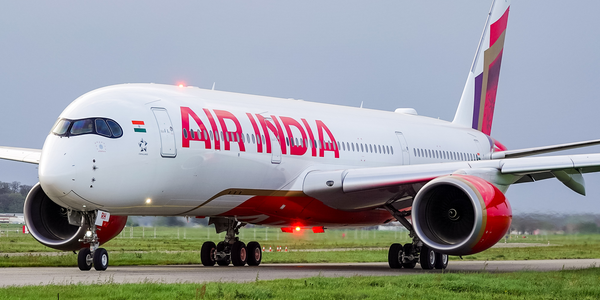
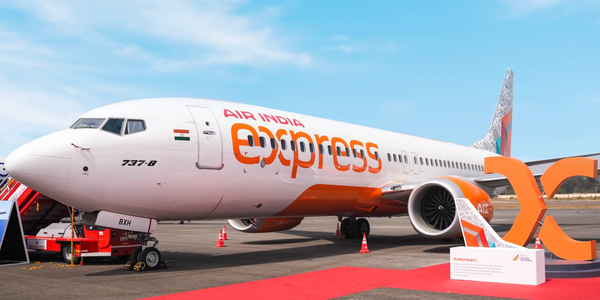
For Air India Group, comprising Air India and Air India Express, May’s performance indicates that the lengthy integration process is beginning to yield tangible operational improvements.
The group maintained its position as India’s second-largest airline with a 25.6 per cent market share while improving its passenger load factor to 83.5 per cent from 78.5 per cent in April, reflecting stronger demand as well as better capacity deployment.
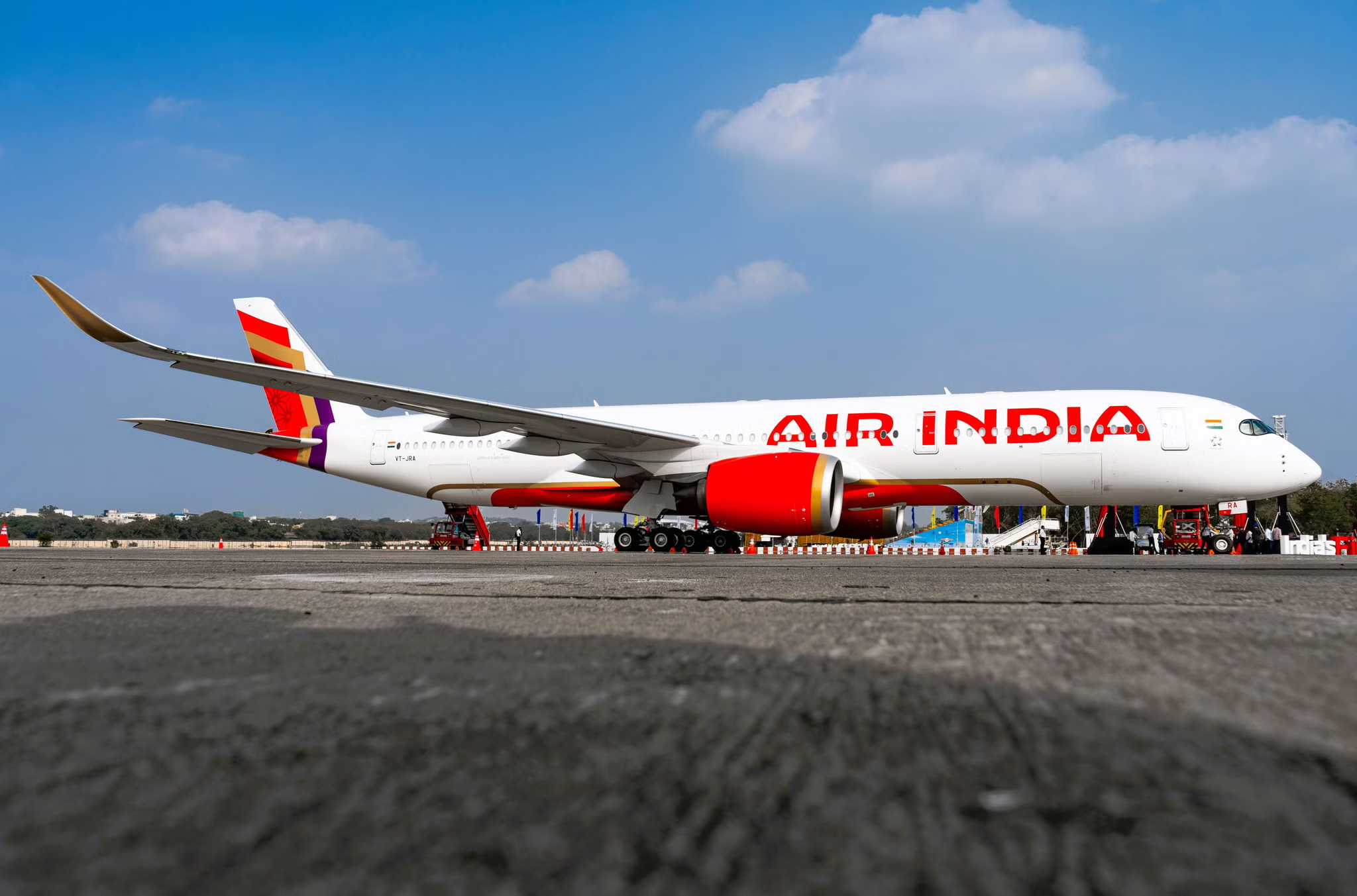
Operational indicators also moved in the right direction. The group’s on-time performance improved to 74.5 per cent while cancellations remained relatively contained at 0.39 per cent.
However, customer experience continues to lag operational progress. Air India recorded 3.4 complaints per 10,000 passengers—the highest among major private carriers—even though nearly every complaint was resolved during the reporting period.
The figures suggest that while network reliability is improving, service consistency across the enlarged airline group remains a work in progress.
Akasa Air Continues to Punch Above Its Weight
If IndiGo dominates on scale, Akasa Air is steadily building its reputation on execution.
Although its domestic market share remained at 5.8 per cent, the airline once again recorded the industry’s highest passenger load factor at 92.5 per cent, highlighting exceptionally efficient capacity utilisation. It also posted the lowest cancellation rate among all scheduled carriers at just 0.14 per cent and ranked second only to IndiGo in on-time performance at 78.3 per cent.
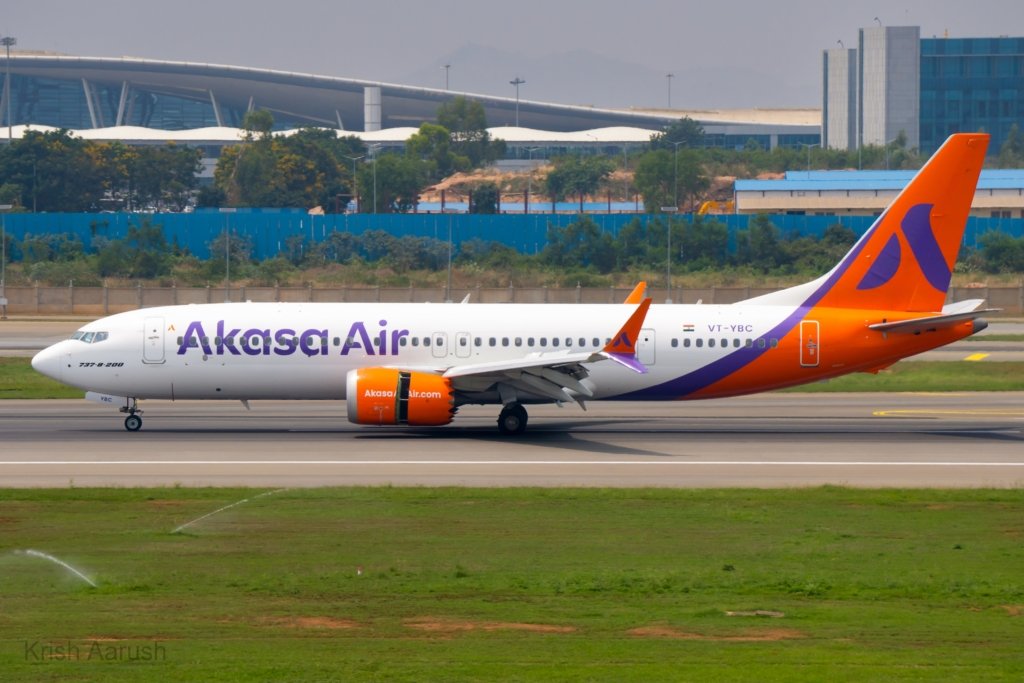
These metrics underscore a strategy centred on disciplined growth rather than rapid expansion. By maximising aircraft utilisation while minimising operational disruptions, Akasa continues to strengthen its competitive positioning as India’s most operationally efficient emerging airline.
Operational Challenges Persist for SpiceJet
The data paints a far less encouraging picture for SpiceJet.
Its domestic market share slipped to 2.5 per cent in May from 3.4 per cent a month earlier as passenger numbers declined sharply. Although passenger load factor rose to 87.4 per cent, indicating that available seats continued to find demand, operational reliability deteriorated significantly.
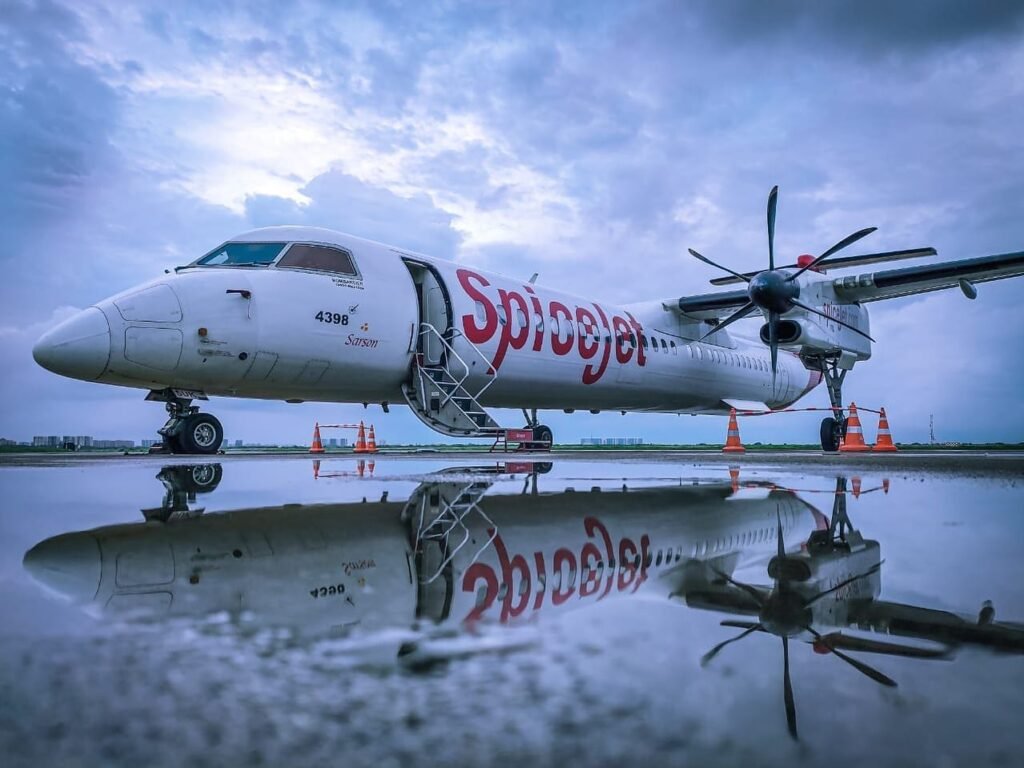
The airline recorded an industry-low on-time performance of just 26.5 per cent, while more than 15 per cent of its flights were delayed by over two hours. Its cancellation rate of 4.04 per cent was also among the highest in the sector.
These indicators suggest that SpiceJet’s challenge is no longer demand generation but operational execution.
Persistent delays and cancellations not only increase operating costs through compensation and passenger facilitation but also risk weakening customer confidence in an intensely competitive market.
Reliability Becoming the New Competitive Currency
Perhaps the most significant takeaway from the May data is the industry’s growing emphasis on operational consistency.
Across all airlines, only 0.55 per cent of scheduled flights were cancelled. However, almost half of those cancellations were attributed to technical reasons, highlighting continuing maintenance and fleet management challenges.
More revealing is the analysis of delays. Nearly 71 per cent of all delays were classified as reactionary—caused by earlier disruptions cascading through airline networks. The data illustrates how increasingly complex fleet rotations and high aircraft utilisation are making operational resilience as important as commercial strategy.
Around 1.56 per cent of all flights were delayed by more than two hours during May, forcing airlines to spend more than ₹590 lakh on passenger compensation, alternate travel arrangements and other facilitation measures. Such costs are becoming a material operational consideration as airlines seek to balance aggressive fleet utilisation with schedule reliability.
Customer Experience Remains Uneven
Photo: Unsplash
Passenger complaints averaged just two per 10,000 passengers industry-wide, with almost all grievances resolved within the month.
Baggage handling, flight disruptions and refund issues together accounted for nearly three-quarters of all complaints, suggesting that operational reliability continues to drive customer satisfaction more than inflight service or pricing.
The sharp contrast between IndiGo’s complaint ratio and those of several competitors indicates that consistency of execution is becoming a critical differentiator as India’s aviation market matures.
Outlook: Competition Shifts from Capacity to Execution
India’s domestic aviation market continues to be underpinned by healthy travel demand, but the nature of competition is evolving.
With most major airlines now focused on expanding fleets and networks, the next phase of competitive differentiation is likely to depend increasingly on punctuality, schedule integrity, customer service and efficient asset utilisation rather than market share alone.
Also Read: Flyadeal Launches Daily Direct Riyadh Flights from Hyderabad International Airport

R Suryamurthy has been an economic analyst and journalist for more than three decades and has worked for The Telegraph, Tribune and Press Trust of India.