










PM Modi Launches Viksit UDAN, Unveils Next Phase of Regional Connectivity Push

- Viksit UDAN has been launched as the next phase of UDAN, with a ₹28,840 crore outlay for FY 2026-27 to FY 2035-36.
- The scheme covers 100 aerodromes, 200 helipads, ₹10,043 crore in VGF and O&M support for around 441 aerodromes.
- UDAN has so far operationalised 669 routes and connected 95 airports, heliports and water aerodromes, carrying over 1.66 crore passengers.
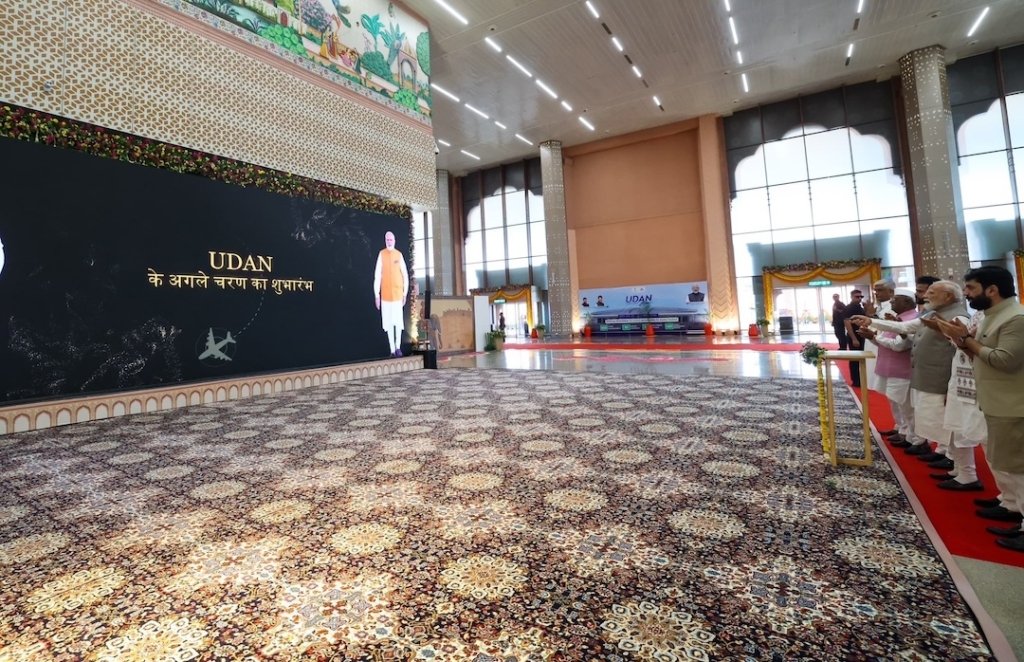
Prime Minister Narendra Modi today launched Viksit UDAN, the next phase of the regional connectivity scheme, setting out a ten-year framework for expanding air links, supporting regional aviation infrastructure and extending affordable flying to smaller cities, remote regions and difficult terrains. The new phase builds on the original UDAN programme, launched in October 2016, which has operationalised 669 routes and connected 95 airports, heliports and water aerodromes, carrying more than 1.66 crore passengers so far.
The Union Cabinet approved the Regional Connectivity Scheme, Modified UDAN, on 25 March 2026 with a total outlay of ₹28,840 crore for the period FY 2026-27 to FY 2035-36. The launch in Jodhpur provides the scheme with a public rollout under the Viksit UDAN framework, linking regional aviation to the government’s wider Viksit Bharat 2047 vision. Unlike earlier rounds that were seen mainly as route-subsidy programmes, the modified scheme places greater emphasis on airport development, maintenance support, helipad infrastructure, aircraft availability and longer market development for thin regional routes.
The infrastructure plan is the most visible part of the new phase. The scheme provides for the development of 100 aerodromes from existing unserved airstrips with an investment of ₹12,159 crore. It also allocates ₹2,577 crore for operations and maintenance support for around 441 aerodromes, with support capped at ₹3.06 crore per year per airport and ₹0.90 crore per year per heliport or water aerodrome for three years. Another ₹3,661 crore has been set aside for 200 modern helipads in hilly, remote, island and aspirational regions, while ₹10,043 crore has been allocated as Viability Gap Funding to support regional airline operations over ten years.
A key change is the longer support period for airline operators. Under Modified UDAN, airlines will receive funding support for five years, with a tapering mechanism from the third year onward, while exclusivity on awarded routes will continue to be limited to three years. This is important because the earlier subsidy period was often not enough to create stable demand on several regional routes. The scheme also promotes indigenous aviation capacity through the procurement of two HAL Dhruv helicopters for Pawan Hans and two HAL Dornier aircraft for Alliance Air, aimed at improving operations in remote and difficult regions.
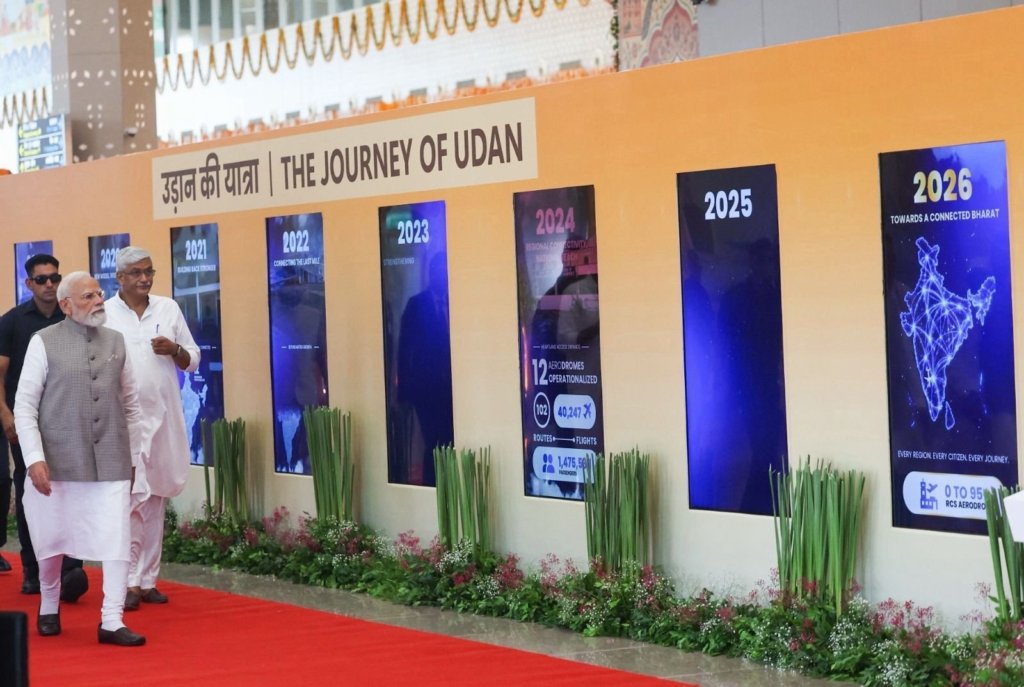
The new phase comes after mixed outcomes under the original UDAN scheme. UDAN succeeded in putting many smaller towns on India’s aviation map, but sustaining flights on several routes remained difficult.
Of the 669 routes made operational under UDAN, only 336 are currently active, with commercial flights discontinued on nearly half of the routes launched so far.
The government has also spent nearly ₹4,700 crore on airline subsidies and another ₹4,800 crore on airport infrastructure under the programme.
That record explains why the modified scheme has been designed as more than a route-launch programme. Regional aviation in India has often faced three linked problems: weak demand on thin routes, airport readiness issues and a shortage of suitable small aircraft. Smaller airlines have also struggled after subsidy support ended, while some remote airstrips identified for development faced delays in becoming fully operational. By adding airport maintenance support, longer VGF backing, helipad development and indigenous aircraft induction, Modified UDAN attempts to address the operating environment around regional routes, not just the routes themselves.
Civil Aviation Minister Ram Mohan Naidu Kinjarapu said the launch of the Modified UDAN Scheme with an outlay of nearly ₹29,000 crore marked the beginning of a new chapter in India’s aviation journey. He described UDAN as a national movement that has made air travel “affordable, accessible and aspirational” for ordinary citizens, and said it had empowered farmers, students, entrepreneurs, artisans and businesses by connecting smaller cities and remote regions to wider economic opportunities. Minister of State for Civil Aviation Murlidhar Mohol said the extension of UDAN for another decade would further democratise aviation by integrating every region into India’s growth story.
From an industry perspective, the significance lies in the shift from a narrow regional route scheme to a broader aviation ecosystem plan. The allocation for airports, helipads, maintenance support and viability funding suggests that the government is trying to solve two issues that have limited regional aviation for years: infrastructure that may not remain fully viable after opening, and routes that cannot survive on market demand alone.
The launch also carries a broader policy signal. By linking Viksit UDAN with Viksit Bharat 2047, the government is positioning regional aviation as part of national development rather than a standalone transport subsidy programme. That matters for Tier-2 and Tier-3 cities, where air connectivity is linked not only to passenger movement but also to tourism, trade, access to medical care, emergency response, and business travel. If the new phase is executed as planned, it could strengthen the economic case for secondary airports and help build more durable regional networks.
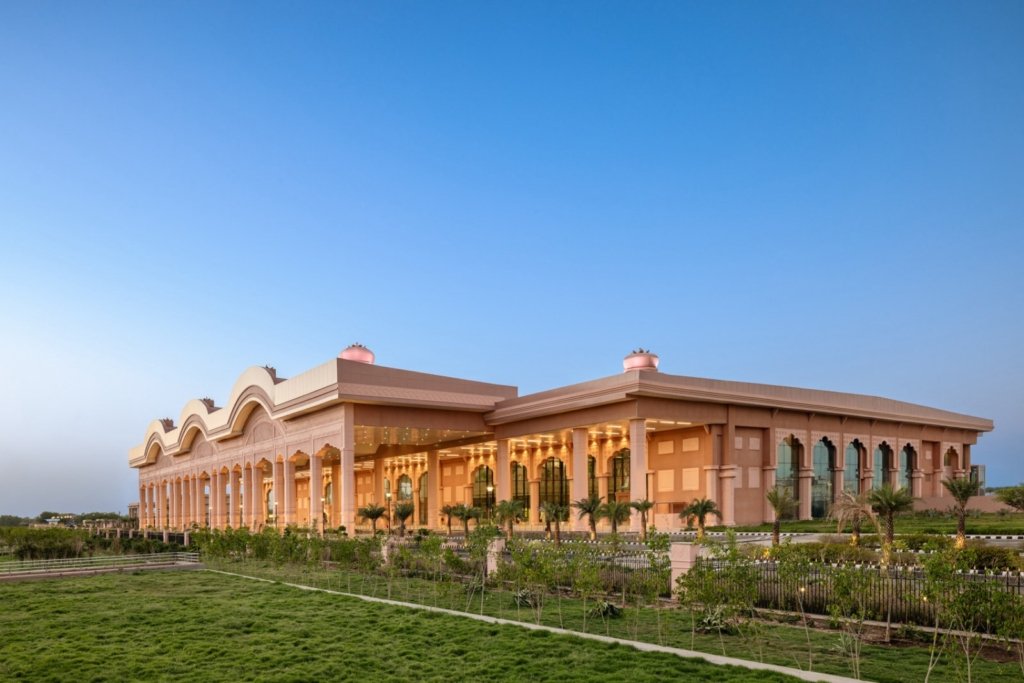
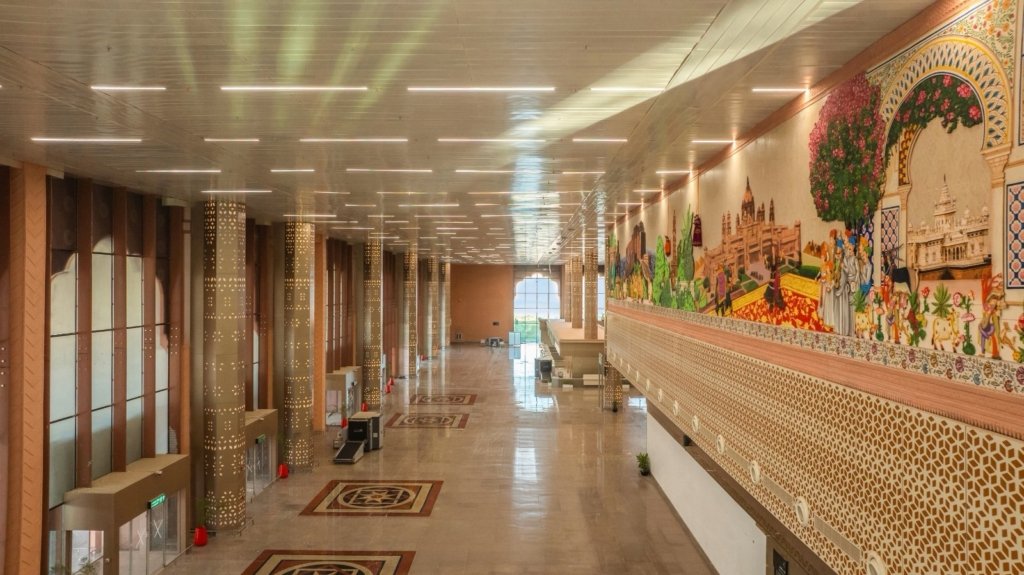
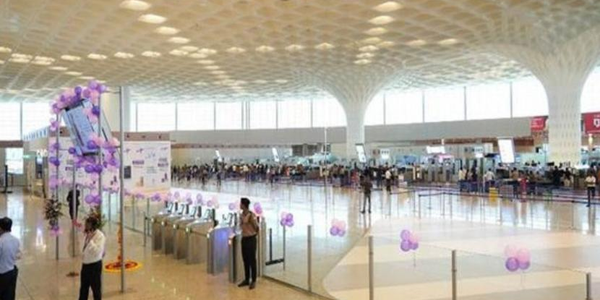
Jodhpur was the launch venue for the new phase, and the Prime Minister also inaugurated the new terminal building at Jodhpur Airport. Built by the Airports Authority of India at a cost of ₹480 crore, the new terminal is spread across 23,342 square metres and has been designed to handle 1,500 passengers during peak hours and 20 lakh passengers annually. It features 20 check-in counters, advanced security screening systems, modern baggage handling facilities and six aerobridges. The newly developed apron can accommodate 11 A321 aircraft and one ATR-72 aircraft, while the city-side infrastructure provides parking for around 320 cars.
The existing terminal at Jodhpur Airport had an annual capacity of about 4 lakh passengers and had reached saturation due to sustained traffic growth. The new facility is expected to support future demand while reflecting Rajasthan’s architectural identity through traditional elements such as arches and jharokhas.
But for India’s aviation sector, the larger story is the rollout of Viksit UDAN itself: a long-horizon push to strengthen regional connectivity, expand airport and helipad infrastructure, support regional airlines for a longer period and make air travel more viable beyond the country’s major metro airports.
Also Read: UDAN at Nine: India’s Regional Connectivity Milestones and Misses

Aviation Jeta is an aviation news platform covering airlines, airports, aircraft, and global aviation developments. We publish accurate, well-researched, and detailed aviation news and industry insights from around the world.