

















- ePlane has completed assembly of its first full-scale e200X eVTOL prototype, moving the programme into ground testing ahead of flight trials and certification.
- The aircraft has been designed as a common platform for passenger air taxi, cargo and emergency medical services, with major systems developed in-house.
- Having reached the prototype stage with about US$21 million in funding, ePlane now plans public unveiling, testing and certification before commercial deployment.
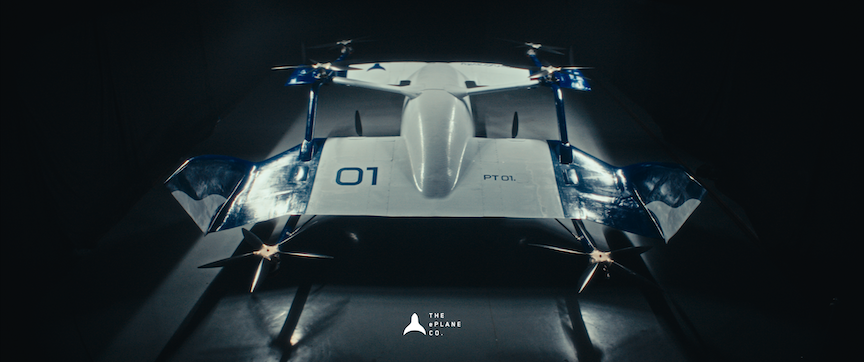
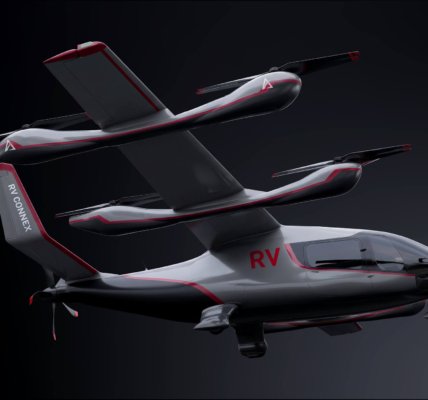
Indian electric aviation startup The ePlane Company has completed the assembly of its first full-scale electric vertical takeoff and landing (eVTOL) aircraft, the e200X, marking a significant milestone in the country’s emerging urban air mobility sector and paving the way for ground and flight testing ahead of commercial operations.
The completed prototype, designated PT-01, integrates the aircraft’s major systems into a single operational airframe and moves the programme from the design and simulation stage into physical testing, a critical phase preceding regulatory certification.
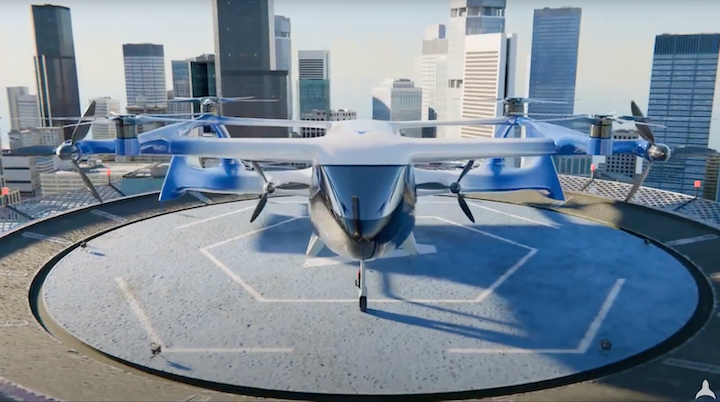
The e200X has been developed as a multi-purpose platform capable of serving three distinct markets—passenger air taxi services, urban cargo transportation and emergency medical evacuation. Company executives said the aircraft’s compact design allows it to operate within existing urban infrastructure, reducing the need for large-scale modifications to cities.
Industry observers view the completion of a full-scale airframe as a major benchmark in aircraft development because it validates manufacturing processes, tooling, supply chains and system integration beyond computer-based simulations.
The aircraft will now undergo an extensive ground testing programme at ePlane’s facilities, where engineers will evaluate structural integrity, aerodynamics and onboard systems under simulated operating conditions. Successful completion of these tests will be followed by flight trials and the pursuit of Type Certification from India’s aviation regulator, the Directorate General of Civil Aviation.
Founded at Indian Institute of Technology Madras, ePlane said the e200X has been designed and assembled largely in-house, with major components including propellers, airframe structures, landing gear and battery systems developed internally rather than sourced as complete assemblies from overseas suppliers.
The company said it has reached the full-scale prototype stage with approximately $21 million in funding, positioning itself as a comparatively capital-efficient player in a sector where many international eVTOL developers have raised substantially larger sums.
“The completion of the e200X demonstrates that India can build world-class electric aircraft with deep engineering and manufacturing capabilities,” said founder Satya Chakravarthy. He said the aircraft was designed to address urban mobility challenges by providing a common platform for passenger transport, cargo logistics and emergency medical services.
Analysts project strong growth for the eVTOL industry globally, with market estimates suggesting expansion from roughly $1.3 billion in 2023 to between $20 billion and $30 billion by 2030, driven by increasing demand for urban air mobility solutions.
The company’s board includes several prominent aviation and technology industry leaders, including Vishesh Rajaram, Eash Sundaram, and Aditya Ghosh.
ePlane argues that its aircraft could help address growing urban congestion and emergency response challenges. According to the World Health Organisation, road traffic accidents claim around 1.19 million lives annually worldwide, while delays in emergency medical care continue to affect survival rates in time-critical situations.
The company plans to publicly unveil the completed e200X in the coming weeks before commencing formal testing. Following certification in India, ePlane intends to seek international regulatory approvals to support exports and global deployment.
Initial commercial operations are expected to focus on early-use applications in passenger transport, cargo logistics and air ambulance services, with expansion tied to certification milestones and market demand.
The programme has already attracted international attention. ePlane was showcased at the Bharat Innovates 2026 event in France and was recently featured during a keynote presentation by Jensen Huang, highlighting growing global interest in India’s deep-technology and aerospace innovation ecosystem.
Also Read: Singapore’s UTM Push Draws Attention to India’s Drone Traffic Framework

R Suryamurthy has been an economic analyst and journalist for more than three decades and has worked for The Telegraph, Tribune and Press Trust of India.