

















Star Air News
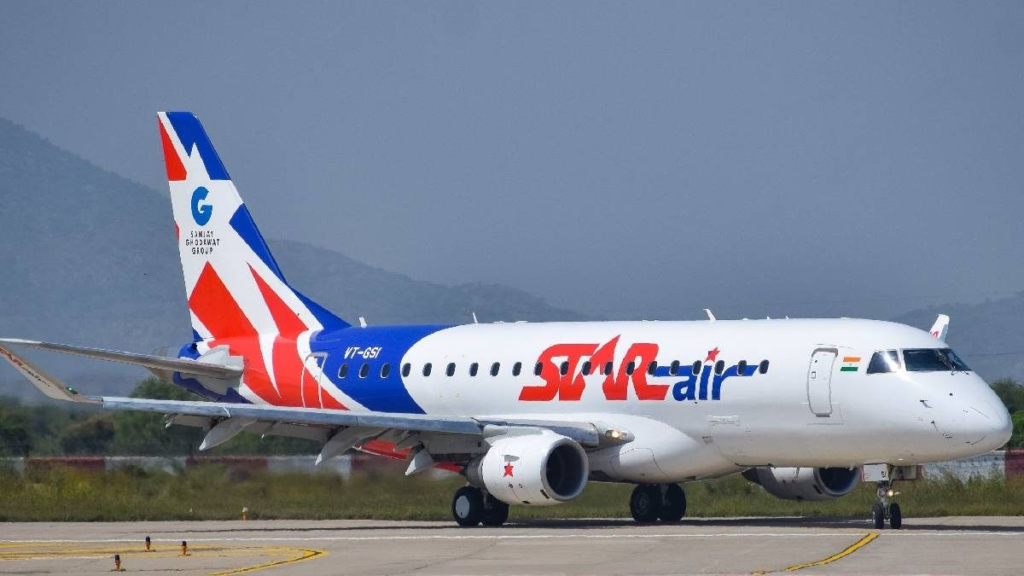
India’s regional aviation sector continues to grow as airline services expand to smaller cities and new airports. One of the latest developments is the resumption of operations by Star Air at Gulbarga, now officially known as Kalaburagi, in Karnataka. The move is expected to improve regional connectivity and provide more travel options for passengers in the region.
Star Air, which operates a fleet of regional aircraft including Embraer jets, has been focusing on connecting underserved cities across India. The airline plays an important role in supporting the government’s regional connectivity goals under various aviation development programs.
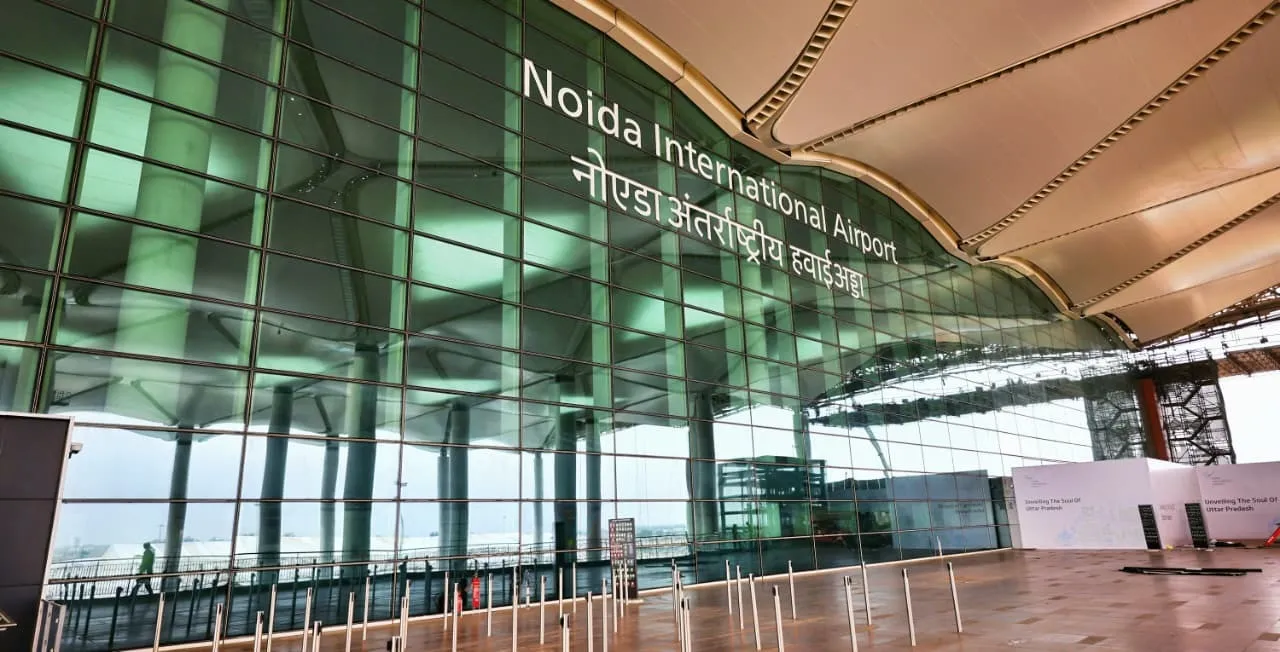
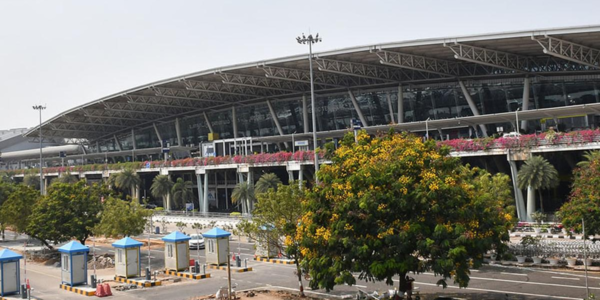
The restart of services at Gulbarga Airport comes at a time when India is witnessing rapid growth in its aviation infrastructure. Several airports across the country are being upgraded, while new airports are opening to support increasing passenger demand. These developments are helping smaller cities gain better access to air travel, which was once limited mainly to major metropolitan areas.
Gulbarga is an important city in northern Karnataka and serves as an educational, commercial, and cultural hub. Improved air connectivity is expected to benefit business travelers, students, tourists, and local residents. Direct flight services can significantly reduce travel time compared to road and rail transport, making regional travel more convenient.
The resumption of operations also reflects the growing importance of regional airlines in India’s aviation ecosystem. While large carriers focus on major routes connecting metropolitan cities, regional airlines like Star Air help bridge connectivity gaps by linking smaller airports to larger aviation networks.
India’s aviation industry has undergone major transformation over the past decade. Government initiatives aimed at expanding airport infrastructure have resulted in the development of numerous regional airports. These projects are intended to make air travel accessible to a larger section of the population while supporting economic growth in smaller cities.
The reopening of routes and the launch of new airport facilities are expected to boost local economies. Better connectivity can attract investments, encourage tourism, and create employment opportunities in surrounding regions. Airports often act as economic catalysts by improving access for businesses and visitors.
Industry experts note that regional connectivity remains a key focus area for India’s aviation future. As passenger traffic continues to rise, airlines are increasingly exploring routes that connect tier-2 and tier-3 cities. This strategy helps reduce congestion at major airports while promoting balanced economic development.
At the same time, the aviation sector continues to face challenges such as pilot shortages, rising operational costs, and infrastructure requirements. However, airlines and airport operators are working closely with government authorities to address these issues and support long-term growth.
The return of Star Air services to Gulbarga is seen as a positive step for regional aviation. Passengers in the region will gain improved travel options, while businesses can benefit from enhanced connectivity to other parts of the country.
With new airports opening and existing facilities expanding, India is steadily moving toward a more connected aviation network. The growth of regional airlines such as Star Air is expected to play an important role in ensuring that air travel reaches more cities and communities across the nation in the coming years.

Ajeet Yadav is an aviation enthusiast covering airline news, airports, aircraft, and industry developments through well-researched and reliable reporting.