









Air India Boeing 787 Fleet Faces DGCA Inspection Over Fuel Control Switches

Air India Boeing 787 News
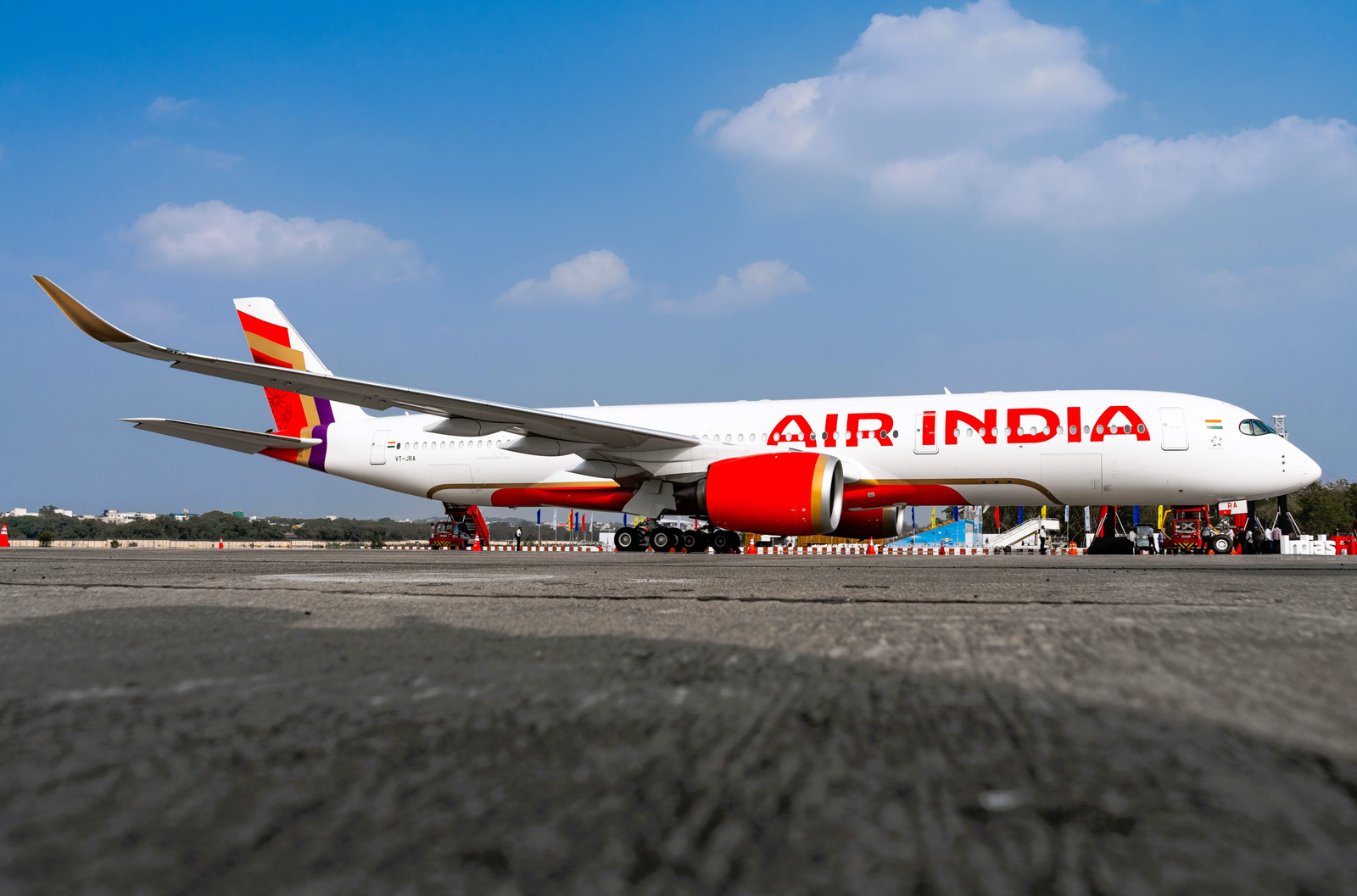
India’s aviation regulator, the Directorate General of Civil Aviation (DGCA), has ordered a detailed inspection of the fuel control switches of an Air India Boeing 787-8 aircraft at the Original Equipment Manufacturer (OEM) facility. The inspection will be carried out in the presence of DGCA officials as part of continued safety monitoring and airworthiness checks.
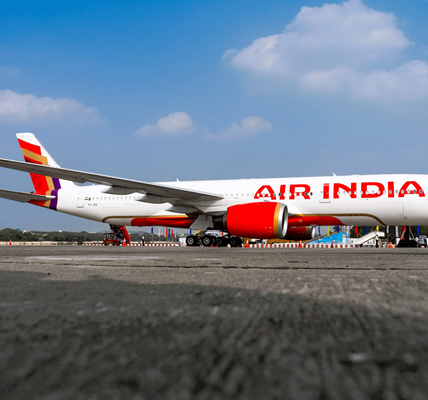
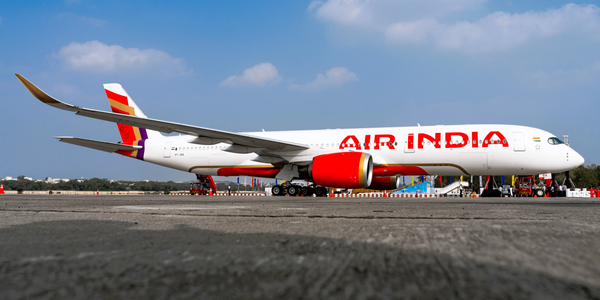
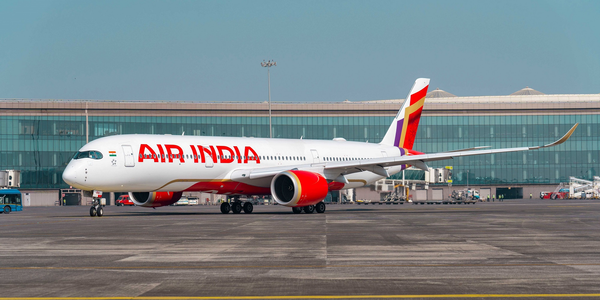
The aircraft involved in the matter is Air India’s Boeing 787-8 Dreamliner with registration number VT-ANX. According to the DGCA, the aircraft was grounded on February 2 this year after operating flight AIC-132 from London Heathrow Airport to Bengaluru. The decision to ground the aircraft came after pilots reported an issue involving one of the fuel control switches in the cockpit.
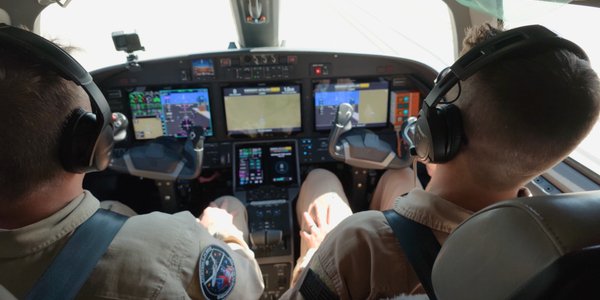
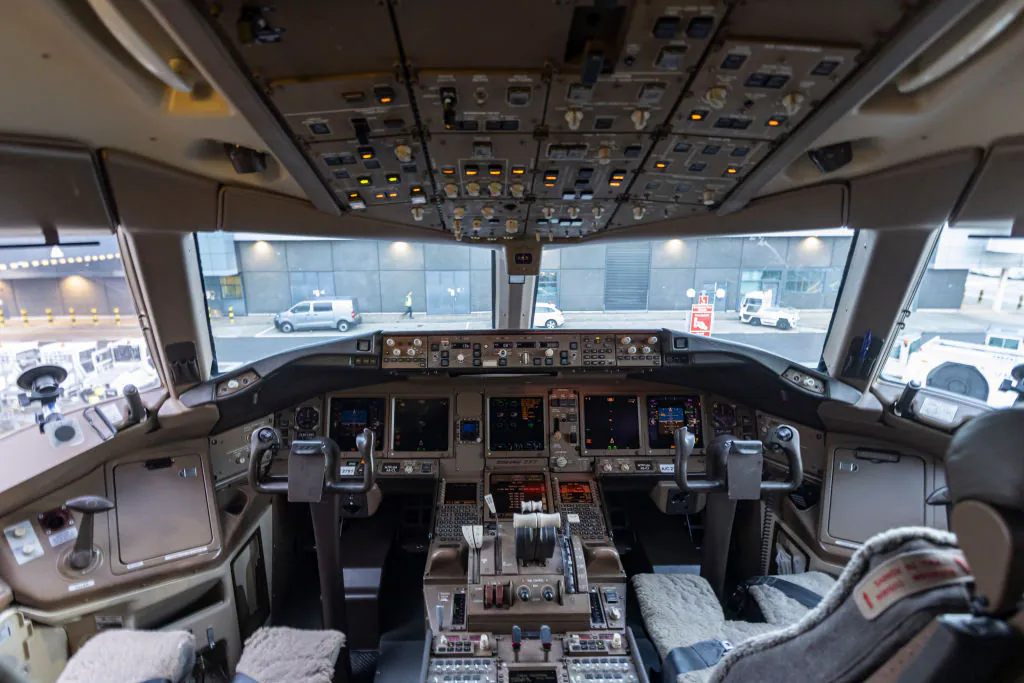
The Pilot Defect Report reportedly mentioned that the left fuel control switch slipped from the “RUN” position to the “CUTOFF” position when pushed slightly. The report also stated that the switch did not lock firmly into the selected position. Since fuel control switches are extremely important for engine operation and aircraft safety, the issue immediately raised concerns among aviation authorities.
Fuel control switches in modern aircraft play a critical role in controlling fuel flow to the engines. These switches are mainly used during engine start-up, shutdown, and emergency situations. Any abnormal movement or failure of these switches could potentially create serious safety risks during flight operations.
Following the report, Air India conducted inspections and functional testing of the switches according to procedures recommended by the aircraft manufacturer. The inspection was also carried out in the presence of DGCA officers to ensure transparency and compliance with aviation safety standards.
After reviewing the inspection results and technical evidence, the Original Equipment Manufacturer concluded that the fuel control switch was mechanically functioning as designed. The manufacturer reportedly declared the switch serviceable after the initial testing process.
However, despite the preliminary findings, the DGCA has decided to continue with a higher-level inspection at the OEM facility. Aviation experts say this step reflects the regulator’s cautious approach toward flight safety, especially when dealing with critical cockpit controls on long-haul aircraft such as the Boeing 787 Dreamliner.
The Boeing 787 is one of the world’s most advanced wide-body aircraft and is widely used by airlines for international routes. Air India operates several Boeing 787 aircraft on long-distance flights connecting India with Europe, North America, and other international destinations. Because of the aircraft’s importance in global operations, even minor technical concerns are treated very seriously.
The DGCA’s decision to send the switches for OEM-level examination also highlights the growing focus on preventive safety measures in the aviation sector. Regulators around the world regularly conduct additional inspections and technical reviews even when components initially appear functional, especially if there are reports of unusual cockpit behaviour or operational anomalies.
Aviation analysts say such inspections help ensure that no hidden manufacturing defects, wear-related issues, or design concerns are overlooked. The examination at the OEM facility may involve advanced mechanical testing, component analysis, and review of locking mechanisms inside the fuel control system.
The DGCA has not indicated whether similar inspections will be extended to other Air India Boeing 787 aircraft, but regulators often review fleet-wide safety measures depending on the findings of ongoing investigations or inspections.
The incident comes at a time when aviation safety and aircraft maintenance standards are receiving increased attention globally. Airlines and regulators are under constant pressure to maintain the highest levels of operational safety as international passenger traffic continues to grow rapidly.
Air India has not reported any passenger safety issue related to the aircraft during the London-Bengaluru flight, and the aircraft was safely grounded after the issue was identified. The airline is expected to fully cooperate with the DGCA and the aircraft manufacturer throughout the inspection process.
The final findings from the OEM-level inspection may help determine whether any additional maintenance procedures, operational guidelines, or technical modifications are required in the future. Aviation authorities will closely monitor the results to ensure continued passenger and crew safety on Boeing 787 operations.

Ajeet Yadav is an aviation enthusiast covering airline news, airports, aircraft, and industry developments through well-researched and reliable reporting.