







Training at scale: rethinking pilot development for India’s aviation growth


India’s fleet expansion plans are clear; the policy and capability framework supporting them is less so. Training capacity, regulatory alignment, instructor depth and simulator availability must expand in parallel if operational standards are to remain consistent at scale. The strain is as much structural as it is numerical—how pilots are trained, assessed and integrated into operations will determine whether expansion remains stable. In this guest column, Simon Azar, Vice President, Commercial Aviation, Asia Pacific at CAE, outlines why training design and simulator capacity must scale alongside aircraft deliveries, not trail them.
India’s aviation sector has entered a decisive decade. Traffic growth, record aircraft orders, and the rapid expansion of domestic and regional connectivity are reshaping the country’s role in global air transport. India is no longer an emerging aviation market—it is a growth engine. Yet sustaining this trajectory will depend on one critical factor: the industry’s ability to train pilots at scale, without compromising safety, quality, or operational readiness.
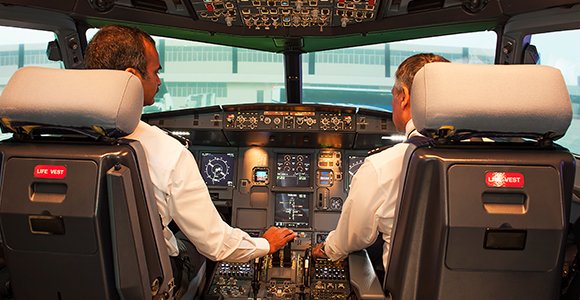
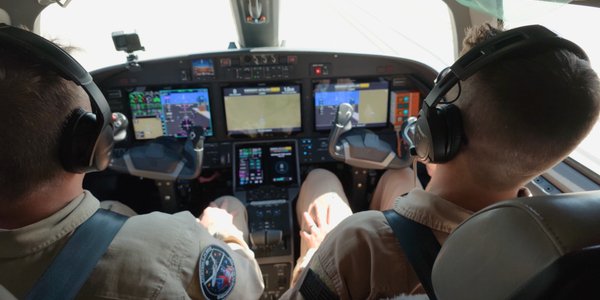
Photo: CSTPL
Already, the demand for skilled pilots in India is outpacing supply. The 2025 CAE Aviation Talent Forecast shows that India will require 22,000 commercial pilots by 2034.
India’s aviation ecosystem now faces the challenge of developing a future-ready training framework that combines capacity, technology, regulatory alignment, and local operational realism. The solutions are beginning to take shape, offering valuable lessons for how training must evolve to support long-term growth.
Scaling training infrastructure for fleet expansion
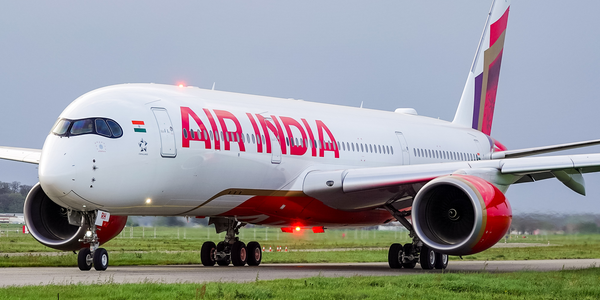
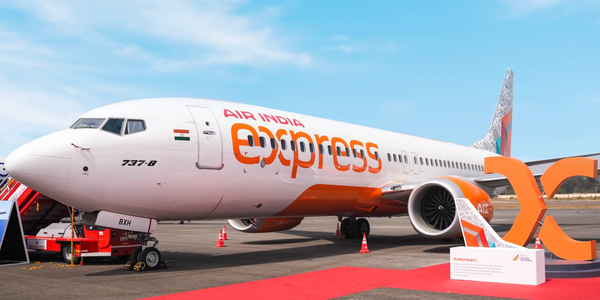
The scale of aircraft induction planned by Indian airlines is unprecedented. Narrowbody fleets continue to grow rapidly, with the Airbus A320-family, Boeing 737 MAX, and turboprops the most widely operated aircraft types by Indian carriers. Meeting pilot demand in this environment requires more than incremental simulator additions; it calls for a coordinated, networked approach to training infrastructure.
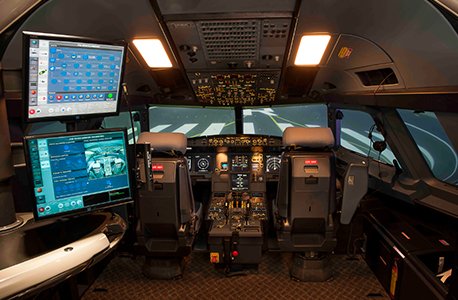
One emerging best practice is the development of multi-site training ecosystems with sufficient simulator density to support high-throughput operations.
Concentrating full-flight simulators across key regions enables airlines to reduce bottlenecks, improve scheduling flexibility, and shorten training cycles.
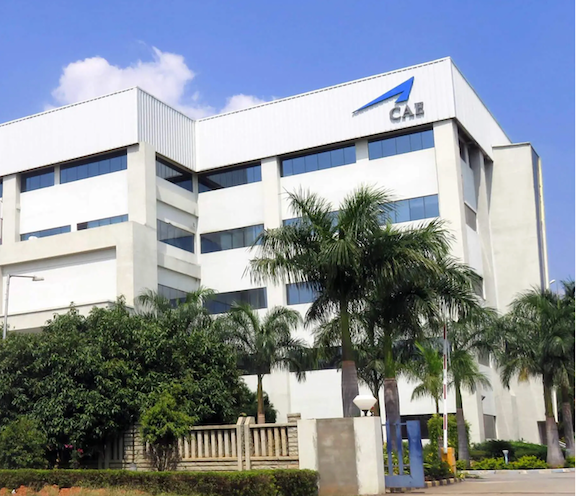
This is a key reason, for example, that CAE recently launched a state-of-the-art six simulator bay training centre in Mumbai to complement our training centres in Greater Noida, Gurugram, and Bengaluru. Equally important is platform alignment: ensuring simulator availability matches fleet composition, rather than relying on generic or cross-qualified solutions.
Closing the pilot supply gap
India’s pilot shortage reflects a global challenge, but its scale is particularly acute. Forecasts indicate the need for tens of thousands of additional commercial pilots over the next decade, driven by growth and retirements. Closing this gap will require rethinking how pilots are trained, qualified, and integrated into airline operations.
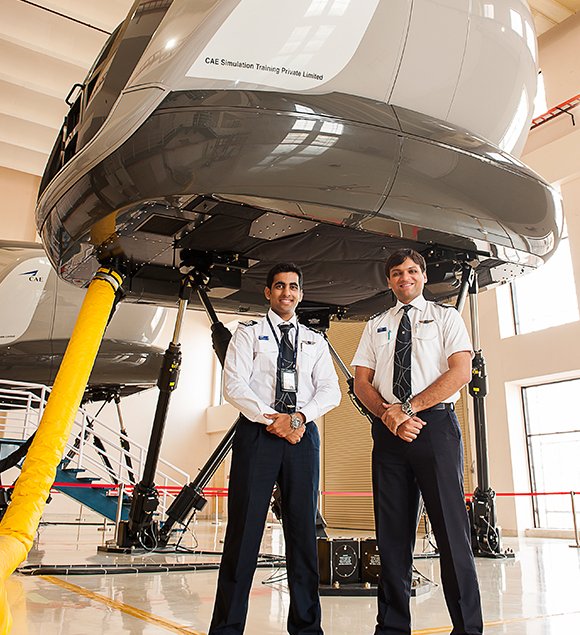
A key trend is close alignment of training programs with airline operating models. Rather than treating pilot training as a standalone activity, airlines and training providers must design programs that reflect specific fleet types, route structures, and operational risks.
In India, CAE has been at the forefront of this shift, working closely with airlines to deliver fleet-specific training supported by a rapidly expanding network of full-flight simulators for aircraft such as the A320, 737 MAX, and ATR.
This alignment accelerates pilot readiness and significantly reduces the gap between licensing and line operations.
Ab initio training academies—when integrated with airline partnerships—offer another pathway to scale. CAE’s academy model combines early airline alignment with global training standards, ensuring cadets are developed with a clear operational context from the outset.
In India, CAE’s partnerships with airlines, Flight Training Organisations, and regulators demonstrate how capacity growth can be matched with consistent oversight, standardised outcomes, and long-term workforce planning.
The Role of Competency-Based Training and Assessment
Competency-Based Training and Assessment (CBTA) is rapidly emerging as a cornerstone of modern pilot development, particularly in complex, high-density operating environments. Traditional hour-based models remain extremely pertinent, but CBTA adds an important layer of learning focusing on developing the competencies required to manage real-world variability: decision-making, threat and error management, workload management, and communication.
CAE has played a leading role in advancing CBTA globally and in India, including becoming the first organisation to introduce Boeing’s CBTA curriculum to the Indian market.
By embedding data-driven assessment criteria and standardised performance benchmarks, CAE is helping Indian airlines improve training consistency while scaling rapidly—reducing subjectivity and strengthening safety outcomes across large pilot populations.
The potential introduction of Multi-Crew Pilot Licence (MPL) programs represents a significant opportunity in this context. Globally, CAE has demonstrated that MPL pathways can produce highly capable, airline-ready first officers efficiently, without compromising safety. We are actively working with airline customers and regulators to define how MPL frameworks can be adapted to local regulatory and operational realities, creating a more resilient and predictable pilot pipeline.
Training for India’s operating reality
India’s operational environment presents unique challenges that must be embedded into training design. Short runways, high temperatures, monsoon weather, mountainous terrain, and congested airspace all increase operational complexity—particularly for less experienced pilots.

Effective training frameworks, like those in our training centres, increasingly integrate these conditions directly into simulator scenarios.
Rather than treating them as edge cases, they are trained as routine operational competencies.
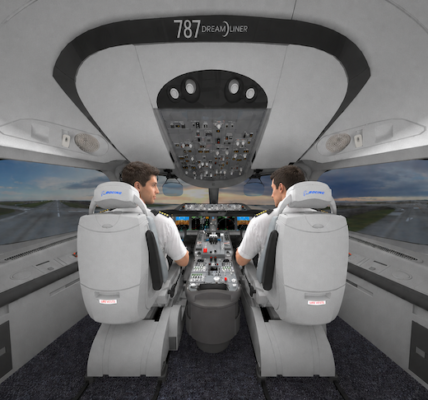
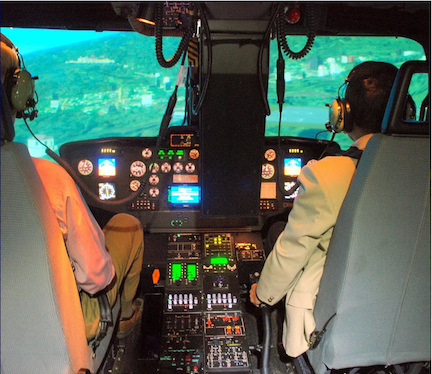
Our high-fidelity simulators allow pilots to practice short-field performance, hot-and-high calculations, monsoon approaches, terrain-specific procedures, and high-density airport operations in a controlled environment.
Data analytics further enhance this approach. Through platforms such as CAE Rise™, training and operational data are analysed to identify recurring risk areas and performance trends. This enables instructors to target training where it delivers the greatest safety benefit—an essential capability in India’s fast-growing, multi-base airline environment.
Digital transformation and data-driven training
Digitalisation is reshaping aviation training worldwide, and India has an opportunity to leapfrog legacy models. Data analytics platforms are enabling more objective performance measurement, real-time feedback, and targeted remediation. When integrated with CBTA, these tools support a more standardised and transparent training process.
Immersive technologies such as virtual and mixed reality are also gaining traction, and we are expanding them at CAE. These tools allow pilots to rehearse procedures, build muscle memory, and practice abnormal scenarios outside the simulator, reducing cost and increasing training flexibility. As these technologies mature, they are likely to become a core component of scalable training systems in high-growth markets.
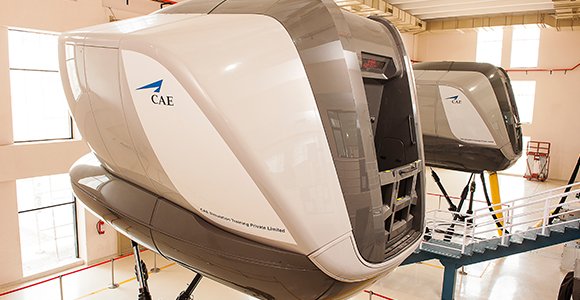
Photo: CSTPL
Artificial intelligence is increasingly embedded across our training lifecycle, from curriculum design to performance analysis and debriefing.
The result is a more adaptive training environment that responds to individual and fleet-wide performance trends, rather than relying on fixed syllabi.
Preparing for the next generation of aircraft
Looking ahead, new aircraft categories such as eVTOLs and urban air mobility platforms will further reshape training requirements. These aircraft introduce novel operational concepts, automation levels, and certification frameworks that cannot be addressed through traditional training models.
CAE is already developing training solutions in partnership with leading OEMs in parallel with aircraft design, using high-fidelity simulation and mixed-reality technologies to support safe entry into service. Lessons learned from current pilot training modernisation efforts in India can provide a foundation for this next phase of aviation growth.
Training as a strategic imperative
India’s aviation growth story will ultimately be defined by its people as much as its aircraft. Training is no longer a downstream activity—it is a strategic capability that determines how safely and sustainably the industry can scale.
By investing in aligned infrastructure, embracing competency-based and data-driven methodologies, tailoring training to local operating realities, and fostering collaboration across airlines, regulators, OEMs, and training organisations such as CAE, India has the opportunity to reach a new global benchmark for aviation training at scale.
The challenge now is not whether India can grow, but whether it can train fast enough, and smart enough, to support that growth for decades to come.
Also Read: India’s Aviation Sector: Navigating the Talent Shortfall in a Booming Market