

















- Aviation has the technology to deliver seamless travel—biometric identity, automated border processing, real-time baggage tracking—but deployment remains uneven because airlines, airports, and governments have yet to move in the same direction at the same time.
- Data sharing, trust, and regulatory alignment are the real barriers; passengers are already willing, the tools are proven, and working examples exist—what is missing is the governance framework that makes all of it consistent across the entire value chain.
- The airport of the future—where processing moves off-site, and the terminal becomes a destination in itself—is within sight, but getting there requires passenger experience and operational reliability to advance together, not independently.
Global aviation is on a growth trajectory that infrastructure alone cannot sustain. Passenger volumes are expected to nearly double by 2040, and the industry has long accepted that new terminals and additional runways alone will not be enough to absorb that demand.
Technology, including biometric identity, automated processing, and real-time data, is central to how that growth will be managed. The solutions are ready, tested, and in several cases already operational. What keeps seamless travel from becoming the norm is not a missing invention. It is a missing alignment.

That argument ran through a session convened in London by the Financial Times in partnership with SITA, covering border processing, digital identity, baggage, cargo operations, and the future of the airport itself.
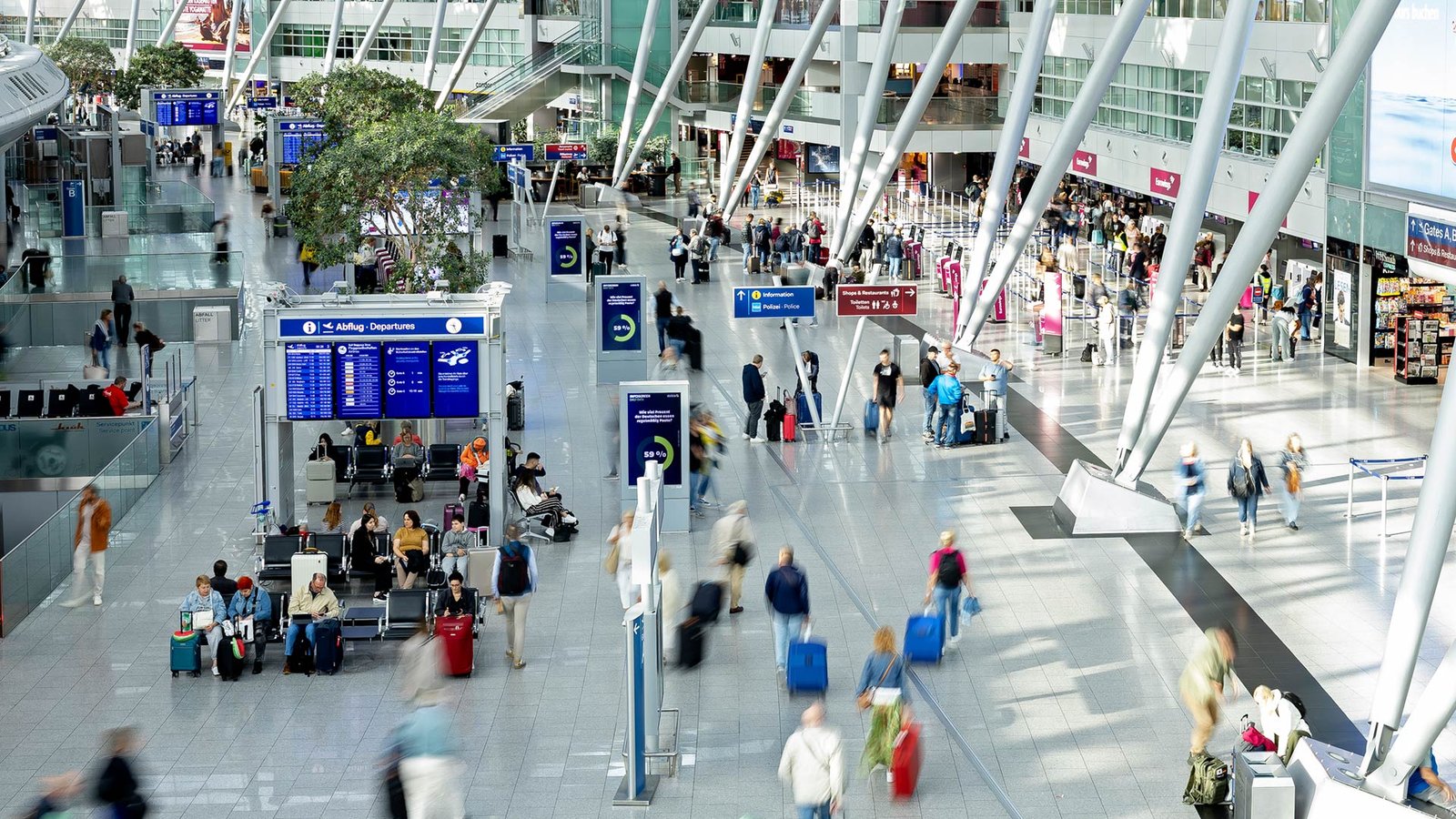
The panel brought together David Lavorel, CEO of SITA; Kim Macaulay, Senior Vice President of Information and Data at IATA; Hari Marar, Managing Director and CEO of Bangalore International Airport; and Lars Redeligx, CEO of Düsseldorf Airport. The picture they drew was consistent. The industry knows what needs to happen. Getting every part of it to move together remains the harder task.
The Border Bottleneck
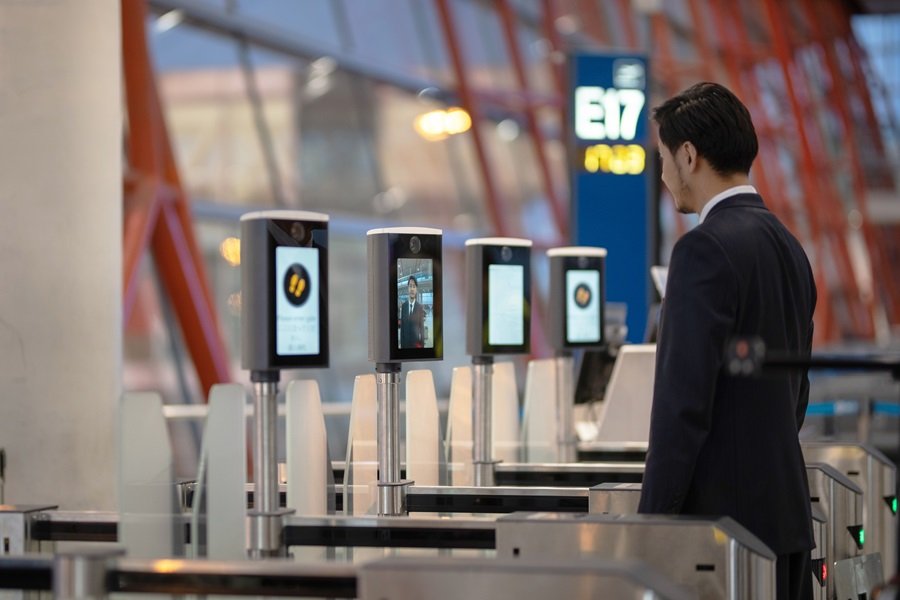
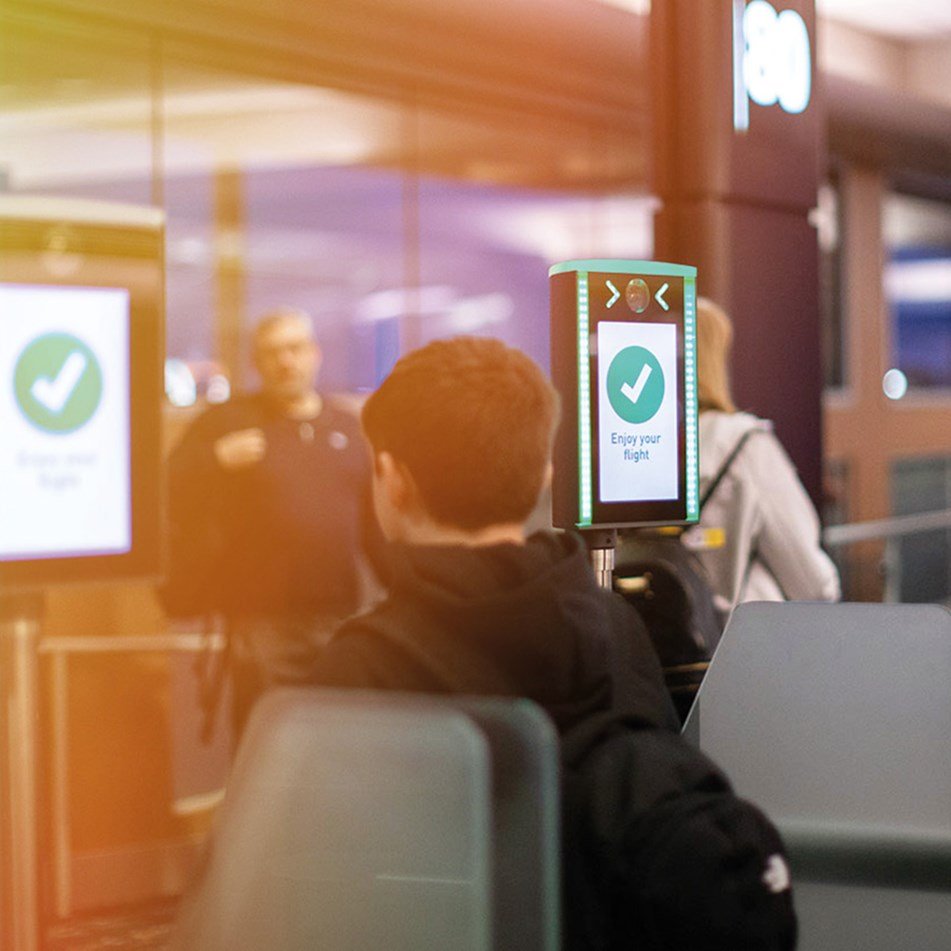
Border processing is where the gap between possibility and reality shows most plainly. A standard manual border check—at departure or arrival—takes up to two minutes per passenger at a well-staffed counter, and considerably longer when it is not. Pre-travel data sharing combined with automated verification can bring that down to around 25 seconds—an 80 per cent reduction—with technology that is already deployed in various forms around the world.
But making it work at scale requires airlines to share passenger data with governments in advance, airports to have infrastructure for automated gates, and governments to extend legal recognition to digital credentials across borders. No single player can move without the others. “The hardest part is not the technology,” said Lavorel. “It’s bringing all of the players together—the airlines sharing data with countries upfront, the airports giving space for the technology, and the overall collaboration of the industry to adopt it and release the benefits.”
SITA’s annual survey shows that 79 per cent of travellers are willing to share their digital identity before travel to speed up their journey. The resistance is not on the demand side. The gap lies within the institutions that need to coordinate—governments, regulators, and the national frameworks each country brings to any conversation about shared standards.
Building the Trust Framework
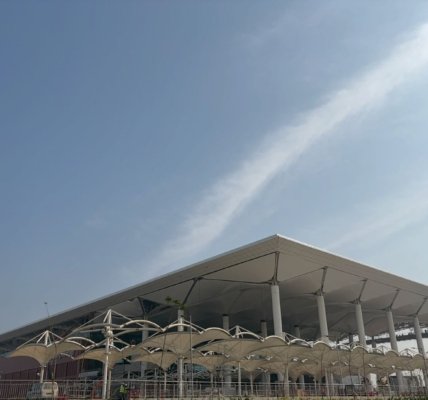
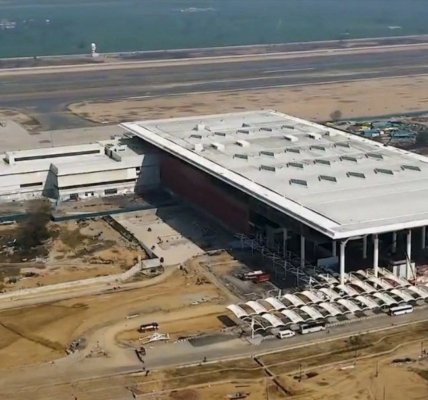
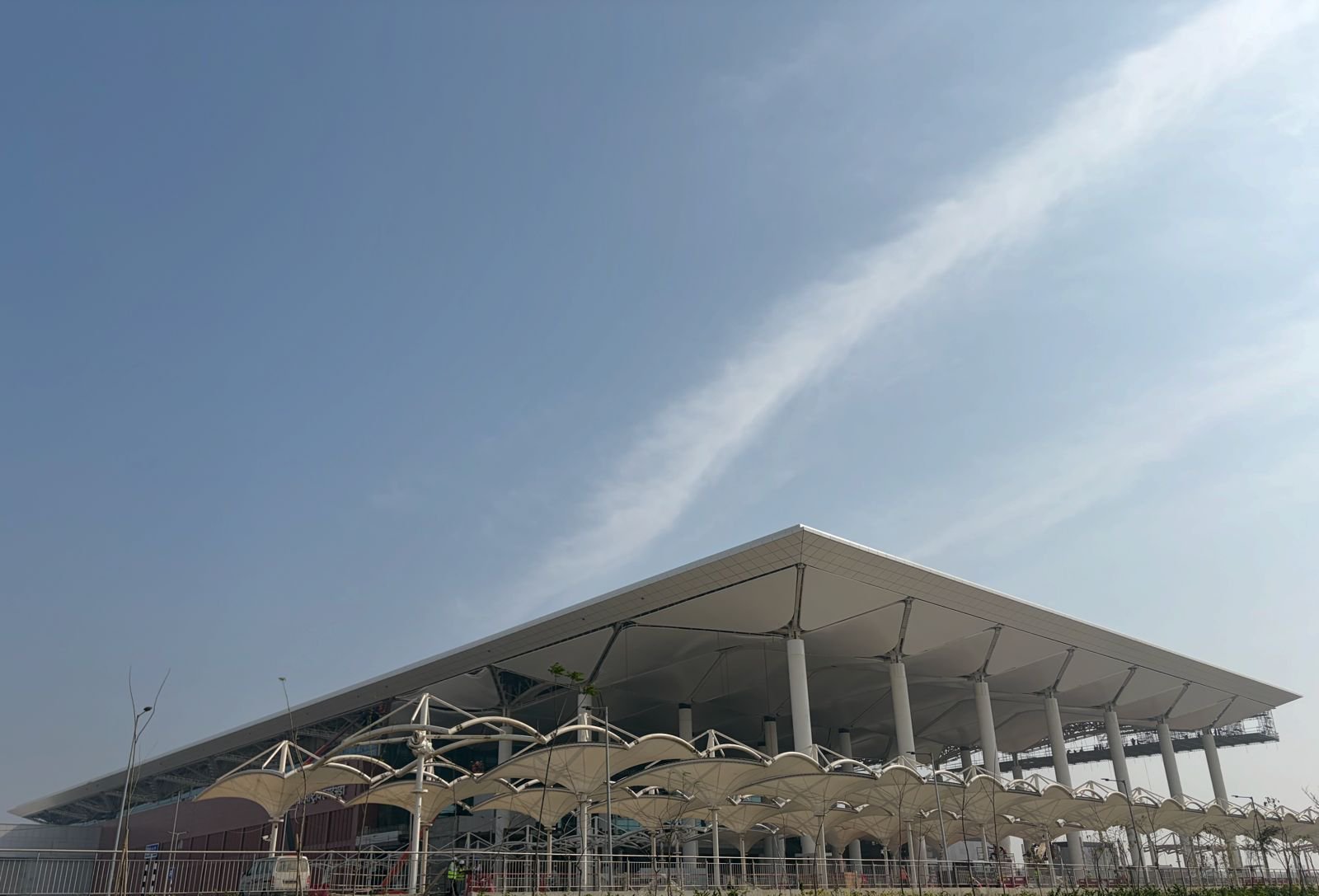
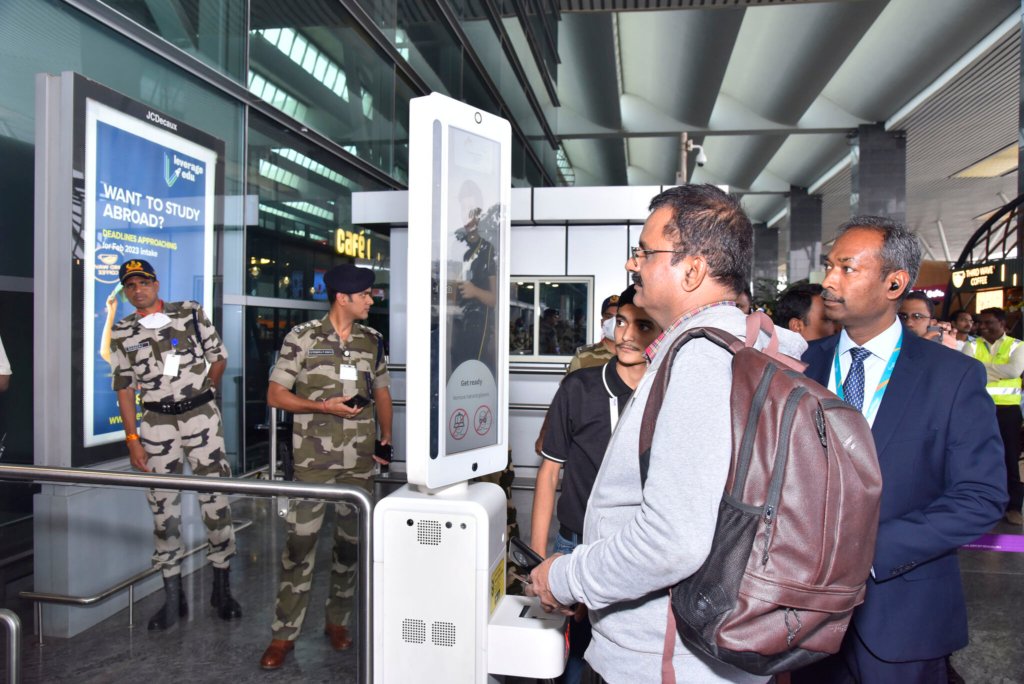
Moving governments from cautious observers to active participants has been the most time-consuming part of the process. At Bangalore, years of trials preceded the Indian government’s commitment to a national biometric travel framework now running across 14 airports, with half of all domestic passengers clearing every checkpoint on facial recognition alone.
The international extension of this — a proof-of-concept developed jointly by SITA, IATA, Bangalore, and Hamad International Airport in Doha, where digital credentials issued in each city are recognised at the other—is about to go live with actual passengers. “If that works,” said Marar, “I guess that’s the beginning of developing a global open standard for digital identity interoperability.”
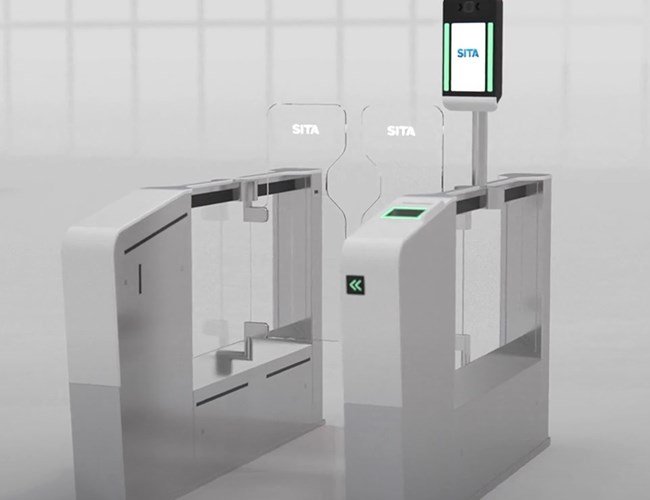
Making that standard viable means building what Lavorel described as a cross-certification layer—comparable to what SWIFT does for banking, where entirely different national systems communicate without requiring everyone to use the common framework.
Some governments will insist on their own standards regardless of international agreements, and any workable global architecture has to accommodate that reality. Within this, data governance is the binding condition.
Airline-to-airline data sharing is already well established, driven by commercial necessity. The airport-to-airline relationship is far less developed, and the involvement of border agencies in a shared trusted data framework is at an early stage.
“We need to embed a sense of data governance and data trust,” said Macaulay. “Making sure that when we’re sharing data, it’s being used for the reasons it has been shared—and then we can do it.”
Where the Journey Still Breaks
Beyond the border, the passenger journey has several points where the gap between what is possible and what is delivered remains persistently wide. According to SITA’s annual passenger survey, queuing remains the single biggest source of dissatisfaction—and it runs through the entire journey, not just the border.
Advanced security scanners capable of processing passengers without the removal of shoes, laptops, or liquids are available at many airports, yet their rollout has been uneven—a gap Macaulay described from her own travel experience as one that makes little sense to the passenger standing in the queue.
Baggage is where frustration tends to crystallise most sharply. The bag loss rate at roughly six bags per thousand, which is statistically low—but as Lavorel observed, “It’s a disproportionate set of emotions. We can all order a pizza and track it by the minute, by the metre. And then the bag—we do a bad job as an industry of reconciling all of that.”
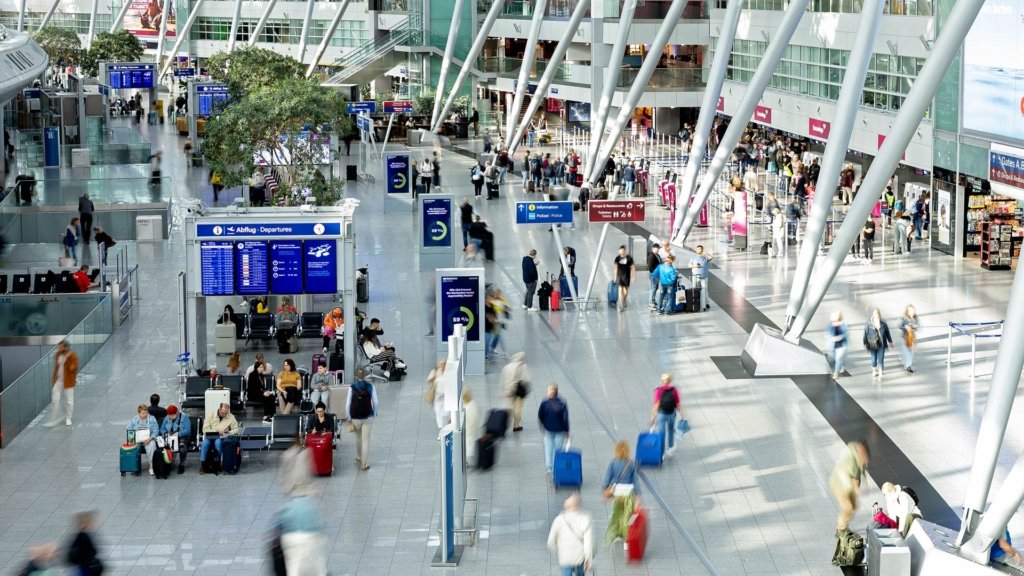
SITA has developed bag-tag tracking functionality with Apple and Google, and airports are working with ground handlers on real-time loading data, but until this is consistent across every operator in the chain, the gap between what passengers now expect and what the industry delivers will keep widening.
Disruption management carries the same structural weakness. Redeligx was direct: “We are always many times reacting to disruptions instead of anticipating them. It’s the cooperation between all players in the value chain—and we are not ahead of the game.”
Airlines have invested in recognising and managing frequent customers through disruptions; airports have not matched that capability, and the real-time coordination between airlines, airports, and air traffic control when events cascade still falls short of what the available technology would allow.
The regulatory constraint
Redeligx raised the point that the industry tends to avoid in public forums. Seamless travel has been an industry aspiration for years, yet if you ask a traveller today, their honest perception might be that the journey has become less seamless, not more. Technology in daily life has moved fast enough to reset expectations entirely.
The regulatory and standardisation frameworks governing aviation have not kept pace. In Germany specifically, there have been cases where airports and airlines committed investment to technology deployments and were forced to reverse course because the regulatory environment for live operation simply was not ready.
Every investment, Redeligx noted, now has to be tested against a regulatory future still being written—for his airport, against the backdrop of a €1 billion investment programme. “It’s quite a challenging puzzle,” he said. “Every investment we make needs to be future-proof, set up for the technology of tomorrow.”
The Airport Reimagined
Picture an airport where a passenger’s credentials are verified before they even leave home, their bag is collected from the doorstep, and their journey through the terminal is uninterrupted by any checkpoint.
The division between domestic and international zones, which today exists purely as a processing necessity, becomes redundant.
The terminal becomes what Lavorel described as “A much more open space—where we can flow more capacity and segment the experience far better.” A business traveller moves through in minutes. A family on holiday arrives early because the airport is worth arriving early for—not because the process demands it.
Airlines are already preparing for this shift. Under IATA’s modern airline retailing initiative, carriers are looking to extend their service well beyond the aircraft—into logistics, airport dining, and local experiences.
“Whether it’s an Uber pickup, a baggage pickup, or going to a restaurant,” said Macaulay, “Airlines want to provide those offers to their passengers. Happier passengers on flights make obviously happier airlines as well.”
The passenger experience vision, however, is only as strong as the operation that supports it.
As Lavorel put it: “If we deliver a fantastic passenger experience up to the boarding gates, and then the plane does not depart, that experience counts for very little. We need to stand on our two feet—passenger experience and reliability.” Both rest on the same foundation: data shared across the value chain, standards that hold across borders, and a regulatory environment that moves with the technology rather than behind it.
That is what seamless travel actually requires—and the distance between where the industry stands today and where it needs to be is, above all, a measure of the coordination work that remains.
Also Read: A Century of Grit and Innovation: The 100-Year Legacy of Pratt & Whitney