












- Noida International Airport at Jewar opens, adding new capacity for passenger traffic and marking the completion of a long-delayed airport project.
- The airport integrates passenger operations with cargo, MRO, and multimodal connectivity, positioning it as a logistics and economic node for western Uttar Pradesh and surrounding regions.
- Airline commitments, technology-driven passenger processing, and integrated infrastructure highlight its role in improving regional access and supporting aviation and trade activity.
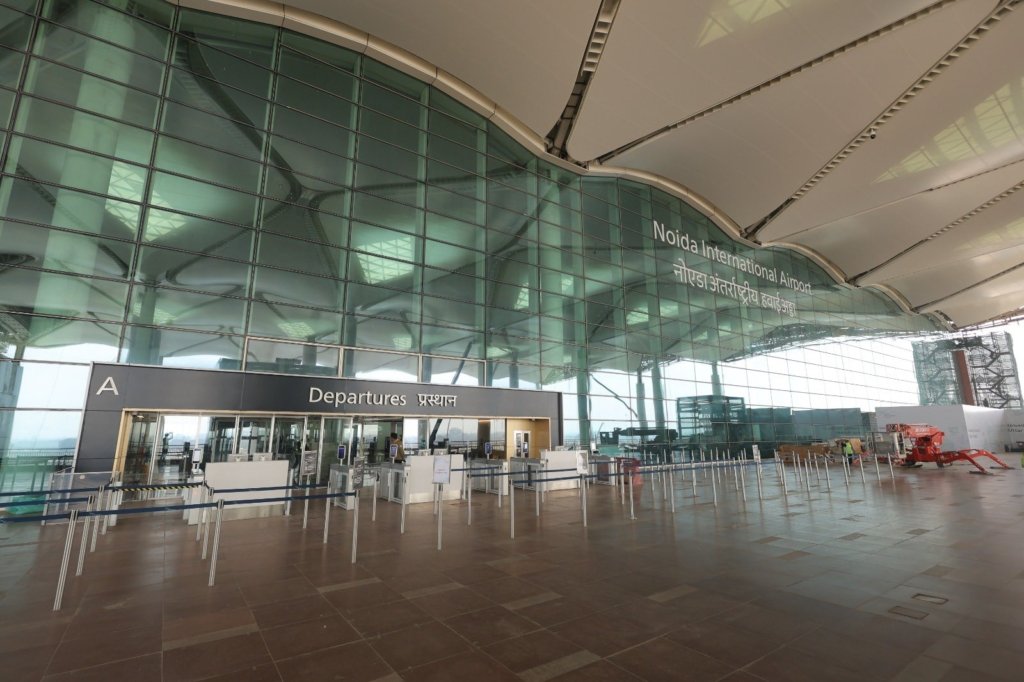
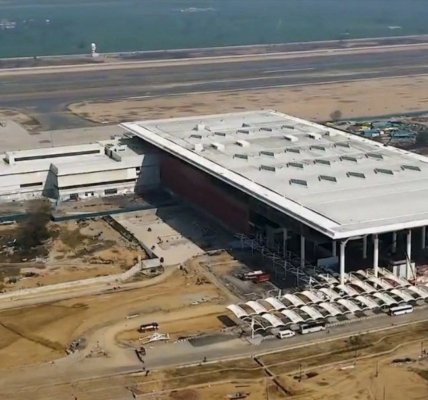
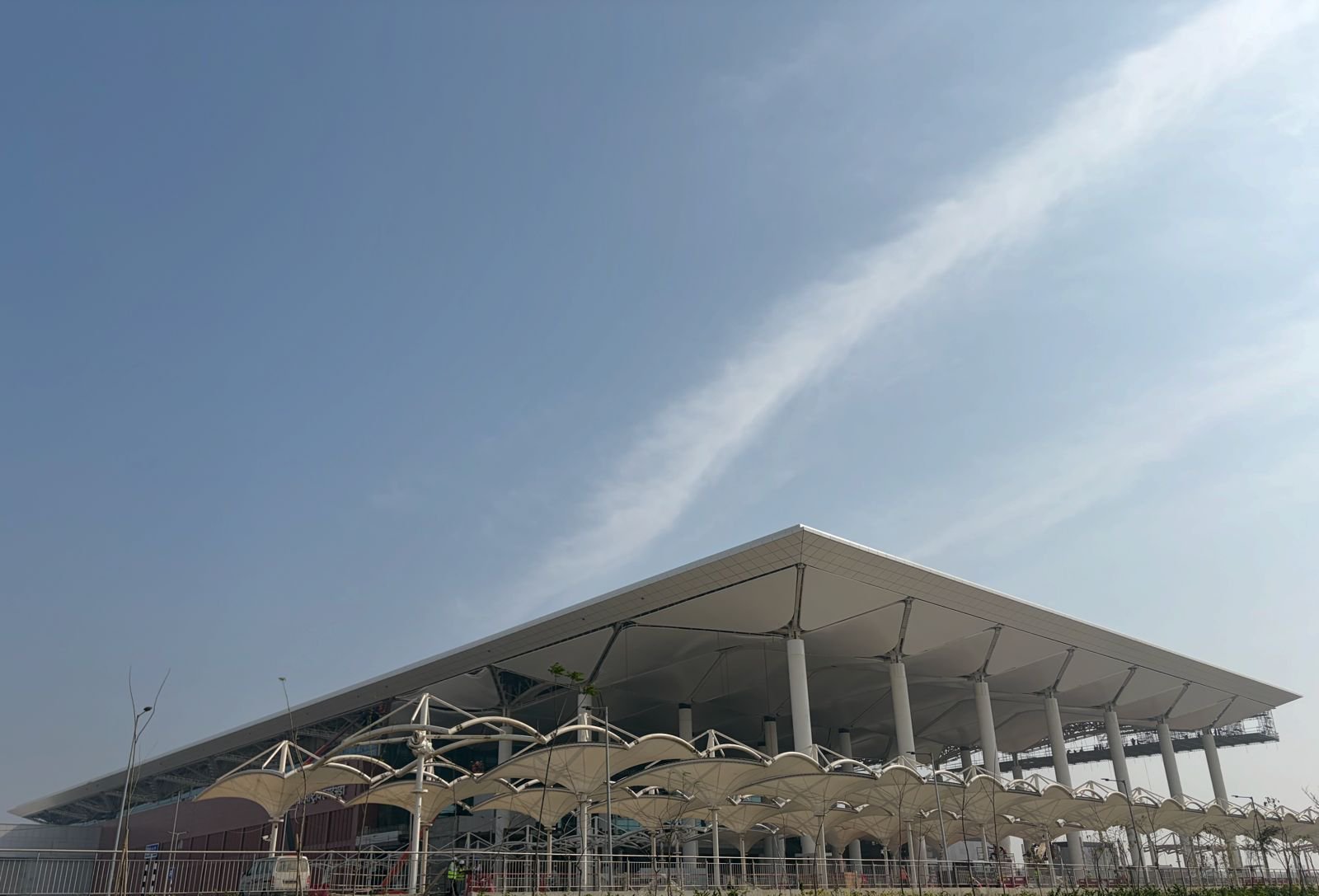
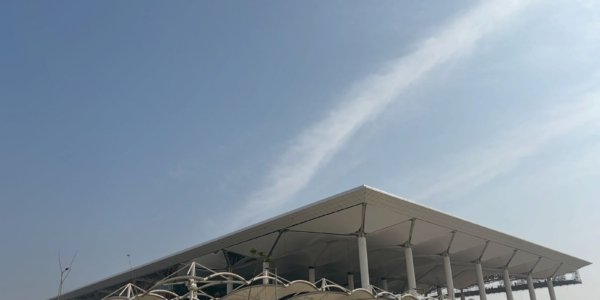
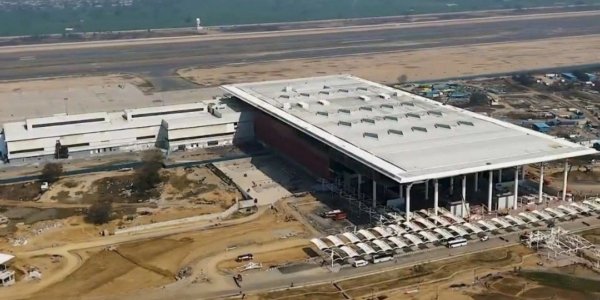
Standing against the backdrop of freshly laid tarmac at the sweeping new terminal at Jewar, the newly constructed airport, the Prime Minister, Narendra Modi, sought to put the occasion into perspective.
“This is a new chapter for Viksit Uttar Pradesh, Viksit Bharat,” he said, inaugurating the first phase of the Noida International Airport. “This Jewar Airport is connecting all of North India with the world…From here, planes will take off every two minutes.”
With this, the long-pending airport formally joined the list of India’s aviation infrastructure.
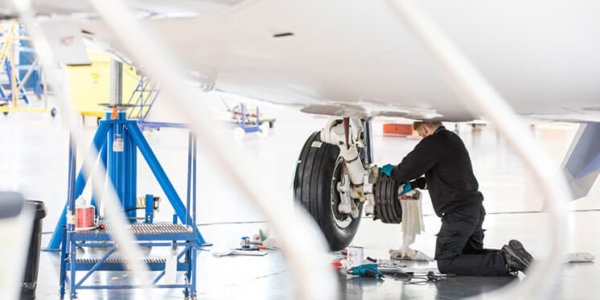
The PM also laid the foundation stone for the 40-acre Maintenance, Repair, and Overhaul (MRO) facility, indicating the airport was not just about air travel but the epicentre of the larger aviation infrastructure yet to come.
The PM sought to highlight the transformative potential of the airport for the region, including districts such as Agra, Mathura, Aligarh, Ghaziabad, Etawah, Faridabad, among others, and the opportunities it will create for the region’s farmers, MSMEs, and the youth.
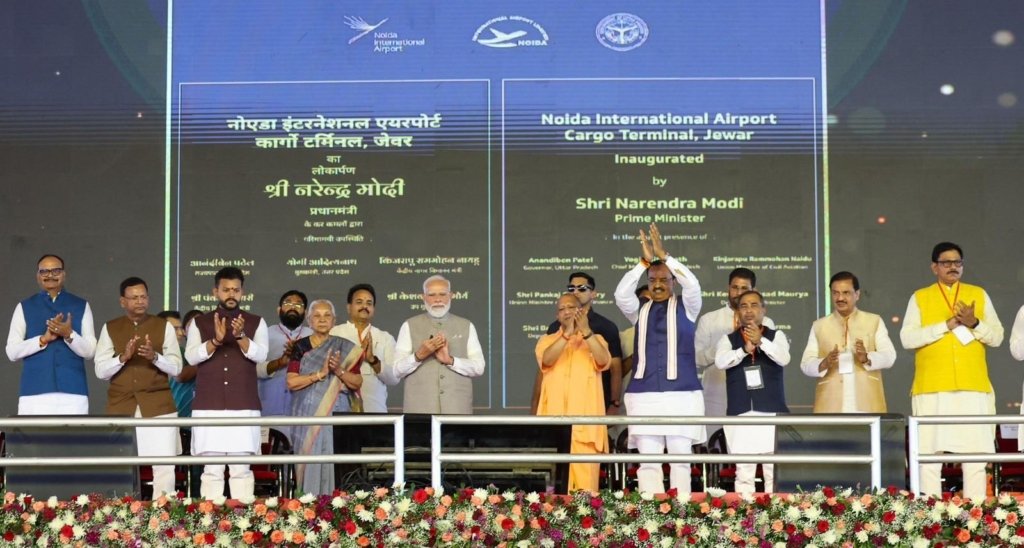
Narendra Modi also took a political dig at the previous regimes for the airport’s long-pending status, stating, “This airport was supposed to be constructed, but it was buried in files. But the double-engine government’s momentum has ensured its completion.”
The importance of the Jewar airport, however, does not lie in the political statement it makes but in the fact that it marks the culmination of the long-pending airport, which was conceived two decades back.
To really grasp the magnitude of this moment, we have to go back to 2001 when the concept of a second airport for Delhi was first proposed by then Chief Minister of Uttar Pradesh Rajnath Singh. Titled the “Taj International Aviation Hub”, the project was intended to relieve Delhi’s burgeoning aviation demand.
What ensued was a long and often uncertain journey. The idea was able to survive changing governments, was on the verge of being shifted to Agra, and ran into all kinds of regulatory issues, most importantly, the “Right of First Refusal” clause owned by the operator of Delhi’s airport.
Things started moving again only around the mid-2010s. The green light was given in 2015, and in 2019, the concession to develop and operate the project was awarded to Zurich Airport International AG. Even then, problems continued, with the pandemic causing further delays and making land acquisition in the Jewar region very difficult. The airport opened today with a primary investment of ₹11,200 crore and a vision for growth laid out for many years to come.
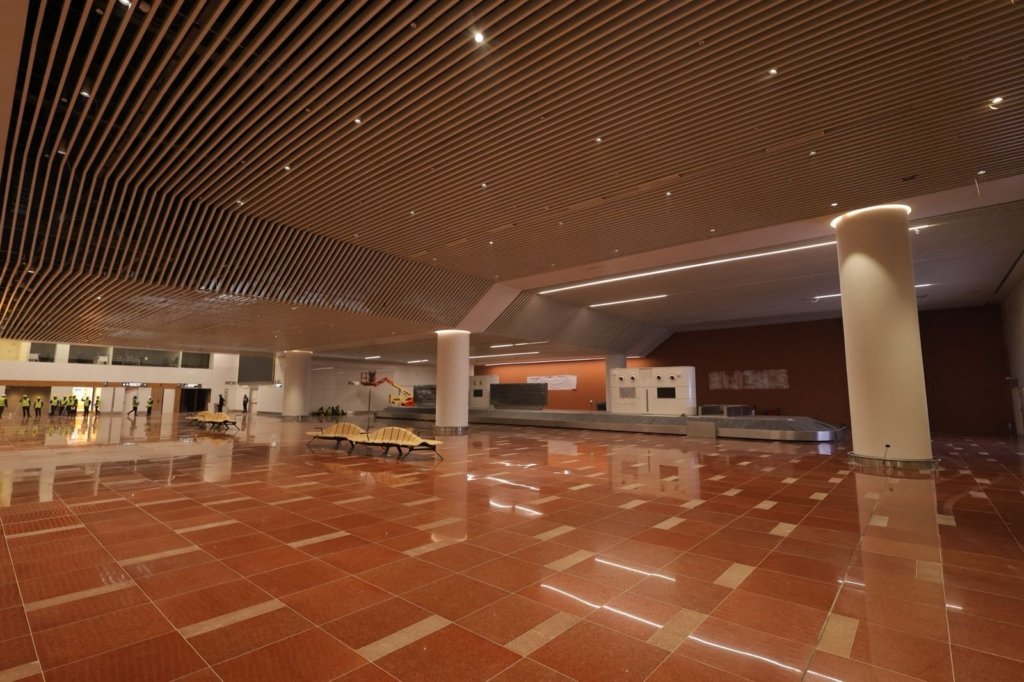
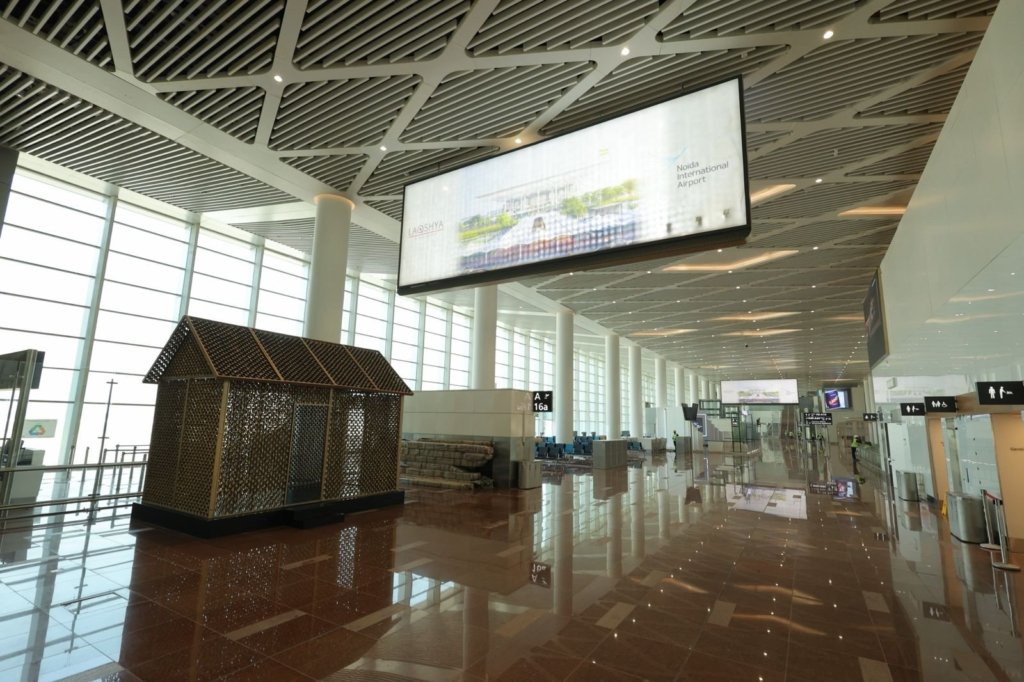
Initially, Noida International Airport will have a single runway and can cater to 12 million passengers a year. However, its plans are on a much larger scale.
The long-term vision includes up to six runways and a capacity of 70 to 120 million passengers by 2050, placing it among Asia’s largest aviation hubs. At least in theory, the airport is designed as India’s first net-zero carbon emissions facility, with energy-efficient design and renewable energy integration forming its core structure.
Strategically, Jewar sits at the heart of the national Capital Region’s emerging “dual-airport system”. Delhi’s Indira Gandhi International Airport, already handling over 70 million passengers annually, is approaching capacity. Jewar is not meant to compete; it is meant to absorb growth, spread traffic load, and relieve congestion in Delhi’s airspace.
From opening day, it will operate as a multi-airline hub. Early service will start with IndiGo, Akasa Air, and Air India Express, each with a clear role.
IndiGo will expand domestic routes across major metros and into Tier-2 and Tier-3 cities.
Air India Express will serve low-cost international flights, particularly to Gulf destinations, capturing both migrant and business demand.
However, it is Akasa Air that is grabbing attention. The airline plans its first base outside Mumbai at Jewar, with a full MRO facility. That turns the airport from a stopover into a real operational centre. For Akasa, it means freedom from crowded metro hubs. And for Jewar, it shows industry trust in future growth.
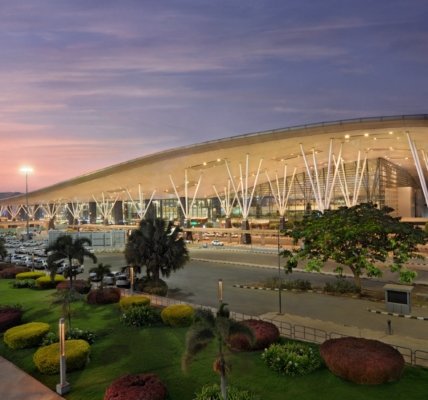
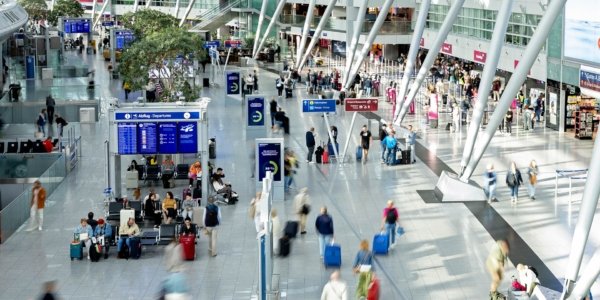
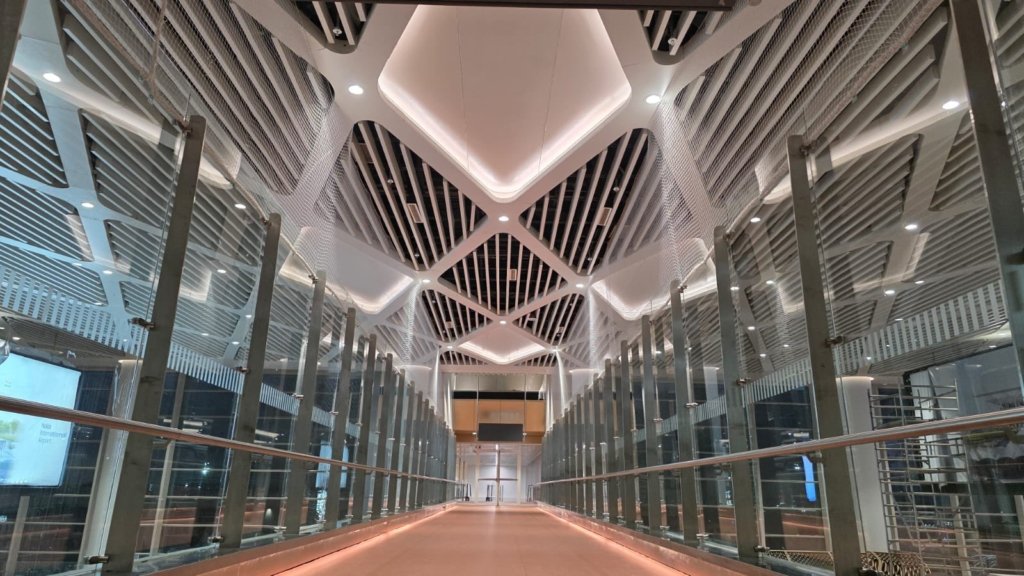
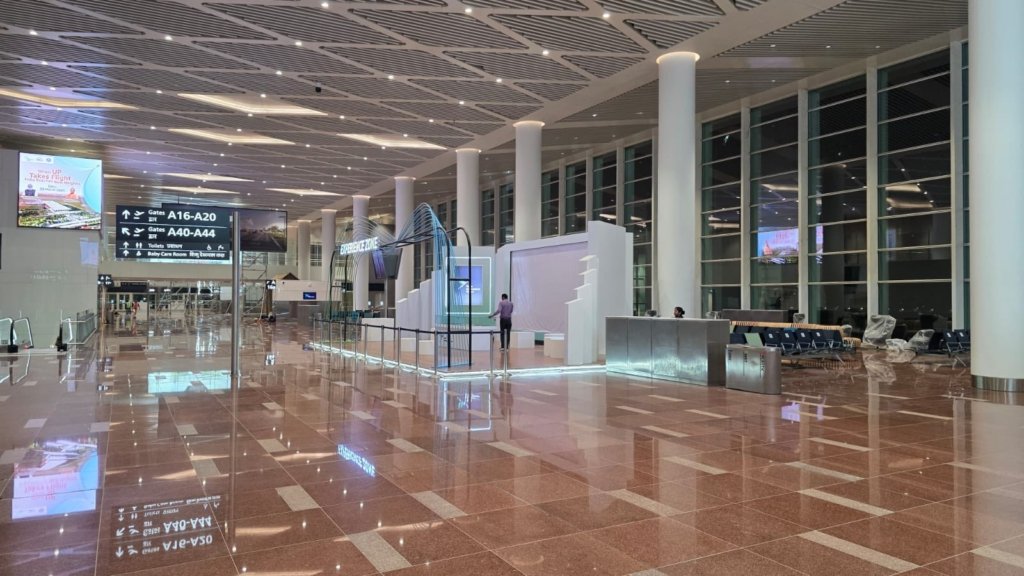
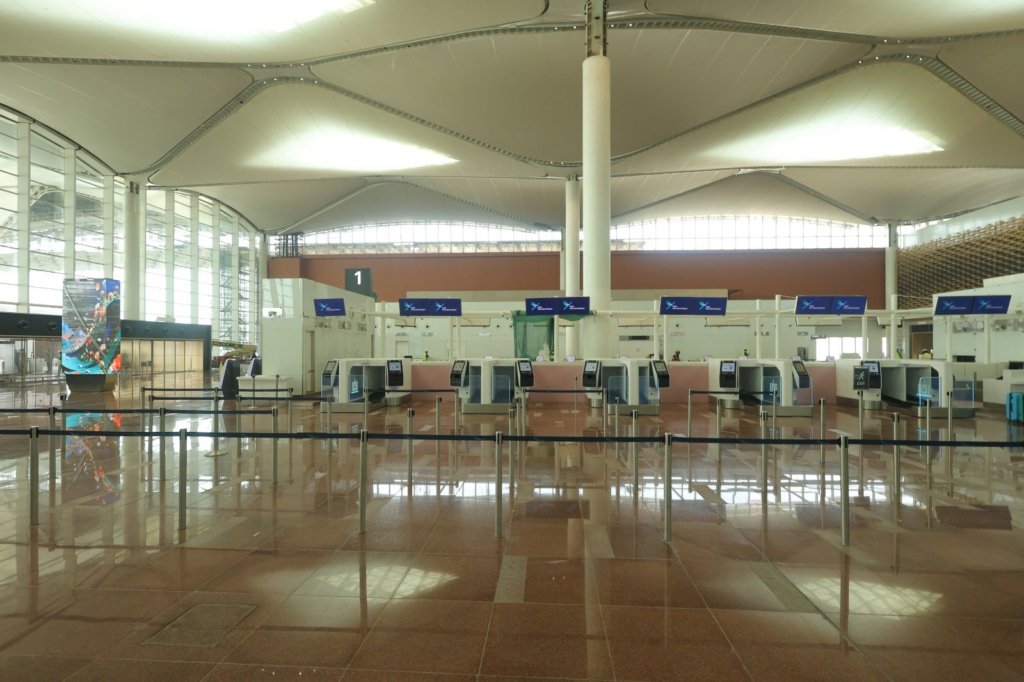
Jewar wants more than space: its focus is on the passenger experience. The terminal team includes Nordic, Grimshaw, Haptic, and STUP. Their design mixes Swiss precision with Indian cultural touches. The layout follows river ghat steps, and an open courtyard lets sunlight and airflow move through, cutting energy use.
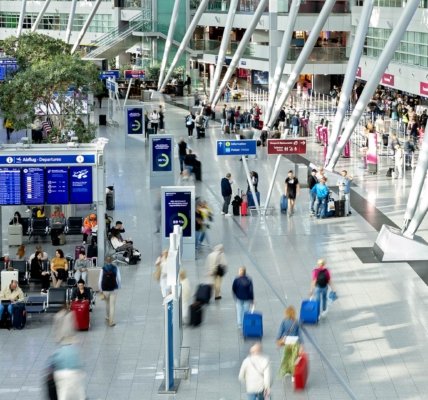
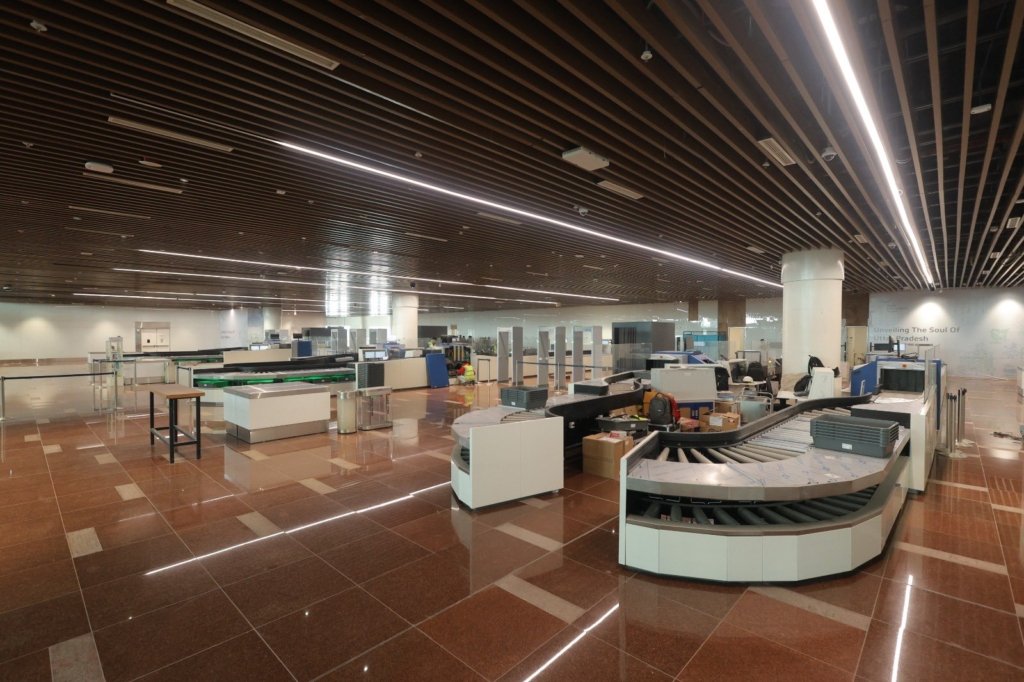
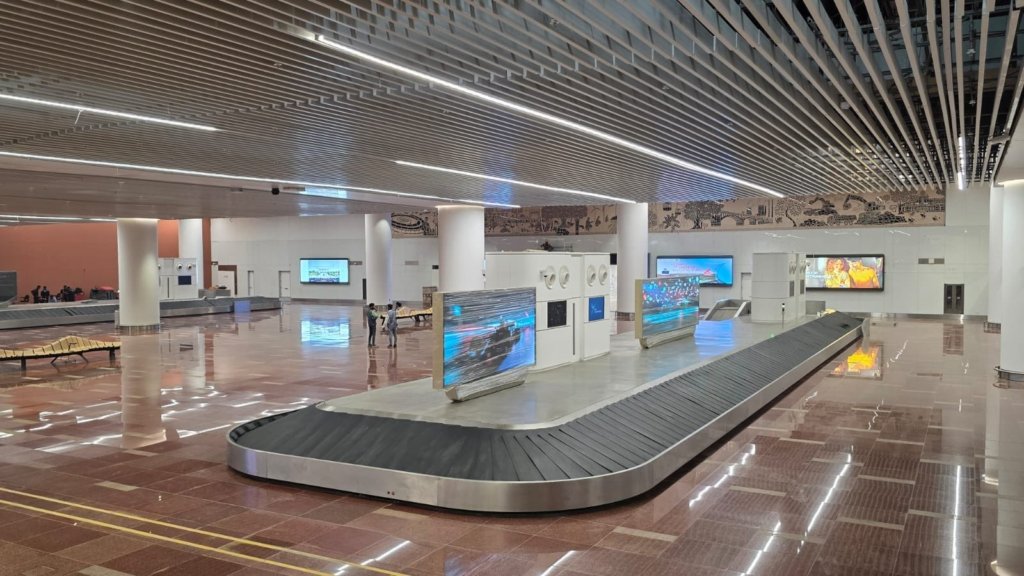
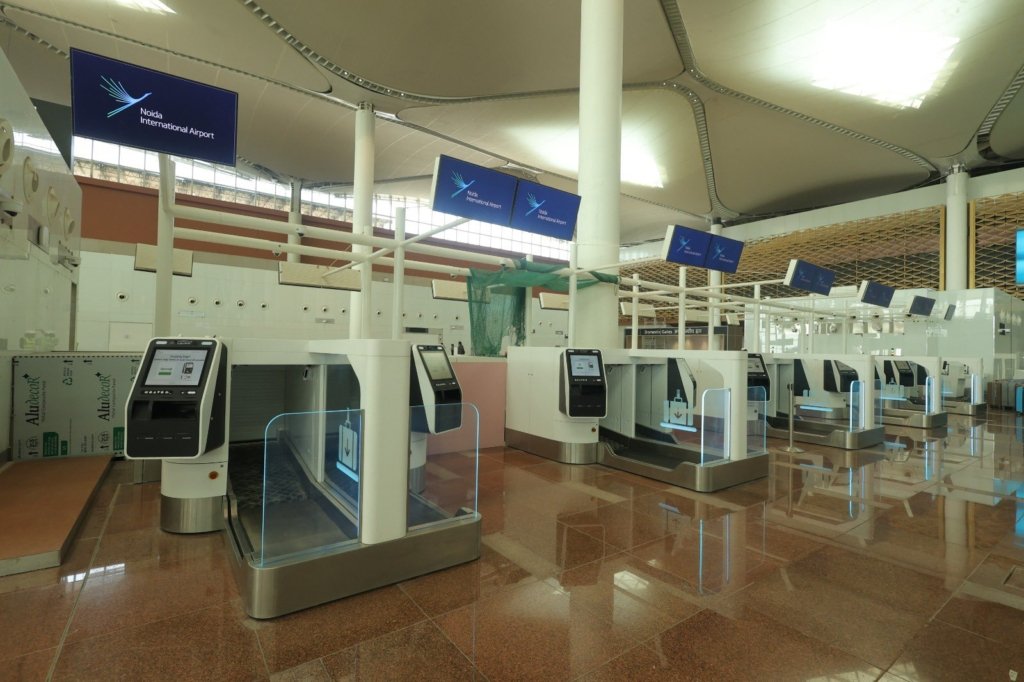
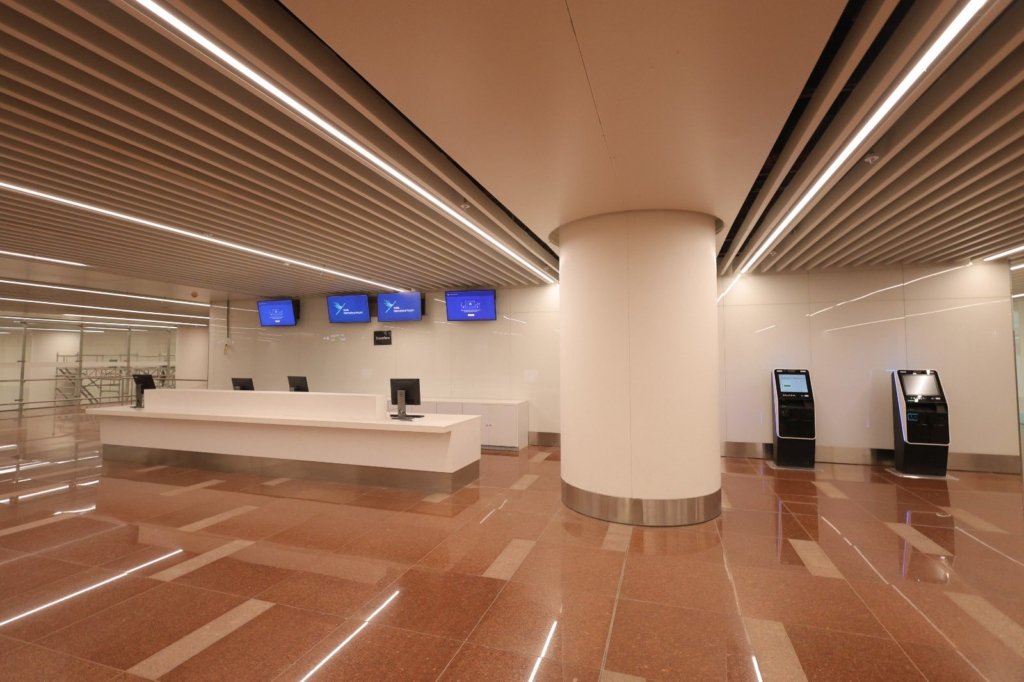
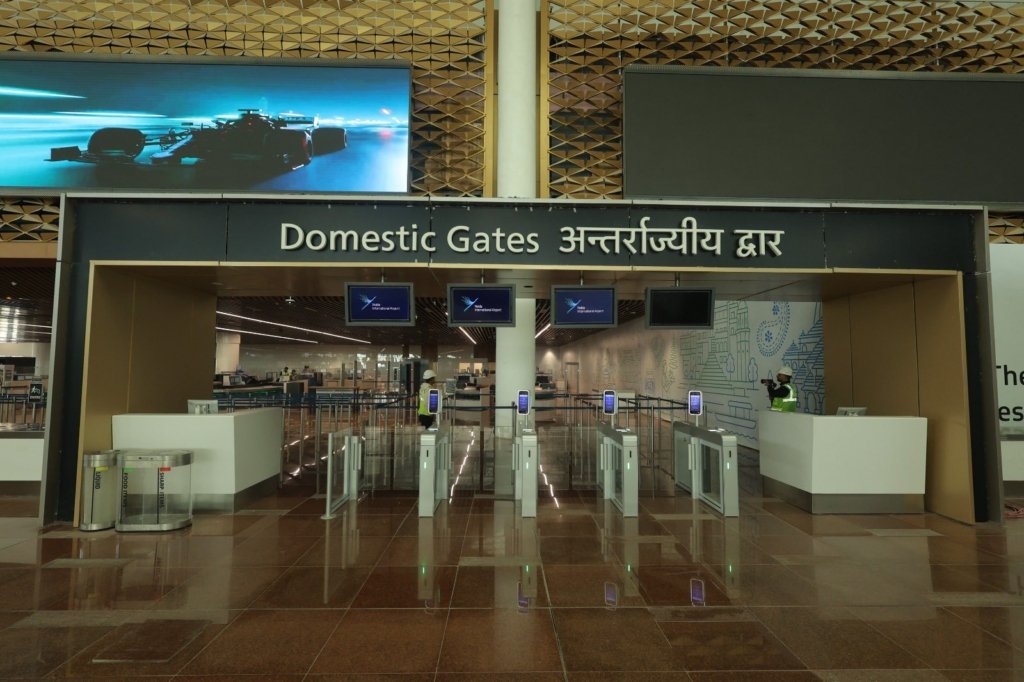
Technology runs the place from day one. Biometric DigiYatra checks, contactless boarding, and automated baggage are all designed to keep travellers moving smoothly from curb to gate. Travellers used to slow lines at old airports might notice a change right away. The location makes a big difference. For years, people in Agra, Meerut, Aligarh, and Mathura relied on Delhi’s airport, with long waits through NCR traffic. Now they have an alternative.
Although the focus is mainly on passengers, cargo, which insiders refer to as the “NIA’s silent engine”, might be the most important aspect of Jewar. For a very long time, Delhi has been the leading air cargo hub in North India, which has caused congestion and inefficiencies.
Jewar provides another option- a specially-designed logistics entry point. The cargo facilities based on a dedicated “Cargo Village” run by AISATS start with a capacity of 250,000 tonnes annually but capable of being expanded up to almost 2 million tonnes. There are temperature-controlled storages, warehousing, and integrated trucking facilities.
Most importantly, the airport is within a multimodal network, connected to expressways, freight corridors, and industrial clusters. This allows for quicker transportation of goods, lower logistics costs, and improved supply chain.
For farmers, it means that their fresh produce can reach global markets within a few hours. For manufacturers and exporters, the new airport will provide a more straightforward and efficient route to their international supply chains. The grand plan for Jewar goes far beyond just the aviation part- it is about creating an aerotropolis.
Only after the airport opens on Jewar’s 3,900-metre runway does the growth in logistics parks and industrial clusters begin. The region now has air, road, and rail links all working together. Modi said the airport is not just about getting people from point A to B; it is about opening doors. Farmers get direct access to national markets. MSMEs avoid long delays and high transport costs. Young workers find jobs in new service and maintenance roles.
Even as the first IndiGo and Akasa Air planes land, it has to be appreciated that what was once a plan stuck in documents is now active. It shows India’s infrastructure can move fast when leadership commits. The National Capital Region shifts from one airport to two major hubs. Western Uttar Pradesh moves from the edge to the centrestage. For India’s aviation future, this is a clear sign of what’s coming: scale, speed, and real investment.
As Prime Minister Modi put it, this is not just an airport—it is the beginning of a new chapter. And from Jewar, that chapter is now ready for take-off.
Also Read: How India Taxes Business Aviation Out of Its Own Market