















Indira Gandhi International Airport: Delhi Airport Expands Capacity with Cargo, Technology & Transit Growth

- Delhi Airport crosses the 100-million passenger mark and prepares to expand T3 international capacity by 50% while reopening T2 in September 2025.
- Cargo operations scale up with a new 50.5-acre Cargo City, advanced transshipment centre, and India’s largest airport cold-chain facilities.
- Tech, transit, and retail upgrades—from Digi Yatra and UTAM to a FlixBus link and Duty Free takeover—position IGI as South Asia’s premier aviation hub.
Indira Gandhi International Airport
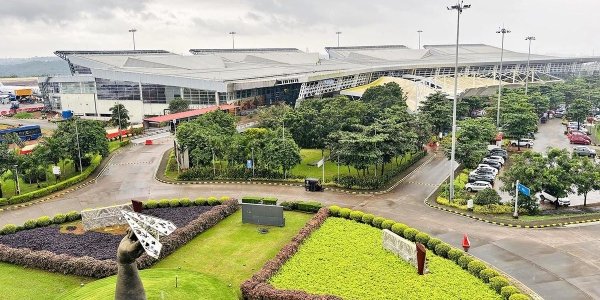
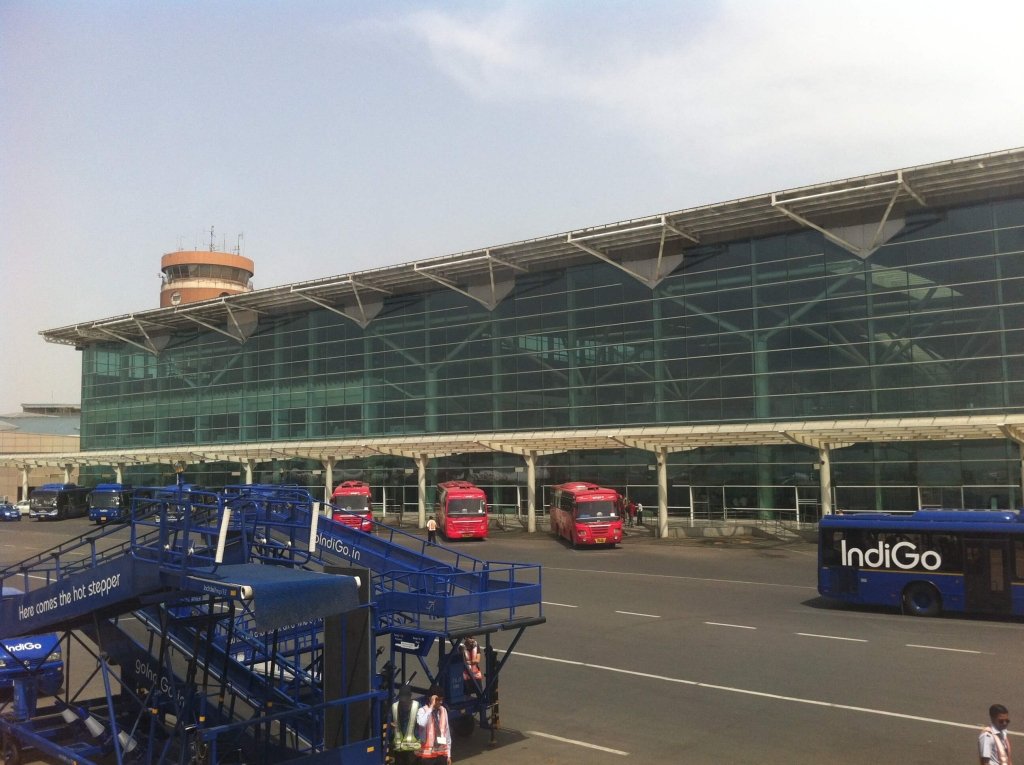
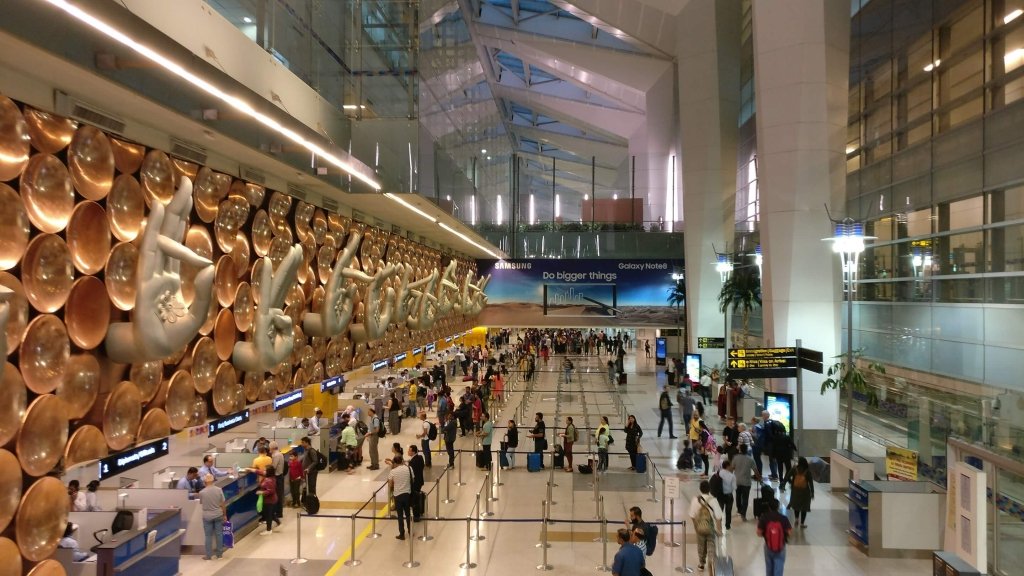
When Indira Gandhi International Airport (IGI) opened Terminal 3 in 2010, it marked Delhi’s leap into the global league of aviation hubs. Fifteen years later, the airport—operated by the GMR Group-led Delhi International Airport Ltd. (DIAL)—is not only India’s busiest but also among the world’s top ten by passenger numbers. In 2024, IGI crossed the 100-million annual passenger mark, a feat achieved by only a handful of airports worldwide.
Capacity Push
The pressure of numbers has pushed DIAL into an ambitious expansion drive. This winter, Terminal 3 will expand its international wing by 50%, with one domestic pier being converted for overseas operations. The move is expected to raise international handling capacity from 20 million to 30 million passengers annually, making T3 the first terminal in India capable of accommodating 100 million travellers a year.
Meanwhile, Terminal 2, shut earlier for repairs, is due to reopen by September 2025, just ahead of the festive season. Together with T1, IGI’s overall passenger capacity will cross 140 million annually, positioning Delhi as South Asia’s foremost hub.
Cargo Momentum
If passengers keep IGI in the headlines, it is cargo that gives the airport its backbone. Delhi handled 1.1 million tonnes of freight in FY 2024–25, the second year in a row it has crossed the million-tonne mark. To keep pace, DIAL is developing a 50.5-acre Cargo City, complete with integrated warehousing, temperature-controlled facilities and value-added logistics services.
The airport already runs one of Asia’s most advanced freight ecosystems: a 150-acre cargo estate, two integrated terminals with a capacity of 1.8 million tonnes (expandable to 2.5 million), and a transshipment centre that can process cargo in just 20 minutes. The pharma-grade cold chain, cool dollies on the tarmac, and a bonded road feeder network linking 250 cities underscore IGI’s claim of being India’s cargo gateway.
Technology Upgrade
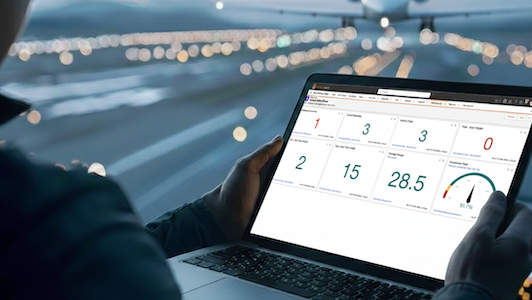
Technology has become the airport’s calling card. In 2025, DIAL launched the Unified Total Airside Management (UTAM) system, which integrates stand allocation, ground handling and safety monitoring into a single platform. It has also deployed virtual information kiosks to guide passengers and rolled out full-body scanners at Terminals 1 and 3, in line with Bureau of Civil Aviation Security norms.
On the passenger side, the Digi Yatra biometric programme—already live at T3—is being expanded across terminals, promising paperless, contactless journeys. Combined with AI-powered flow management that monitors congestion in real time, IGI is steadily reshaping its passenger experience.
Ground Links
Connectivity beyond the airport perimeter is also being addressed. In September, DIAL tied up with FlixBus to launch a 24×7 luxury coach link between IGI and Noida/Greater Noida, easing access for NCR’s eastern corridor. By 2026, the Golden Line of the Delhi Metro will add another layer, linking Terminal 1 directly to Tughlakabad.
Retail and Experience
In July 2025, GMR Aero took over Delhi Duty Free Services, bringing retail operations fully under the airport operator’s wing. DIAL has also launched “DEL Vibes”, a cultural engagement programme that brings local music, art and food into the terminals, an effort to give India’s busiest hub a more distinctive identity.
Awards and Recognition
Delhi’s progress has not gone unnoticed.
- Skytrax 2025: Best Airport in India & South Asia (sixth straight year).
- ACI Hub Connectivity 2024: Only Indian airport in the top-10.
- ASQ Experience Award 2024: Regional winner for over 40 million passengers.
Sustainability, too, has drawn laurels. IGI is the first airport in India to win IGBC’s Net Zero Waste to Landfill–Platinum certification for its terminals, and continues to hold ISO 14001:2015 for environmental management.
The Road Ahead
DIAL’s chief executive, Videh Kumar Jaipuriar, has repeatedly framed the strategy as moving from “capacity to competitiveness.” The focus now is not just on building terminals but on winning international transfer traffic and scaling logistics. With Noida International Airport preparing to open in a few years, the capital region will soon operate a twin-hub system.
For now, Delhi Airport’s story is one of ambition meeting execution. From Palam’s modest runway to Asia’s busiest air gateway, IGI has become the clearest symbol of India’s aviation rise—an airport that is no longer just handling traffic, but shaping the future of how the world flies through India.
Also Read: Green Airports and Key Sustainability Initiatives