


















- IndiGo is scaling up from 40 to 50 international destinations by next year, adding routes to cities like Manchester, Amsterdam, and Athens to capture India’s outbound travel market.
- With plans for a world-class MRO facility near Bangalore and partnerships with new airports like Navi Mumbai and Jewar, IndiGo is strengthening its operational and global presence.
- While expanding internationally, IndiGo continues to tap into India’s vast domestic market, targeting first-time fliers and aiming for 40% international operations by 2030.

IndiGo is steadily transforming into a significant international player, embodying the phrase, “India is in a hurry, and so is IndiGo.” This shift reflects the airline’s ambition to capitalise on India’s growing aviation market and its strategic geographical position. From serving a million passengers every three days to operating over 2,300 flights daily, IndiGo’s journey has been remarkable, crossing the $10 billion revenue mark in just 18 years. IndiGo’s international network has grown significantly, now spanning over 100 international routes to 40 destinations, connecting 20 Indian cities. India’s geographical advantage is central to IndiGo’s vision.
During a media briefing today, Pieter Elbers remarked, “The development of our network signifies that we are not only strengthening our position in India but also establishing a strong presence globally. I believe that India’s strategic geographical location will enable us to serve the Indian market effectively while also positioning us as a global aviation hub.”
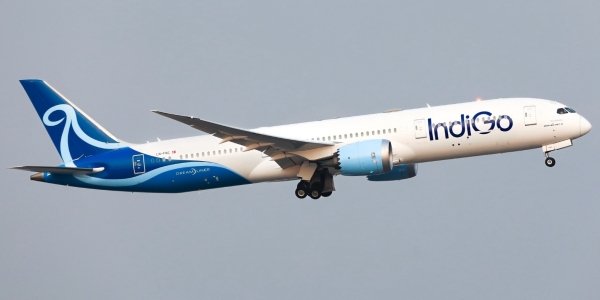
As Elbers pointed out, “65% of the world’s population lives within 5 to 6 hours of flying time from India,” highlighting a significant opportunity to evolve India from a point-to-point destination into a global connectivity hub. This goal is evident in IndiGo’s plans for international expansion, which include adding 10 new destinations: Manchester, Amsterdam, London, Copenhagen, Siem Reap, Athens, and four locations in Central Asia. IndiGo plans to expand its international destinations from 40 to 50 within a year. This growth will be supported by the integration of Boeing 787 aircraft and the expected arrival of XLR aircraft by the end of this year. By 2030, IndiGo aims for 40% of its operations to be international, a substantial increase from its current share of just under 30%.
On the cargo front, IndiGo sees vast potential, as foreign operators currently dominate, leaving room for Indian carriers to grow. The airline’s four A321s are a step toward building a robust cargo network.
IndiGo’s growth extends beyond routes and fleet. The airline is investing in Maintenance, Repair, and Overhaul (MRO) capabilities to leverage India’s skilled workforce and reduce reliance on foreign facilities. With plans to expand its fleet to 600 aircraft by 2030 from the current 400, IndiGo is developing world-class MRO facilities, including a new initiative at Bangalore Airport. This move aligns with the Indian government’s emphasis on building domestic capabilities.

Strategic partnerships with new airports further underscore IndiGo’s vision. The airline announced a landmark arrangement with the new Navi Mumbai International Airport, where it will be the first operator and launch international destinations. This follows its earlier commitment to be the launch airline at Jewar Airport. These moves reflect IndiGo’s cohesive strategy, as Elbers noted: “Whatever announcement we’re making, these are not just random announcements or announcements which are just there to make some steps. They are part of a cohesive strategy where network and internationalisation, the product we serve on that, the airports we operate to, the MRO supporting the operation, and partners helping to build it is part of that very cohesive strategy to make sure that by 2030 IndiGo, not only in India, a large operator, but a global airline serving different parts of the world with a huge footprint in all these different countries.”
Domestically, IndiGo continues to capitalise on India’s vast untapped market. With a significant portion of the population yet to fly, the opportunity to serve first-time fliers remains substantial. By balancing domestic growth with international ambitions, IndiGo is not only strengthening its position within India but also elevating its global presence. The airline’s focus on network expansion, MRO development, and strategic airport partnerships positions it to transform India into a global aviation hub, giving wings to the nation and beyond.