








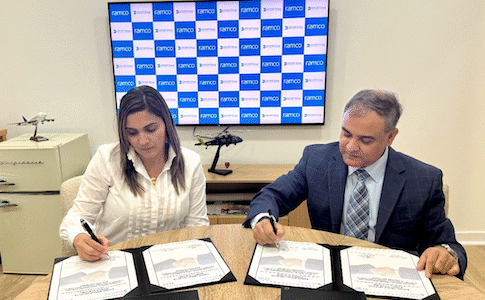



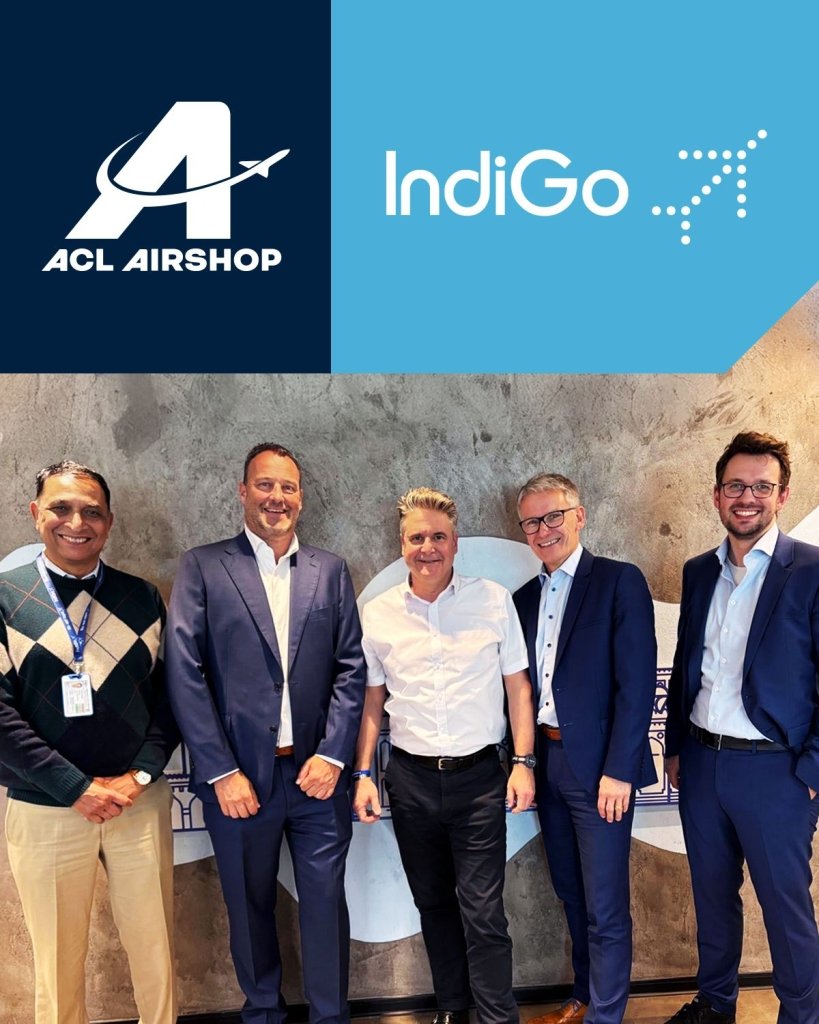
IndiGo signs ACL Airshop for ULD management, signalling a step-change in its cargo play

- IndiGo enters a landmark ULD management partnership with ACL Airshop to strengthen its cargo operations.
- The move is set to improve efficiency, reduce losses, and optimise capacity across its growing fleet.
- With freighters in service and long-haul aircraft on order, IndiGo is positioning for a bigger share of high-value cargo markets.

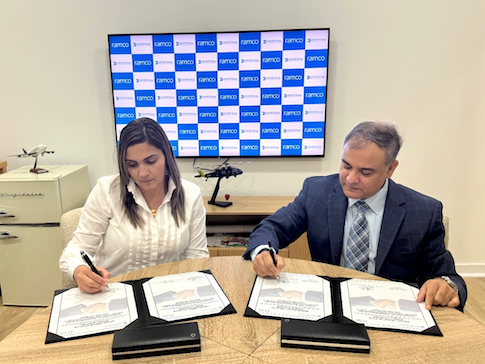
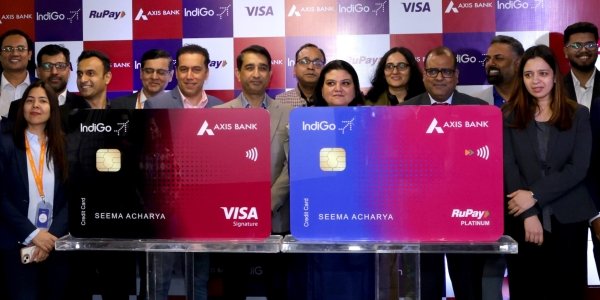
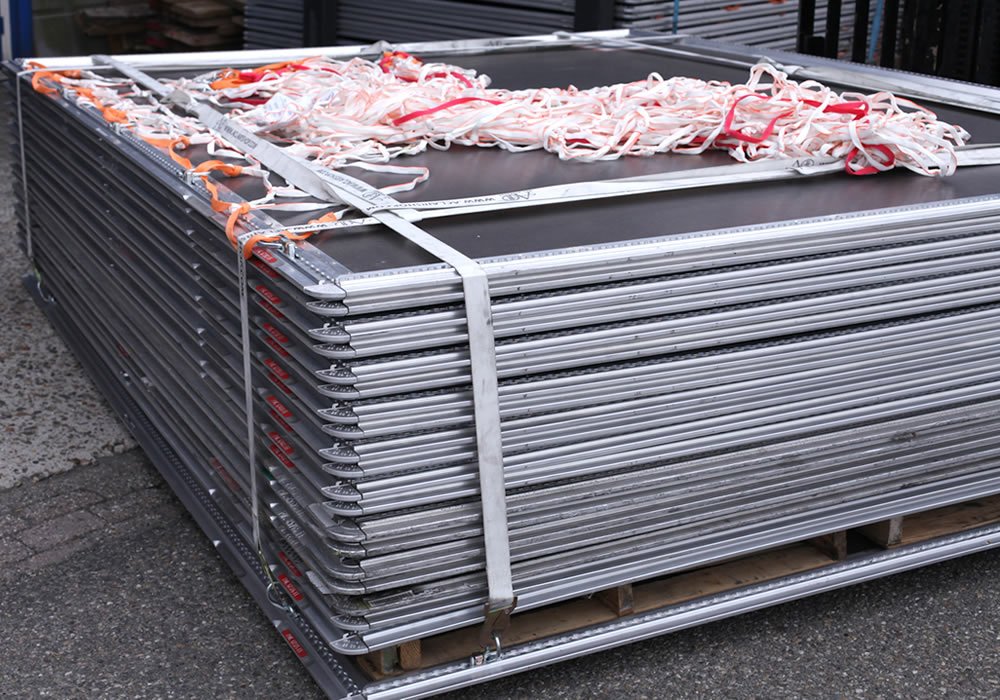
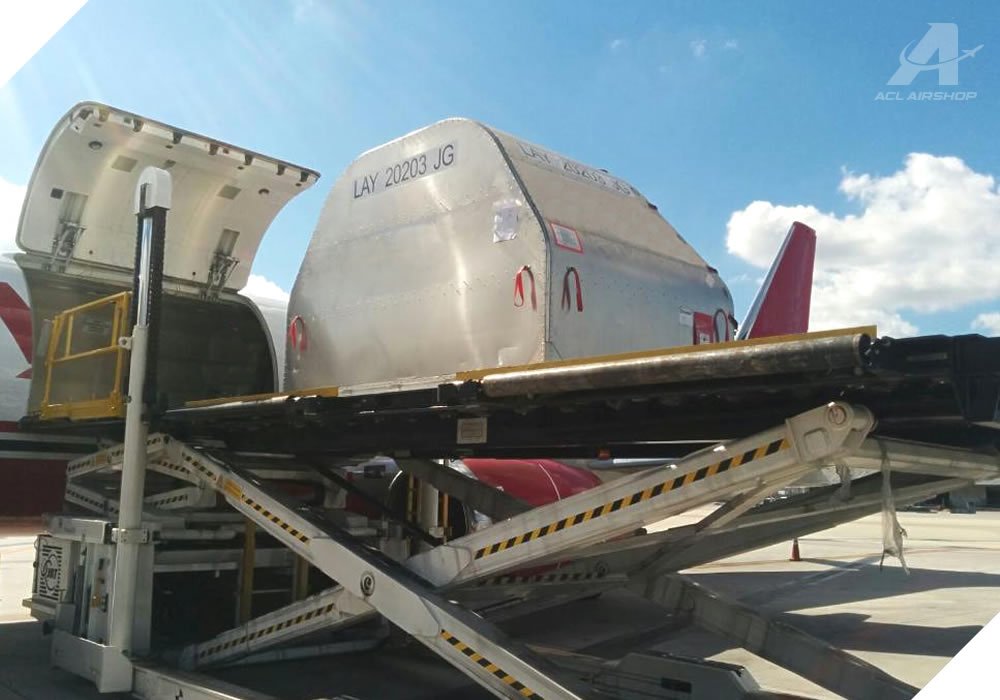
IndiGo, India’s leading low-cost carrier, has entered into a strategic partnership with US-based ACL Airshop to supply and manage its Unit Load Device (ULD) solutions, even as the airline continues its aggressive expansion mode, both on the passenger and cargo fronts. The partnership includes maintenance, repairs, global access to ACL’s logistics network and the implementation of advanced tracking solutions. ULDs are the aluminium or composite containers and pallets that lock into an aircraft’s hold.
ACL Airshop with a 40 year legacy and 60,000 ULDs managed across 55 airport hubs, has been building its India presence since 2024, when it opened a dedicated ULD hub near Mumbai airport in partnership with Aerosail Services, stocking over 150 units for rapid deployment. The IndiGo deal cements its role in the country’s fast-growing aviation sector.
Inside the IndiGo-ACL Deal
The key components of the partnership include supply and fleet management, maintenance & repair (reducing downtime), short-term fleet support (access to spares or extra units during peak periods), global network access, and next-generation tracking. The two will integrate advanced Bluetooth-based tracking technology, thus enabling real-time visibility and operational efficiency.

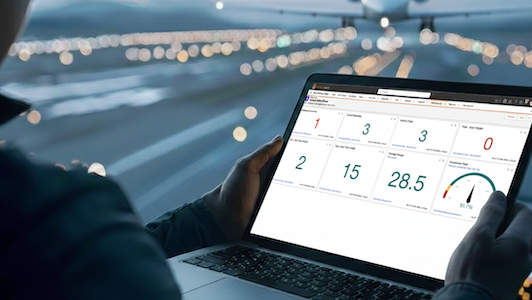
The use of Bluetooth Low Energy tags on each ULD, linked to ACL’s COREInsight platform, means IndiGo’s operations teams will be able to see each container’s location and status in near-real time, an important advantage in preventing asset drift. Industry data suggest up to 10% of an airline’s ULDs can be “off-airport” at any given time, resulting in operational losses.
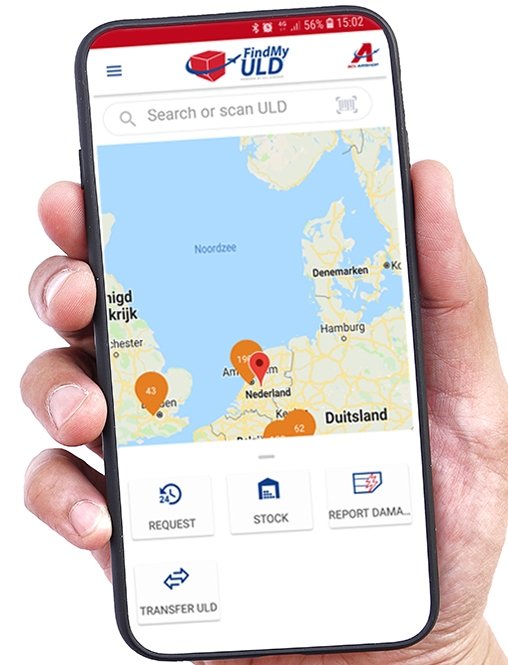
Advanced technologies like COREInsight® Bluetooth and the FindMyULD™ app provide real-time cargo tracking, cutting errors by up to 15%.
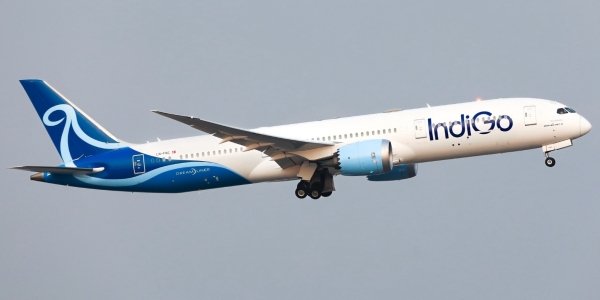
For IndiGo, which operates 434 aircraft today, including three A321P2F freighters, eliminating that loss could translate into significant cost savings and more sellable cargo cycles. With over 2,200+ daily flights and a target of nearly 600 aircraft by 2030, keeping ULDs in circulation rather than sitting idle is a direct boost to capacity and revenue.
In India, total air cargo throughput reached about 3.7 million tonnes in FY 2024-25, or roughly 10,000 tonnes a day. Around 70 per cent of this moves in the belly holds of passenger aircraft, with the rest on dedicated freighters. For a carrier like IndiGo, which carried more than 370,000 tonnes of freight and mail last year, moving to a standardised, trackable ULD system promises faster ground handling, fewer damaged shipments, and better utilisation of growing belly capacity.
From Freighters to Long-Haul Cargo
IndiGo’s dedicated freighter arm operates three A321P2F aircraft today, each with a payload in the 25-27 tonne range, a fourth frame arrives in 2025 and a fifth in 2026. Those aircraft give IndiGo a controlled test-bed for containerised flows, SOPs and digital tracking across gateways, discipline that transfers directly to belly freight on passenger aircraft.
From 2027, Airbus A350-900s are due to join, adding more than 20 tonnes of lower-deck capacity on long-haul sectors. The ability to pre-build and scan containers, push them straight into the hold, and reconcile them digitally on arrival is what allows a passenger-first airline to scale freight without clogging stations or adding ground time.
Globally, belly capacity now accounts for about 53-55% of total air cargo supply, according to IATA, with the remainder on dedicated freighters. In India, the split is closer to 70/30 in favour of belly holds, reflecting the country’s dense passenger network and relatively small freighter fleet. By adopting global standard ULD management now, IndiGo positions itself to take a larger share of that market as long-haul capacity expands.
Indian carriers’ cargo carriage has historically skewed toward Air India and Air India Express, which together account for roughly two-thirds of the freight moved by Indian airlines, with IndiGo, SpiceJet and others sharing the remainder. As IndiGo leans into standardised ULD processes and tracking, it narrows that capability gap and positions itself for a larger share of the high-value cargo segment, such as pharmaceuticals, electronics and e-commerce.
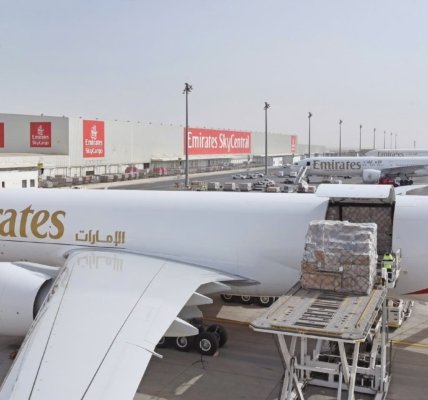
ULDs have transformed operations for international carriers. Emirates handles over 2 million tonnes of cargo annually using ULDs like LD7 pallets, reducing turnaround times by 20-30% and enhancing safety. Qatar Airways’ temperature-controlled ULDs support its QR Pharma product, ensuring compliance for sensitive shipments. Lufthansa Cargo’s IoT-enabled ULDs have cut tracking errors by 15%, boosting reliability. IndiGo is targeting the benefits of speed, safety and scalability, positioning itself to capture high-value cargo markets.
The Digital Shift in Cargo Handling
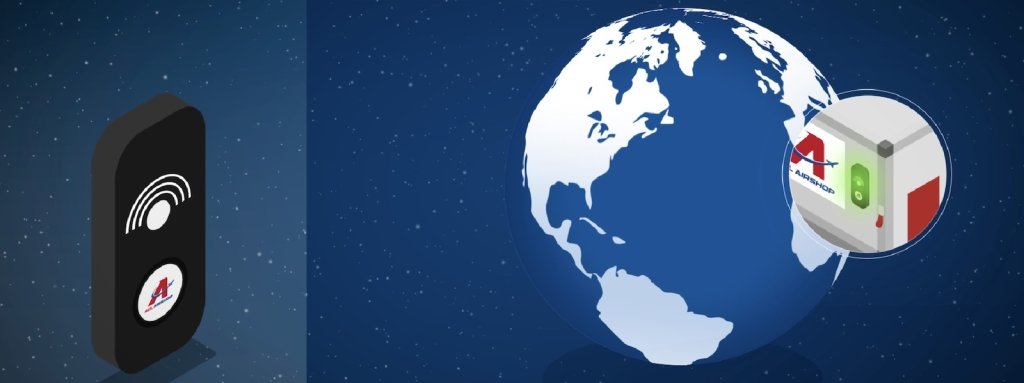
Each ACL Airshop ULD will be equipped with a BLE tag, broadcasting a unique signal detectable by readers at cargo terminals, warehouses, and on the ramp. Every time a ULD comes into range, its ID, location, and timestamp are logged into the COREInsight platform. This creates a continuous “heartbeat” for each container, turning a static box into a data point. Airlines and handlers see where units are, how long they dwell, and whether they need maintenance.
The system captures dwell time, movement history, and maintenance status automatically, eliminating manual scans. When custody changes hands, say, a forwarder builds a container off-airport, an electronic Unit Control Receipt (e-UCR) logs the transfer, building an auditable trail that sharply reduces the risk of misplaced assets.

The quantified benefits show up in three places: fewer missing units, higher turns per ULD, and lower rental and repositioning expenses. Providers and industry groups cite reductions in annual loss rates (often modelled around 3% of fleet) and a sharp drop in “not found” write-offs once programmes mature. For an operator at IndiGo’s scale, that can translate into seven-figure savings while improving OTP.
Where India sits globally
In Europe, North America, and the Gulf, containerised handling with outsourced ULD management is standard practice among network carriers. The global ULD market, valued at $2.15 billion in 2019, is projected to reach $3.49 billion by 2032, driven by rising cargo demand and IoT adoption. Approximately 900,000 ULDs are in service worldwide, worth over $1 billion, with mishandling costs totalling $330 million annually, 80% of which is avoidable through proper handling.
India’s market has been slower to adopt comprehensive ULD systems, particularly among low-cost carriers. Full-service airlines such as Air India have used them on international sectors for decades, but in the domestic and regional market, loose-loading has remained common. IndiGo’s deal with ACL Airshop closes that gap, bringing its processes closer to those of global peers and giving it a competitive edge when courting multinational shippers in pharma, electronics, and express logistics.
Key Takeaway
This is more about managing capacity than focusing on containers. If IndiGo can achieve the same utilisation and loss-reduction rates seen in other markets, the partnership will support not only cost savings but also enhance the reliability and scalability of its cargo business as it expands into a long-haul operator.
This article was co-authored by Rakesh Gera.