













IndiGo Flight Cancellations: The Crisis That Exposed India’s Fragile Pilot Ecosystem

- IndiGo’s 170-200 daily cancellations revealed systemic cracks in India’s pilot ecosystem, triggered when new fatigue-aligned FDTL rules met lean staffing and night-heavy rosters.
- DGCA approved IndiGo’s winter schedule despite pilot shortages, exposing oversight blind spots and a fragile training pipeline overly dependent on overseas capacity.
- The crisis was not a scheduling glitch but a structural failure — fatigue risk, inadequate planning and regulatory compromises that threaten long-term safety across Indian aviation.

India’s aviation sector is in the middle of its most aggressive expansion cycle in modern history: multi-hundred aircraft orders, double-digit domestic growth, and regional connectivity maturing into a stable network.
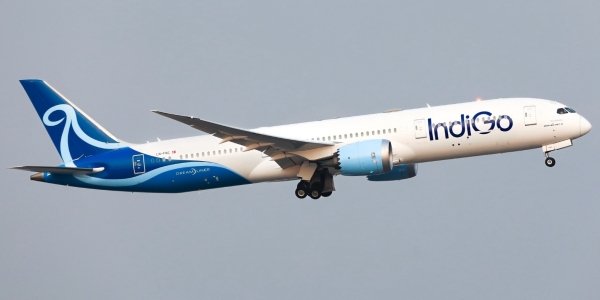
But the severe operational disruption at IndiGo — where 170-200 flights a day were cancelled — revealed how thin the system’s margins really are.
What appeared initially as a scheduling hiccup quickly unfolded into a structural failure centred on pilot fatigue, inadequate manpower planning, regulatory tension and a strained training ecosystem.
IndiGo has acknowledged “misjudgement and planning gaps” as it attempted to transition to the Directorate General of Civil Aviation’s (DGCA) revised Flight Duty Time Limitation (FDTL) norms. The new rules, effective from November 1, impose tighter limits on cumulative flying hours, stricter restrictions on early-morning duties during the “window of circadian low,” and reduced consecutive night operations — changes aligned with global fatigue science.
But the airline’s lean-manning strategy collided head-on with these standards. DGCA’s own assessment showed that after the second phase of the FDTL rules took effect on November 1, IndiGo needed 2,422 captains and 2,153 first officers, significantly higher than October’s requirement. However, by December, the airline had 2,357 captains and 2,194 first officers on roll — numbers that exposed a clear shortage of captains and a misleading surplus of first officers once stricter night-duty and rest constraints reduced actual deployable crew. As duty hours tightened, IndiGo’s winter schedule — heavily dependent on night operations — became unsustainable. On one day, only 19.7% of flights departed on time, exposing how fragile the system had become.
A close read of the disruption shows multiple failure points interacting rather than a single cause. Broadly, the collapse was the predictable outcome of three structural gaps plus regulatory shortcomings.
- Planning mismatch: Lean commercial planning colliding with new science-driven limits IndiGo’s commercial model has long favoured high aircraft utilisation and tightly packed rosters to keep fares low and returns high. That model implicitly relied on pushing to the legal edge of duty-time limits. The DGCA’s FDTL update removed that margin. The airline’s failure was not a last-minute error: it was a planning mismatch — an operation sized for looser limits trying to run under tightened ones without pre-emptive hiring, roster redesign or reduced utilisation.
- Fragile pilot pipeline: India produces CPLs in numbers that help sustain growth, but not the type-rated, line-ready captains required for a rapidly expanding jet fleet. Long waits for type ratings and recurrent training (often outsourced to overseas hubs) create a time-lag between recruitment and deployable pilots. IndiGo tried to bridge this with reactive hiring and accelerated internal type conversion, but the time needed to absorb and grade pilots into the roster was underestimated.
- Rostering practices that amplify fatigue risk: Historically permissive rostering norms, industry pressure to maximise night flying and insufficient use of fatigue-management science meant many rosters clustered duties at circadian-low windows. The DGCA’s new FDTL fixed some of this, but the industry’s rostering culture did not immediately adapt. IndiGo’s winter roster, approved by the regulator, still relied on night-heavy sequences that became infeasible once stricter hours were enforced.
Where government action and inaction mattered:
- Regulatory approval without capacity checks: DGCA cleared IndiGo’s winter schedule even while the airline’s pilot strength did not meet the numbers implicitly required by the new FDTL. That approval without a formal cross-check of operator manpower created a regulatory blind spot.
- Slow expansion of training capacity: Acknowledging the changes at FDTL to accord with fatigue science, the regulator nevertheless did not have a simultaneous, short-term plan to increase domestic type-rating slots, instructor numbers, or simulator availability. This policy change, without the matching capacity, widened the gap between the department and the ground reality.
- Tactical exemptions risk undermining reform: IndiGo’s petition for temporary relaxations to night-duty clauses — intended to facilitate operations — reveals the enforcement problem. Allowing a few exemptions would thus help stabilise schedules in the short term, but at the same time, they could cancel out the safety improvements that led to the FDTL revision. Consequently, the DGCA’s reaction became a turning point between safety and continuation of work in the short term.
The interplay of these faults turned a regulatory upgrade — intended to reduce fatigue risk—into an operational stress-test that the system was not ready to pass.
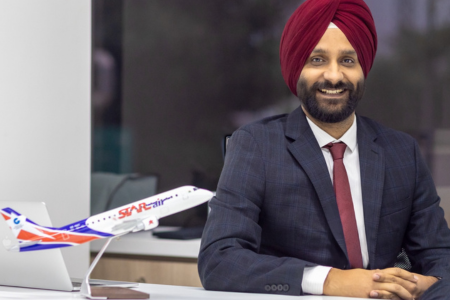
Aviation Safety Strategist Capt Amit Singh calls the situation unambiguous: fatigue is “a critical threat to Indian aviation safety.” His data underscores the severity: 54.2% of pilots reported severe daytime sleepiness, while 66% said they had involuntarily fallen asleep or slipped into micro-sleep on duty. Singh frames fatigue with a stark analogy: 17 hours of wakefulness equals a blood alcohol level of 0.05%, well above India’s zero-tolerance threshold.
The DGCA’s stance on enforcing FDTL has been firm, and in principle, aligned with international best practices. The new norms are not novel; they correct years of permissive limits that allowed 13-hour duty periods extendable to 16 hours—figures far above global fatigue models.
Yet the regulator approved IndiGo’s winter schedule, raising legitimate questions over oversight. As one pilot asked: “Did DGCA examine IndiGo’s pilot strength before clearing the winter roster?”
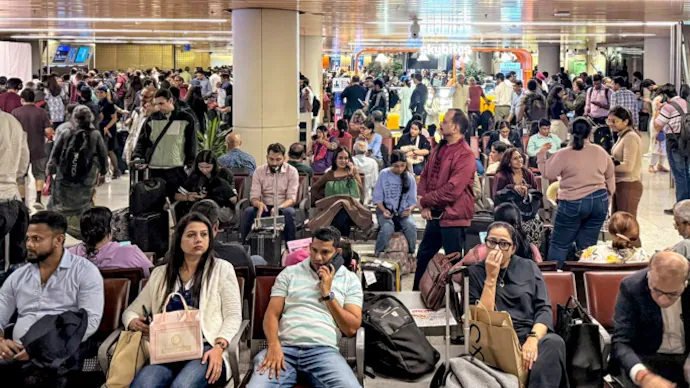
After the crisis, DGCA demanded a detailed mitigation plan on pilot recruitment aligned with aircraft induction.
Simultaneously, IndiGo requested temporary exemptions from certain night-duty clauses to stabilise operations through February — a move many experts fear would undermine fatigue science.
For an industry already operating with thin buffers, piecemeal relaxations could set a precedent that weakens long-term safety intent.
The real crisis is not one week of cancellations — it is the exposure of an ecosystem that is overly dependent on: Aggressive rostering; Insufficient rest; Reactive hiring; Imported training capacity; and Minimal regulatory buffers. If not addressed now, the next disruption may not be operational — it may be safety-related.
IndiGo will recover operationally; large, well-capitalised airlines generally do. But the broader sector faces a far more consequential question: will India use this crisis to modernise its pilot workforce systems, or treat it as another scheduling glitch?
Amit Singh’s warning encapsulates the stakes: “Fatigue is a critical threat to Indian aviation safety.”
Fixing it requires transparency, fatigue-aligned rostering, data-driven oversight, and a training pipeline built for the future — not for yesterday’s demand. India’s aviation boom will only be as strong as the people flying its aircraft. At the moment, that foundation is precariously thin.
Also Read: Pilot Mental Health Is Aviation’s Next Safety Frontier