
















- Escalating tensions linked to the Iran–US conflict triggered widespread airspace closures across West Asia, forcing Indian airlines to cancel hundreds of flights and reroute many long-haul services, increasing travel time and fuel costs.
- The disruption heavily affected India–Gulf aviation links—one of the busiest international corridors—leading airlines such as IndiGo, Air India, Akasa Air and SpiceJet to suspend or reduce services while thousands of stranded passengers were gradually brought back.
- Despite the crisis, Indian carriers continued announcing new international routes and network expansion plans, highlighting the industry’s long-term global growth ambitions even amid short-term operational turbulence.
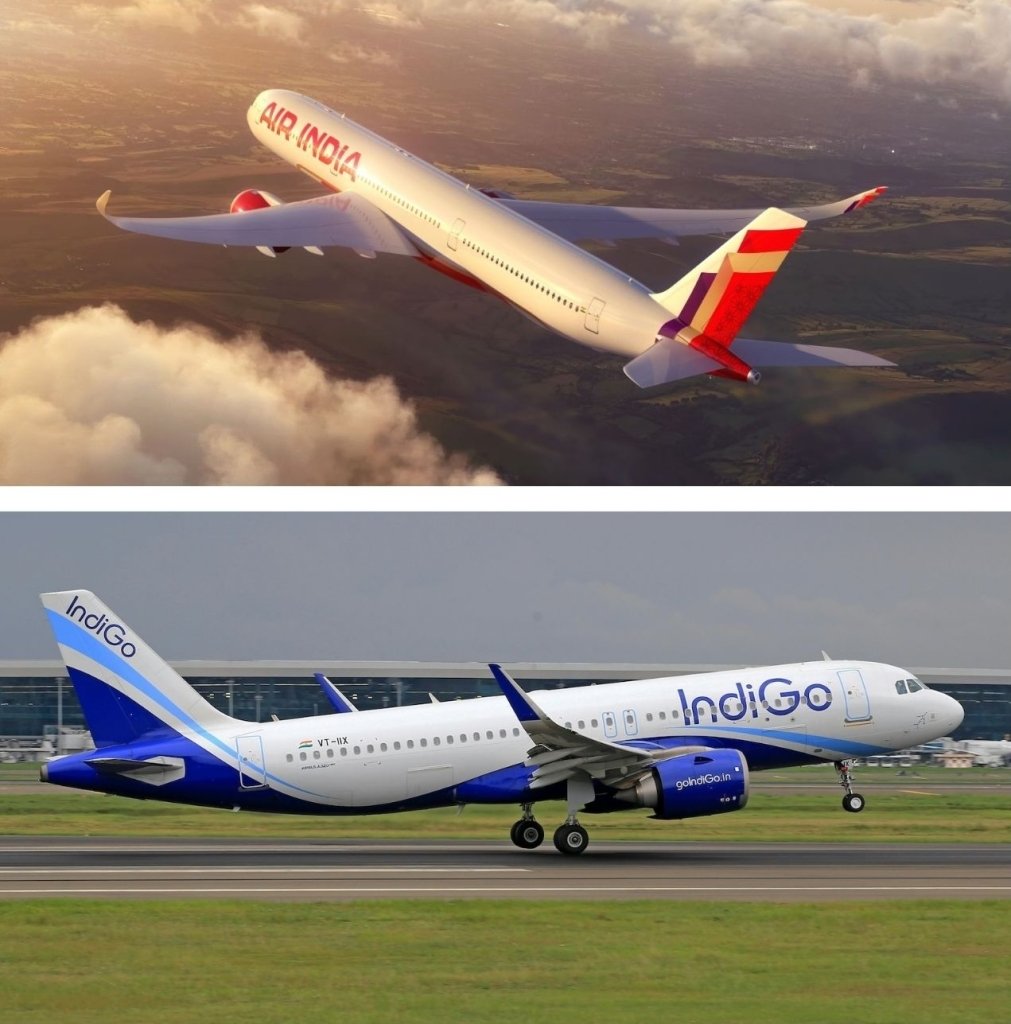
India’s aviation sector spent the past week navigating a striking contrast—grappling with one of the most disruptive geopolitical crises in recent years even as airlines pressed ahead with international expansion plans.
The escalation of the Iran–US conflict at the end of February triggered widespread airspace closures across parts of West Asia, disrupting one of the world’s most important aviation corridors. The impact was immediate for Indian airlines, which rely heavily on the Middle East both as a destination market and as a transit bridge to Europe and North America.
Yet even as cancellations mounted and airlines scrambled to reroute flights, India’s major carriers—IndiGo, Air India and Akasa Air—continued to signal their long-term global ambitions through new international routes and network expansion announcements.
Indian aviation is growing rapidly but faces challenges such as geopolitical risks, rising costs, and operational issues. On 28 February, U.S. and Israeli strikes triggered airspace closures in several countries, disrupting flight paths connecting Asia, Europe, and North America.
Indian airlines felt it fast. The carriers had to axe more than 1,500 flights, both local and international, in the first week. On March 6, over 180 flights got dropped, and by March 7, airlines were nixing about 280 flights daily.
Industry experts believe that airlines may be losing between ₹150 crore and ₹200 crore per day due to cancellations, operational disruptions, and rerouting costs. The financial hit mostly comes from needing to take detours to go around restricted airspace. Flights that used to go over Iran or the Gulf are now being rerouted through Oman, southern Saudi Arabia, or Egypt. This adds hours to travel times and raises fuel use a lot.
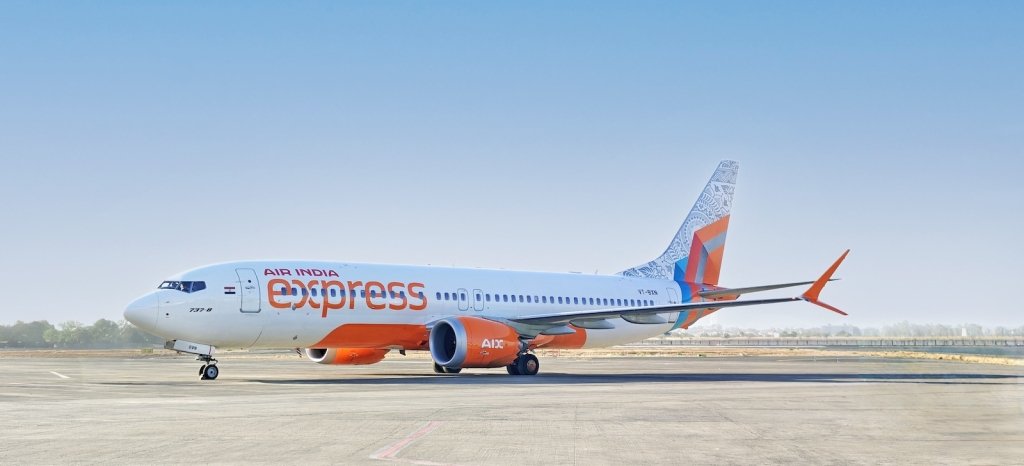
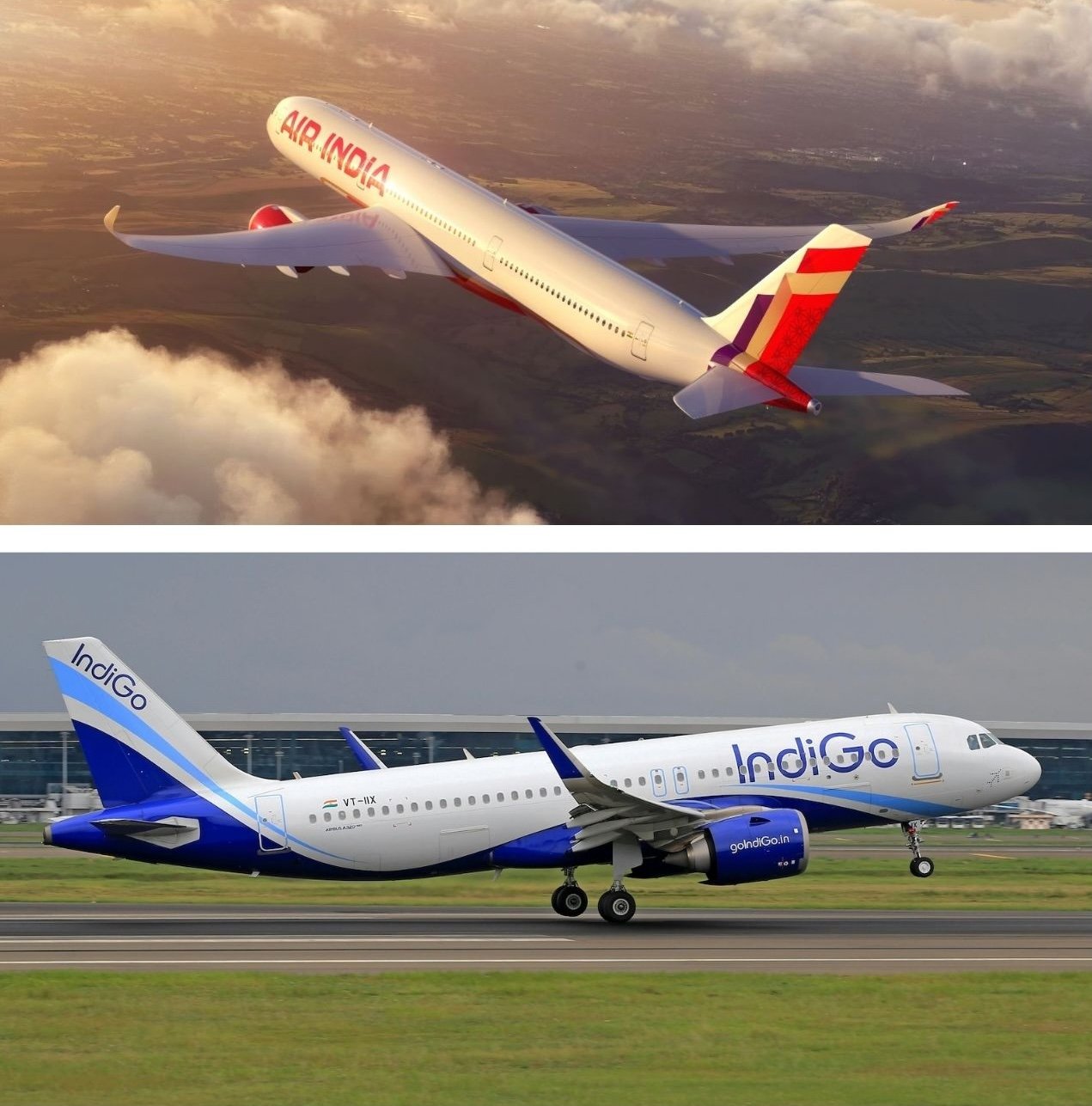
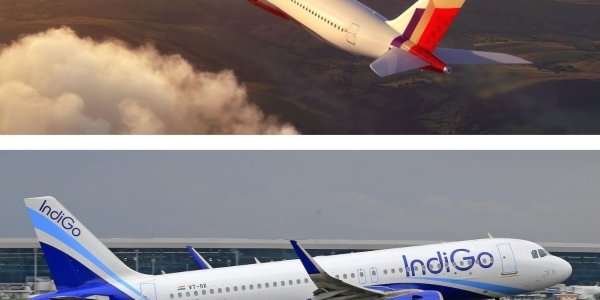
Even with the operational mess, India’s biggest airline, IndiGo, is still moving ahead with its plans to grow internationally. The airline said that it will begin daily direct flights between Kolkata and Shanghai beginning on March 29, using Airbus A320 planes. This route is another move in IndiGo’s slow return to China after resuming flights to Guangzhou before.
IndiGo also unveiled a thrice-weekly non-stop service between Chennai and Réunion Island beginning April 29. The French overseas territory will become IndiGo’s 46th international destination and the airline’s 13th overseas route from Chennai.
The announcements underline IndiGo’s longer-term strategy of expanding its international footprint ahead of future aircraft deliveries, including the Airbus A321XLR and Airbus A350 fleet. Yet IndiGo has also been among the airlines hardest hit by the crisis. The carrier cancelled more than 450 flights within the first 48 hours of the conflict and suspended several Middle East services.
Full-service carrier Air India also continued expanding its international network during the week, announcing two new routes across Asia. Beginning May 1, the airline will operate five weekly non-stop flights between Delhi and Hanoi, adding a second Vietnamese gateway after Ho Chi Minh City. Air India has also announced a four-times-weekly service between Mumbai and Tokyo (Haneda) beginning June 15 using Boeing 787-8 aircraft.
However, the airline has faced significant operational challenges during the crisis. Many of Air India’s long-haul flights to Europe and North America normally pass through Iranian airspace.
With those routes restricted, several services from Delhi and Mumbai to cities such as London and New York have been rerouted or cancelled. Some flights have required technical refuelling stops due to extended flying distances.
The disruption has been particularly severe on India–Gulf routes, among the busiest international corridors in global aviation. Nearly half of India’s international passenger traffic is linked to the Gulf region, which connects millions of migrant workers, tourists and business travellers between the two regions.
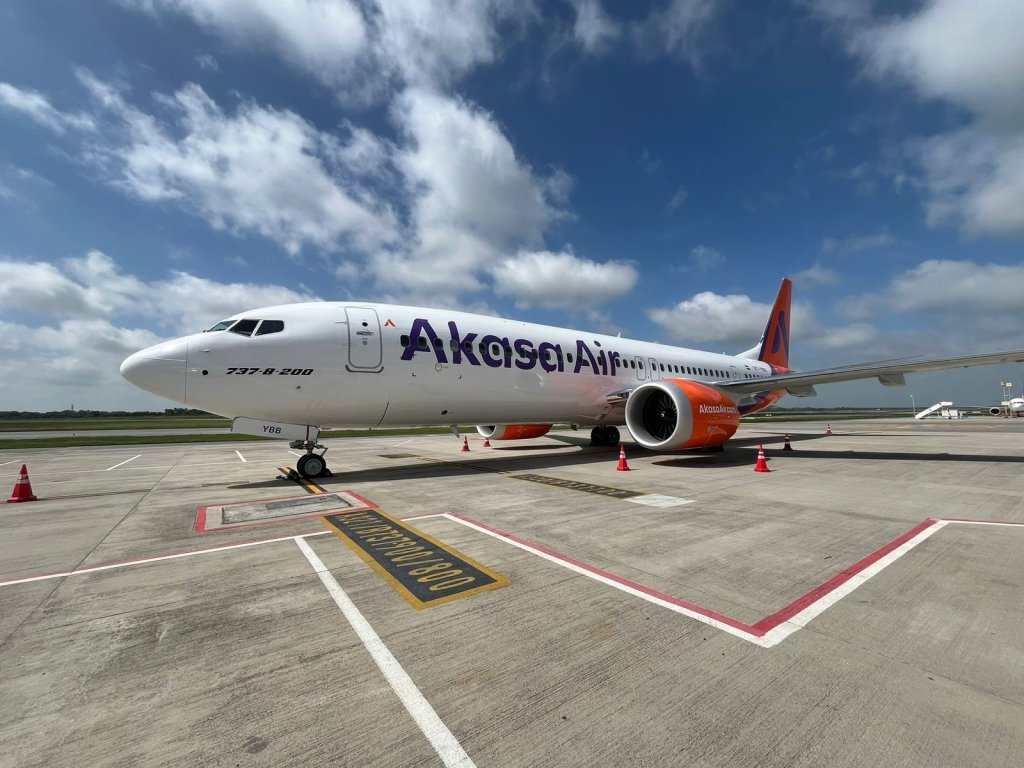
Airlines including IndiGo, Air India, Akasa Air and SpiceJet suspended or reduced operations to several destinations.
Akasa Air temporarily halted flights to Abu Dhabi, Doha, Riyadh and Kuwait while maintaining limited services to Jeddah from Mumbai, Ahmedabad and Kochi.
SpiceJet initially cancelled flights to the United Arab Emirates but later began operating special repatriation services to bring stranded passengers home. By the end of the week, more than 52,000 Indian nationals had returned from Gulf countries as airlines gradually resumed operations after portions of the airspace reopened.
The past week illustrates an unusual moment for Indian aviation. On one hand lies extraordinary growth—expanding fleets, new international routes and rising passenger demand that has made India the world’s third-largest aviation market.
On the other lies a volatile operating environment shaped by geopolitics, rising costs and fragile global supply chains. The simultaneous announcements of new routes by IndiGo and Air India even as airlines cancelled hundreds of flights capture this contradiction.
Indian aviation may be navigating turbulence in the short term. But the industry’s long-term trajectory remains firmly pointed toward global expansion.
Also Read: GIFT-IFSC’s Aircraft Leasing Promise: Real Progress, Real Gaps