




















- India’s general aviation sector is witnessing strong growth, driven by rising affluence, time-conscious travellers, and expanding access to more airports across the country.
- With increasing charter demand, dedicated terminals, and supportive government policies, general aviation is emerging as a vital contributor to mobility and economic development.

The Growth of Aviation in India
Over the last decade, India’s aviation industry has seen extraordinary growth. The number of operational airports has increased from 74 in 2014 to nearly 150 in 2024, with plans to further expand to 350–400 by 2040. Domestic air passenger traffic has more than doubled during this time, driven by substantial fleet expansions by Indian airlines. The overall ecosystem is benefiting from the liberalised initiatives of the Government, thus further boosting growth and demand.
As any economy grows, so does the wealth. We have seen this in the Western world and now can be seen and felt in India as well. The numbers of HNI’s (millionaires, centi-millionaires and billionaires) are on the rise and are further going to multiply given that the wealth creation in India is at an all-time high. The new generation millionaires value time as much as they value money. Thus, we see an upsurge in demand for private charters and aircraft ownership.
Rising Wealth in India and Private Aviation
The growth story of India’s aviation sector goes beyond the expansion of commercial airlines alone. India today is home to nearly 500 odd private planes and helicopters, a number that is gradually increasing. The demand for private jets has surged since the pandemic. More and more airports are now accessible, new generation entrepreneurs value time, and the fact that private jet travel offers convenience to be back home after completing work in a remote city, thus enhancing productivity and efficiency. An interesting shift in the minds of new-generation HNIs is towards aircraft ownership. Owning an aircraft is no longer considered a taboo in India. Many HNIs are now taking up flying lessons to eventually own and fly a plane.

Importance of Charters
What sets air charter services apart from commercial aviation? The difference lies in the exceptional flexibility, efficiency, and privacy that chartered flights offer, which scheduled flights simply cannot match. Whether you’re organising corporate travel for executives between cities, managing the urgent transfer of a patient, coordinating the movement of a film crew and their equipment, or simply seeking a quick, comfortable family journey, an air charter gives you the freedom to design your travel around your specific needs.
Business leaders are increasingly seeking ways to maximise their time, and private aviation is meeting that demand. With the flexibility to depart from smaller airports at convenient times and land closer to their destinations, a private aircraft/helicopter acts as a personal time machine, claiming hours that would otherwise be lost to transit or waiting for commercial connections.
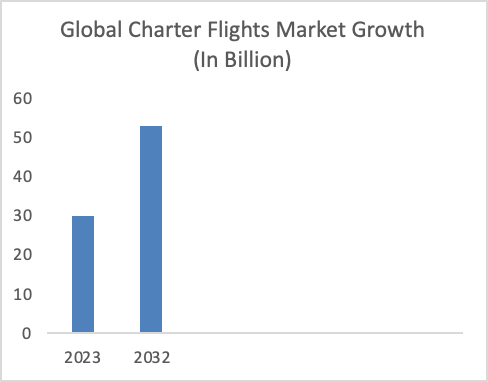
The charter flight market is projected to grow significantly from 2024 to 2031, with the global market expanding at a CAGR of 8 per cent. In contrast, the Indian charter flight market is expected to grow at a more robust 11.8 per cent.
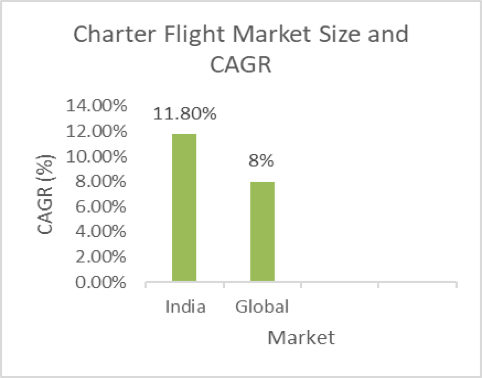
The global charter market is valued at around $30 Billion in 2023 and is likely to increase to almost $53 Billion by 2032, primarily driven by the growth of the ultra-high-net-worth population, advancements in aircraft technology, rising demand for personalised travel, a surge in business aircraft availability, and a focus on sustainable aviation solutions.
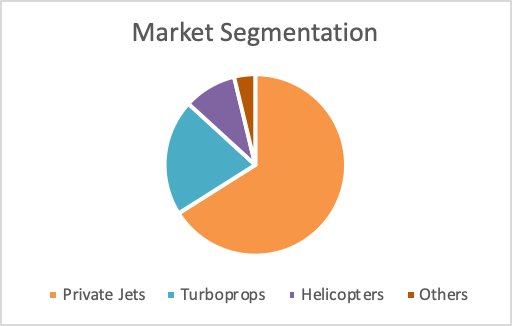
In 2024, the global air charter market is led by private jets, which account for around 70 per cent of the market share, making them the top revenue generator. The private jet division has seen a remarkable 40% year-on-year growth, 20 per cent higher than pre-pandemic levels, surpassing sector growth expectations. This surge reflects a significant market share gain as more people choose business jets for their comfort, luxury, speed, and advanced amenities.
India’s milestones
Over the past five years, the growing demand for private aviation in India has led major cities to establish dedicated General Aviation (GA) terminals for improved efficiency and service. Airports with GA terminals include Chhatrapati Shivaji International Airport (BOM), Indira Gandhi International Airport (DEL), Kempegowda International Airport (BLR), Sardar Vallabhbhai Patel International Airport (AMD), and Cochin International Airport (COK). These airports have undergone significant upgrades to accommodate the rising needs of the general aviation sector.

Private charters have become a key mode of travel in India for the HNIs with high-profile events, such as the Ram Mandir inauguration in Ayodhya, the India-Pakistan cricket match in Ahmedabad and most recently, ‘Kumbh 2025’ has further highlighted the importance of private aviation, with large numbers of HNI attendees choosing private jets for convenience and efficiency. While it does bring benefits to people who can afford it, private aviation also becomes an economic driver, as it adds to the revenues of airports, ground handling companies, catering companies etc. as well as boost employment.
Government Initiatives to Boost Private Aviation
While in the past decade, the Government has given great impetus to the overall aviation ecosystem, however, certain initiatives with an eye on boosting General Aviation at large will support the industry’s growth and scale. Some of the areas where the Government can support the industry are ease of regulations, aircraft ownership and taxation. As the Government addresses these, the General Aviation activity will certainly get a great boost and become a catalyst for economic growth.
Conclusion
India’s private aviation sector is experiencing an exciting phase of growth, driven by rising affluence, expanding infrastructure, and a shift towards more personalised travel. With the demand for private aviation accelerating, the government’s role in streamlining regulations, reducing taxes, and promoting General Aviation will be crucial in unlocking the industry’s full potential. By leveraging the expanding network of airports and increasing accessibility through initiatives like fractional ownership, private aviation can not only enhance mobility but also stimulate regional economic growth. As the sector continues to evolve, India stands poised to become a global leader in private aviation, offering new opportunities for businesses, travellers, and communities alike.