











Engine Makers Dominate Paris Air Show 2025 with Deals and Green Tech Push

- CFM, Pratt & Whitney, and MTU secure major engine orders, signalling strong aviation recovery.
- New engine upgrades promise better fuel efficiency, durability, and lower emissions.
- Hybrid-electric and fuel cell tech mark bold steps toward aviation decarbonisation.
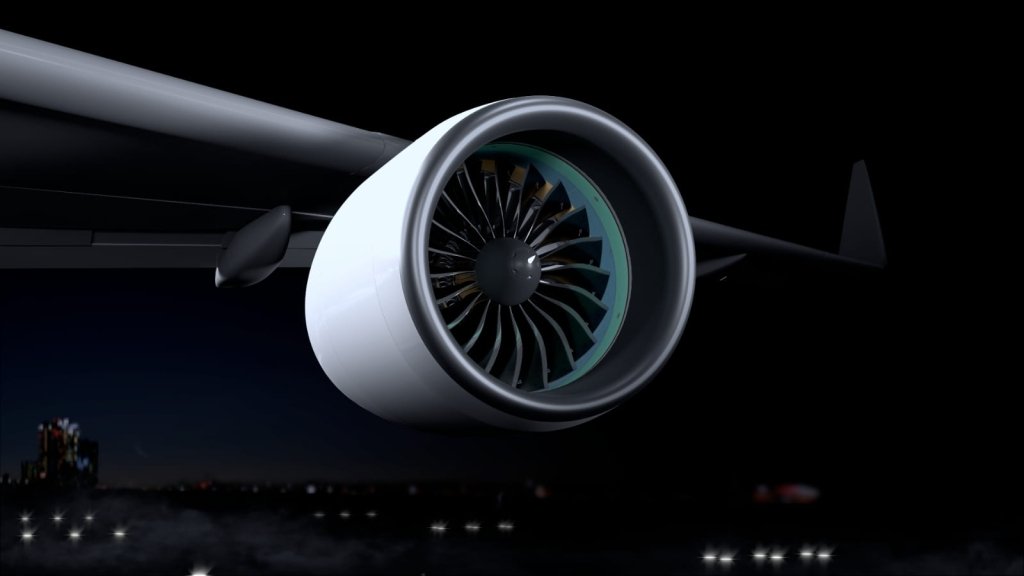
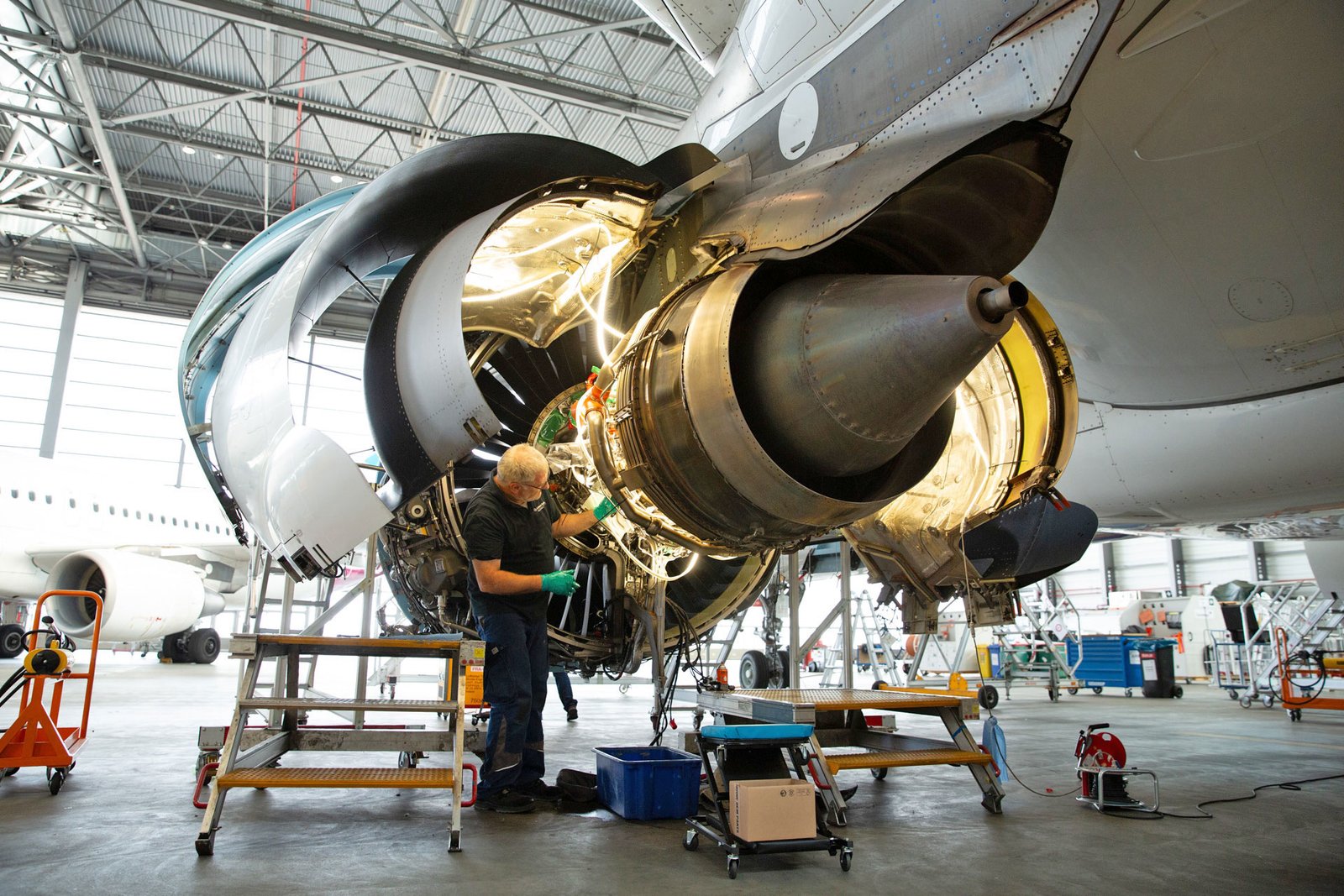
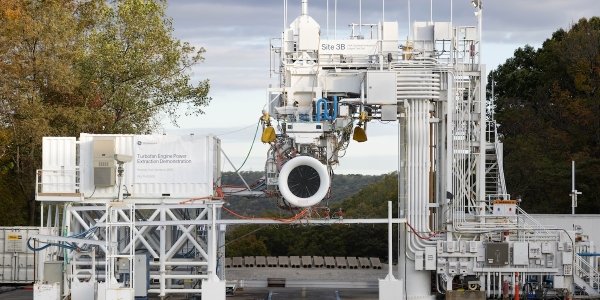
Photo: P&W
Despite an increasingly uncertain and tense global environment, the recently concluded Paris Air Show demonstrated strong demand for commercial aviation with sizeable orders for aircraft manufacturers and engine OEMs alike. Airbus dominated the show, racking up deals worth US$21 billion at Le Bourget, which included US$14.2 billion in orders, and US$6.7 billion as memoranda of understanding (MoU). Despite a quiet airshow for Boeing, Pratt & Whitney and CFM International announced sizeable deals, as did Pratt & Whitney. Rolls-Royce announced important engine upgrades, while MTU Aero Engines secured record orders at the show.
Forging Ahead
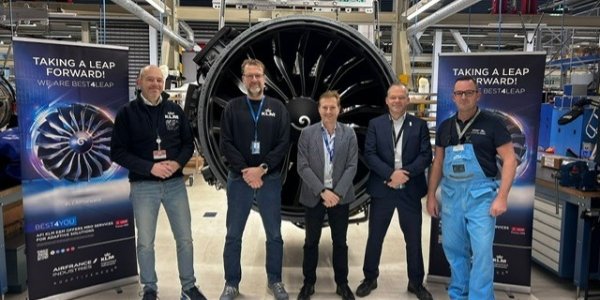
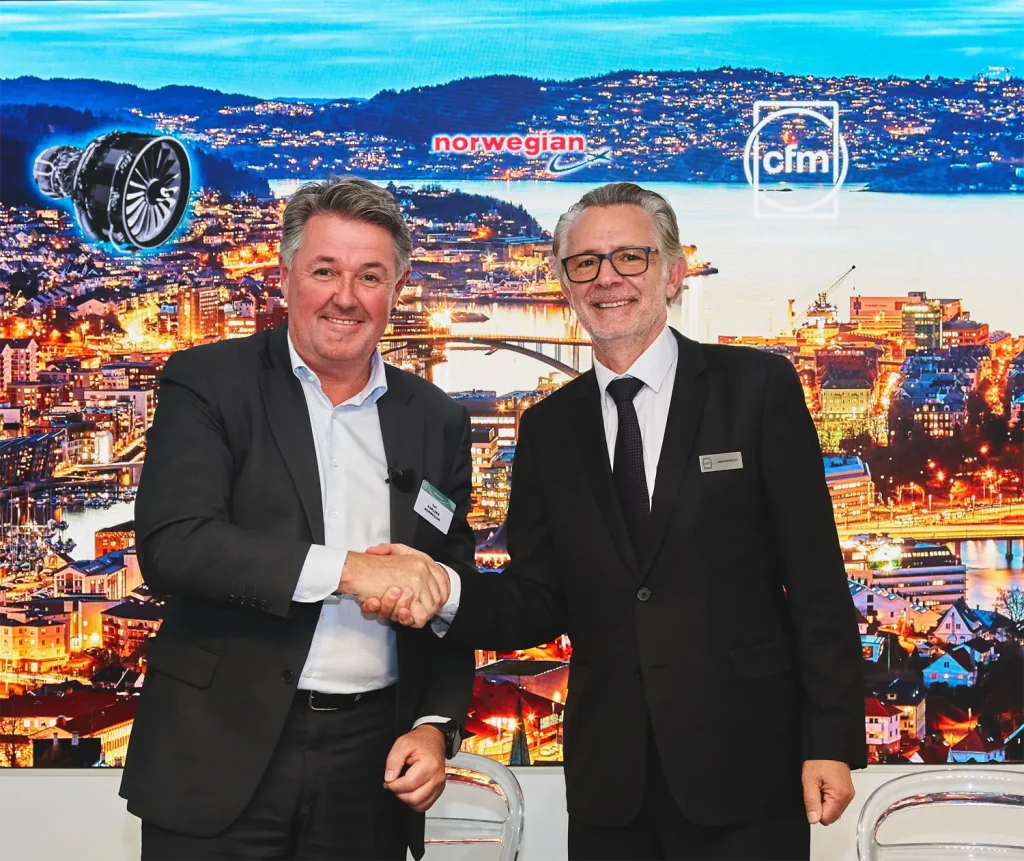
CFM International bagged orders from Ryanair, Norwegian Air Shuttle ASA and Gulf Air at the show. While Ryanair signed a purchase agreement for 30 CFM LEAP-1B spare engines to support its growing fleet of Boeing 737 MAX aircraft, Norwegian Air Shuttle ASA has ordered 11 LEAP-1B spare engines. Deliveries are scheduled over the next few years and are tailored to Norwegian’s expected operational requirements.
“These latest technology CFM engines reduce fuel consumption and CO2 emissions per seat by up to 20 per cent when installed on our B737 MAX fleet, which will further widen Ryanair’s cost leadership over competitor airlines in Europe,” said Michael O’Leary, CEO of Ryanair. A CFM customer since 1998, Ryanair operated the largest fleet of CFM-powered Boeing aeroplanes, including the largest CFM56-powered Next-Generation 737 fleet in Europe. The Ireland-based carrier currently operates 181 LEAP-powered 737-8-200 aircraft, with 29 aircraft still to be delivered from a 2014 order. Ryanair placed a new order in 2023 for LEAP-1B engines to power 150 firm and 150 option Boeing 737-10 aircraft. CFM LEAP-1B engines have accumulated nearly 30 million flight hours and 12 million cycles since their entry into service.
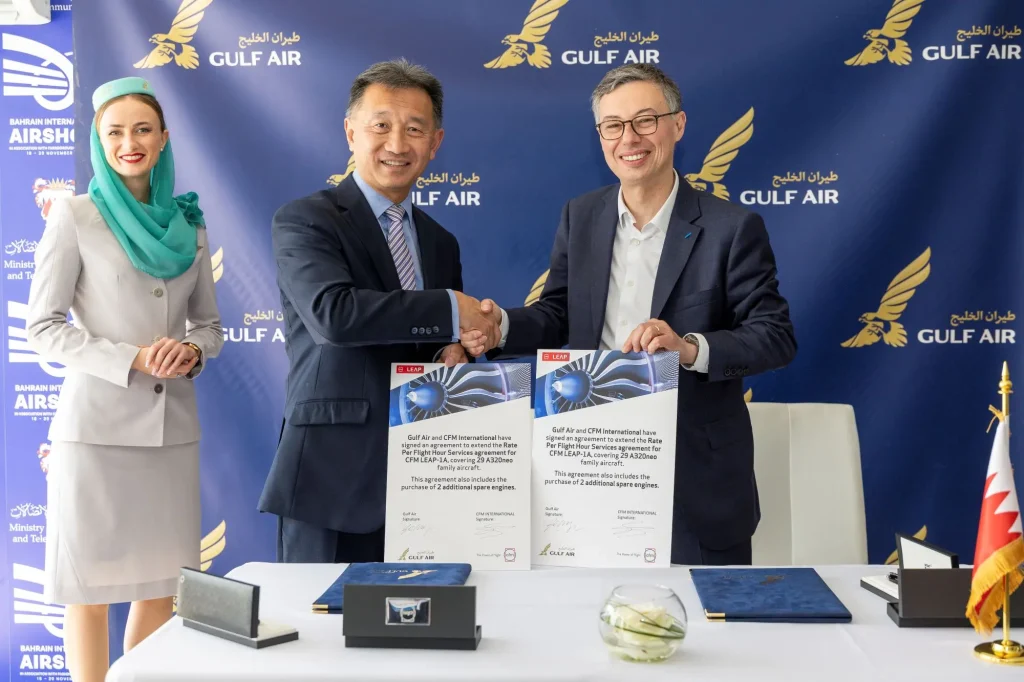
Gulf Air extended the airline’s long-term CFM LEAP-1A services agreement with CFM International with an agreement that includes the purchase of additional spare engines, providing for a comprehensive range of services from engine maintenance, repair and overhaul (MRO) to spare parts. This services agreement will cover 29 Airbus A320neo family aircraft. “This agreement will enable us to secure MRO capacity for our fleet and maintain our growth,” said Dr. Jeffrey Goh, Chief Executive Officer of Gulf Air Group. Gulf Air currently operates eight A320ceo family aircraft powered by CFM56-5B engines and twenty LEAP-1A-powered A320neo family aircraft, with nine additional A320neo family aircraft still on order.
Pratt & Whitney GTF Orders Exceed 12,000
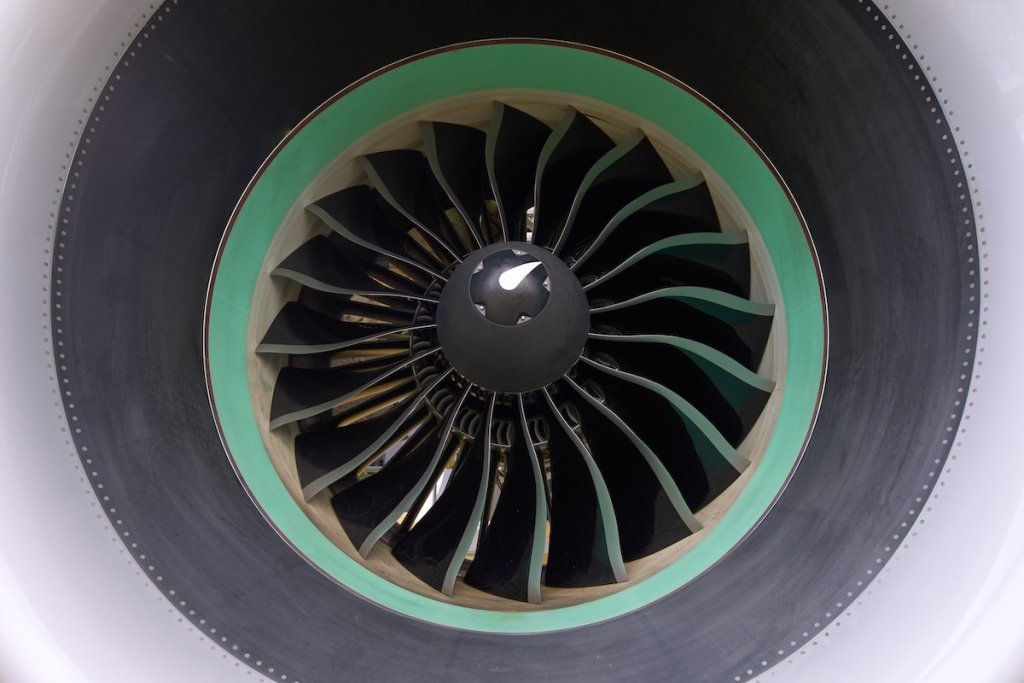
Pratt & Whitney announced at the airshow that it had gained nearly 1,100 GTF engine orders and commitments since the beginning of 2025, for a programme total of over 12,000 from more than 90 customers worldwide. “We continue to see strong demand for the GTF engine, as evidenced by the large number of orders we’ve received only halfway into the year,” said Rick Deurloo, president of Commercial Engines at Pratt & Whitney. “These orders demonstrate confidence in Pratt & Whitney and the value the GTF delivers to customers with its industry-leading fuel efficiency. We will continue to build on this with the entry into service next year of the GTF Advantage, which received FAA type certification earlier this year and will provide even more range capability, better fuel efficiency and enhanced durability.”
The engine maker announced that its GTF orders so far this year include Aegean Airlines, Air Niugini, ANA, Frontier Airlines, LOT Polish Airlines and Wizz Air, along with GTF engine selection from two undisclosed customers. Pratt & Whitney has delivered over 2,400 GTF-powered aircraft to more than 85 customers worldwide. The engine’s revolutionary geared architecture will have accumulated over 250 million hours of flying time by the mid-2030s.
The engine maker also introduced its Hot Section Plus (HS+) upgrade option for the PW1100G-JM engine at Le Bourget. PW1100G-JM engines power the Airbus A320neo aircraft family. The option will be available to customers for purchase, with installations starting in 2026. “HS+ brings the durability improvements of the GTF Advantage hot section to today’s GTF engine,” said Nick Tomassetti, vice president, Sales & Marketing at Pratt & Whitney. “Customers operating the current GTF engine model will have the opportunity to nearly double time on wing.”
The PW1100G-JM HS+ is derived from Pratt & Whitney’s GTF Advantage engine, which will offer twice the time on wing of today’s Pratt & Whitney GTF engine. The PW1100G-JM HS+ will also provide 90 to 95 per cent of the GTF Advantage’s durability benefits. The new HS+ engine variant includes only about 35 part numbers and will be incorporated during maintenance visits. As per the engine maker, GTF engines with HS+ will be fully intermixable and interchangeable with both the current GTF and GTF Advantage engine models, simplifying operations with a combined fleet. The GTF Advantage features the most state-of-the-art hot section in the single-aisle market and enhancements in the High-Pressure Turbine (HPT), including an advanced airfoil design with improved coatings. The HPT and combustor also feature optimised cooling hole size, shape and location, with improved hole drilling techniques to reduce oxidation.
MTU Powers Ahead
MTU Aero Engines AG announced at Le Bourget that it had secured record engine orders worth around US$1.75 billion. MTU has a stake of between 15 and 18 per cent in the Pratt & Whitney GTF engine family, depending on the model. It is responsible for the development and production of various stages of the high-pressure compressor, the high-speed low-pressure turbine, and brush seals. In addition, one-third of the PW1100G-JM series engines are assembled at MTU in Munich. MTU has a 16 per cent share in the V2500 programme.
“This is the first time in MTU’s history that we have achieved such a high order intake at a trade fair: $1.75 billion is an absolute record,“ said MTU CEO Lars Wagner. ”This success once again proves that we have the right, forward-looking engines in our portfolio and underpins MTU’s positive growth prospects. It also impressively demonstrates the market’s confidence in geared turbofan technology.” The large majority of the orders received at the show were for the Pratt & Whitney GTF engine that powers the A320neo family, with Wizz Air placing the largest order to equip 177 A321neos with PW1100G-JM engines. Polish airline LOT has ordered 40 A220 aircraft, which are exclusively powered by the PW1500G GTF.
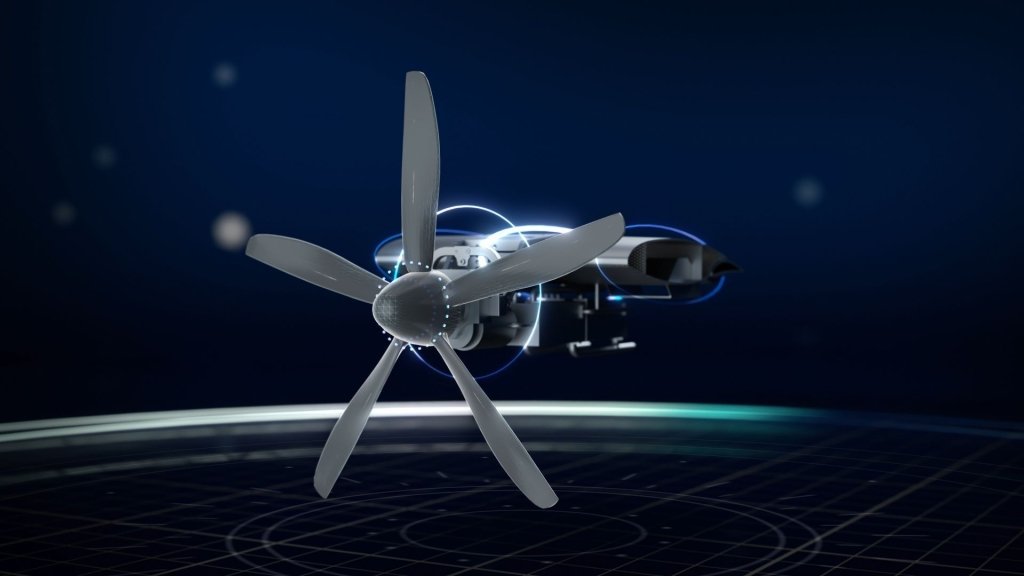
The German also provided updates on its Flying Fuel Cell (FFC) programme. The design for the FFC has been finalised with stack manufacturing for the demonstrator underway. The eMoSys electric motor was successfully tested for the first time, and the first test cell has gone into operation in Munich. “With the successful critical design review for our first electric 600-kilowatt powertrain, we are wrapping up the design phase and starting on manufacturing and assembly,” said Barnaby Law, FFC Head Engineer at MTU Aero Engines. Production of the ultramodern fuel cell stacks recently got underway in Munich.
The company also said that work was progressing on the electric motor for the FFC powertrain, which is being developed by MTU with its subsidiary eMoSys GmbH in Starnberg. The 600-kilowatt motor reliably had a maximum continuous output of 600 kW for the first time, with the tests confirming a high efficiency rate of over 96 per cent, both during take-off and at cruising altitude. The FFC testing infrastructure is being built at a facility in Munich and will comprise two test cells that include a hydrogen infrastructure as well as cooling water and pressurised air supply. The fuel cell stack test cell is ready and is now being put into operation. It is designed for stacks with up to 500 kilowatts of electrical power per unit. The second testing setup, the system test cell, is currently under construction and will be used to test the entire engine system.
Rolls-Royce Offering Enhanced Performance
Rolls-Royce’s (RR) new Trent XWB-84 Enhanced Performance (EP) engine is now in service with the American carrier Delta Airlines as its first operator. As compared to the Trent XWB-84, which powers the A350 and offers 25 per cent lower fuel burn and CO2 emissions when operated on some of the world’s longest commercial routes, the new Trent XWB-84 EP enables at least another 1 per cent reduction in fuel consumption. As per RR, this will deliver average annual fleet fuel savings of US$5 million. There is also the added advantage of lower CO₂ emissions, reduced operating costs and quieter operations by up to two decibels, further enhancing the operating advantage with the new engines.
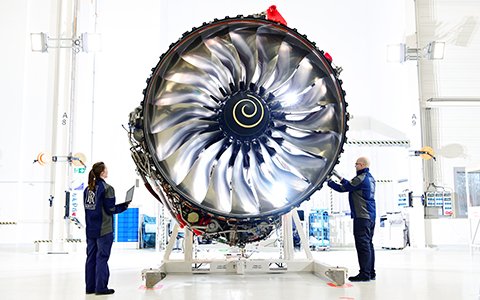
An evolution from the current A350 Trent XWB-84 engines, which have been in service for over a decade, the Trent XWB-84 EP incorporates design improvements, including an upgraded fan, compressor and turbine aerodynamics and enhanced turbine blade cooling. “With EASA’s certification of the Trent XWB-84 EP to power the A350-900, we strengthen the aircraft’s position as the long-range leader. Together with our partner Rolls-Royce, this latest evolution underscores our joint commitment to continuous improvement and innovation. The Trent XWB-84 is already among the most efficient widebody engines on the market and this enhanced version will deliver even greater performance and efficiency for our airline customers,” Julien Puyou, Airbus’ Head of Widebody Programme had said following the grant of European Union Aviation Safety Agency (EASA) certification in April this year for the A350-900 with the Trent XWB-84 EP.
RR built a total of eight Trent XWB-84 EP development engines and three flight test engines for certification, which concluded in December 2024. Trent XWB-84 EP is already certified to operate with Sustainable Aviation Fuel (SAF) blends of up to 50%, with the ability to run on 100 per cent SAF in the future.
In June, RR also launched the first of two Durability Enhancement Packages, which will increase ‘Time on Wing’ for the Trent 1000 engine. It will more than double the duration Trent 1000 engines remain in service before needing scheduled maintenance. The enhancement package has been installed in new engines since January 2025 and is ready for delivery to customers at the earliest opportunity post-certification, the engine maker stated. Within two years, all of the Trent 1000 fleet will have been upgraded. The new technologies are part of RR’s Trent fleet £1bn durability enhancement programme and will contribute to Rolls-Royce meeting its mid-term targets to increase average Time on Wing across all modern Trent engines, which incorporates the Trent 1000, Trent 7000, Trent XWB-84 and Trent XWB-97. The company announced earlier in 2025 that this target would double from its initial ambition of a 40 per cent average increase to 80 per cent by 2027. The benefits to operators include significantly improved asset utilisation, reduced maintenance burden and far greater fleet planning certainty. The upgraded components have already been enhancing the durability of the Trent 7000 engines since 2022. As per RR, these engines are performing better than expected, and in some cases have more than tripled Time on Wing.
Project TAGINE to Develop Hybrid-Electric Propulsion for General Aviation
One of the important announcements at Le Bourget pertained to the launch of an ambitious collaborative research project to study and define a hybrid-electric propulsion architecture for light aircraft with optimised propeller efficiency. The R&T project is named TAGINE, the French acronym for: “Tentative dans l’Aviation Générale d’Introduction de Nouvelles Énergies,” which translates as: “Initiative to introduce clean energy in general aviation.” Hybrid propulsion is a key building block for significantly reducing fuel consumption and optimising the use of sustainable aviation fuels (SAFs).
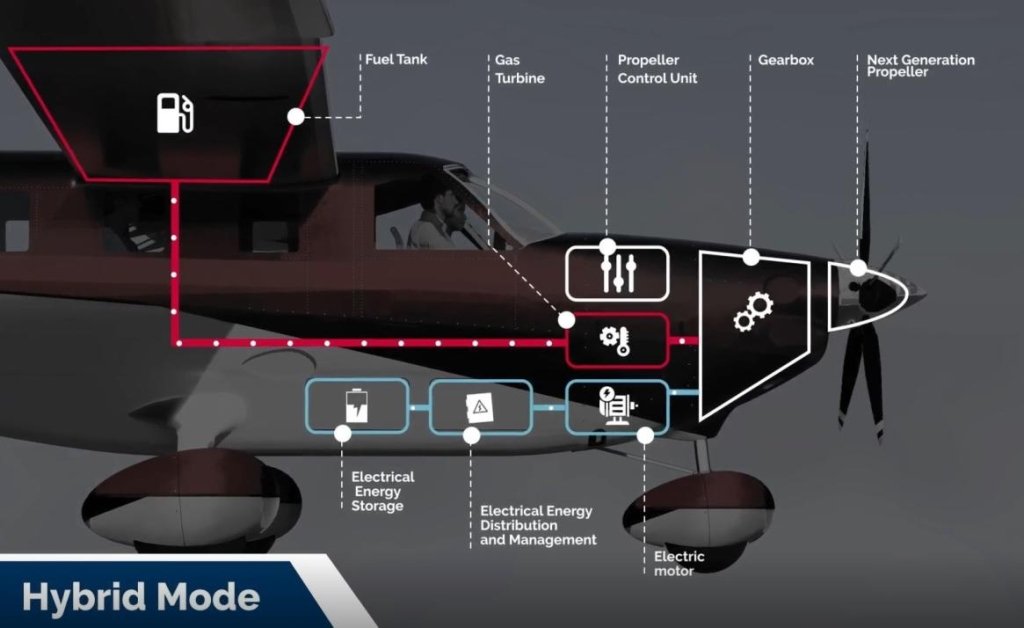
Comprised of Daher, Safran, Collins Aerospace and Ascendance, the consortium is aligned with decarbonisation goals set by the French Directorate General for Civil Aviation (DGAC) and the country’s CORAC civil aeronautics research council. The TAGINE research project is targeting the market for 6-10 seat aircraft, where there are more than 25,000 such aircraft in operation worldwide. This segment has been identified as a priority for initiating the ecological transition of air transportation by 2027. The consortium firms have planned for a timeframe of more than two years, and the first environmental impact assessment results are expected by the end of this year. The project’s major milestones will be presented at the next Paris Air Show.
The decarbonisation potential of the planned hybrid-electric propulsion architecture will be tested on Daher’s Kodiak multi-role aeroplane. Daher, as the project leader, brings its know-how as an aircraft architect (systems and structures) and its full range of original equipment manufacturer (OEM) capabilities, including safety, integration, and aircraft energy efficiency (CO₂ footprint). Daher is providing its Kodiak aircraft as a use case for the hybrid-electric initiative. Safran, via Safran Helicopter Engines and Safran Tech, will study the feasibility of a hybrid propulsion system based on a next-generation turbine and electric motor. This system will combine electric and thermal power to drive the propeller. The electric/thermal split will be optimised to achieve fuel savings and reduce noise and CO₂ emissions. The aeroacoustic optimisation studies for the propeller are being Collins Aerospace, which will contribute to the integration of the propulsion system and propeller. It is also designing a fully electric pitch change system tailored to propellers in this power class. These activities aim to improve energy efficiency and reduce the propeller system’s overall mass.
Ascendance is bringing its expertise in hybridisation and energy optimisation and will leverage the company’s Hybrid Operating System to manage and control energy in a hybrid propulsion system. Ascendance is also responsible for identifying battery energy requirements for the applications studied in the project and for integrating these batteries for hybrid-electric aircraft applications.
Power Play
The recently concluded Paris Airshow was an indication of the continued growth in the aviation industry, but global uncertainties could derail growth prospects if conflict situations around the world continue to increase. What is clear, however, is that the engine makers are racing to ensure that they are not only able to meet the production needs of aircraft OEMs but are also offering improvements to existing engines that will benefit airline operators. While CFM International’s LEAP engine family continues to benefit from large orders, Pratt & Whitney has made strenuous efforts to further improve its GTF engine family offerings with the PW1100G-JM Hot Section Plus (HS+) upgrade and GTF Advantage engine. Rolls-Royce’s (RR) new Trent XWB-84 Enhanced Performance (EP) engine is also likely to receive strong interest from A350 operators with its appeal of an at least 1 per cent reduction in fuel consumption. Importantly, engine OEMs continue to work on new engine technologies which are essential to the future, such as MTU’s Flying Fuel Cell (FFC) programme and the efforts of Daher, Safran, Collins Aerospace and Ascendance to study and define a hybrid-electric propulsion architecture for light aircraft with optimised propeller efficiency.