






















Embraer E175
The Embraer E175 is a narrow-body, twin-engine regional jet that has established itself as one of the most successful aircraft in the sub-100-seat category. As part of the Embraer E-Jet family, the aircraft has gained widespread acceptance among regional airlines and major carriers alike. Its advanced aerodynamics, fuel-efficient engines, and enhanced cabin design make it a standout choice for short- to medium-haul routes. Designed to accommodate between 78 and 88 passengers, it offers flexibility in seating configurations, allowing airlines to optimise their fleet for different route structures and passenger demands.
The aircraft has been particularly popular in North America, where it dominates regional carrier fleets under brands such as United Express, American Eagle, and Delta Connection. With more than 800 units delivered, it continues to be a crucial component in regional and feeder networks, seamlessly connecting smaller cities to major hubs.
Cabin Experience
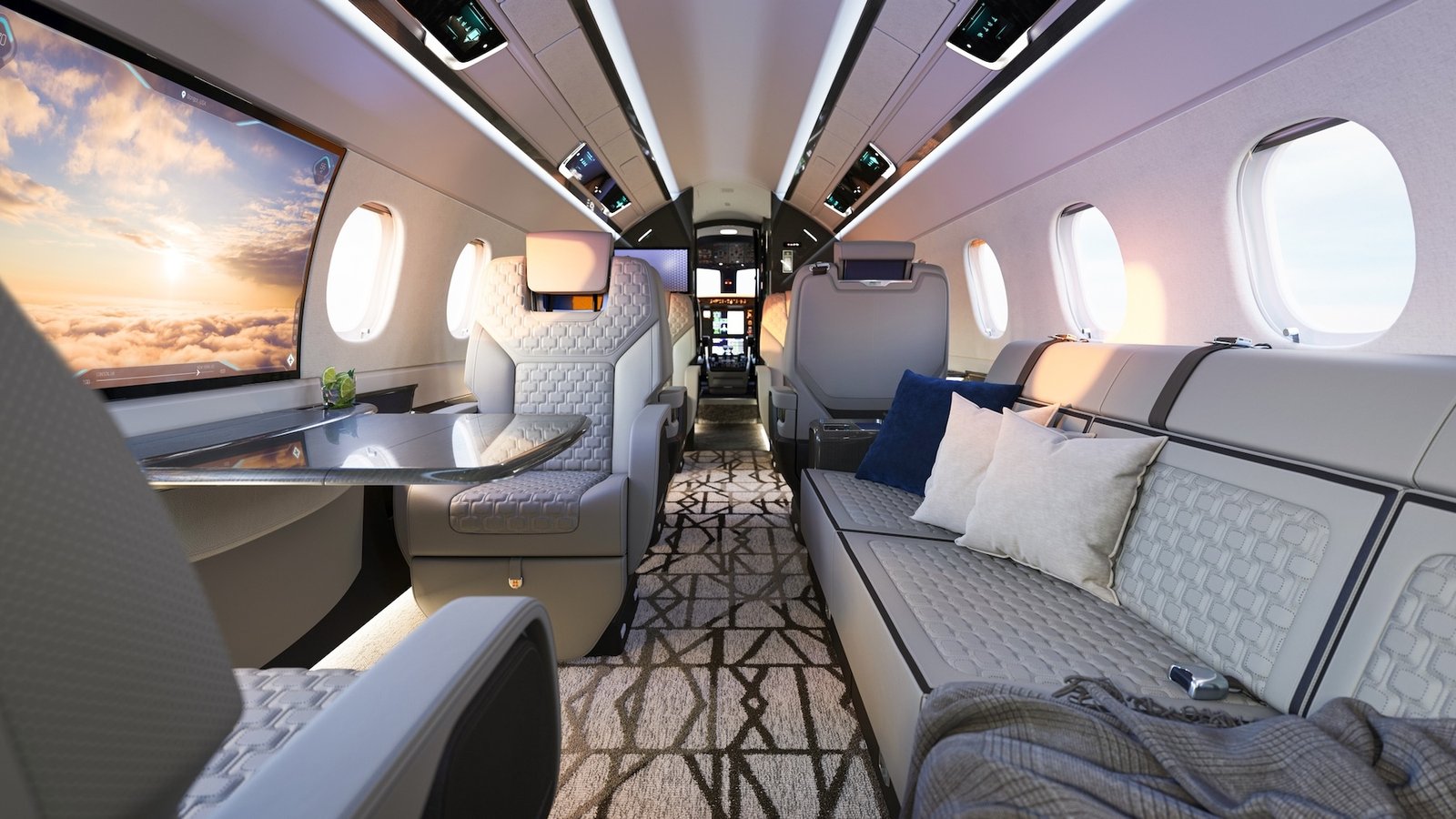
One of the defining features of the E175 is its spacious and passenger-friendly cabin, which stands out among regional jets. The aircraft features a double-bubble fuselage design, which maximises interior space while maintaining aerodynamic efficiency. The cabin is configured in a 2-2 seating arrangement, eliminating the middle seat and ensuring every passenger enjoys either an aisle or window seat. The cabin height of 2 metres and width of 2.74 metres provide a more open and comfortable feel compared to other regional aircraft in its category. Large windows enhance natural lighting, and the near-vertical sidewalls contribute to a more spacious atmosphere.
The seating options vary based on airline preferences, with many operators opting for a dual-class configuration that includes first-class, premium economy, and economy sections. First-class seats typically offer additional legroom, wider seats, and enhanced recline, making the E175 a preferred choice for premium regional travel. The aircraft is also designed to minimise cabin noise, utilising advanced soundproofing materials that significantly reduce in-flight disturbances, creating a quieter and more relaxing environment.
In terms of cargo, the E175 features two underfloor cargo compartments, providing a total volume of 17.12 cubic metres. This capacity ensures efficient baggage handling and quick turnaround times, which are crucial for high-frequency regional operations. The cargo holds are designed to accommodate standard airline baggage units, allowing for seamless operations without the need for specialised loading equipment.
Technology (Engines & Avionics)
The jet is powered by two General Electric CF34-8E turbofan engines, which are renowned for their reliability, fuel efficiency, and low noise emissions. Each engine generates up to 14,200 pounds of thrust, providing the aircraft with ample power for take-off, climb, and cruise phases. These engines incorporate advanced fuel combustion technology, reducing both fuel consumption and carbon emissions, making the E175 an environmentally conscious choice for airlines aiming to enhance sustainability while maintaining profitability. The CF34-8E’s high-bypass ratio ensures quieter operations, a critical factor for airlines operating from noise-sensitive regional airports.
The aircraft is equipped with a fly-by-wire flight control system, which enhances aircraft stability and reduces pilot workload by providing automated adjustments based on flight conditions. This system not only improves safety but also contributes to fuel efficiency by optimising aerodynamic performance. The cockpit features an Electronic Instrument System (EIS) with multifunction displays, allowing pilots to access critical flight information with ease. The avionics suite includes a primary flight display, navigation systems, and an advanced flight management system, all of which enhance situational awareness and operational reliability. Another significant advantage is the aircraft’s 86 per cent parts commonality with other E-Jet family aircraft, allowing airlines to reduce maintenance costs and streamline fleet management. This commonality ensures that operators with multiple E-Jet variants can benefit from simplified training programs, shared spare parts inventory, and optimised maintenance schedules.
Performance
The E175 delivers an impressive balance of range, speed, and fuel efficiency, making it an ideal aircraft for short- and medium-haul regional routes. It boasts a maximum cruise speed of Mach 0.82, allowing for competitive sector times that are comparable to larger narrow-body aircraft. The maximum range varies across different configurations, with the Standard (STD) variant offering 3,151 km, the Long Range (LR) variant extending up to 3,521 km, and the Advanced Range (AR) model reaching 3,706 km. This flexibility allows airlines to operate the aircraft on a variety of routes, including short transcontinental flights and extended regional operations.
The aircraft’s take-off distance of 1,261 metres and landing distance of 1,259 metres enable it to operate from smaller regional airports, making it a valuable asset for airlines serving less accessible destinations. Its service ceiling of 41,000 feet allows it to cruise at high altitudes, reducing air traffic congestion and enhancing fuel efficiency. Its turn radius of 18.04 metres ensures excellent manoeuvrability, allowing it to operate at airports with space constraints or limited taxiway infrastructure.
Specifications
| Feature | Specification |
| Seating Capacity | 78-88 passengers |
| Engines | 2 × General Electric CF34-8E |
| Maximum Thrust | 14,200 lbf per engine |
| Cruise Speed | Mach 0.82 |
| Range | 3,151 km (STD) / 3,521 km (LR) / 3,706 km (AR) |
| Service Ceiling | 41,000 ft |
| Take-off Distance | 1,261m |
| Landing Distance | 1,259m |
| Cargo Capacity | 17.12m³ (combined forward & aft compartments) |
| Cabin Width | 2.74m |
| Cabin Height | 2m |
Takeaways
The Embraer E175 remains one of the most successful and widely used regional jets. Its spacious cabin design, featuring a 2-2 seating arrangement with no middle seats, enhances passenger experience, making it an attractive option for regional and feeder flights. The aircraft’s powerful yet fuel-efficient General Electric CF34-8E engines contribute to lower operating costs, reduced emissions, and enhanced take-off performance, allowing airlines to serve a diverse range of airports, including those with shorter runways. Advanced fly-by-wire technology and an intuitive avionics suite improve pilot control and safety, while the high degree of parts commonality across the E-Jet family ensures reduced maintenance expenses and increased fleet optimisation.
Its versatile range capabilities, with options extending beyond 3,700 km, allow the aircraft to operate on a variety of regional, transcontinental, and even international routes. With over 800 units in service, it has proven its durability, adaptability, and cost-effectiveness, securing its place as a cornerstone of regional aviation. Whether in North America, Europe, or emerging markets, the E175 continues to play a crucial role in strengthening airline connectivity and enhancing passenger convenience.