








Deutsche Aircraft at Wings India 2026: Why India Matters to the D328eco Programme

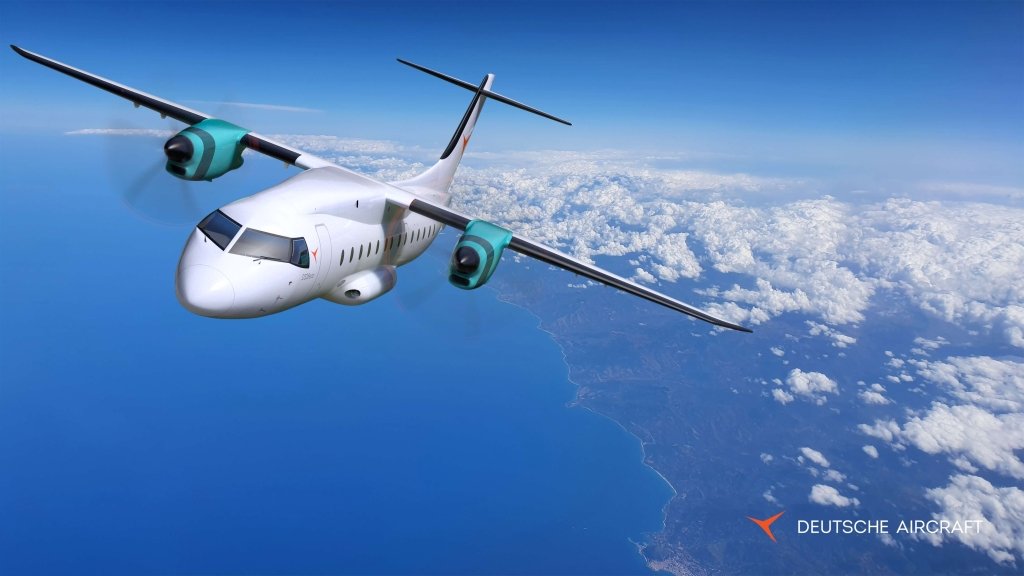
Photo: Deutsche Aircraft
When Wings India 2026 opens in Hyderabad from 28–31 January, it will do so against a backdrop of changing priorities in Indian aviation. The conversation has moved beyond headline fleet orders and airport counts toward more practical questions—how regional connectivity can be sustained over time, how supply chains are anchored, and how operating models mature beyond selective routes and initial trial phases.
It is within this context that Deutsche Aircraft’s participation at Wings India 2026—Hall C, Stall 46–47C—assumes relevance. Rather than positioning the D328eco as a future-facing concept, the company is expected to leverage the event to underline how India already forms part of the programme’s industrial and supply-chain framework, and how regional aircraft economics are becoming increasingly central to India’s next phase of aviation growth.
Regional connectivity: the gap is no longer demand, but aircraft fit
India is now the world’s third-largest domestic aviation market, yet regional traffic remains structurally concentrated. Despite a steady increase in the number of operational airports, a disproportionate share of turboprop traffic continues to flow through a limited set of major hubs. This reflects a long-standing mismatch: demand exists beyond metros, but aligning aircraft size, performance margins, and operating economics with diverse regional conditions has remained challenging.
Wings India 2026 arrives at a point where this imbalance is harder to overlook. Regional routes are no longer peripheral experiments; they are increasingly tied to network resilience, political commitments around connectivity, and airline fleet planning. At the same time, operators have had to work within the constraints of existing fleet mixes—often balancing larger aircraft that are less efficient on short or performance-limited runways with smaller platforms whose operational envelopes were shaped for different markets and conditions.
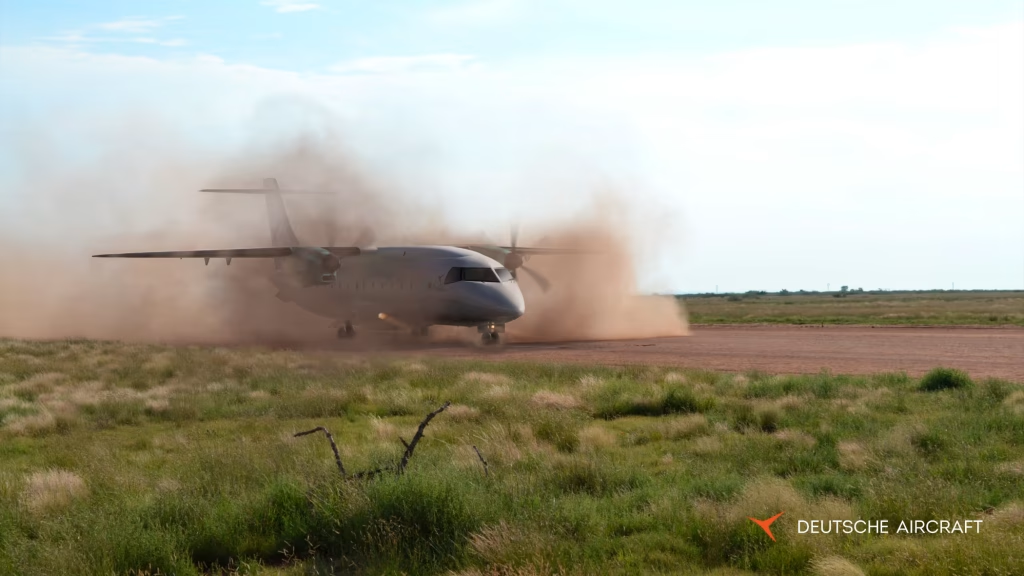
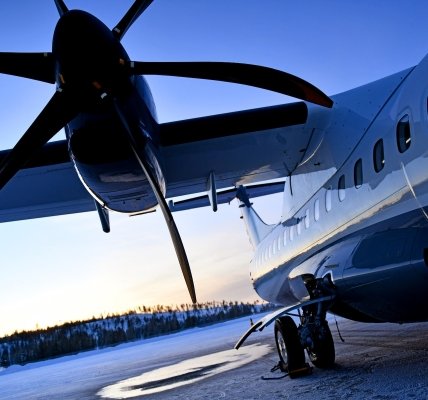
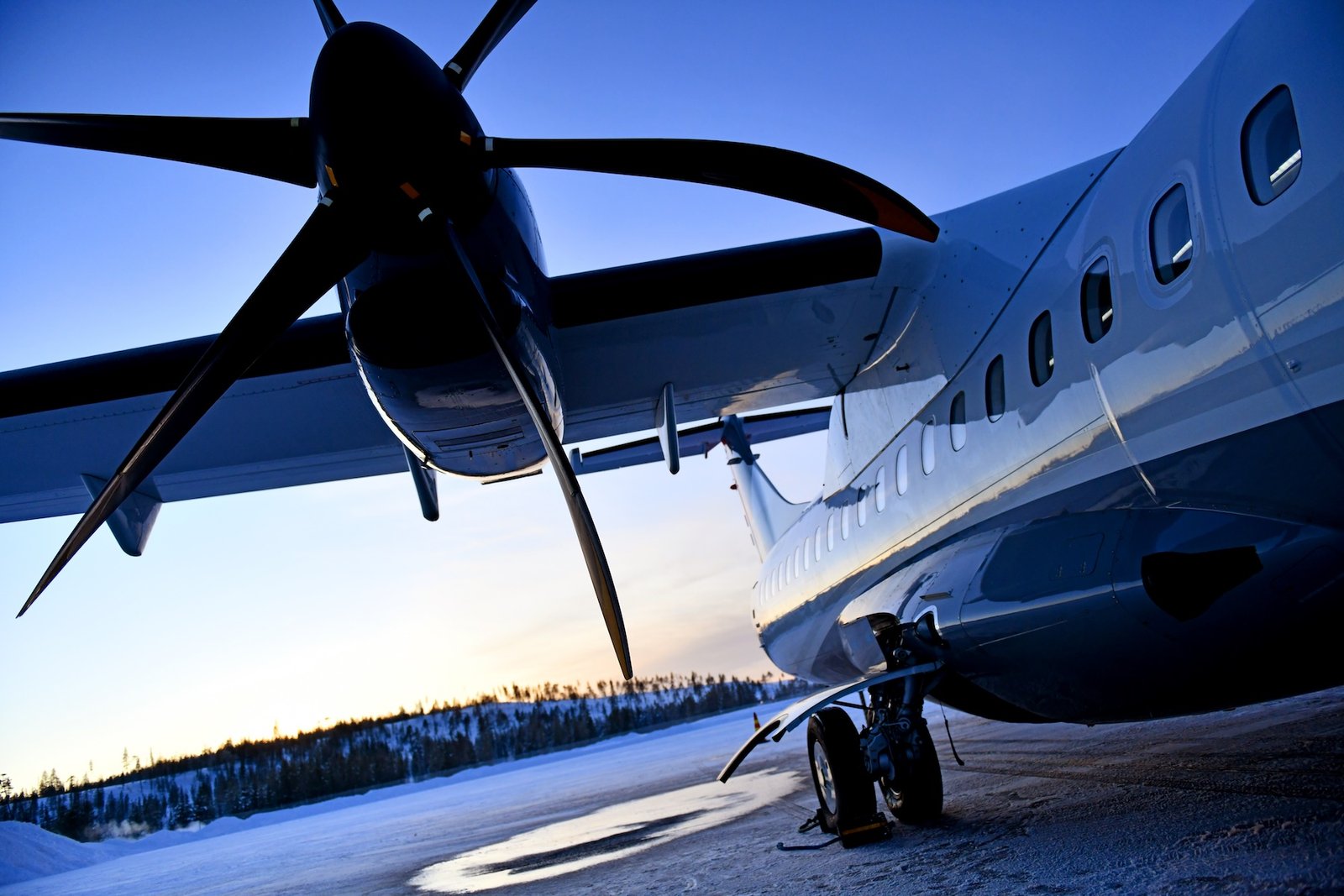
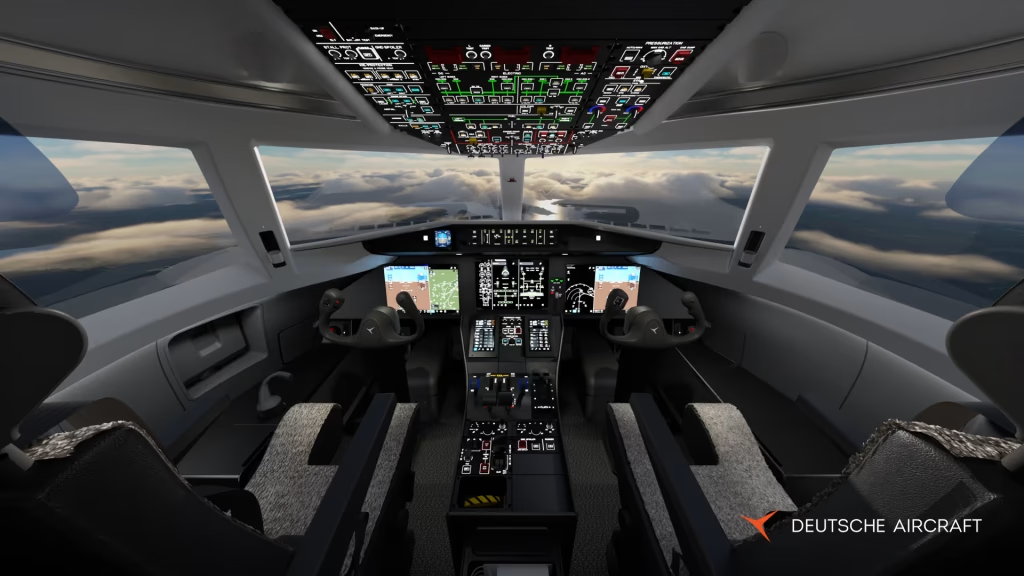
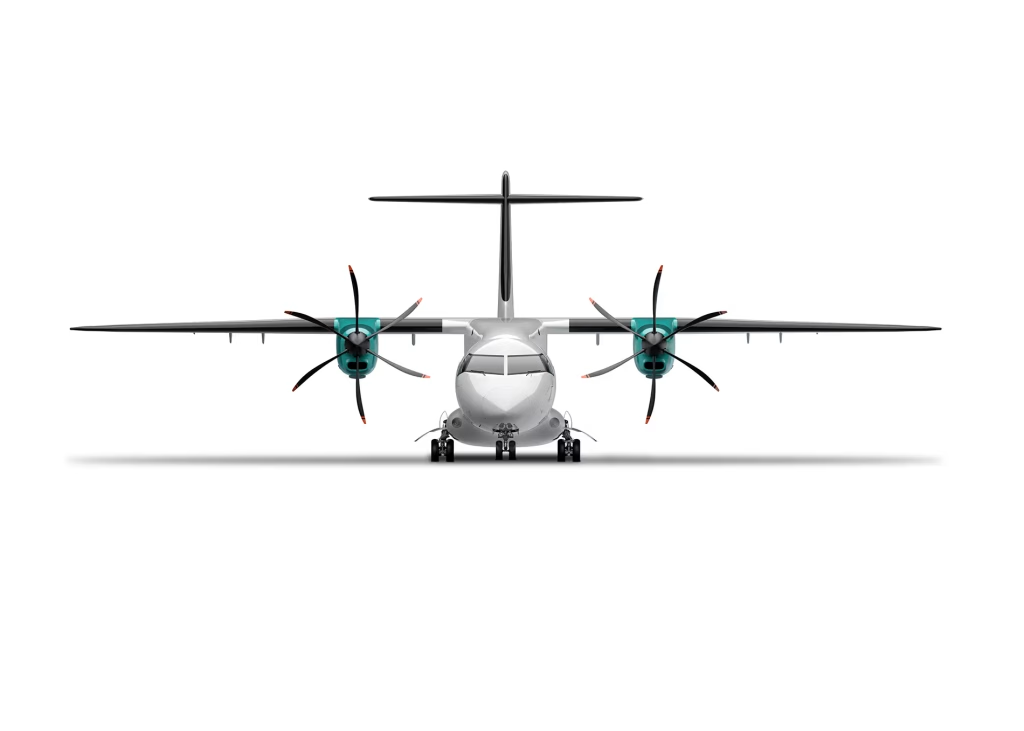
The D328eco is positioned within this context. Designed as a 40-seat turboprop with short take-off and landing capability, steep-approach performance, and a modern systems architecture, the aircraft is aimed at operating environments that have historically limited sustained connectivity—across high-altitude regions, challenging terrain, and airports with infrastructure or performance constraints. In doing so, it addresses a long-standing gap in India’s regional aviation framework: limited availability of sub-50-seat, pressurised aircraft intended for consistent, year-round operations with viable economics.
From participation to integration: India’s role in the D328eco programme
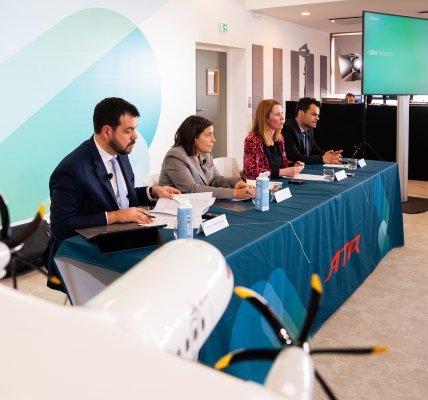
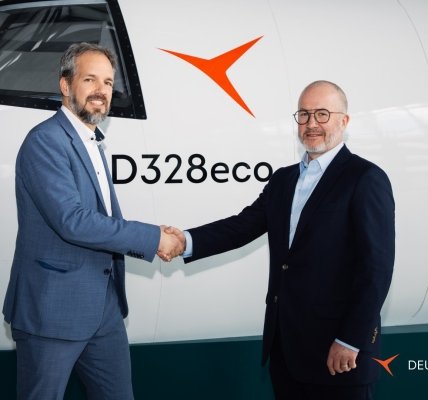
Deutsche Aircraft’s presence at Wings India 2026 is also closely linked to India’s expanding role in the D328eco’s industrial roadmap. In 2025, the programme reached a notable milestone with the inauguration of the rear-fuselage assembly line in Bengaluru in partnership with Dynamatic Technologies, signalling a move from supplier engagement toward deeper programme-level integration.
Beyond this, Indian participation in the D328eco programme extends across multiple tiers of the supply chain. Engineering and digital design support from Cyient, alongside electrical interconnection systems and aerospace-grade manufacturing inputs from SASMOS HET Technologies, reflect a broader pattern of Indian companies contributing across structures, systems, and engineering domains. These engagements illustrate a shift toward sustained programme involvement, rather than isolated work packages tied to individual components.
This trajectory aligns with one of the central themes expected at Wings India 2026: the transition from “Make in India” as a policy objective to long-term participation in global aerospace value chains. For Deutsche Aircraft, India is being approached not as a peripheral sourcing base, but as an industrial partner supporting serial production, advanced manufacturing capabilities, and systems integration for a European-built aircraft.
Beyond manufacturing, attention is also turning toward ecosystem readiness. As regional fleets grow, so does the need for aligned capabilities in pilot training, technician skill development, and, over time, localised maintenance and support. While such elements typically evolve alongside fleet induction, their early consideration reflects a broader intent to avoid aircraft introduction without the surrounding infrastructure required to sustain operations efficiently.
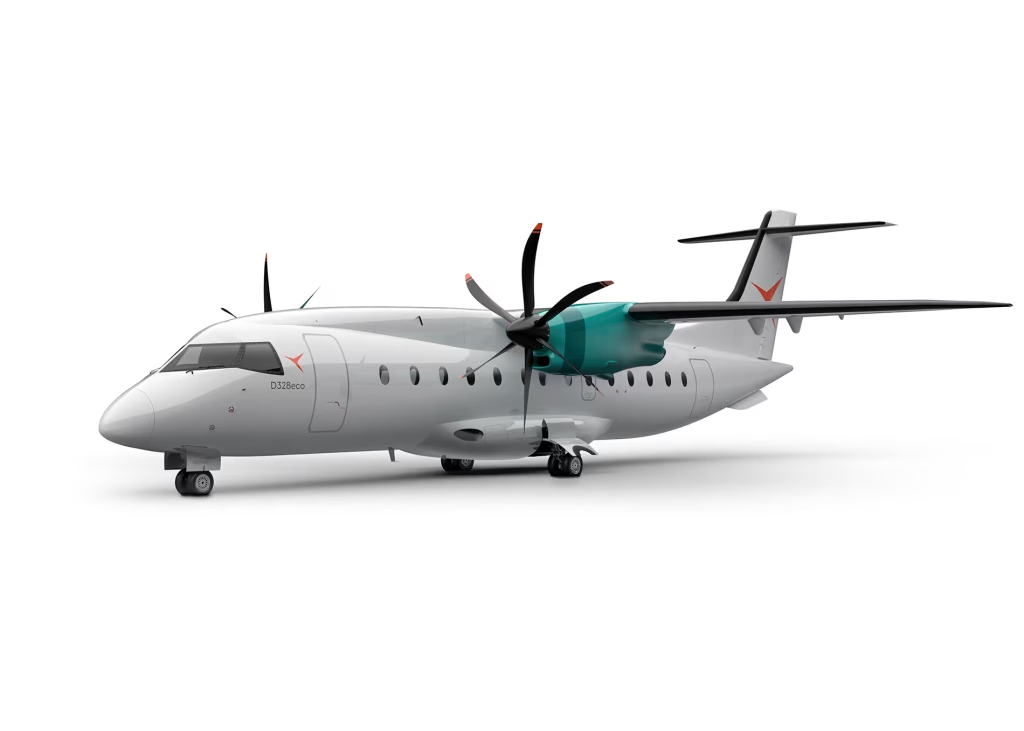
Sustainability forms another important strand of the conversation at Wings India 2026. The D328eco is being developed with compatibility for 100% Sustainable Aviation Fuel, including Power-to-Liquid pathways, alongside reduced fuel burn and lower noise footprints compared with earlier-generation regional aircraft. For India, where short-haul sectors account for a significant share of domestic flying, modern turboprops represent one of the most immediate avenues for emissions reduction without waiting for disruptive propulsion technologies to mature.
As India’s aviation sector moves from rapid expansion toward consolidation and depth, the role of regional aircraft is being reassessed. Platforms that combine operational flexibility with modern sustainability standards are increasingly viewed as long-term enablers rather than transitional assets. Wings India 2026 provides the forum for that reassessment—and for Deutsche Aircraft, the event offers an opportunity to position the D328eco as a programme already shaped by, and increasingly aligned with, India’s aviation and industrial trajectory.
Also Read: Wings of Opportunity: Deutsche Aircraft Puts India at the Centre of Its D328eco Play