



















Table of contents
Dash 8-400
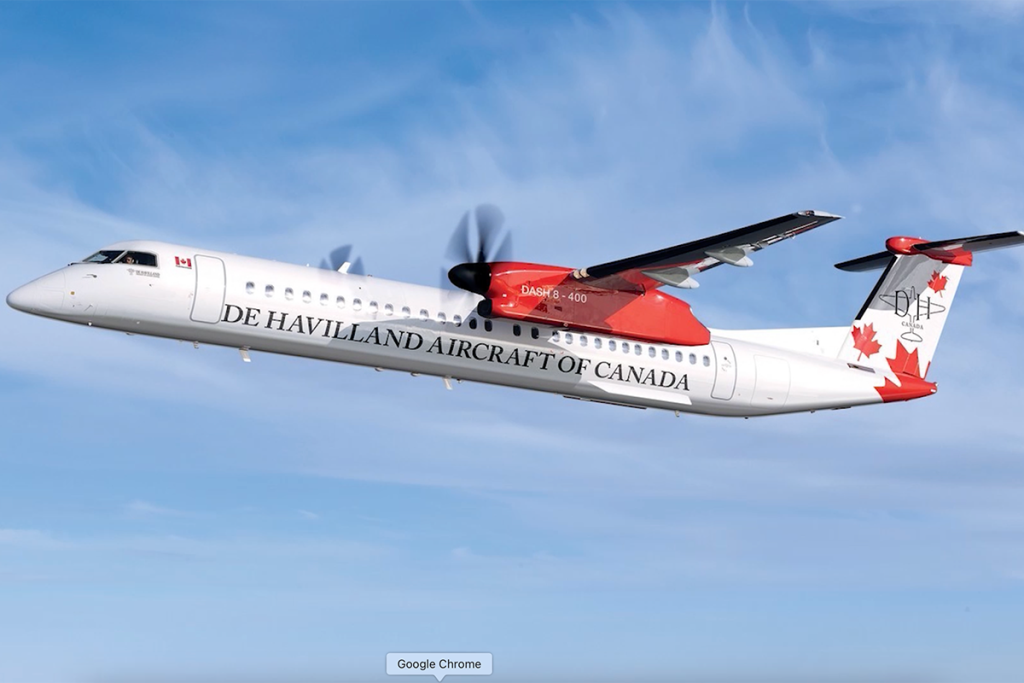
The Dash 8-400, originally developed by Bombardier and now produced by De Havilland Canada, is a regional turboprop aircraft that excels in high-frequency short-haul operations. Designed for efficiency and flexibility, the Dash 8-400 offers remarkable speed, operational cost-effectiveness, and adaptability, making it a key asset for regional airlines worldwide. This aircraft is particularly valued for its ability to operate in challenging environments, including airports with shorter runways and extreme weather conditions.
First introduced in 1999, the Dash 8-400 is the most advanced member of the Dash 8 family. It was marketed as the Bombardier Q400 before De Havilland Canada rebranded it as the Dash 8-400. The “Q” designation represents its advanced noise suppression capabilities, standing for “quiet.” This makes it a strong competitor to smaller regional jets in terms of passenger comfort while maintaining the cost advantages of a turboprop.
Its operational versatility, along with a focus on fuel efficiency and lower emissions, aligns well with the increasing demand for sustainable aviation solutions. The aircraft is capable of carrying between 68 and 90 passengers, depending on configuration, and boasts the fastest cruising speed in its class at 360 knots (667 km/h).
Dash 8-400: Cabin Experience
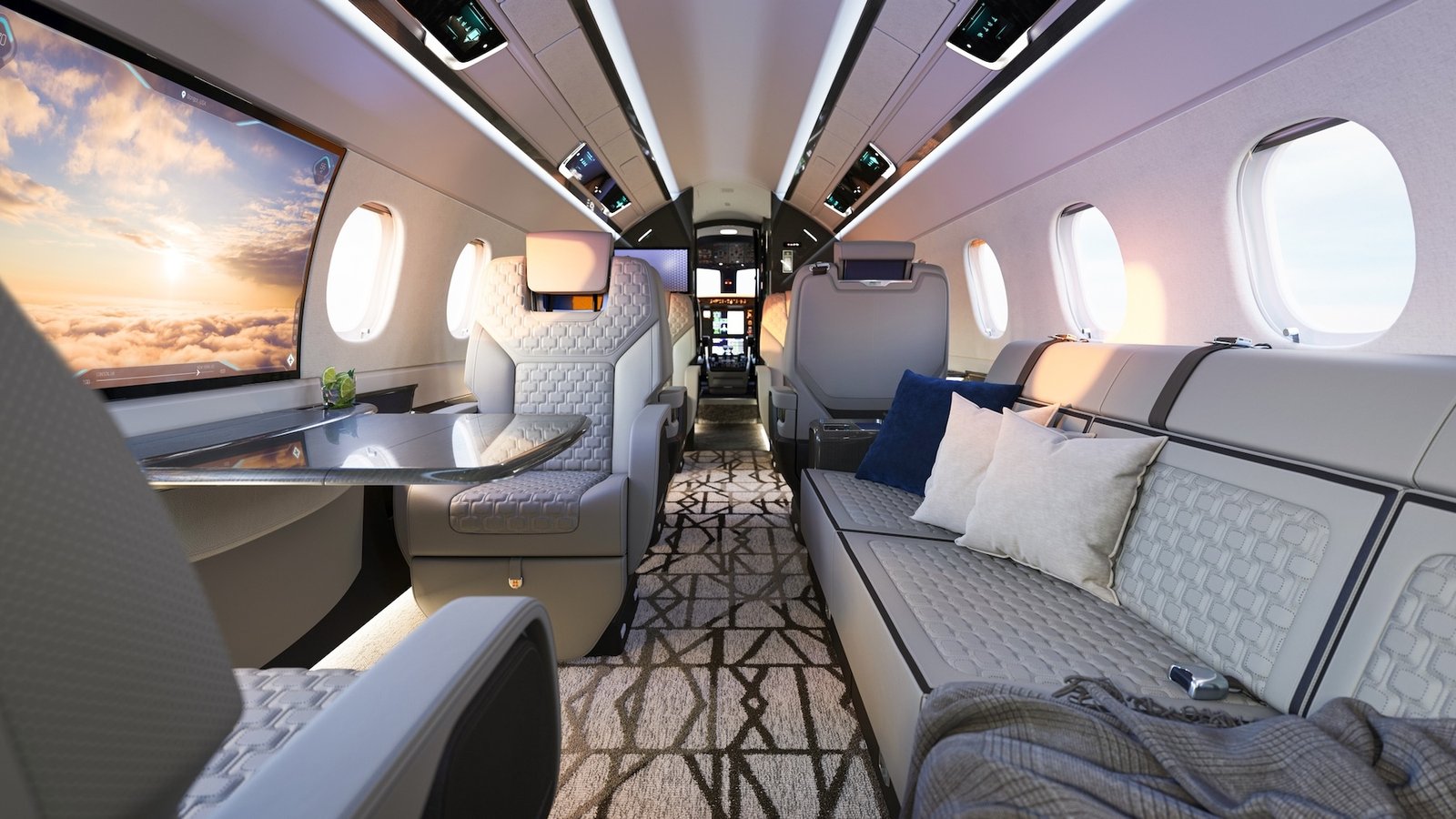
The Dash 8-400’s cabin is meticulously designed to enhance passenger comfort and operational adaptability. Equipped with Active Noise and Vibration Suppression (ANVS) technology, it minimises cabin noise, providing a quieter travel experience comparable to jets. This noise reduction is a significant advantage on regional routes, particularly for flights connecting smaller communities to major hubs.
The cabin offers flexible seating arrangements. The interior layout includes features like ergonomically designed seats, spacious overhead bins, and ample legroom. Additionally, large windows provide better natural lighting, contributing to a more pleasant passenger experience. The cabin’s spaciousness and low noise levels ensure that passengers experience comfort on par with regional jets, even on longer short-haul flights.
Dash 8-400: Technology (Engines and Avionics)
The Dash 8-400 is powered by two Pratt & Whitney Canada PW150A turboprop engines. These engines are renowned for their fuel efficiency and reliability, producing a combined 5,071 shaft horsepower. This allows the aircraft to achieve jet-like speeds while maintaining the fuel economy inherent to turboprops. Its Dowty R408 six-blade propellers are designed for optimal aerodynamic efficiency and reduced noise, further enhancing performance and environmental sustainability.
The avionics suite in the Dash 8-400 incorporates advanced technologies for safer and more efficient operations. The aircraft is equipped with dual Flight Management Systems (FMS), which support GPS and Area Navigation (RNAV) for precise routing. It also features sophisticated terrain awareness systems and advanced weather radar, which enhance situational awareness and operational safety. The integration of Required Navigation Performance (RNP) and Satellite-Based Augmentation Systems (SBAS) capabilities allows the Dash 8-400 to perform optimised flight paths, reducing fuel consumption and improving on-time performance.
Dash 8-400: Performance
The Dash 8-400 sets itself apart with exceptional performance tailored for regional routes. With a cruising speed of 360 knots, it is the fastest turboprop in its category, enabling airlines to maintain competitive schedules. It has a maximum range of 1,100 nautical miles (2,037 km), which allows operators to efficiently connect secondary cities and regional hubs.
One of the aircraft’s standout features is its Short Take-off and Landing (STOL) capability, which allows it to operate from airports with limited runway lengths, such as those in mountainous or remote regions. The rugged design of the Dash 8-400 ensures it can handle unpaved airstrips and withstand extreme operational environments, including tropical climates and high-altitude airports.
From an operational cost perspective, the Dash 8-400 is a highly economical choice. Its fuel consumption is up to 30 per cent lower than comparable regional jets, resulting in significant cost savings. This efficiency, coupled with its reliability and lower maintenance requirements, makes it a highly profitable aircraft for airlines operating on regional routes.
Dash 8-400: Specifications
| Category | Details |
|---|---|
| Length | 107 ft 9 in (32.8 m) |
| Wingspan | 93 ft 3 in (28.4 m) |
| Height | 27 ft 5 in (8.3 m) |
| Engines | 2 × Pratt & Whitney Canada PW150A |
| Maximum Speed | 360 ktas (667 km/h) |
| Range | 1,100 nm (2,037 km) |
| Passenger Capacity | 68–90 |
| Takeoff Distance | 4,675 ft (1,425 m) |
| Landing Distance | 4,245 ft (1,294 m) |
Takeaways
The Dash 8-400 exemplifies a well-balanced solution for regional aviation, combining efficiency, reliability, and performance. Its unique ability to operate from shorter runways and rugged conditions has made it a favourite for regional airlines serving challenging routes. The aircraft’s advanced noise suppression technology enhances passenger comfort, while its efficient fuel consumption significantly reduces operating costs and environmental impact.
Its operational versatility extends to a wide range of climates and terrains, making it suitable for regions with varying infrastructural and environmental challenges. As the aviation industry increasingly focuses on sustainability, the Dash 8-400 remains an attractive option for airlines looking to meet environmental goals without compromising performance.
The Dash 8-400 continues to play a crucial role in regional aviation by bridging smaller cities and major hubs with cost-effective and reliable service, solidifying its position as a cornerstone in the turboprop market.