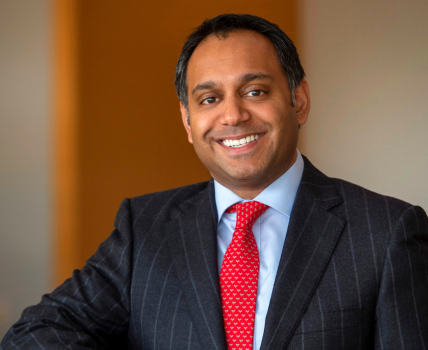


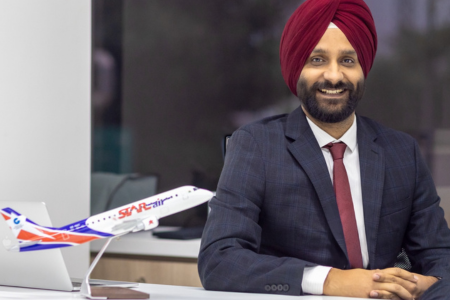









Universal Vulkaan Aviation focuses on positioning itself as a trusted partner for operators in India. Their goal is to simplify the entire aircraft buying process, from selecting the right machine to ensuring seamless MRO services and delivering tailored, end-to-end solutions for a rapidly growing market, shares Karan Sethi, Sales Director, Universal Vulkaan Aviation Pte Ltd.
How is Universal Vulkaan Aviation adapting to the rising demand for VIP travel, religious tourism, and HEMS in India?
We aim to position ourselves as a partner for operators in VIP travel, religious tourism, and EMS sectors. We strive to simplify the entire aircraft buying process—identifying the right machine, collaborating to meet specific needs, ensuring timely delivery, and supporting MRO services. From the decision to buy to ongoing operations, we offer seamless support, unlike the current unorganized market. As official distributors with OEM partnerships, we provide flexibility and streamline the process, ensuring operators get exactly what they need, not just what’s available.
Is Leonardo (Agusta Westland) the only OEM you are partnered with, or will others be part of your growth plan?
Yes, in India, we’ve strategically chosen to partner exclusively with Agusta Westland. We’ve worked with them globally for over 20 years, covering regions like the UK and Turkey and expanding into Africa and Saudi Arabia. While we’ve previously collaborated with Airbus and Bell, we saw a significant gap in India’s civil market, particularly for VIP travel and EMS. Agusta’s helicopters are ideal for this sector, and aligning with them in India was a strategic decision to fill that gap effectively.
When you say “complete end-to-end solution,” does that include MRO services? How will you handle this operationally for smaller numbers?
Absolutely, you’re right. Offering full MRO services for small numbers isn’t financially feasible, and we don’t want to overextend ourselves. Our current focus is on growing the fleet size in India, which stands at about 250 machines, and we aim to increase that to around 750, similar to Brazil.
For now, we’ve partnered with existing MRO providers like OSS, Indocopter, Indamar, and Airworks. We’re also working on financing solutions through partnerships like SIDBI and exploring options in GIFT CITY. In future, we plan to establish a training academy to address the need for more trained pilots and engineers in India. After that, we’ll consider our own MRO facilities if third parties don’t meet our service standards. This phased approach allows us to ensure quality and scale sustainably.
Can you explain Universal Vulkaan’s global operations and how you plan to leverage that experience in the Indian market?
That’s an excellent question, and it truly highlights what sets us apart from others in the distribution and brokerage market. Vulkaan began working with Leonardo, Airbus, and Bell nearly 20 years ago, starting in Turkey. Over time, we built a full-service operation, including distribution and MRO. From there, we expanded into the UK and other markets. Two years ago, we identified India as a key opportunity.
India, however, is a market that requires patience. It’s not a quick process—you need to align with the right partners, identify the right clientele, and grow steadily. Unlike fly-by-night operators who make a quick sale and leave, our global experience allows us to leverage our network to offer solutions that purely local companies can’t. For example, India is a big market for pre-owned machines. If I were only an India-based distributor, I’d be limited to selling new machines. But leveraging a global network, I can access and then offer pre-owned solutions, such as trading a machine sold in the UK 5 years ago to meet an Indian client’s needs. This flexibility works both ways—if an Indian client wants to trade a 15-year-old machine, I can find a market for it elsewhere.
Additionally, Our global network and coverage also has allowed for exclusive partnerships with third party providers in the ecosystem, like Pratt and Whitney, and GSSI, and we can pass on the benefits of our partnerships to our clients. This is especially beneficial in markets like India, where brokers usually provide the machines but no operational support.
Lastly, the global perspective we bring is vital. While I’m Indian, my experience has largely been in the European and American markets, so we can offer insights from other markets, like how Brazil grew from 200 to 700+ machines. We can apply those lessons to India, whether it’s expanding use cases, building pilot and training communities, or offering better financing solutions. This blend of global knowledge and local focus is something no other distributor in India currently offers, even at the OEM level.
How does the pre-owned helicopter market fit into your growth strategy in India, and how does its demand compare to new helicopters across various sectors?
It depends on the use case. Pre-owned machines are ideal for cost-sensitive religious travel operators. These operators often look for lower leasing costs or machines with low initial capital expenditure. We’ve strategically sourced pre-owned helicopters with low hours—some as little as 60—which allows them to avoid the costly overhauls that typically come with older machines. This makes pre-owned helicopters perfect for this sector.
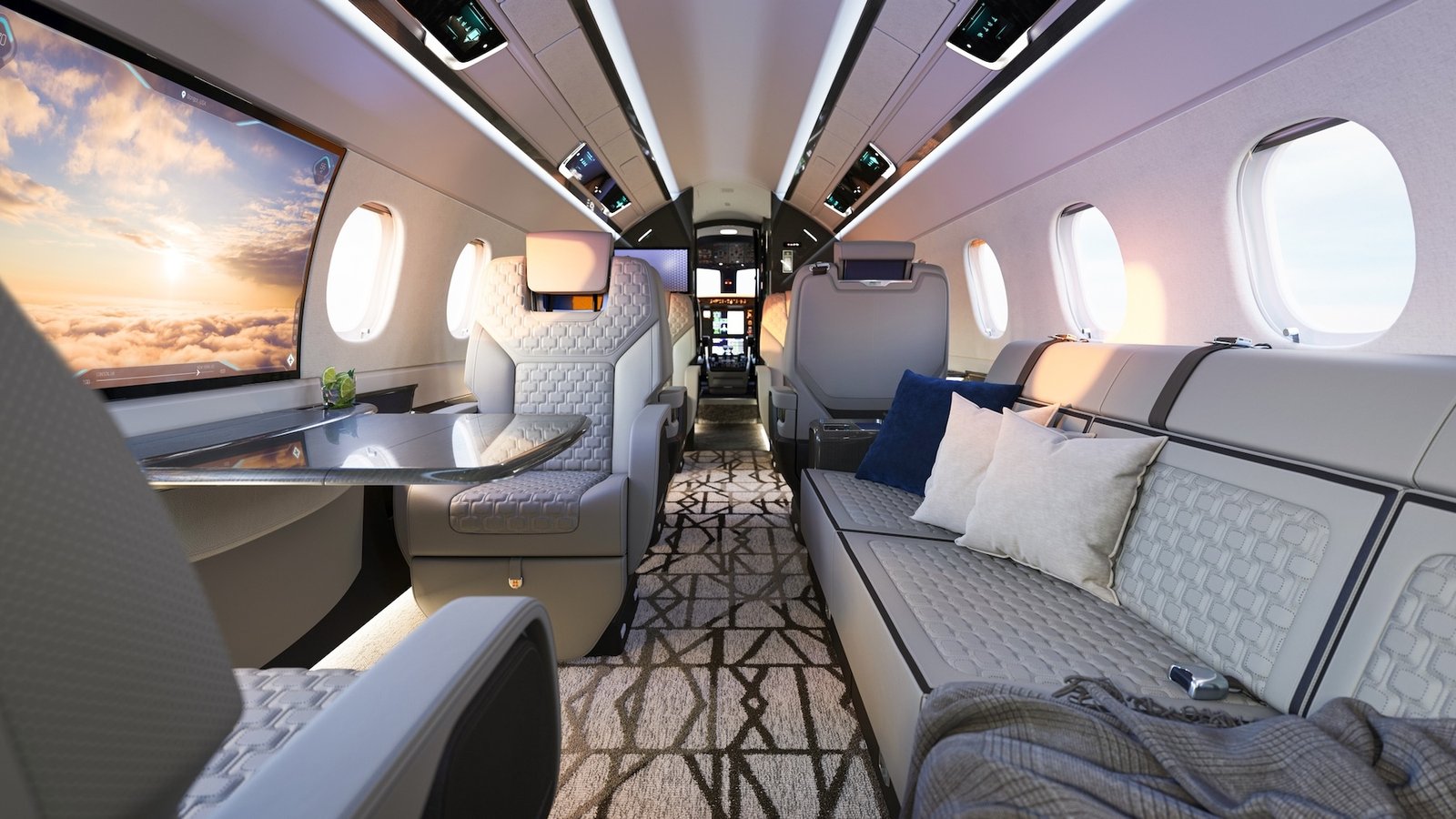
For VIP clients, new machines are the preferred choice. VIPs want something brand new and love customizing features like colour schemes, USB ports, and entertainment systems. The ability to personalize their helicopter is a major selling point for them.
Corporate clients are more flexible and open to both new and pre-owned machines. We often offer a trade-in clause for them, allowing them to use a new helicopter for five to six years and then trade it in for value.
As distributors, we provide tailored solutions based on each client’s needs, unlike OEMs that offer fixed contracts and brokers who act as middlemen. We own all the pre-owned machines we offer, and this flexibility allows us to cater to different market segments effectively.
Are you open to customising existing helicopters to attract potential buyers?
Yes, we can certainly handle customisations, but it’s not our primary focus right now. As a distributor in India, we’re more focused on growing the number of machines in the market rather than refurbishing older ones. For example, a client with a 10-15-year-old Sikorsky wanted an upgrade, but the cost of customization was nearly the same as buying a pre-owned machine.
I usually advise clients that while pre-owned machines are great for specific use cases, constantly refurbishing old helicopters is not ideal for safety and value. It’s often better to trade in an older machine and opt for a pre-owned or leased one instead. So, while we can customise, we generally recommend more practical solutions for long-term ownership.
But Univeral Vulkaan Aviation has been refurbishing globally, though not on a large scale, correct?
I wouldn’t say we have been doing refurbishing globally. While we have the expertise—our board members have 30-40 years of experience in fixed and rotary wing operations—we usually advise against it. The cost of refurbishing often outweighs the benefits, and it’s rarely financially justified for a 10-year-old machine. Instead, we typically recommend new or pre-owned purchases. We’re not middlemen; every machine we sell, even pre-owned, is under our ownership before being sold.
Given the low demand, what key factors make India ready to introduce 30 helicopters over the next three years?
India’s economic growth, especially in infrastructure—new airports, roads, highways, and heliports—has created a strong foundation for expansion. Entrepreneurs now need quicker, more flexible travel options, and helicopters meet this demand better than fixed-wing aircraft, which are limited to airports. Many clients prefer a 40-minute helicopter flight to their factories over a two-hour drive, making helicopters a valuable tool for industrialization.
We’ve also seen a shift in buyer behaviour. Unlike before, the focus is no longer just on cutting costs but on understanding the value of the machine. Buyers now ask how an additional investment improves their helicopter rather than negotiating small savings. This change in mindset, driven by the country’s development, has made the market more receptive to higher-quality solutions. Five years ago, it was hard to break conversations away from just cost, but today, we’re encouraged by the evolving attitude, which supports our goal to grow the fleet in India.
What specific features of the AW09 make it a game changer for India’s single-engine market and well-suited to the country’s evolving market?
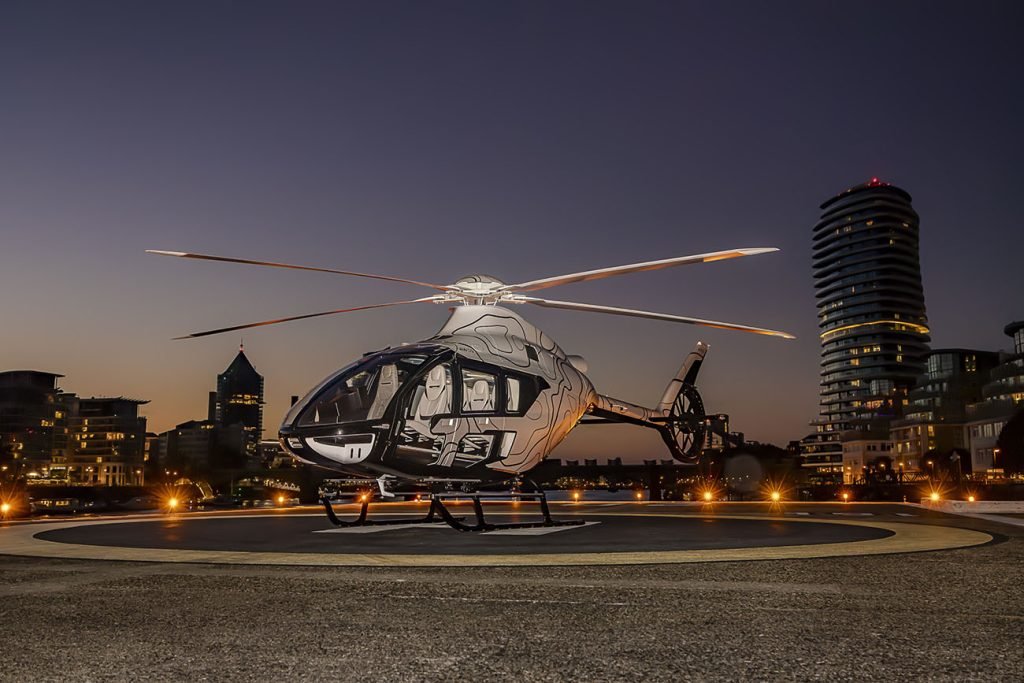
The single-engine market in India has been dominated by the Airbus H125, a reliable machine for tasks like religious travel and point-to-point trips. The AW09 builds on what made the H125 successful while adding Agusta’s signature luxury. Developed from an Airbus design and refined by Leonardo, the AW09 offers the same durability but with enhanced features.
It surpasses the H125 in key areas like speed and height while remaining at a similar price point to the H125 and H130. With the ability to carry eight passengers, the AW09 provides operators with a more profitable and versatile solution compared to the older models. This increased capacity, combined with a modern, sleek design, addresses a market gap for newer, more reliable machines. As the first new Agusta model in nearly 20 years, the AW09 truly transforms the market, offering operators and customers a superior alternative that boosts both fleet growth and customer confidence.
How will Vulkaan differentiate itself and stay competitive against established players like Airbus and Bell in the Indian market?
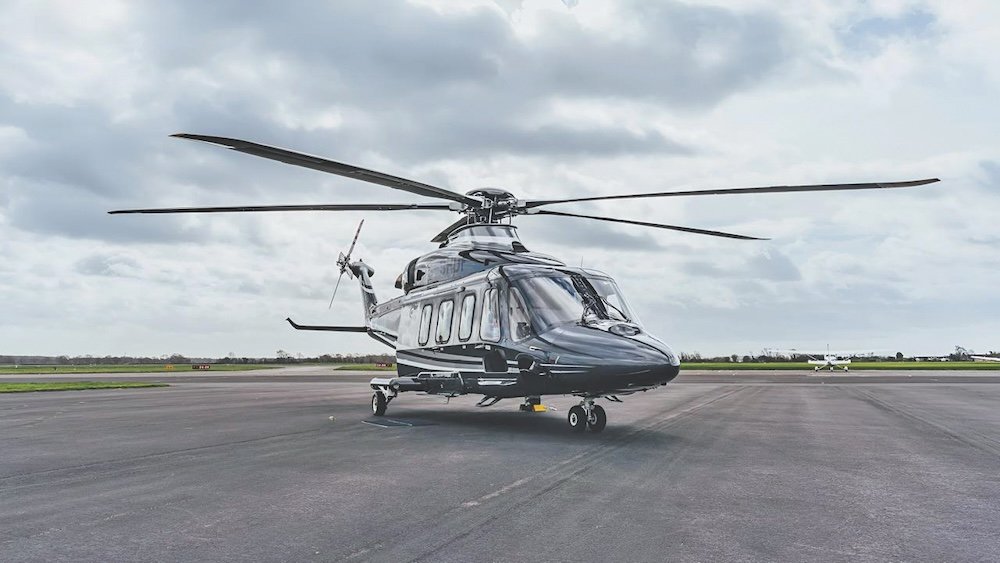
Our approach fundamentally differs from competitors like Airbus and Bell. Agusta helicopters, especially the AW09, focus on luxury, style, and feel, while Airbus emphasizes functionality. For example, Agusta is the global leader in the VIP space, with the AW139 being the most sold VIP helicopter worldwide. On the other hand, Airbus does not have a strong competitor in this luxury segment, and their H160 is still maturing in the market, focusing more on functionality than luxury.
Airbus has a solid presence in India, particularly in the single-engine market with the H125. However, our focus has been on the VIP and Corporate segment, where Agusta is a clear leader not only in India but also globally – Agusta’s 109 significantly outsells comparable models like Airbus’ 135 or Bell’s 429 globally and in India. In the large cabin space, models like the Agusta 169 and 139 have a more robust ecosystem compared to Airbus, especially for offshore and VIP use. The 139 is, in fact, the Number 1 selling helicopter for large cabin-size VIP machines.
Our strategy is not about pushing high volumes of machines, as Agusta has limited quantity of machines it sells per year. Instead, we focus on targeted sales, like selling the AW139 for VVIP clients or specific offshore/corporate use cases requiring a 12-15 seat passenger capability. We prioritize value over quantity, selling fewer machines but for specialized, high-value use cases and the right clientele.
There’s a clear differentiation between Agusta and Airbus/bell. Agusta helicopters excel in luxury, speed, and high-end use cases, while Airbus is more about payload and cost-efficiency. Our challenge is communicating this differentiation effectively to the market, which requires education and outreach through trade shows and collaborations. While both brands offer great products, they cater to different needs, and we emphasise that distinction when positioning Agusta in India.
Are you addressing regulatory challenges, like taxation, for importing pre-owned machines, and are you coordinating with authorities?
Currently, we are not focusing specifically on regulatory challenges. Most operators we work with have already figured out the regulatory aspects and come to us ready to acquire pre-owned machines. As long as everything is transparent and in order, we have not faced many issues in that area. The main concerns we see are around financing, as many of the smaller operators don’t know how to find the best financing options in the market. Fortunately, the Indian government has taken the lead in assisting the growth of the ecosystem, including financing options through Govt banks, and hence, we see that problem also being solved in the near future.