






















Beechcraft Denali
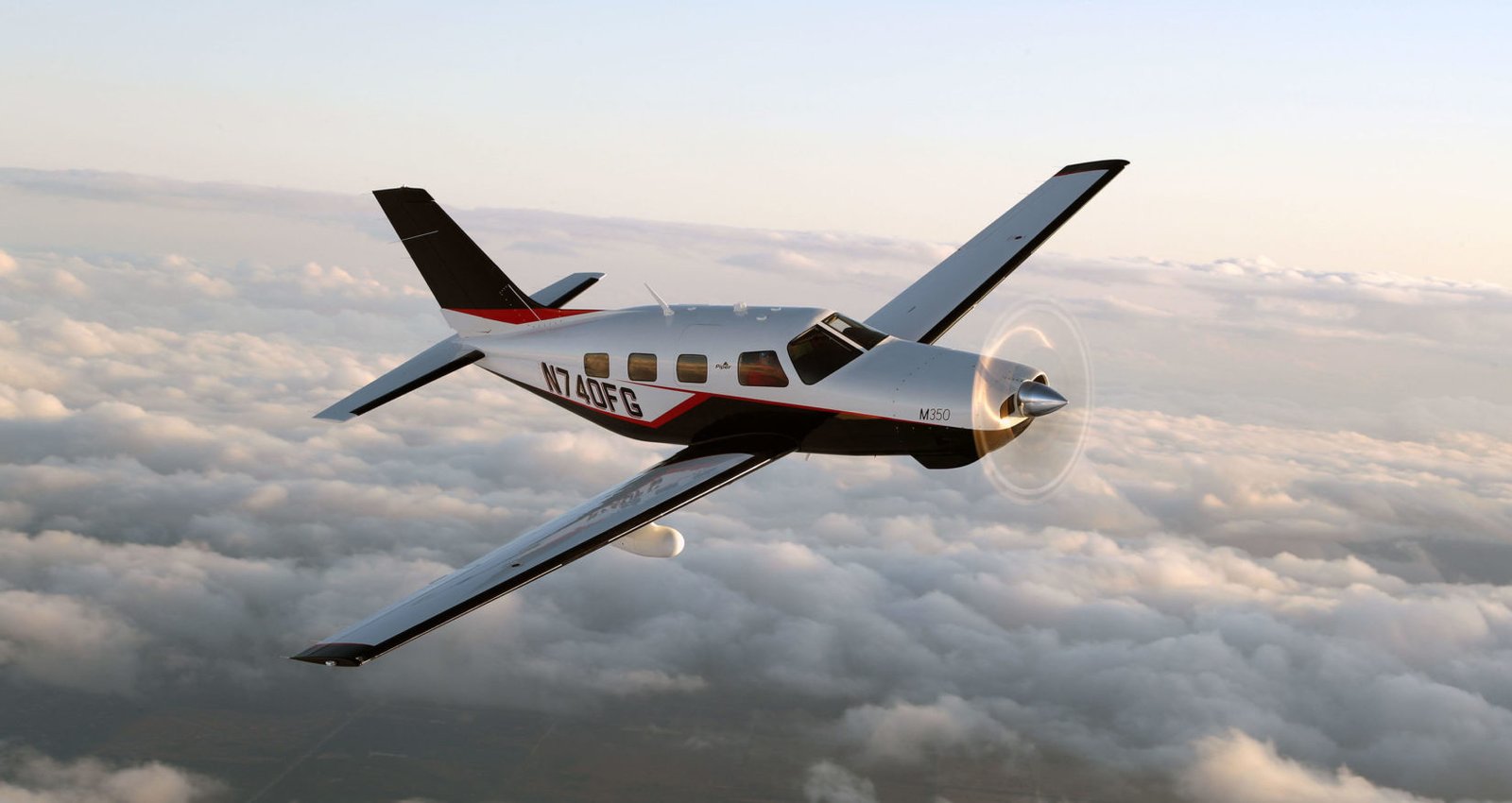
Beechcraft Denali turboprop is a game-changing aircraft engineered to excel in both commercial and private aviation sectors. The aircraft introduces a new standard of air travel to an area where turboprops have become a popular choice due to their suitability for smaller airports and diverse mission profiles.
Jackson Jet, a charter business, and Textron Aviation have a business relationship centred on Jackson Jet’s use of Textron Aviation’s aircraft including the Cessna Citation jets and the Beechcraft Denali turboprop, into its fleet. Textron Aviation provides extensive training and support to Jackson Jet’s pilots and maintenance crew. This support ensures that the aircraft are operated safely and maintained effectively. Jackson Jet leverages the advanced features of Textron Aviation’s aircraft to differentiate itself in the competitive charter business market.
Cabin Experience
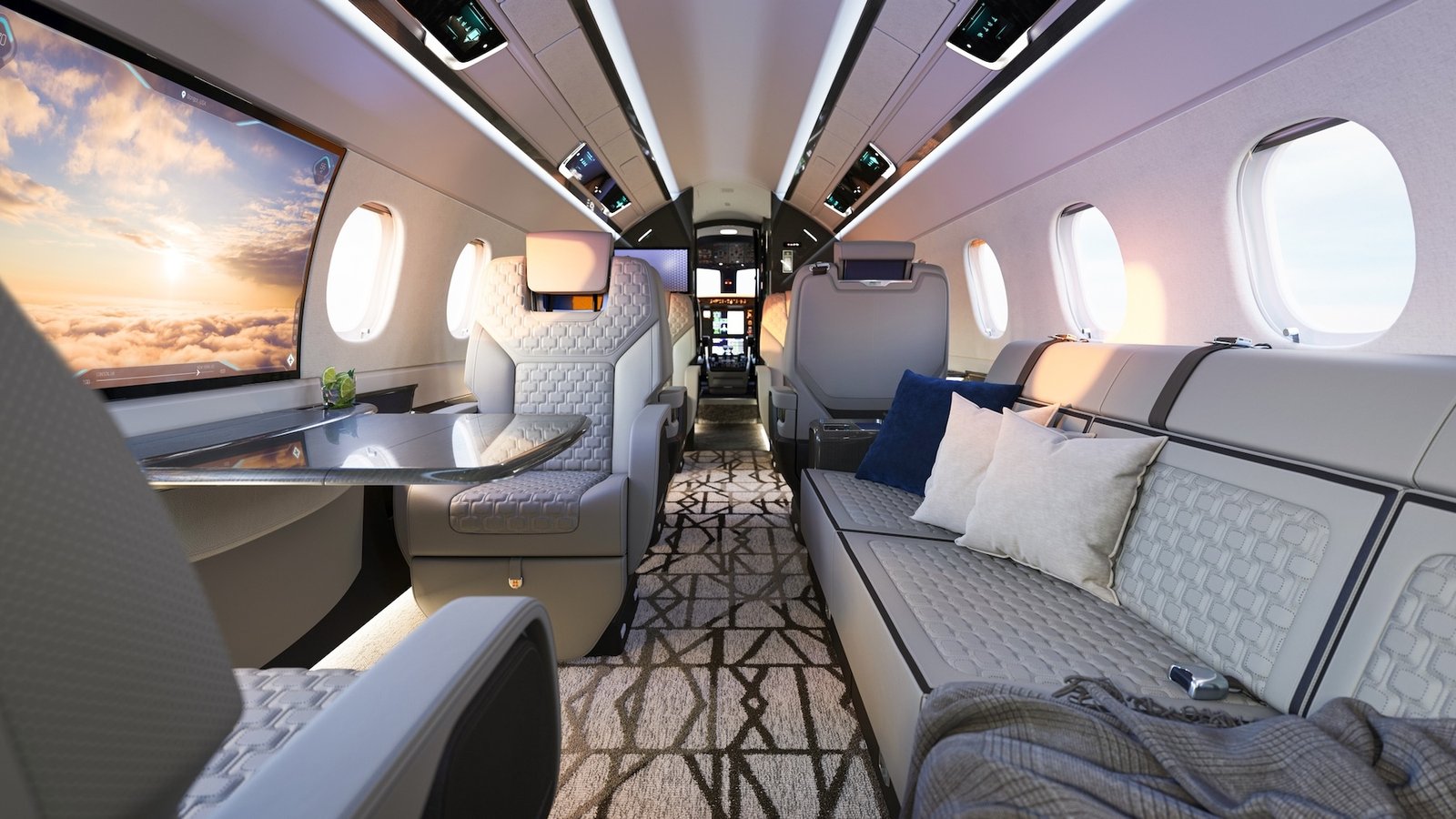
The cabin of Beechcraft Denali is designed with a focus on comfort, functionality, and versatility. It boasts a well-thought-out interior configuration that can be tailored to various needs. The aircraft offers two main cabin layouts: a luxurious six-seat executive configuration and a more utilitarian nine-seat commuter arrangement. This flexibility allows operators to customise the aircraft based on mission requirements and passenger preferences.
One of the standout features of Denali’s cabin is the refreshment centre, which provides passengers with convenient storage for snacks and beverages during their flight. This addition enhances the overall travel experience, catering to both business and leisure travellers. The aircraft also includes an optional lavatory, which can be easily removed to increase cargo space when needed. This adaptability is particularly useful for missions requiring the transport of larger or heavier cargo.
The cabin is equipped with modern amenities such as USB charging ports, which are strategically placed to allow passengers to keep their devices charged during the flight. Denali’s cabin design also provides more head and shoulder room compared to many of its competitors. This thoughtful design makes the Denali not only a practical choice for various flight operations but also an appealing option for long-haul journeys.
Technology (Engine and Avionics)
Beechcraft Denali is powered by the state-of-the-art GE Aerospace Catalyst engine, which represents a significant advancement in turboprop technology. The Catalyst engine is designed with advanced features such as dual-channel FADEC (Full Authority Digital Engine Control) system, which simplifies power management and optimises engine performance. This system allows for precise control of engine and propeller settings, providing a jet-like flying experience in a turboprop aircraft.
Denali’s flight deck is equipped with the latest Garmin G3000 avionics system, which includes touchscreen controls and optional wireless connectivity. The G3000 suite offers a range of advanced features, including Garmin’s integrated autothrottle and Emergency Autoland system. The autothrottle system automatically adjusts engine power to maintain optimal performance, while the Emergency Autoland system allows the aircraft to autonomously navigate to the nearest airport if the pilot is incapacitated. These technologies enhance safety and ease of operation.
Denali’s cockpit also features Synthetic Vision Technology, which provides pilots with a clear and comprehensive view of the aircraft’s surroundings. This system enhances situational awareness, allowing pilots to make more informed decisions during flight. Additionally, the aircraft is equipped with weather avoidance radar, a terrain avoidance warning system (TAWS-B), and a traffic collision avoidance system (TCAS I).
Performance
The Beechcraft Denali delivers impressive performance metrics, setting a new standard for single-engine turboprop aircraft. The Catalyst engine ensures high efficiency and reliability, incorporating advanced materials and technologies to optimize performance. With a maximum cruise speed of 285 knots (528 km/h), Denali is capable of covering long distances quickly and efficiently. It offers a range of 1,600 nautical miles (2,963 km) with four passengers, making it suitable for a wide range of missions.
Denali’s takeoff distance is 2,900 feet (884 meters), allowing it to operate from shorter runways and access more remote airports. Its maximum operating altitude of 31,000 feet (9,449 meters) provides ample clearance for high-altitude flights, enabling it to avoid weather disturbances and optimise fuel efficiency. The aircraft’s powerplant, the GE Aerospace Catalyst 1300-CS1A, delivers 1,300 shaft horsepower (969 kW), ensuring exceptional performance and operational versatility.
Specifications
Beechcraft Denali is equipped with a range of dimensions that highlight its capabilities and advanced features.
- Length: 48 feet 9 inches (14.9 meters)
- Height: 15 feet 2 inches (4.6 meters)
- Wingspan: 54 feet 3 inches (16.54 meters)
- Wing Area: 286 square feet (26.55 square meters)
- Wheelbase: 15 feet 1 inch (4.60 meters)
- Tread: 16 feet 6 inches (5.03 meters)
Cabin Interior:
- Height: 58 inches (1.5 meters)
- Width: 63 inches (1.60 meters)
- Length: 16 feet 9 inches (5.1 meters)
- Maximum Occupants: 11
Performance Metrics:
- Full Fuel Payload: 1,100 pounds (499 kilograms)
- Takeoff Distance: 2,900 feet (884 meters)
- Maximum Cruise Speed: 285 knots (528 km/h)
- Range with Four Passengers: 1,600 nautical miles (2,963 km)
- Maximum Operating Altitude: 31,000 feet (9,449 meters)
Powerplant:
- Manufacturer: GE Aerospace
- Model: Catalyst 1300-CS1A
- Power Rating: 1,300 shaft horsepower (969 kW)
- Propeller Manufacturer: McCauley
- Description: 5-blade composite, constant speed, fully reversing
Takeaways
Beechcraft Denali introduces several groundbreaking features and advancements that set it apart from other turboprop aircraft. One of the key innovations is its industry-leading diagnostic system, which includes both a Central Maintenance Computer (CMC) and a full-time data recorder (AReS). These systems provide detailed diagnostics and advanced troubleshooting capabilities, streamlining maintenance processes and reducing the need for specialised tools and test equipment.
The aircraft benefits from the expertise of the Denali Core Team, a group of professionals from various fields within Textron Aviation. This team’s collaborative efforts emphasise the importance of human factors, ergonomics, and cost-effectiveness in Denali’s design. Their efforts to balance these considerations with performance requirements reflect a commitment to creating a practical and user-friendly aircraft with quality aftermarket parts and service options.
With its jet-like cabin design, dual-channel FADEC, and the first clean-sheet turboprop engine in over 30 years, Beechcraft Denali has make a significant impact in the aviation market. The aircraft’s advanced features and capabilities, combined with the expertise of Textron Aviation’s dedicated team, position Denali as a leading choice for both commercial and private operators.