



















Airports in Virginia: Aviation Infrastructure, Operations, and Regional Connectivity

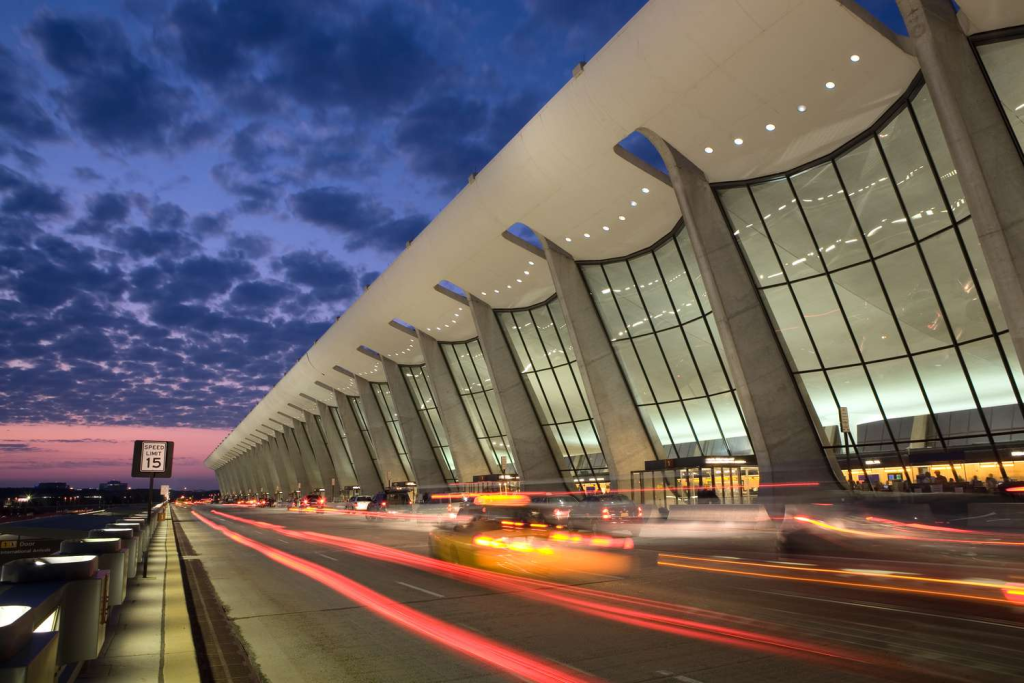
- Dulles Is Virginia’s Primary Global Gateway
Washington Dulles International Airport (IAD) is the largest airport in Virginia, serving as a major international hub with long-haul connectivity, strong cargo infrastructure, and a key role in U.S. capital region aviation. - Domestic & Government Travel Centered at Reagan National
Ronald Reagan Washington National Airport (DCA) specializes in high-frequency domestic routes, operating under strict airspace and security regulations while supporting heavy government and business travel demand. - Regional & Military Aviation Strengthen Statewide Operations
Airports such as Richmond International Airport (RIC) and Norfolk International Airport (ORF) support regional passenger traffic, cargo, and defense-related aviation—making Virginia’s airport system a strategic asset for both economic growth and national security. ✈️
Airports in Virginia
Virginia plays a critical role in the U.S. aviation system due to its strategic location along the East Coast, strong military presence, and proximity to the Washington, D.C. metropolitan area. The state’s airports support a wide range of operations, including commercial passenger traffic, cargo logistics, defense aviation, and general aviation.
This article provides a balanced overview of airports in Virginia, focusing on aviation infrastructure, operational roles, and economic importance rather than tourism.
Overview of Virginia’s Airport System
Virginia has 65+ public-use airports, managed by a combination of:
- Airport authorities
- Municipal and regional governments
- Military organizations
Key characteristics of Virginia aviation include:
- Strong East Coast and domestic connectivity
- Heavy military and government aviation activity
- Significant cargo and logistics operations
- Dense regional and commuter air traffic
Virginia’s airports are closely integrated with national transportation and defense networks.
Washington Dulles International Airport (IAD) – Virginia’s Global Gateway
Airport Code: IAD
Location: Northern Virginia
Washington Dulles International Airport is the largest and most important airport in Virginia and serves as a primary international gateway for the U.S. capital region.
Operational Role
IAD functions as:
- A major international and long-haul airport
- A hub for United Airlines
- A key transatlantic and transpacific connector
With multiple long runways and extensive terminal capacity, Dulles supports widebody aircraft and high-volume international operations. It also plays a major role in air cargo and government-related aviation.
Ronald Reagan Washington National Airport (DCA) – High-Frequency Domestic Operations
Airport Code: DCA
Location: Arlington, Virginia
Reagan National Airport is a critical domestic airport serving the Washington, D.C. region.
Aviation Characteristics
- Slot-controlled operations
- Focus on short-haul and medium-haul domestic routes
- High government and business travel volume
Due to strict airspace and security constraints, DCA prioritizes operational efficiency and reliability over expansion.
Richmond International Airport (RIC) – Central Virginia Hub
Airport Code: RIC
Location: Richmond
Richmond International Airport serves as the primary commercial airport for central Virginia.
Operational Focus
- Domestic passenger services
- Business and government travel
- Regional cargo operations
RIC supports stable operations with room for infrastructure modernization and growth.
Norfolk International Airport (ORF) – Coastal and Military Aviation
Airport Code: ORF
Location: Norfolk
Norfolk International Airport supports southeastern Virginia and is closely linked with the region’s extensive military presence.
Aviation Role
- Domestic passenger connectivity
- Military and civilian airspace coordination
- Charter and cargo operations
ORF benefits from its proximity to naval installations and defense-related aviation activity.
Newport News/Williamsburg International Airport (PHF)
Airport Code: PHF
Location: Hampton Roads region
PHF provides regional passenger services and supports:
- Narrowbody aircraft operations
- Military-adjacent aviation activity
- General aviation
It complements Norfolk Airport by distributing air traffic across the region.
Roanoke–Blacksburg Regional Airport (ROA)
Airport Code: ROA
Location: Southwest Virginia
ROA serves the western part of the state and supports:
- Domestic passenger routes
- Business and academic travel
- Regional connectivity
It plays a vital role in linking rural areas with national hubs.
Charlottesville–Albemarle Airport (CHO)
Airport Code: CHO
Location: Charlottesville
CHO supports:
- Regional passenger traffic
- University and business travel
- General aviation
Its manageable size allows efficient operations and consistent service reliability.
Military and Government Aviation in Virginia
Virginia hosts one of the largest concentrations of military aviation in the country.
Key military aviation assets include:
- Naval Air Station Oceana
- Joint Base Langley-Eustis
- Naval Station Norfolk (aviation support)
These installations significantly influence airspace management and aviation planning across the state.
Cargo and Logistics Aviation
Virginia’s airports support a growing cargo and logistics sector, driven by:
- East Coast trade routes
- Government and defense logistics
- E-commerce and express freight
Dulles International Airport leads cargo activity, with regional support from Richmond and Norfolk.
General Aviation and Regional Airports
Virginia’s general aviation airports support:
- Corporate and executive aviation
- Flight training and maintenance
- Medical and emergency flights
- Agricultural and utility aviation
These airports ensure statewide connectivity beyond major metropolitan areas.
Operational Challenges
Airports in Virginia face several challenges:
- Congested East Coast airspace
- Military-civil aviation coordination
- Environmental and noise regulations
- Infrastructure modernization needs
Despite these challenges, Virginia airports maintain high operational reliability through coordinated planning.
Future Outlook for Virginia Airports
Future priorities include:
- Terminal upgrades and modernization
- Sustainability and emissions reduction
- Enhanced cargo infrastructure
- Improved surface connectivity
Growth strategies focus on efficiency, resilience, and balanced regional development.
Conclusion
Airports in Virginia form a strategically important aviation network supporting passenger travel, cargo logistics, military operations, and government activity. From Dulles International Airport’s global reach to regional airports serving local communities, each facility plays a defined role in maintaining connectivity across the state.
Virginia’s aviation infrastructure is not only a transportation system but also a critical component of national security, economic development, and East Coast air traffic flow.
Airports in Virginia: Aviation Infrastructure, Operations, and Regional Connectivity
Virginia plays a critical role in the U.S. aviation system due to its strategic location along the East Coast, strong military presence, and proximity to the Washington, D.C. metropolitan area. The state’s airports support a wide range of operations, including commercial passenger traffic, cargo logistics, defense aviation, and general aviation.
This article provides a balanced overview of airports in Virginia, focusing on aviation infrastructure, operational roles, and economic importance rather than tourism.
Overview of Virginia’s Airport System
Virginia has 65+ public-use airports, managed by a combination of:
- Airport authorities
- Municipal and regional governments
- Military organizations
Key characteristics of Virginia aviation include:
- Strong East Coast and domestic connectivity
- Heavy military and government aviation activity
- Significant cargo and logistics operations
- Dense regional and commuter air traffic
Virginia’s airports are closely integrated with national transportation and defense networks.
Washington Dulles International Airport (IAD) – Virginia’s Global Gateway
Airport Code: IAD
Location: Northern Virginia
Washington Dulles International Airport is the largest and most important airport in Virginia and serves as a primary international gateway for the U.S. capital region.
Operational Role
IAD functions as:
- A major international and long-haul airport
- A hub for United Airlines
- A key transatlantic and transpacific connector
With multiple long runways and extensive terminal capacity, Dulles supports widebody aircraft and high-volume international operations. It also plays a major role in air cargo and government-related aviation.
Ronald Reagan Washington National Airport (DCA) – High-Frequency Domestic Operations
Airport Code: DCA
Location: Arlington, Virginia
Reagan National Airport is a critical domestic airport serving the Washington, D.C. region.
Aviation Characteristics
- Slot-controlled operations
- Focus on short-haul and medium-haul domestic routes
- High government and business travel volume
Due to strict airspace and security constraints, DCA prioritizes operational efficiency and reliability over expansion.
Richmond International Airport (RIC) – Central Virginia Hub
Airport Code: RIC
Location: Richmond
Richmond International Airport serves as the primary commercial airport for central Virginia.
Operational Focus
- Domestic passenger services
- Business and government travel
- Regional cargo operations
RIC supports stable operations with room for infrastructure modernization and growth.
Norfolk International Airport (ORF) – Coastal and Military Aviation
Airport Code: ORF
Location: Norfolk
Norfolk International Airport supports southeastern Virginia and is closely linked with the region’s extensive military presence.
Aviation Role
- Domestic passenger connectivity
- Military and civilian airspace coordination
- Charter and cargo operations
ORF benefits from its proximity to naval installations and defense-related aviation activity.
Newport News/Williamsburg International Airport (PHF)
Airport Code: PHF
Location: Hampton Roads region
PHF provides regional passenger services and supports:
- Narrowbody aircraft operations
- Military-adjacent aviation activity
- General aviation
It complements Norfolk Airport by distributing air traffic across the region.
Roanoke–Blacksburg Regional Airport (ROA)
Airport Code: ROA
Location: Southwest Virginia
ROA serves the western part of the state and supports:
- Domestic passenger routes
- Business and academic travel
- Regional connectivity
It plays a vital role in linking rural areas with national hubs.
Charlottesville–Albemarle Airport (CHO)
Airport Code: CHO
Location: Charlottesville
CHO supports:
- Regional passenger traffic
- University and business travel
- General aviation
Its manageable size allows efficient operations and consistent service reliability.
Military and Government Aviation in Virginia
Virginia hosts one of the largest concentrations of military aviation in the country.
Key military aviation assets include:
- Naval Air Station Oceana
- Joint Base Langley-Eustis
- Naval Station Norfolk (aviation support)
These installations significantly influence airspace management and aviation planning across the state.
Cargo and Logistics Aviation
Virginia’s airports support a growing cargo and logistics sector, driven by:
- East Coast trade routes
- Government and defense logistics
- E-commerce and express freight
Dulles International Airport leads cargo activity, with regional support from Richmond and Norfolk.
General Aviation and Regional Airports
Virginia’s general aviation airports support:
- Corporate and executive aviation
- Flight training and maintenance
- Medical and emergency flights
- Agricultural and utility aviation
These airports ensure statewide connectivity beyond major metropolitan areas.
Operational Challenges
Airports in Virginia face several challenges:
- Congested East Coast airspace
- Military-civil aviation coordination
- Environmental and noise regulations
- Infrastructure modernization needs
Despite these challenges, Virginia airports maintain high operational reliability through coordinated planning.
Future Outlook for Virginia Airports
Future priorities include:
- Terminal upgrades and modernization
- Sustainability and emissions reduction
- Enhanced cargo infrastructure
- Improved surface connectivity
Growth strategies focus on efficiency, resilience, and balanced regional development.
Conclusion
Airports in Virginia form a strategically important aviation network supporting passenger travel, cargo logistics, military operations, and government activity. From Dulles International Airport’s global reach to regional airports serving local communities, each facility plays a defined role in maintaining connectivity across the state.
Virginia’s aviation infrastructure is not only a transportation system but also a critical component of national security, economic development, and East Coast air traffic flow.