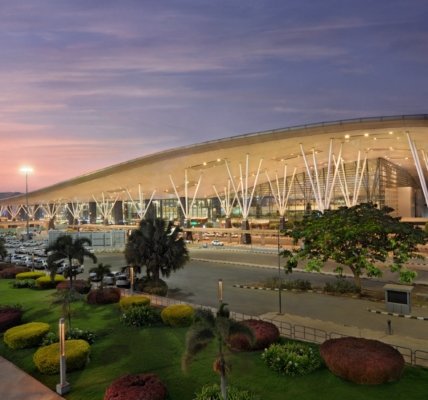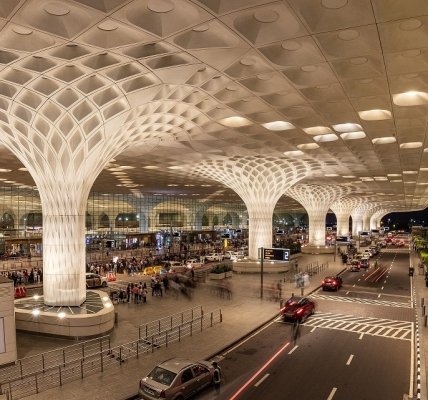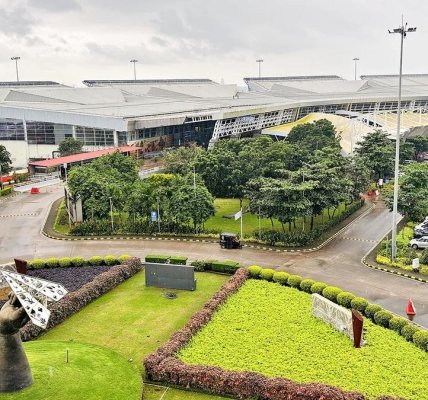




















- Kushok Bakula Rimpochee Airport (IXL) is one of the world’s highest commercial airports, located just 3–4 km from Leh city, serving as the main aerial gateway to the high-altitude region of Ladakh.
- Operated by the Indian Air Force with a civil enclave, the airport plays a critical role in tourism and national security, supporting civilian travel as well as strategic military and defense operations.
- The airport is vital for Ladakh’s regional development, connecting Leh with major Indian cities, boosting tourism, supporting local businesses, and ensuring essential connectivity in a remote Himalayan region.

Airport in Leh
The airport in Leh, officially known as Kushok Bakula Rimpochee Airport (IXL), serves the high-altitude city of Leh in the Union Territory of Ladakh.
Located just 3–4 kilometers from Leh city, it is one of the highest commercial airports in the world, situated at approximately 3,256 meters (10,682 ft) above sea level.
As the primary gateway for tourists visiting Ladakh, the airport connects Leh with major Indian cities and plays a vital role in tourism, military operations, and regional development.
Overview of Leh Airport
Kushok Bakula Rimpochee Airport is operated by the Indian Air Force (IAF), with a dedicated civil enclave for passenger flights.
It is known for its stunning Himalayan backdrop, strategic location, and significant passenger traffic during the summer months.
In recent years, the airport has undergone infrastructure upgrades to enhance passenger facilities and improve operational efficiency.
Airport Code
The airport code for Kushok Bakula Rimpochee Airport is IXL.
This code is used for all flight bookings, airline operations, and baggage identification.
Facilities at Leh Airport
Despite being a compact and sensitive high-altitude airport, Leh Airport provides essential and traveler-friendly amenities.
Passenger Terminal
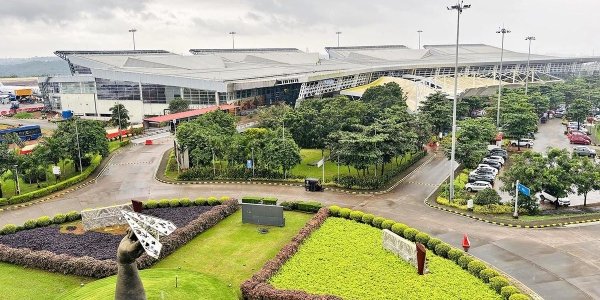
- Modern and clean terminal building
- Smooth check-in and security procedures
- Dedicated counters for major airlines
- Well-managed arrival and departure halls
- Scenic runway views surrounded by the Himalayas
Lounges and Waiting Areas
- Comfortable waiting zones with heating (important due to cold climate)
- Ample seating for passengers
- Clean restrooms and hygiene-maintained areas
Food & Beverages
- Small food kiosks and snack counters
- Tea/coffee stalls for quick refreshments
- Limited F&B options due to high-altitude restrictions
Parking
- Dedicated parking space for cars and two-wheelers
- Quick access to the terminal
- Separate zones for taxi pickups and private vehicles
Transport and Connectivity
Leh Airport is easily reachable from key areas:
- 3–4 km from Leh city center (10–12 mins)
- Dedicated pre-paid taxi services
- Local cabs and tour operators available
- Many hotels provide airport pickup/drop services
Public transportation is limited due to security restrictions.
Special Assistance
- Wheelchair support for senior citizens and differently-abled passengers
- Medical room and first-aid services
- Professional staff assistance for special-needs travelers
Connectivity of Leh Airport
Domestic Destinations
Leh Airport connects to major Indian cities such as:
- Delhi (DEL)
- Mumbai (BOM)
- Srinagar (SXR)
- Jammu (IXJ)
- Chandigarh (IXC)
- Dehradun (DED)
Seasonal flights operate based on weather and demand.
Airlines Operating
- Air India
- IndiGo
- Vistara
- SpiceJet (seasonal)
Charter flights also operate for tourism and defense travel.
Importance of Airport in Leh
Tourism Development
Leh Airport serves as the main gateway to Ladakh’s iconic attractions:
- Pangong Lake
- Nubra Valley
- Khardung La (one of the highest motorable passes)
- Magnetic Hill
- Tso Moriri Lake
- Shanti Stupa & Leh Palace
The airport drastically reduces travel time for tourists who would otherwise take multi-day road trips through high mountain passes.
Strategic & Defense Importance
- Operated jointly with the Indian Air Force
- Supports essential military logistics in Ladakh
- Key for rapid troop movement and border operations
It is one of India’s most strategically important airports.
Economic & Regional Growth
The airport enhances:
- Tourism-driven economy
- Local businesses and handicrafts
- Better connectivity for education and healthcare
- Development of travel-related services like hotels and rentals
Travel Experience at Leh Airport
Passengers can expect:
- Fast check-in and boarding despite tight security
- Organized crowd management
- Clean, peaceful, and scenic environment
- Smooth operations during the tourist season
Note: Due to high altitude, passengers are often advised to rest for a few hours after arrival to acclimatize.
Future Developments
- Expansion of terminal building
- More domestic routes to major metros
- Upgraded passenger amenities and food options
- Increased tourism infrastructure around Leh
- Potential for limited cargo operations
These developments aim to handle the growing tourist traffic more efficiently.
Conclusion
The airport in Leh – Kushok Bakula Rimpochee Airport (IXL) – is a crucial lifeline for the people of Ladakh.
With its strategic location, modern facilities, and essential connectivity to major Indian cities, the airport plays a key role in tourism, economic development, and national security.
As Ladakh continues to grow as a major travel destination, Leh Airport will remain the prime gateway for travelers visiting this magnificent Himalayan region.